
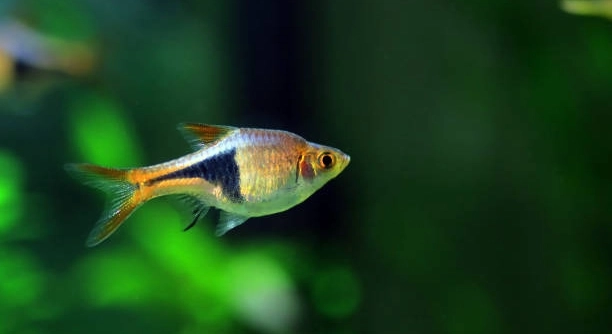
Is your rasbora constantly chasing its tank mates, creating a swirl of movement and tension in your aquarium? Observing this behavior can be both fascinating and concerning for anyone trying to maintain a peaceful aquatic environment.
The primary reason your rasbora chases others is territorial and social hierarchy behavior. Rasboras establish dominance, especially in confined spaces or small groups. This activity ensures access to resources and maintains the pecking order within the school, affecting overall social dynamics.
Understanding this behavior is important for creating a balanced aquarium environment. Proper care and tank setup can reduce aggression and keep your fish healthier and happier.
Common Causes of Rasbora Chasing Behavior
Rasboras chase others for several reasons, often related to their natural instincts. In a small tank, limited space can increase aggression, as each fish competes for territory and personal space. Overcrowding amplifies stress, making chasing more frequent. Additionally, mismatched group sizes can affect behavior. Rasboras thrive in schools of six or more, and a smaller group may struggle to maintain a social balance. In some cases, chasing occurs during feeding times when competition for food intensifies. Water quality also plays a role; poor conditions can increase agitation and disrupt normal behavior. Even a sudden change in the tank, like new decorations or sudden movement, may trigger chasing temporarily. Understanding the context of your aquarium setup helps identify why the behavior occurs. Observing patterns and interactions over time is essential. Adjusting environment, group size, and feeding routines can help mitigate excessive chasing, allowing your rasboras to coexist more peacefully.
Proper tank setup and sufficient schooling usually reduce chasing behavior in rasboras.
Monitoring the environment and adjusting tank conditions, group size, and feeding habits can significantly improve social interactions among rasboras. Careful attention ensures calmer and healthier fish.
How to Reduce Aggression in Your Tank
Providing hiding spaces helps reduce chasing.
Adjusting tank layout, increasing plant coverage, and offering ample hiding spots create a less stressful environment. Rasboras feel safer when they can retreat, reducing constant chasing. Introducing tank mates gradually and ensuring they are compatible in size and temperament also lowers aggression. Feeding multiple small portions instead of one large feeding minimizes competition. Proper filtration and regular water changes maintain good water quality, further calming the fish. Observing interactions allows timely interventions if chasing becomes excessive. Using these methods consistently encourages peaceful coexistence, helping rasboras display natural behaviors without constant stress.
Aggression often stems from stress, overcrowding, or poor environmental conditions. Monitoring water quality, tank size, and group dynamics is crucial. Establishing clear territories and providing hiding places supports natural behaviors. Keeping rasboras in appropriate numbers and compatible groups reduces chasing incidents. Introducing changes gradually prevents sudden spikes in aggression, while maintaining a calm, stable environment promotes healthier interactions. Feeding strategies, such as spreading food across the tank, can also prevent competition-driven chasing. Observing daily behavior helps identify triggers, enabling adjustments to the tank layout or social structure. Ensuring plants, decorations, and spaces are sufficient supports natural schooling behavior and hierarchy, making each fish feel secure. By addressing these factors, your rasboras can thrive with less stress, more balance, and a more harmonious tank dynamic.
Adjusting Group Sizes
Keeping the right number of rasboras can reduce chasing. Small groups tend to show more aggression and stress.
Rasboras are schooling fish, and having at least six or more helps spread out social interactions. Larger groups allow dominance behaviors to balance naturally, reducing the intensity of chasing. When the group is too small, one fish may target others constantly, increasing stress. Monitoring group size and gradually adding compatible rasboras can stabilize behavior. Observing interactions over several days helps ensure the hierarchy settles without excessive aggression, creating a calmer tank environment for all fish.
Introducing new rasboras gradually prevents sudden aggression spikes. Quarantining new additions and ensuring similar sizes helps maintain harmony. Avoid overcrowding, as this increases chasing and competition. Proper tank layout, hiding spots, and plants complement group size adjustments, giving fish more freedom to move.
Environmental Enhancements
Adding plants and hiding spots reduces stress. Rasboras feel safer with plenty of cover.
Dense plants, rocks, and decorations create retreat areas, limiting chasing opportunities. Providing vertical and horizontal spaces allows fish to establish territories naturally. Observing which spots are preferred helps optimize placement for comfort. Hiding spots also improve breeding behavior and reduce visible tension.
Adjusting lighting and water flow can further calm fish. Gentle water currents prevent fatigue and allow movement without constant chasing. Proper filtration and regular water changes keep the tank clean, preventing stress-induced aggression. Rearranging the tank occasionally without causing sudden disruption keeps the environment stimulating while maintaining security. Combining structural complexity, suitable lighting, and clean water encourages rasboras to exhibit natural behaviors in a balanced, peaceful manner.
Feeding Strategies
Feeding multiple small portions helps prevent chasing. Competition over food often triggers aggressive behavior.
Spreading food across the tank ensures all rasboras can eat without being chased. Using sinking pellets or floating flakes at different spots reduces crowding in one area. Consistent feeding routines also keep fish calm and balanced.
Water Quality and Maintenance
Clean water is essential for peaceful behavior. Poor water conditions increase stress, making rasboras more likely to chase others. Regular water changes, proper filtration, and monitoring parameters like ammonia, nitrites, and pH help maintain a stable environment. Healthy water supports natural behavior and reduces tension among fish.
Tank Size Considerations
Larger tanks provide more space for movement and territory, reducing chasing. Overcrowding in small tanks amplifies stress and aggressive interactions.
FAQ
Why does my rasbora chase only one fish?
Rasboras often target a specific tank mate to establish dominance. This behavior is common in smaller groups or when a fish is weaker or slower. Over time, the targeted fish may adapt or find safer spots, reducing the intensity of chasing. Adjusting group size and providing hiding spaces can help balance interactions.
Is chasing harmful to my rasboras?
Occasional chasing is normal and part of social behavior. However, constant or aggressive chasing can stress fish, weaken their immune systems, and even cause injuries. Monitoring interactions and making environmental adjustments, like adding plants or rearranging decorations, reduces stress and prevents physical harm.
Can adding more rasboras stop chasing?
Yes, adding more individuals to form a proper school helps spread social interactions. Rasboras feel safer in groups of six or more. Larger groups allow dominance behaviors to balance naturally, preventing a single fish from being constantly targeted. Gradual introduction and similar-sized fish reduce aggression.
Do tank mates influence chasing behavior?
Tank mates play a significant role. Aggressive or much smaller fish can trigger more chasing. Compatible, peaceful species that occupy different levels of the tank help reduce tension. Observing fish behavior and selecting compatible companions ensures a calmer environment for everyone.
How does tank size affect chasing?
Small tanks amplify chasing due to limited space. Larger tanks provide more swimming room and territory, allowing rasboras to establish social hierarchy without constant harassment. Proper tank size combined with plants and hiding spots creates a balanced environment where chasing is less intense.
Does feeding method reduce chasing?
Yes, feeding multiple small portions in different tank areas reduces competition. Sinking and floating foods spread across the tank give each fish access, preventing dominant individuals from chasing others during meals. Consistent feeding schedules also support calm behavior.
Can water quality impact chasing?
Poor water conditions increase stress, making rasboras more likely to chase. Regular water changes, proper filtration, and monitoring parameters like ammonia, nitrites, and pH help maintain a stable environment. Clean water promotes natural, peaceful interactions.
Are rasboras more aggressive during breeding?
Chasing may intensify during breeding periods. Males become territorial and may target rivals to secure mates. Providing hiding spots and dense plants helps reduce stress and provides safe retreats for less dominant fish, minimizing conflict.
How long does chasing behavior last?
Chasing often decreases once social hierarchy is established. In stable groups with proper space, tank size, and hiding areas, chasing usually becomes brief and less intense. Regular observation ensures behavior remains healthy and non-harmful.
Can rearranging the tank help?
Yes, occasional rearrangement creates new territories, encouraging fish to explore without constant harassment. Introducing plants, rocks, or decorations strategically allows fish to establish new boundaries and reduces repetitive chasing patterns.
Should I separate aggressive fish?
If chasing leads to injury or extreme stress, temporary separation is recommended. Quarantine or use a divider until the social hierarchy stabilizes. Ensuring compatible group size, tank mates, and hiding spots often eliminates the need for permanent separation.
Does lighting affect chasing?
Bright or sudden changes in lighting can stress fish, increasing chasing behavior. Gentle, consistent lighting with natural day-night cycles supports calm behavior and reduces agitation in rasboras.
Can enrichment reduce chasing?
Adding environmental enrichment like plants, rocks, and floating objects encourages exploration and provides hiding spots. Enrichment prevents boredom, reduces stress, and allows fish to display natural behavior without constant chasing.
Is chasing normal in new tanks?
Yes, rasboras often chase while establishing hierarchy in a new tank. Providing sufficient space, hiding areas, and observing interactions helps them settle faster. Behavior usually stabilizes after the first few weeks if the environment is well-maintained.
How can I tell if chasing is excessive?
Excessive chasing involves constant targeting, injuries, or prolonged stress indicators like hiding, loss of appetite, or color fading. If these signs appear, adjust tank size, group composition, or environmental conditions to restore balance and prevent harm.
Rasboras are naturally active and social fish, and chasing behavior is a normal part of their interactions. In most cases, it is simply a way for them to establish social hierarchy and maintain order within the school. Observing this behavior helps you understand your fish better and recognize what is typical versus what may indicate stress or aggression. Providing the right conditions in your aquarium, including sufficient space, proper group sizes, and compatible tank mates, allows rasboras to display natural behaviors without causing harm to each other. Taking the time to learn their patterns can make maintaining a peaceful tank much easier and more rewarding.
Managing chasing behavior often requires a combination of approaches. Adjusting the group size so that rasboras can form a stable school is one of the most effective strategies. Adding hiding spots, plants, and decorations gives each fish places to retreat when they feel threatened, reducing the intensity of chasing. Feeding multiple small portions of food in different areas helps prevent competition and keeps dominant fish from harassing others during meals. Regular tank maintenance and monitoring water quality are also important, as stress caused by poor conditions can trigger excessive chasing. By addressing these factors, you create an environment where rasboras can thrive and interact naturally, minimizing unnecessary conflict.
Even with careful attention, occasional chasing may still occur, especially during periods of change or when new fish are introduced. This is generally temporary and part of how rasboras establish boundaries and social roles. Observing your fish consistently and making small adjustments to the environment can prevent minor chasing from turning into harmful behavior. Over time, fish typically settle into a rhythm where chasing is brief and infrequent. Understanding the causes and solutions for chasing helps you maintain a healthier, more harmonious aquarium. By providing space, stability, and environmental enrichment, your rasboras can live together peacefully, displaying their natural behaviors while reducing stress and tension in the tank.

Hello,
If you enjoy the content that we create, please consider saying a "Thank You!" by leaving a tip.
Every little bit helps us continue crafting quality advice that supports the health, happiness, and well-being of pets around the world, for pets of all shapes, sizes, and species.
We really appreciate the kindness and support that you show us!