
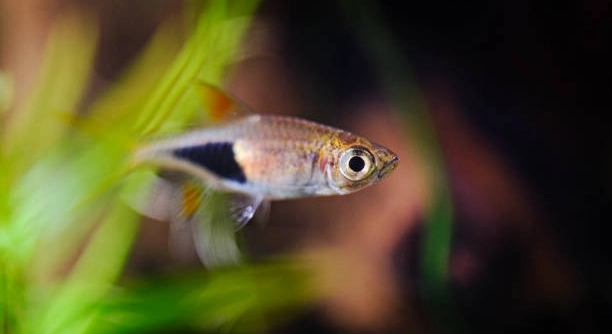
Do you ever find yourself staring at your aquarium, wondering how different fish can live together peacefully? Bettas are beautiful and lively, while rasboras are small and active, making them popular choices for many home tanks.
Rasboras can share tanks with bettas if the environment is carefully prepared. Providing plenty of hiding spots, maintaining proper water conditions, and selecting peaceful rasbora species reduces the risk of stress or aggression in the tank.
Learning how to balance tankmates properly ensures both bettas and rasboras thrive together, creating a harmonious and visually appealing aquarium environment for years.
Choosing the Right Rasbora Species
Not all rasboras are suitable for a tank with a betta. Harlequin rasboras and chili rasboras are usually safe choices because of their small size and peaceful behavior. Larger or more aggressive species, like some tiger rasboras, may provoke a betta or become stressed themselves. When selecting rasboras, look for active, schooling species that stay in groups. Bettas are territorial, especially males, so adding several rasboras at once helps them feel less singled out. Avoid brightly colored or long-finned rasboras, which can trigger aggression in some bettas. It’s also important to consider the size of your tank. Smaller tanks give bettas less space to establish territory, making conflicts more likely. Decorations, plants, and hiding spots can provide security for all fish. By observing the temperaments of both your betta and rasboras, you can create a balanced environment that reduces tension.
Starting with a proper species mix makes the tank more peaceful and enjoyable for both fish.
Introducing a compatible rasbora species gradually allows the betta to adjust without stress. Schooling behavior of rasboras keeps them occupied and reduces direct encounters with the betta. Multiple hiding spots and live plants help maintain calm. Watching interactions in the first days is crucial to ensure harmony.
Tank Setup for Peaceful Coexistence
A well-planned tank prevents stress and aggression.
Tank size, decorations, and water conditions are key factors. A 20-gallon tank or larger is ideal when housing bettas with rasboras. Bettas need space to swim freely, while rasboras prefer mid-level swimming areas. Dense plants, driftwood, and small caves provide hiding spots, giving both species a sense of security. Floating plants can also break the line of sight, reducing territorial behavior. Keep the water parameters stable, with temperatures around 75–80°F and a pH between 6.5 and 7.5. Rasboras thrive in slightly soft, clean water, so regular maintenance and filtration are necessary. Avoid overcrowding, as it increases stress and can lead to aggressive outbursts. Lighting should mimic natural daylight cycles, helping both species maintain normal activity levels. Observing the tank daily allows you to detect any signs of stress early, such as fin nipping or chasing. With proper planning, a betta and rasboras can coexist peacefully, making the tank both lively and harmonious.
Feeding Considerations
Rasboras and bettas have different feeding habits, so planning meal times carefully is important. Bettas prefer protein-rich foods, while rasboras eat small flakes or micro pellets. Feeding separately can prevent competition and ensure all fish get enough nutrition.
Overfeeding can harm both species and lead to water quality issues. Bettas require high-protein pellets or frozen foods like brine shrimp, while rasboras thrive on flakes, micro pellets, or tiny live foods. Offering food in small amounts multiple times a day helps reduce waste and keeps the tank clean. Observing feeding behavior allows you to adjust portions and ensure no fish is left hungry. Proper feeding also strengthens coloration and promotes overall health, helping both bettas and rasboras thrive in a shared environment.
Keeping feeding areas distinct helps maintain peace in the tank. Using a small spoon or feeding ring for bettas can reduce food competition. Rasboras can be scattered with flakes away from the betta’s main spot, preventing chasing and stress. Consistent feeding routines create stability, ensuring both species feel secure while eating. Watching for leftover food and removing it promptly prevents water contamination and keeps the tank safe for all fish. This careful approach encourages calm behavior and supports healthy growth.
Monitoring Behavior
Observe fish daily to detect early signs of stress or aggression. Quick intervention prevents injuries and keeps the tank peaceful.
Aggressive behavior from bettas may include chasing or fin nipping, while stressed rasboras might hide excessively or swim erratically. Keeping a close eye during the first few weeks is crucial for long-term harmony. Adjusting tank layout or separating aggressive individuals can prevent conflicts. Documenting behavior changes helps track which decorations or feeding routines reduce tension. Social interaction between rasboras is natural, but the betta’s reaction must be monitored closely. Avoid sudden changes in lighting or water conditions, as these can increase stress. Regular observation ensures the tank remains a stable and safe environment.
Recording interactions and responses is helpful for long-term care. Noting which areas the betta claims as territory and which hiding spots rasboras prefer allows adjustments to minimize stress. Gradual changes, like adding new plants or rearranging decorations, prevent sudden disputes. Understanding the natural behavior of both species ensures better coexistence, reducing risks of injury and illness. Monitoring also helps you recognize when a fish might need temporary separation or specialized care. A consistent routine supports calm behavior, making the tank a healthy and enjoyable space for all inhabitants.
Water Quality Maintenance
Regular water changes are essential for both bettas and rasboras. Clean water reduces stress, prevents disease, and supports healthy behavior. Testing parameters like ammonia, nitrite, and nitrate ensures the tank remains safe for all fish.
Filtration is key, but avoid strong currents. Bettas prefer gentle water flow, while rasboras tolerate mild movement. Using a sponge filter or adjustable flow can keep water clean without stressing the fish. Weekly partial water changes of 20–30% help maintain stable conditions. Observing water clarity and removing debris promptly also prevents illness. Maintaining stable temperature and pH supports long-term health, keeping both species active and vibrant.
Tank Size Recommendations
A 20-gallon tank or larger is ideal when housing bettas with rasboras. Adequate space reduces territorial disputes and gives each species room to swim freely. Dense plants and hiding spots improve comfort and reduce stress.
Preventing Aggression
Keep decorations and plants to break lines of sight. Providing territories and escape routes minimizes chasing.
Introducing New Fish
Add new rasboras gradually and in groups to reduce stress on the betta. Monitor interactions closely to ensure peaceful coexistence.
FAQ
Can all types of rasboras live with bettas?
Not all rasboras are suitable tankmates for bettas. Peaceful, small species like harlequin or chili rasboras are the safest choices. Larger, more aggressive, or brightly colored rasboras may trigger a betta’s territorial instincts, causing chasing or fin nipping. Always research species behavior before adding them to the tank.
How many rasboras should I keep with one betta?
It’s best to keep at least six rasboras together. Rasboras are schooling fish and feel more secure in groups. A larger group distracts the betta and reduces the chance of aggression. Keeping fewer rasboras may lead to stress for both species and make the betta more likely to single out individuals.
What tank size works best for a betta and rasboras?
A 20-gallon tank or larger is ideal. Bettas need space to establish their territory, and rasboras require room to swim in groups. Overcrowding increases stress and aggression, so providing sufficient swimming and hiding space is essential for harmony. Dense plants and decorations help break lines of sight.
Do bettas and rasboras need the same water conditions?
Yes, both species thrive in similar water conditions. Keep the temperature around 75–80°F and a pH of 6.5–7.5. Slightly soft, clean water is preferred. Regular water changes, proper filtration, and monitoring parameters like ammonia, nitrite, and nitrate ensure both species stay healthy.
How should I feed bettas and rasboras together?
Feeding should account for different dietary needs. Bettas prefer protein-rich foods like pellets or frozen brine shrimp, while rasboras thrive on flakes, micro pellets, or tiny live foods. Feeding separately or in different tank areas prevents competition. Small, frequent meals help reduce leftover food and maintain water quality.
What signs show that my betta or rasboras are stressed?
Stress signs include fin clamping, hiding, erratic swimming, or chasing. Rasboras may stay at the bottom or isolate themselves, while bettas may nip fins or patrol aggressively. Stress can lead to illness, so early observation and adjustments in tank setup, feeding, or group size are important.
Can I add plants and decorations with a betta and rasboras?
Yes, plants and decorations are crucial. Dense plants, floating cover, and hiding spots provide security for rasboras and help reduce betta aggression. Decorations break lines of sight, creating separate territories. Live plants also improve water quality by absorbing nitrates, benefiting all fish in the tank.
How do I introduce new rasboras to a betta tank safely?
Add rasboras gradually and in a group. Rearrange decorations slightly to create new territories, reducing aggression. Observe the betta’s reactions closely in the first few days. If the betta becomes overly aggressive, temporarily separate the fish or adjust hiding spots until they acclimate.
Is it safe to leave a betta with rasboras long-term?
Yes, if the tank is properly set up and monitored. Stable water conditions, sufficient space, proper feeding, and observing behavior are key. Long-term coexistence is possible, but always be ready to separate fish if aggression becomes persistent or if any fish shows signs of stress or injury.
Can rasboras harass a betta?
Generally, rasboras are peaceful and unlikely to harass a betta. However, very small or shy bettas may become stressed if rasboras constantly swim near them. Monitoring interactions and providing plenty of hiding spaces ensures both species remain comfortable and calm.
Do male bettas behave differently around rasboras compared to female bettas?
Male bettas tend to be more territorial and aggressive, making careful observation and tank setup essential. Female bettas are usually less aggressive, and coexistence is often easier. Regardless of gender, the size of the tank, group of rasboras, and hiding spaces are critical for a peaceful environment.
How often should I check on my tank when housing both species?
Daily observation is recommended. Watching feeding behavior, swimming patterns, and interactions helps detect early stress or aggression. Weekly water testing and partial water changes maintain a safe and stable environment. Consistent care ensures both bettas and rasboras remain healthy and active.
Can adding more rasboras reduce betta aggression?
Yes, adding a proper-sized school of rasboras can distract the betta and reduce territorial behavior. A larger group makes individual fish less noticeable and decreases the likelihood of chasing. Always monitor closely to ensure the betta doesn’t become overstimulated or stressed by too many tankmates.
Are there any risks to mixing bettas and rasboras?
The main risks include aggression, stress, and water quality issues. Bettas may chase or nip fins, and overcrowding can lead to illness. Maintaining proper tank size, monitoring behavior, and providing hiding spots are essential to minimize risks. Observing fish daily helps prevent serious problems.
Can rasboras help keep the tank environment stable?
Rasboras do not directly clean the tank, but schooling behavior encourages swimming activity and natural grazing, which can help control some algae. They also occupy mid-level areas, balancing the tank’s ecosystem and helping maintain a calm and dynamic environment alongside the betta.
Keeping bettas and rasboras together can be a rewarding experience if done carefully. Both species have unique needs, and understanding their behavior is the key to a peaceful tank. Bettas are territorial, especially males, and may react aggressively to fast-moving or brightly colored fish. Rasboras, on the other hand, are small, active, and thrive in groups. Combining them requires attention to tank size, species selection, and the overall environment. Choosing the right rasbora species, such as harlequin or chili rasboras, reduces the risk of conflict. These types are calm, small, and less likely to provoke a betta. Avoid aggressive or larger rasboras that may stress your betta or cause injury. Watching how the fish interact in the first few weeks is essential, as this period determines whether long-term coexistence will work.
Tank setup plays a major role in maintaining harmony between bettas and rasboras. A 20-gallon tank or larger is recommended, giving both species enough space to swim freely. Dense plants, driftwood, and decorations create hiding spots and break lines of sight, which helps reduce territorial disputes. Floating plants can also give the betta a sense of security and reduce chasing. Water conditions must remain stable, with temperatures between 75 and 80°F and a pH around 6.5 to 7.5. Regular water changes and proper filtration help maintain a healthy environment, which reduces stress and keeps the fish active. Observing the tank daily allows you to notice subtle changes in behavior or health, which can prevent bigger issues. A well-planned tank is a simple but effective way to keep both species happy.
Feeding and monitoring are equally important in ensuring both species thrive. Bettas require protein-rich foods like pellets or frozen brine shrimp, while rasboras prefer flakes, micro pellets, or small live foods. Feeding in separate areas or at different times helps prevent competition and ensures all fish get enough nutrition. Overfeeding can harm water quality and stress the fish, so small, frequent meals are better. Monitoring behavior is also critical. Signs of stress include fin clamping, hiding, or excessive chasing. By keeping a close watch on interactions and adjusting the tank setup, decorations, or feeding routines, you can create a balanced environment where both bettas and rasboras feel secure. With careful planning and consistent care, these species can coexist peacefully, providing a lively and visually appealing aquarium for any hobbyist.

Hello,
If you enjoy the content that we create, please consider saying a "Thank You!" by leaving a tip.
Every little bit helps us continue crafting quality advice that supports the health, happiness, and well-being of pets around the world, for pets of all shapes, sizes, and species.
We really appreciate the kindness and support that you show us!