
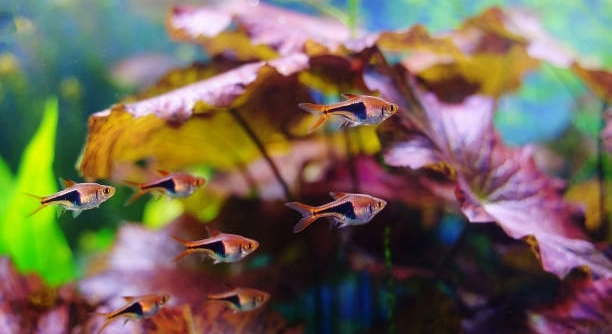
Have you ever noticed your rasboras swimming separately, not interacting as much as you expected in their tank? These tiny fish are social creatures, and creating a harmonious environment can help them feel secure and connected.
Improving rasbora tank bonding requires consistent environmental management and social support. Providing adequate space, stable water conditions, compatible tank mates, and structured feeding routines encourages social interactions and reduces stress, promoting cohesive group behavior within the aquarium setting.
Understanding the basic needs and behaviors of rasboras will help create a more peaceful and active tank environment for your fish to thrive together.
Create a Comfortable Tank Environment
Rasboras feel more secure when their tank mimics natural conditions. Adding plants, hiding spots, and gentle lighting can reduce stress and encourage social behavior. Open swimming areas combined with shaded regions allow fish to explore while feeling safe. Regularly cleaning the tank and maintaining stable water parameters is essential. Temperature, pH, and ammonia levels should be monitored to ensure the environment stays consistent. Introducing natural decorations like smooth rocks or driftwood provides both structure and visual interest. Avoid overcrowding, as too many fish can increase aggression and anxiety. Observing your fish daily helps identify any signs of stress or illness early. Gentle filtration that avoids strong currents allows rasboras to swim freely without being overwhelmed. Feeding in a calm, routine manner helps them associate the environment with safety and nourishment. A well-balanced environment reduces conflicts and encourages active, cohesive group behavior among the rasboras.
A stable and well-structured tank helps rasboras feel secure, reducing stress and promoting positive social interactions and bonding within the school.
Maintaining a balanced environment benefits both the fish and the overall health of the aquarium. Plants, hiding spots, and stable water conditions encourage natural behaviors. Rasboras become more active and interactive, swimming together confidently and exploring their surroundings.
Introduce Compatible Tank Mates
Adding the right tank mates can support social interactions without causing aggression. Small, peaceful fish that share similar water requirements work best.
Choosing compatible species prevents bullying and competition. Fish that are too large or aggressive may stress rasboras, disrupting their bonding. Peaceful companions enhance movement, creating a lively tank. Regular observation ensures all fish coexist safely, maintaining harmony and encouraging active social groups.
Maintain Consistent Feeding Times
Regular feeding helps rasboras feel secure and encourages group activity. Consistent schedules reduce competition and support bonding.
Feeding at the same times each day allows rasboras to anticipate food, reducing stress and creating predictable social patterns. Using small portions prevents leftover waste from affecting water quality, keeping the tank clean. Offering a mix of high-quality flake, frozen, or live food ensures proper nutrition and keeps fish interested. Observing their eating behavior can indicate health and social dynamics, helping you adjust portions or schedules as needed. Overfeeding may lead to aggression or sluggish behavior, so moderation is key. Proper feeding routines reinforce group cohesion.
Variety in food keeps rasboras active and engaged. Rotating protein sources like daphnia, brine shrimp, or bloodworms encourages natural foraging behavior. Feeding in different areas of the tank promotes movement and interaction, allowing shy fish to join the group. This practice strengthens social bonds and encourages a more dynamic, healthy school. Balanced nutrition supports vibrant colors, growth, and overall well-being, creating an environment where rasboras thrive together.
Provide Ample Hiding Spaces
Rasboras feel more confident with places to hide. Dense plants, rocks, and driftwood offer safety. Shy individuals benefit most.
Hiding spaces reduce stress, allowing timid fish to interact at their own pace. Using tall plants or clustered decorations creates zones for exploration and retreat. Fish can move freely without constant exposure, promoting natural behaviors and minimizing aggression. Observing how fish use these spaces helps optimize tank layout, ensuring all individuals feel secure. Regular rearrangement or additional shelters keeps the environment stimulating, encouraging continued exploration and social interaction. Well-placed hiding spots support overall group cohesion and comfort in the tank.
Keep Water Parameters Stable
Stable water conditions are essential for rasboras to feel secure. Sudden changes can stress fish and reduce bonding.
Regular testing of pH, temperature, and ammonia levels helps maintain a consistent environment. Small adjustments prevent shocks and promote healthy, active schooling behavior.
Encourage Group Swimming
Rasboras naturally swim in schools. Encouraging group movement strengthens bonds and reduces anxiety.
Providing open swimming areas with occasional plants or decorations allows fish to coordinate and interact naturally. Observing their patterns helps identify shy individuals and encourages participation. Group swimming fosters confidence, social cohesion, and a more lively tank environment.
Limit Aggressive Interactions
Minimizing stress from aggressive tank mates or overcrowding supports bonding and peaceful behavior among rasboras.
FAQ
How many rasboras should I keep together?
Rasboras are schooling fish and feel most comfortable in groups of six or more. Smaller numbers can lead to stress, shyness, and reduced interaction. Larger groups encourage natural swimming behavior, social bonding, and a calmer tank environment, helping timid fish feel secure and included in the school.
What is the ideal tank size for rasboras?
A minimum of 20 gallons is recommended for a small school of rasboras. More space allows for proper swimming, hiding spots, and territories. Overcrowding can increase aggression, stress, and disease risks. A well-planned layout with open swimming areas and plant clusters supports natural behavior and group cohesion.
What kind of plants work best in a rasbora tank?
Rasboras enjoy dense plants and floating vegetation that provide cover and shaded swimming areas. Tall stem plants, Java fern, and moss create hiding spots, reduce stress, and encourage exploration. Floating plants help diffuse bright lighting and mimic their natural environment, making the fish feel safe and relaxed.
How often should I feed my rasboras?
Feeding twice daily in small portions works best. Overfeeding can pollute the water, while inconsistent feeding schedules can stress fish and disrupt group behavior. A mix of high-quality flakes, frozen foods, and occasional live foods keeps them healthy, encourages activity, and supports social interactions within the school.
Can rasboras live with other fish?
Yes, but only with peaceful, similarly sized species that share water requirements. Avoid aggressive or larger fish that may bully rasboras. Suitable companions include small tetras, corydoras, and dwarf rasboras. Proper selection of tank mates reduces stress and allows rasboras to form stronger bonds within their own group.
How do I know if my rasboras are stressed?
Signs of stress include hiding constantly, loss of color, erratic swimming, or aggression. Maintaining stable water conditions, providing hiding spaces, and keeping appropriate group sizes can prevent stress. Observing daily behavior allows early detection and helps create a calm environment that supports bonding and natural activity.
Is lighting important for rasbora bonding?
Moderate lighting works best. Bright lights can stress timid fish, while too dim lighting may reduce activity. Using a balance of open, well-lit areas and shaded spots encourages exploration and schooling. Natural light cycles or timers help maintain predictable routines, supporting healthy social interactions.
Do rasboras need a specific water temperature?
Rasboras thrive in temperatures between 72°F and 78°F. Keeping water within this range promotes activity, feeding, and social behavior. Sudden fluctuations can cause stress, illness, and disrupted group dynamics. Regular monitoring with a reliable thermometer ensures consistent conditions that support bonding and overall well-being.
How can I encourage shy rasboras to join the group?
Provide hiding spots near open swimming areas so timid fish can gradually explore. Feeding near these zones encourages movement and participation. Gentle observation and avoiding sudden disturbances help shy individuals gain confidence. Over time, they will integrate naturally into the school, strengthening bonds and group cohesion.
Should I rearrange decorations to improve bonding?
Occasionally rearranging plants and hiding spots can stimulate exploration and activity. However, avoid frequent drastic changes, as rasboras need consistency to feel secure. Gradual adjustments create new swimming patterns, encouraging interaction, while maintaining familiar areas ensures timid fish remain confident and stress-free.
Can water changes affect bonding?
Yes, large or sudden water changes can stress rasboras and temporarily reduce social interactions. Regular small water changes maintain water quality without shocking the fish. Consistent water maintenance supports overall health, encourages active schooling, and strengthens group bonding over time.
Is tank size more important than decoration for bonding?
Both are important. Sufficient space allows free swimming and reduces stress, while decorations provide shelter and exploration zones. A balanced setup that combines open areas and hiding spots encourages social behavior, natural movement, and confidence among all rasboras in the tank.
How long does it take for rasboras to bond?
Bonding depends on tank conditions, group size, and individual personalities. In a stable environment with proper care, fish often show cohesive schooling and social behaviors within a few weeks. Patience and consistency in feeding, water maintenance, and environmental setup support gradual, healthy bonding.
Can lighting changes affect shy fish bonding?
Sudden bright lighting can make timid rasboras retreat and avoid interaction. Gradual changes or using floating plants to diffuse light helps shy individuals feel comfortable. Maintaining predictable light cycles encourages activity, exploration, and integration into the group, strengthening overall bonding and social confidence.
How do I prevent aggression in a rasbora tank?
Avoid overcrowding and aggressive tank mates. Ensure plenty of hiding spots and open swimming areas. Monitoring fish behavior daily allows early intervention if conflicts arise. Stress-free conditions, proper feeding, and compatible companions minimize aggression, allowing rasboras to form stronger social bonds and maintain peaceful interactions.
What role does water quality play in bonding?
High-quality, stable water is critical for healthy social behavior. Poor water quality increases stress, illness, and hiding behavior. Regular testing, filtration, and partial water changes maintain safe conditions, supporting active swimming, group cohesion, and positive interactions among all rasboras in the tank.
Can temperature fluctuations disrupt bonding?
Yes, sudden drops or spikes in temperature stress rasboras, reducing interaction and increasing hiding behavior. Consistent temperatures within their preferred range allow normal activity, feeding, and schooling patterns. Using a reliable heater and thermometer ensures stability, promoting bonding and overall tank harmony.
Do rasboras show affection or recognition?
While they don’t display affection like mammals, rasboras recognize familiar tank mates and form stable social groups. Cohesive swimming, synchronized movement, and reduced hiding indicate trust and comfort within the school, reflecting strong social bonds and a healthy, stress-free tank environment.
How important is tank maintenance for bonding?
Regular cleaning, water testing, and filtration upkeep prevent stress, illness, and aggression. A well-maintained tank encourages natural behavior, consistent feeding, and group interactions. Proper maintenance supports confidence, security, and positive social dynamics, allowing rasboras to bond effectively over time.
What should I do if one fish isolates itself?
Check water parameters, tank mates, and stress factors first. Ensure hiding spots are available and feeding is consistent. Sometimes shy fish need gradual encouragement to rejoin the group. Observing daily and providing a calm environment supports reintegration and strengthens the overall social cohesion of the school.
Are floating plants helpful for bonding?
Yes, floating plants create shaded areas that reduce stress for timid fish. They provide comfort and encourage exploration of open swimming spaces. By balancing light and shelter, floating plants help all rasboras feel secure, increasing social interactions and fostering a more cohesive, active school.
How do I monitor if bonding is improving?
Look for cohesive swimming patterns, reduced hiding, synchronized feeding, and minimal aggression. Confident, active fish indicate healthy group dynamics. Daily observation helps identify changes in behavior, allowing adjustments in tank setup, feeding, or companions to further strengthen bonds. Over time, these signs reflect successful social integration.
Can water additives affect bonding?
Some additives may alter water chemistry, stressing fish and reducing social behavior. Only use necessary supplements recommended for rasboras, following instructions carefully. Consistent water parameters and cautious use of additives support health, confidence, and positive interactions within the group.
Do rasboras need a specific diet to bond better?
A balanced diet ensures health and energy, encouraging activity and social interaction. Providing a mix of flake, frozen, and live foods stimulates foraging and group feeding behavior. Proper nutrition enhances colors, vitality, and overall confidence, supporting natural bonding and schooling patterns.
How long should I observe bonding progress daily?
Short, consistent observation periods of 10–15 minutes help track behavior without causing stress. Watching interactions, feeding, and swimming patterns allows subtle changes to be noticed. Gradual adjustments based on these observations support confident, cohesive, and healthy group dynamics over time.
Does tank location affect bonding?
Yes, tanks in quiet areas with minimal vibration or sudden disturbances reduce stress. Constant movement or loud noises can make timid fish retreat, disrupting social interactions. Placing the tank in a calm location encourages exploration, active schooling, and stronger bonds among rasboras.
What is the best way to introduce new rasboras?
Quarantine new fish first to prevent disease. Gradually acclimate them to water conditions and introduce them during feeding. Slow integration allows existing fish to accept newcomers, reducing stress and aggression. Proper introduction supports social cohesion and helps the school maintain strong bonding patterns.
How do I keep bonding consistent over time?
Maintain stable water parameters, consistent feeding schedules, compatible tank mates, and a safe environment with hiding spots. Regular observation ensures issues are addressed quickly. Consistency in care encourages ongoing social interactions, active schooling, and a cohesive, confident group of rasboras.
Can stress from handling disrupt bonding?
Yes, frequent handling or sudden changes can make rasboras retreat or hide, reducing group cohesion. Minimize disturbances and handle carefully during water changes or tank maintenance. A calm approach allows the school to maintain trust, confidence, and healthy social interactions.
Are there signs of strong bonding in rasboras?
Strong bonding is shown through synchronized swimming, active participation during feeding, minimal hiding, and peaceful interactions. Fish appear confident and explore together. Observing these behaviors indicates a stable, cohesive school and a healthy, low-stress tank environment where rasboras thrive socially.
How can I support bonding during breeding?
Provide extra plants and hiding spots to reduce stress. Separate fry if necessary to prevent aggression. Consistent feeding and water conditions help adults maintain social cohesion while supporting safe, natural breeding behavior. Careful management ensures bonding remains strong during this sensitive period.
Can tank decorations influence social hierarchy?
Yes, hiding spots and open areas allow fish to establish territories and reduce conflicts. Well-distributed decorations prevent bullying, give shy fish confidence, and promote balanced interactions, supporting overall bonding and harmony within the school.
Do temperature and pH need to match for all tank mates?
Yes, selecting species with similar water requirements prevents stress and promotes peaceful interactions. Consistent temperature and pH for all fish help maintain a stable environment, allowing rasboras to focus on social bonding rather than adapting to incompatible conditions.
Is it normal for rasboras to have occasional disagreements?
Yes, minor chasing or nudging is natural, especially when establishing social order. As long as aggression is minimal and no injuries occur, these interactions are part of bonding. Observing behavior ensures conflicts remain brief and the school stays cohesive.
How often should I rearrange plants or hiding spots?
Occasional, small adjustments can stimulate exploration and encourage shy fish to interact. Frequent or drastic changes can cause stress. Gradual rearrangements keep the environment interesting while maintaining a sense of security, supporting bonding and active social behavior.
Can lighting schedules affect bonding consistency?
Yes, predictable light cycles help rasboras establish routines, reducing stress and encouraging schooling. Sudden changes in lighting can make timid fish retreat. Using timers ensures stability, supporting daily social interactions and maintaining strong group cohesion.
How can I integrate shy fish successfully?
Provide hiding spots near open areas, feed near these zones, and avoid sudden disturbances. Gradual exposure encourages timid fish to explore and join the group. Patience and consistent care help shy individuals feel safe, strengthening bonds and social confidence within the school.
Does water hardness impact bonding?
Rasboras prefer soft to moderately hard water. Extremes can stress fish, reducing interaction and increasing hiding behavior. Maintaining appropriate water hardness supports normal activity, feeding, and social behaviors, helping the school bond effectively.
Are there behavioral signs of poor bonding?
Isolated swimming, constant hiding, aggression, or disinterest during feeding indicate weak social cohesion. Observing these patterns helps identify problems early. Adjusting environment, tank mates, or care routines can restore confident group interactions and improve overall bonding.
Can seasonal changes affect bonding?
Yes, temperature fluctuations or light variations during seasonal changes can stress fish. Maintaining stable conditions indoors minimizes impact, ensuring consistent social behavior and a cohesive, confident school regardless of external changes.
How important is patience for bonding?
Patience is crucial. Rasboras may take weeks to fully integrate, especially shy individuals. Consistent care, stable water, and gradual encouragement allow the school to establish trust, confidence, and strong social bonds over time, resulting in a peaceful and active tank.
Can tank size limit bonding potential?
Yes, smaller tanks restrict movement and increase stress, reducing social interactions. Providing ample space, open swimming areas, and hiding spots encourages natural behaviors, allowing all individuals to bond, explore, and participate in the school effectively.
Do rasboras remember tank mates?
They recognize familiar companions and maintain consistent social interactions. Stable groups show stronger cohesion, synchronized swimming, and reduced stress. Maintaining consistent care and environment reinforces recognition and bonding among school members.
How do I manage bonding if some fish are more dominant?
Provide hiding spots, open swimming zones, and equal access to food. Observing interactions allows intervention if bullying occurs. Balanced environmental design ensures all fish feel secure, minimizing stress and supporting social cohesion within the school.
Can sudden introduction of new fish disrupt bonding?
Yes, abrupt additions can cause stress, hiding, or aggression. Gradual acclimation and proper quarantine reduce disruption. Introducing newcomers carefully ensures existing social bonds remain intact while allowing the group to integrate new members safely.
Does tank shape affect bonding?
Longer tanks provide more swimming space and reduce territorial disputes. Vertical height matters less, though plants and decorations at different levels create exploration zones. Proper tank design promotes movement, interaction, and overall cohesion within the school.
How do I prevent bullying in a rasbora school?
Ensure sufficient hiding spots, open areas, and compatible group sizes. Observe behavior daily, separating overly aggressive fish if necessary. Balanced environmental setup and careful monitoring reduce stress and allow shy individuals to participate fully, maintaining strong social bonds.
Are all rasboras equally social?
Individual personalities vary. Some fish are naturally shy, while others are more active. Providing a secure environment, hiding spots, and consistent routines allows timid individuals to gain confidence and join the group, strengthening overall bonding and cohesion.
How can I encourage shy fish during feeding?
Feed near hiding spots to allow timid fish to approach gradually. Small portions, gentle movement, and consistent schedules build confidence. Over time, shy individuals participate in group feeding, enhancing social interactions and reinforcing school cohesion.
Can sudden water changes affect shy fish more?
Yes, timid rasboras may retreat or hide after large water changes. Gradual, partial changes minimize stress. Maintaining stable water conditions ensures all fish feel secure and encourages consistent social interactions, supporting bonding over time.
Does tank decoration style matter for bonding?
Yes, natural decorations with plants, driftwood, and rocks create safe zones and open swimming areas. Shy fish use shelters while confident individuals explore, promoting social interactions. A balanced, thoughtfully arranged tank supports group cohesion and reduces stress.
Is group feeding important for bonding?
Yes, feeding together encourages interaction and reduces isolation. Small portions, rotated food types, and consistent schedules stimulate activity. Group feeding helps shy fish integrate, strengthens confidence, and supports overall social cohesion in the school.
Can water clarity impact bonding?
Cloudy or murky water increases stress and reduces visibility, making timid fish hide. Clear water allows better observation, exploration, and interaction. Maintaining cleanliness supports natural behavior, confidence, and positive social dynamics among all rasboras.
Do rasboras bond with humans?
They don’t form human-like bonds but may recognize regular presence and feeding routines. Calm interactions and predictable care help reduce stress and make the school more confident, active, and cohesive during daily activities.
How do I help new tank mates bond with rasboras?
Quarantine newcomers, acclimate them gradually, and introduce them during feeding. Provide hiding spots and open swimming areas to reduce stress. Careful integration encourages smooth social interactions, minimizes aggression, and strengthens the overall cohesion of the school.
Can disease affect bonding?
Yes, sick or stressed fish may hide, avoid group interaction, or become aggressive. Maintaining water quality, quarantining new fish, and monitoring health prevent disease. Healthy, active fish are more likely to engage socially, reinforcing group cohesion and positive interactions.
Is temperature control more important than lighting for bonding?
Both matter, but stable temperature directly affects activity and stress levels. Predictable lighting supports routines, but extreme or fluctuating temperatures can disrupt swimming, feeding, and social behavior, reducing bonding. Maintaining a consistent temperature range ensures confident, cohesive, and active schooling behavior.
How can I tell if my rasboras are truly bonded?
Cohesive swimming, synchronized feeding, minimal hiding, and peaceful interactions indicate strong social bonds. Shy fish gradually participate, and the school moves confidently together. Regular observation confirms a healthy, low-stress, socially integrated group, reflecting successful bonding and overall well-being.
Are tank mates necessary for bonding?
Not strictly, but compatible companions can enhance activity and create a lively environment. Peaceful tank mates that share water requirements support exploration, reduce stress, and encourage natural group interactions, complementing bonding among rasboras.
Does tank cleaning frequency affect bonding?
Regular, moderate cleaning maintains water quality and reduces stress. Avoid sudden, large-scale changes that shock fish. Consistent maintenance encourages healthy behavior, confident swimming, and social interactions, supporting long-term bonding among the school.
Can stress from nearby vibrations disrupt bonding?
Yes, vibrations from loud noises or frequent movement can make timid fish hide. Reducing disturbances and placing the tank in a stable, calm location supports confidence, exploration, and cohesive group interactions.
Is water temperature stability more important than diet for bonding?
Both are important, but temperature directly influences activity, stress, and schooling. Proper diet supports health and vitality, encouraging social interaction. Maintaining stable temperature ensures predictable behavior, while a balanced diet enhances energy for confident participation in the school.
How do I reintroduce a fish after illness?
Quarantine the recovered fish, gradually acclimate it to tank conditions, and observe interactions with the school. Introduce near feeding areas and provide hiding spots to reduce stress. Careful reintroduction helps maintain social bonds and prevents disruption in group dynamics.
Can water pH swings affect bonding?
Yes, sudden pH changes stress rasboras, causing hiding, aggression, or reduced interaction. Maintaining consistent, species-appropriate pH supports confidence, exploration, and social cohesion, ensuring a stable and bonded school.
Are shy rasboras less likely to bond?
Shy fish may take longer to integrate but can form strong bonds with time, patience, and proper care. Hiding spots, predictable feeding, and gradual exposure encourage participation, allowing timid individuals to join the school and contribute to group cohesion.
Do floating plants help shy fish interact?
Yes, floating plants diffuse light and create safe zones. Shy fish use these areas
Rasboras are small, peaceful fish that thrive when their environment meets their basic needs. A stable tank with clean water, proper temperature, and suitable pH levels provides the foundation for healthy behavior. When these conditions are consistent, rasboras are less stressed and more likely to interact positively with each other. They enjoy open swimming areas as well as spaces to hide, such as plants, driftwood, or rocks. These features allow shy individuals to feel secure while giving more confident fish room to explore. Maintaining a balance between open space and shelter encourages natural movement and social interaction, which is essential for bonding within the group.
Feeding routines also play a key role in strengthening rasbora interactions. Providing small, regular meals at consistent times helps fish establish predictable patterns, which reduces stress and encourages group activity. Offering a mix of flake, frozen, and live foods keeps the fish engaged and active. Feeding near hiding spots can also encourage timid fish to join the group, allowing them to gradually become more confident. Overfeeding or inconsistent schedules can disrupt social behavior, so careful attention to portion size and timing is important. Observing their behavior during feeding can provide insight into their social dynamics and overall health, helping you make small adjustments to improve cohesion.
Bonding among rasboras takes patience and consistency. Shy or new fish may take time to integrate fully into the group, and environmental changes should be introduced gradually. Monitoring water parameters, providing hiding spaces, maintaining a stable feeding schedule, and ensuring compatible tank mates all contribute to stronger social bonds. Over time, cohesive swimming, synchronized feeding, and peaceful interactions indicate that the school has become comfortable and confident together. By paying attention to their needs and creating a supportive environment, rasboras can form stable, natural social groups that are active, healthy, and visually enjoyable in the tank. These practices ensure a calm, balanced aquarium where the fish feel secure, interact regularly, and display the behaviors that make keeping them rewarding.

Hello,
If you enjoy the content that we create, please consider saying a "Thank You!" by leaving a tip.
Every little bit helps us continue crafting quality advice that supports the health, happiness, and well-being of pets around the world, for pets of all shapes, sizes, and species.
We really appreciate the kindness and support that you show us!