
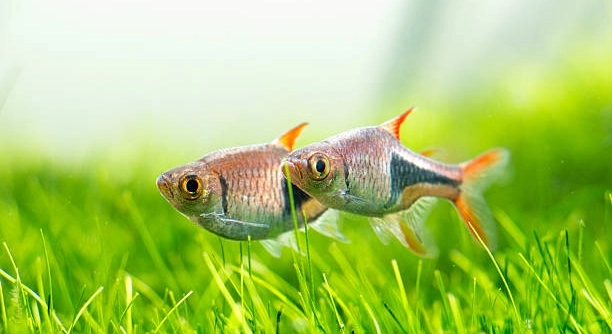
Are your rasboras swimming more actively than usual, flitting around the tank with extra energy? Small changes in behavior can indicate upcoming breeding activity, signaling a shift in their usual patterns and interactions with one another.
Rasboras exhibit several signs of imminent breeding, including intensified swimming, frequent pairing, color enhancement, territorial behavior, increased feeding, specific spawning site selection, and egg-laying preparations. Monitoring these behaviors allows aquarists to predict reproductive activity accurately.
Recognizing these signs early can help you prepare the tank environment and support the health and safety of your fish during the breeding process.
Increased Activity and Pairing
When rasboras are close to breeding, you may notice them swimming faster and more energetically. They often pair off, staying close together and mirroring each other’s movements. This behavior is different from their usual schooling patterns. Males may chase females gently, and females respond by swimming alongside them. You might also see temporary shifts in their positions within the tank, with pairs exploring specific corners or plants more frequently. Observing these changes carefully helps in identifying which fish are ready to spawn. Providing hiding spaces or dense vegetation can encourage natural behaviors. Proper nutrition during this time is also important, as their energy levels increase. Adjusting feeding routines to support these changes ensures that the fish maintain good health. Monitoring activity patterns over several days will give a clearer picture, as some behaviors may appear sporadically before becoming consistent.
Recognizing increased activity and pairing allows you to anticipate spawning and prepare the tank environment appropriately.
Observing rasboras interact in this stage is fascinating. Their coordinated movements and pairing behaviors are clear indicators of readiness, offering a glimpse into natural reproductive behavior. Adjusting the tank with plants and hiding spots supports comfort and encourages spawning. Ensuring proper feeding maintains energy, while careful observation helps track timing. This combination of preparation and attention ensures that breeding occurs safely and naturally.
Color Changes and Territorial Behavior
Color intensification is often the first noticeable sign of breeding readiness in rasboras.
Males develop brighter hues while females may show subtle changes. Territorial behaviors also emerge, with males establishing small areas and gently chasing intruders. This ensures safety for potential eggs.
The color shifts in rasboras are more than cosmetic—they indicate hormonal changes preparing the fish for reproduction. Males typically become more vibrant, highlighting fins and body patterns to attract females. Females may become slightly rounder as eggs develop, though color changes are subtler. Territorial behavior complements these changes, with males patrolling specific areas around plants or decorations. They may push or nudge other males or fish that approach their space, showing a gentle dominance rather than aggression. Providing dense plants or breeding mops gives females a safe place to deposit eggs and males a clear area to patrol. Consistent monitoring ensures that aggression does not harm less dominant fish. Lighting and water conditions can enhance these natural signals, creating an environment that supports both safety and successful spawning.
Increased Feeding and Spawning Site Selection
Rasboras tend to eat more as they prepare to breed, seeking extra nutrition to support egg development. They also begin inspecting tank areas for suitable spots to lay eggs, often near plants or shaded corners.
This heightened feeding is essential for energy and overall reproductive health. Males and females both increase their intake, targeting protein-rich foods like brine shrimp or daphnia. Observing these eating patterns helps confirm readiness for spawning. Alongside feeding, rasboras actively explore the tank for safe egg-laying sites. They favor dense vegetation, fine-leaved plants, or areas with minimal current. Providing these conditions allows natural breeding behavior while ensuring eggs are protected. Adjusting feeding frequency and monitoring tank layout supports both their nutritional needs and reproductive success.
Careful observation of feeding intensity and site selection gives clear insight into breeding preparation. Ensuring proper nutrition and a safe environment encourages healthy spawning behaviors.
Egg-Laying Preparations
Females develop a rounded belly as eggs mature, while males display persistent courtship behavior around potential sites.
Egg-laying begins when conditions are stable, and fish feel secure. Males guide females to chosen spots and gently interact to encourage spawning.
Providing dense plants or breeding mops is crucial for successful egg-laying. Females may press themselves against plant leaves to deposit eggs, while males follow closely to fertilize them. Observing this behavior is rewarding, as it highlights natural instincts and coordination between pairs. Lighting, water temperature, and cleanliness all impact success, so maintaining optimal conditions ensures eggs remain viable. Minimal disturbance during this period is important, as stress can prevent spawning. Adjusting feeding routines to include high-protein foods supports females in egg development. Monitoring activity levels, site preference, and subtle interactions allows you to track progress and intervene only when necessary to protect both eggs and fish.
Pairing and Courtship
Males and females pair off more consistently, swimming closely and mimicking each other’s movements. Courtship involves gentle nudges and short chases, signaling readiness to spawn without causing stress to either fish.
These behaviors are natural and indicate that the fish are preparing for reproduction. Observing pairs helps identify which fish are likely to breed first.
Nesting and Egg Protection
Once eggs are laid, males often remain nearby to guard the area. They may patrol surrounding plants or softly push other fish away, ensuring the eggs remain safe from disturbance. This protective behavior is essential for the survival of the fry.
Subtle Environmental Cues
Changes in lighting, water temperature, and plant density can trigger breeding behaviors. Even minor adjustments in tank conditions can encourage rasboras to begin spawning and increase overall reproductive activity.
FAQ
How can I tell when my rasboras are ready to breed?
Rasboras show several clear signs of readiness. Males become more colorful, often highlighting fins and body patterns. Females develop a slightly rounded belly as eggs mature. Both sexes increase activity, swimming energetically and pairing off. Frequent inspection of the tank for suitable egg-laying spots is another indicator.
What type of plants or decorations should I provide for breeding?
Dense, fine-leaved plants like Java moss or breeding mops are ideal. These provide safe surfaces for egg deposition and protect eggs from being eaten. Floating plants can offer additional cover, while open spaces allow males to patrol and display courtship behaviors effectively.
How should I adjust feeding during breeding preparation?
Increase protein-rich foods like brine shrimp, daphnia, or high-quality flakes. Feed smaller portions multiple times a day to maintain energy levels without overfeeding. Proper nutrition supports both egg development in females and active courtship behavior in males.
Do water conditions affect breeding success?
Yes, water quality is crucial. Maintain stable temperature and pH appropriate for your rasbora species. Slightly softer, clean water encourages egg-laying. Frequent water changes and good filtration reduce stress, which can prevent spawning. Avoid sudden changes in temperature or chemistry.
Should I separate males and females before breeding?
Separation is not necessary unless aggression occurs. Providing ample plants and hiding spaces usually prevents conflicts. Males may become territorial but generally do not harm females if space and cover are sufficient.
How long does it take for rasboras to spawn after showing signs?
Typically, spawning occurs within a few days to a week after signs like increased activity, color changes, and pairing appear. Observing these behaviors daily helps anticipate egg-laying more accurately.
How do I care for eggs once they are laid?
Eggs are delicate and can be eaten by adults. Providing dense vegetation or a breeding mop ensures protection. Some aquarists remove eggs carefully to a separate tank. Keep water clean and stable, and avoid disturbing the eggs. They usually hatch within two to three days depending on species and water conditions.
What should I do after the eggs hatch?
Fry require very small food like infusoria or liquid fry food initially. Gradually introduce newly hatched brine shrimp as they grow. Keep water clean with gentle filtration, avoid strong currents, and monitor fry growth closely. Providing cover reduces stress and increases survival rates.
Can breeding behavior stress other fish in the tank?
Yes, heightened activity and territorial behavior can stress non-breeding fish. Observing interactions and providing hiding spaces helps minimize conflict. In some cases, separating more sensitive fish temporarily may be necessary to prevent injury or stress.
How often do rasboras breed?
Under optimal conditions, rasboras can breed multiple times a month. Proper nutrition, stable water conditions, and an appropriate environment encourage repeated spawning cycles. Monitoring tank conditions and fish health ensures sustainable breeding over time.
Is it necessary to change tank lighting for breeding?
Moderate lighting encourages natural behavior without causing stress. Too bright or sudden changes can deter spawning. Providing plants that create shaded areas allows fish to feel secure while displaying courtship and egg-laying behaviors.
Can I predict which pair will breed first?
Observing color intensity, activity level, and pairing patterns often indicates which male and female will spawn first. Males with the brightest coloration and females with slightly fuller bellies are usually the initial breeders. Tracking these behaviors helps in planning tank management during spawning periods.
What precautions should I take during breeding?
Avoid disturbing the tank, maintain clean water, provide dense plants, and ensure proper nutrition. Minimal handling and steady environmental conditions increase the likelihood of successful spawning and healthy fry development.
How do I know if spawning was successful?
Fertilized eggs are typically clear or slightly yellow, while unfertilized eggs turn white or opaque. Observing egg placement and parental guarding behaviors can also indicate successful fertilization. Monitoring eggs daily ensures timely intervention if needed.
How long before fry are independent?
Fry begin swimming freely and accepting larger food after about two to three weeks, depending on growth rate and species. Providing adequate space, cover, and gentle feeding supports their transition to independent feeding.
Can adult rasboras eat their eggs or fry?
Yes, adult rasboras often eat eggs and young fry. Providing dense plants, breeding mops, or separating eggs to a separate tank reduces this risk and increases survival rates significantly.
How important is water temperature during breeding?
Stable and slightly elevated water temperatures, within the species-specific range, encourage breeding behavior and successful egg development. Sudden fluctuations can prevent spawning or harm eggs and fry.
What role does tank size play in breeding success?
Adequate space reduces aggression and allows natural behaviors like pairing, swimming, and egg-laying. Crowded tanks increase stress and decrease the likelihood of successful spawning, so maintaining appropriate stocking levels is important.
Are there differences between male and female breeding behaviors?
Males display vibrant coloration, courtship dances, and territorial behavior. Females focus on site inspection and egg deposition. Observing both roles helps identify readiness and supports targeted care for each sex during breeding.
Can I encourage spontaneous breeding in a community tank?
Yes, with proper conditions, rasboras can breed in community tanks. Dense plants, stable water, and appropriate nutrition support breeding while minimizing stress. Careful observation ensures eggs and fry are protected from other tank inhabitants.
How do I prevent stress during the breeding period?
Minimize handling, maintain consistent water conditions, provide hiding spaces, and reduce external disturbances. Stress can inhibit spawning or harm eggs, so creating a stable environment is essential for successful reproduction.
What are common mistakes to avoid during breeding?
Overcrowding, sudden water changes, poor nutrition, and lack of egg protection are common issues. Observing natural behaviors and preparing the tank environment correctly reduces risks and increases breeding success.
How long do rasboras live after multiple breeding cycles?
With proper care, rasboras can live several years, though repeated breeding can affect energy levels. Ensuring good nutrition, clean water, and stress-free conditions helps maintain health across multiple spawning periods.
Can I identify the sex of rasboras easily?
Yes, males are generally slimmer and more colorful, while females appear rounder when carrying eggs. Observing behavior, pairing tendencies, and coloration helps confirm sex for breeding purposes.
Is it necessary to remove other fish during breeding?
Not always, but if non-breeding fish cause stress or eat eggs, temporary separation may be necessary. Providing dense plants and hiding spaces often prevents conflicts without moving fish.
How long does the breeding process last?
From initial courtship to egg deposition, the process typically lasts a few hours. Observation and preparation are key to ensuring minimal disturbance and maximizing success during this short but critical period.
Can rasboras breed without plants?
While possible, plants or spawning mops increase egg survival. Open tanks without cover often lead to eggs being eaten or damaged, reducing breeding success significantly.
What signs indicate eggs are fertilized?
Fertilized eggs are usually clear or slightly yellow, while unfertilized eggs turn opaque or white. Careful observation ensures timely intervention if eggs need to be separated for protection.
Do rasboras require special water chemistry for breeding?
Mildly soft, clean water with stable pH is preferred. Extreme hardness or sudden fluctuations can inhibit spawning or harm eggs, so maintaining consistent water conditions is critical for success.
How can I support fry growth after hatching?
Provide small foods like infusoria or liquid fry food initially, gradually introducing newly hatched brine shrimp. Maintain clean water, gentle filtration, and adequate cover to ensure fry grow safely.
Are there risks of disease during breeding?
Yes, stress or poor water quality increases vulnerability. Regular maintenance, clean feeding practices, and monitoring fish behavior help prevent outbreaks during the sensitive breeding period.
Can breeding behavior vary between rasbora species?
Yes, while basic patterns are similar, some species show stronger territoriality, different color intensities, or variations in egg-laying preferences. Understanding species-specific behaviors improves breeding success and care.
Is continuous observation necessary during breeding?
Careful but unobtrusive observation helps track readiness, courtship, and egg-laying. Frequent but gentle monitoring ensures timely adjustments to feeding, environment, or protection measures for eggs and fry.
How long until fry are visible after hatching?
Fry are usually visible within a few days, swimming freely after absorbing their yolk sac. Dense plants or spawning mops provide safe areas as they begin independent feeding.
What adjustments can encourage repeated breeding?
Consistent feeding, optimal water conditions, and maintaining a stress-free environment encourage multiple spawning cycles. Observing natural behavior and providing adequate cover ensures ongoing reproductive activity.
Can I predict breeding cycles accurately?
Tracking color changes, pairing behavior, and feeding patterns allows reasonable prediction. Consistent observation over time helps anticipate spawning windows and prepare the tank appropriately.
How do I know when to separate fry from adults?
Once fry are actively swimming and feeding independently, separation may be necessary to prevent predation. Providing protected areas initially allows safer growth until they are large enough to join the main tank.
Are breeding behaviors affected by tank size or stocking density?
Yes, crowded tanks increase stress and reduce breeding success. Adequate space supports natural courtship, egg-laying, and territorial behavior, making it easier to manage multiple pairs simultaneously.
Can water flow impact spawning success?
Strong currents can disrupt egg-laying and fry survival. Gentle filtration and calm water areas help rasboras complete breeding behaviors naturally while ensuring eggs remain secure.
Do all pairs in the tank breed simultaneously?
Not necessarily. Some pairs breed earlier, while others may wait. Observing behavior and readiness helps identify which pairs are active and ensures adequate protection for eggs from each breeding cycle.
Is special lighting required for breeding success?
Moderate, stable lighting supports natural behavior. Sudden changes or overly bright conditions can stress fish, reducing spawning activity and affecting egg development. Providing shaded areas helps fish feel secure during the process.
Can I encourage breeding in winter or cooler months?
Yes, adjusting water temperature to species-specific levels and maintaining consistent conditions can encourage breeding even outside peak seasons. Stable lighting, nutrition, and environment remain key factors.
What is the best way to monitor egg health?
Check color and placement regularly. Clear or slightly yellow eggs indicate fertilization, while white eggs may need removal. Minimal handling and stable conditions support development.
How do I ensure multiple pairs breed successfully?
Provide ample plants, hiding spots, and sufficient space. Monitor pairing behavior, feeding, and territorial interactions. Reducing stress and maintaining stable water conditions allows several pairs to spawn without conflict.
Can stress prevent breeding entirely?
Yes, factors like overcrowding, poor water quality, or constant disturbance can inhibit spawning. Maintaining a calm environment with proper nutrition and space is essential for encouraging breeding behavior.
What role does diet play after spawning?
High-protein foods replenish energy and support recovery for adults. For fry, small live or prepared foods promote healthy growth and development, ensuring strong, active offspring.
How can I tell if males are actively fertilizing eggs?
Males closely follow females during egg deposition, nudging or aligning alongside eggs. Guarding behavior after fertilization indicates successful egg protection and contributes to higher survival rates.
Are there common mistakes in raising fry?
Overfeeding, poor water quality, or insufficient cover are frequent errors. Maintaining gentle filtration, proper nutrition, and secure hiding spots ensures fry grow without stress or predation.
How long do eggs take to hatch under optimal conditions?
Typically, eggs hatch within two to three days, depending on species and water temperature. Maintaining clean water and minimal disturbance ensures higher survival rates for newly hatched fry.
Can adult behavior affect egg survival?
Yes, aggressive or overly curious adults may eat eggs if cover is insufficient. Providing dense plants, breeding mops, or separate rearing tanks reduces this risk.
What are the best practices for long-term breeding success?
Maintain stable water, appropriate nutrition, adequate space, and protective cover. Monitor behavior and adjust conditions carefully. Observing courtship, egg-laying, and fry growth supports sustainable breeding cycles and healthy fish populations over time.
How do I balance breeding with a community tank setup?
Provide dense plants and hiding areas for eggs and fry. Minimize stress by monitoring interactions and separating fry if necessary. Proper planning allows breeding without compromising other tank inhabitants.
Is there a peak time of day for spawning?
Many rasboras spawn in the morning when lighting is moderate and water conditions are stable. Observing early activity helps anticipate egg-laying and manage protective measures.
Can multiple species breed together in the same tank?
No, species-specific behavior and reproductive requirements differ. Cross-species spawning is unlikely, so maintaining separate breeding setups ensures successful reproduction.
How important is consistency in water parameters?
Very important. Sudden changes in temperature, pH, or hardness can prevent spawning, stress adults, or damage eggs. Consistency ensures natural behavior and increases the likelihood of successful breeding.
What are signs of unsuccessful spawning?
Unfertilized eggs turning white, lack of guarding behavior, or absence of fry after a few days indicate issues. Observing these signs allows timely adjustments to improve future breeding attempts.
Can breeding frequency affect adult health?
Frequent spawning without proper nutrition or recovery time can reduce energy levels and overall health. Balanced feeding, clean water, and rest periods help maintain long-term vitality.
How do I track breeding progress effectively?
Monitor color changes, pairing behavior, activity levels, and egg-laying sites. Documenting observations over time allows better planning for feeding, protection, and tank adjustments during each cycle.
Are there natural ways to stimulate breeding behavior?
Providing dense plants, gentle water flow, consistent temperature, and high-quality food stimulates natural reproductive instincts. Minimizing stress and mimicking natural conditions encourages consistent breeding activity.
How long should I wait between breeding cycles?
Allow a recovery period for adults, usually several days to a week, depending on energy levels and feeding. This ensures healthy subsequent cycles and reduces stress-related issues.
Can I reuse breeding mops for multiple cycles?
Yes, breeding mops can be reused if cleaned carefully between cycles. They provide safe surfaces for eggs while maintaining a familiar environment for fish during repeated spawning.
What precautions should I take when introducing new fish to a breeding tank?
Quarantine new fish to prevent disease, avoid aggressive interactions, and ensure they are compatible. Sudden introductions can stress adults and disrupt ongoing breeding behavior.
Is observation more important than intervention during breeding?
Observation is critical. Intervene only when eggs or fry are at risk. Allowing natural behaviors to occur with minimal disturbance promotes healthier spawning and better fry survival rates.
How do I prevent fungus or mold on eggs?
Maintain clean water, proper filtration, and slight water flow. Removing unfertilized eggs promptly reduces fungal growth. Monitoring daily ensures a healthier environment for fertilized eggs.
What is the role of hiding spaces in breeding tanks?
Hiding spaces reduce stress, protect eggs, and allow fry to grow safely. Dense plants, breeding mops, or small decorations mimic natural habitats and encourage natural behaviors in adults.
Can adult rasboras skip breeding cycles?
Yes, stress, poor nutrition, or unfavorable conditions can cause adults to delay or skip spawning. Maintaining optimal environment and care increases consistency in breeding activity.
How do I transition fry to larger food?
Start with small live or prepared foods and gradually increase size as fry grow. Ensuring frequent, small feedings supports healthy development without overloading water quality.
Are there signs of healthy fry growth?
Active swimming, regular feeding, and even growth indicate healthy fry. Lethargy, uneven size, or poor feeding suggests adjustments in food, water quality, or environment are needed.
Can breeding affect adult behavior outside the breeding period?
Yes, post-breeding adults may show temporary reduced activity or appetite. Ensuring proper feeding and stable conditions helps them recover quickly and return to normal behavior.
What is the most important factor for successful rasbora breeding?
Consistent water quality, proper nutrition, protective cover, and minimal stress are essential. Observing natural behaviors and providing a safe environment ensures successful spawning and healthy fry development.
How can I minimize egg predation in a community tank?
Provide dense plants, breeding mops, and separate hiding areas. Observing adults and reducing access by other fish increases egg survival and supports successful fry growth.
Are there signs that males are stressed during breeding?
Lethargy, faded color, or aggression beyond normal courtship indicate stress. Addressing tank conditions, water quality, and space can restore normal breeding behavior.
What is the best practice for long-term rasbora breeding?
Maintain stable water parameters, proper nutrition, adequate space, protective cover, and careful observation. This combination supports repeated, healthy breeding cycles and thriving fry populations over time.
Can temperature fluctuations prevent egg hatching?
Yes, sudden drops or spikes can halt development or harm fry. Keeping water temperature stable within the species-specific range ensures optimal hatching success.
How soon after hatching can fry eat larger foods?
Typically within two to three weeks. Begin with tiny live foods, then gradually increase size as fry grow. Proper feeding schedules support healthy growth and survival rates.
Is it normal for males to guard eggs aggressively?
Males may gently push other fish away or patrol territory. This behavior is natural and supports egg survival. Excessive aggression may indicate stress or overcrowding.
Can breeding mops improve egg survival?
Yes, they provide protected surfaces for eggs and reduce predation from adults or other tank inhabitants. Mops mimic natural vegetation and encourage natural laying behaviors.
What happens if eggs are not fertilized?
Unfertilized eggs turn white or opaque and should be removed to prevent fungus growth. Fertilized eggs remain clear or slightly yellow, indicating potential fry development.
How do I manage multiple breeding pairs?
Provide ample space, hiding spots, and dense plants. Monitor courtship and egg-laying behavior to prevent conflict and ensure protection for eggs and fry from each pair.
Are there environmental cues that stimulate breeding naturally?
Stable lighting, water temperature, clean water, and dense vegetation signal safe and optimal conditions, encouraging courtship, pairing, and egg-laying behaviors in rasboras.
Can breeding behavior indicate overall health?
Yes, active courtship, vibrant coloration, and regular feeding suggest healthy adults. Weak or lethargic behavior may indicate stress, illness, or nutritional deficiencies impacting reproduction.
Is minimal disturbance important during spawning?
Absolutely. Reducing handling, noise, and tank movement prevents stress, supports natural behaviors, and increases the likelihood of successful egg fertilization and fry survival.
**What are the
Breeding rasboras can be a rewarding experience when the right conditions are provided. Observing their natural behaviors, including pairing, color changes, increased activity, and feeding habits, helps aquarists identify when spawning is approaching. It is important to maintain a stable environment with clean water, moderate lighting, and appropriate temperature. Dense plants or breeding mops offer safe surfaces for egg-laying and protect the eggs from being eaten by adults or other fish in the tank. Providing hiding spaces also reduces stress for both adults and fry, encouraging natural behaviors and improving the chances of successful reproduction. Understanding these patterns allows you to anticipate changes in behavior and prepare the tank accordingly, creating a supportive environment that fosters the health and safety of all fish involved.
Nutrition plays a significant role in the breeding process. Rasboras require a diet rich in protein to support egg development and sustain energy levels during courtship and spawning. High-quality flakes, brine shrimp, daphnia, and other protein-rich foods should be offered in small, frequent portions to ensure that fish receive the nutrients they need without overfeeding the tank. Proper nutrition not only prepares the adults for reproduction but also helps ensure that the fry are healthy once they hatch. Monitoring feeding behavior during the pre-spawning period provides insight into readiness and allows for adjustments to diet and feeding schedules. Alongside proper feeding, maintaining water quality through regular monitoring and filtration is essential. Stable water parameters reduce stress, prevent disease, and support the overall health of both adults and developing eggs, creating an optimal environment for breeding success.
Careful observation and patience are key to raising healthy fry. After eggs are laid, adults may exhibit guarding behavior, patrolling areas around plants or mops to protect their offspring. Fertilized eggs usually remain clear or slightly yellow, while unfertilized eggs turn white and should be removed to prevent fungal growth. Once fry hatch, they require very small food such as infusoria or specialized liquid fry food, gradually transitioning to larger foods like newly hatched brine shrimp as they grow. Providing adequate cover and gentle water flow helps them develop safely without stress. Over time, fry become more active and independent, eventually joining the main tank once they are large enough. By creating a stable, supportive environment and observing natural behaviors, breeding rasboras can be a manageable and enjoyable process, ensuring both adults and offspring thrive under your care.

Hello,
If you enjoy the content that we create, please consider saying a "Thank You!" by leaving a tip.
Every little bit helps us continue crafting quality advice that supports the health, happiness, and well-being of pets around the world, for pets of all shapes, sizes, and species.
We really appreciate the kindness and support that you show us!