
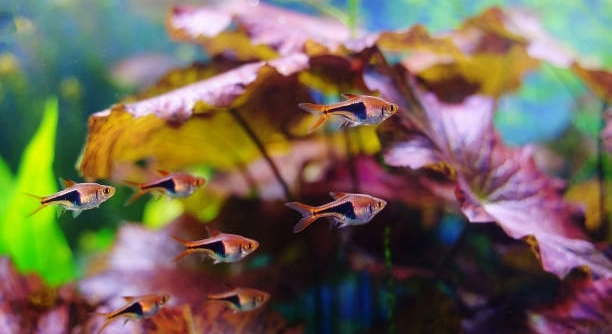
Have you ever noticed rasboras glide through familiar spaces, reacting calmly to changes around them in a home aquarium environment, where routine, movement, and subtle cues shape their daily behavior and sense of comfort levels?
Rasboras demonstrate spatial memory by learning and recalling stable tank layouts through repeated exposure. Consistent landmarks support navigation, reduce stress behaviors, and improve feeding efficiency, indicating cognitive mapping abilities rather than simple reflexive movement within controlled aquarium environments over time.
Observing how memory shapes aquarium life reveals practical insights for aquascaping choices, fish welfare, and maintaining calm, stable habitats successfully.
How Rasboras Learn Their Space
I have watched rasboras settle into a tank over weeks, and their movements slowly become smoother and more confident. They begin to follow the same paths between plants, wood, and open water. This pattern forms through repeated exposure to stable features. Rocks, filter flow, and plant placement act as reference points. Over time, the fish rely less on hesitation and more on memory. This learning reduces wasted energy and supports steady feeding behavior. When the layout stays consistent, schooling remains tight and calm. Sudden changes interrupt this process and can cause scattered swimming. Memory allows rasboras to predict safe routes and resting areas. This ability is subtle but important for daily stability. It reflects basic spatial learning rather than complex thought, yet it still shapes how the fish experience their environment each day in quiet home aquariums where consistency supports health and reduces visible stress signs during routine care practices.
Once memory develops, daily behavior appears calmer and more predictable. I notice fewer frantic movements and smoother group turns. Feeding responses improve, and hiding becomes purposeful instead of reactive. These small shifts suggest comfort built through familiarity rather than chance. This pattern remains consistent across well maintained community tanks setups.
Tank memory depends heavily on stability. Frequent rearranging resets learned routes and increases stress signals like darting or surface hovering. Gentle adjustments are less disruptive when done slowly and in small sections. Keeping major landmarks in place helps rasboras adapt without losing confidence. Lighting schedules and feeding locations also reinforce spatial awareness. I find that predictable care routines strengthen this effect. Memory is supported by repetition, not complexity. A simple layout maintained over time offers better results than elaborate designs that change often, especially in smaller tanks where space is already limited for long term behavioral balance and overall resilience.
Signs of Recognition After Changes
After minor changes, rasboras often pause, observe, and then resume known swimming paths. I notice brief hesitation followed by quick correction. This response shows retained memory rather than confusion. Complete disorientation is rare when familiar reference points remain visible and unchanged within the same enclosure over repeated maintenance sessions periods.
When a layout change is larger, behavior shifts become more noticeable. Schooling may loosen, and swimming paths appear less efficient. This adjustment phase is temporary when conditions return to stability. I have seen rasboras relearn routes within days, especially when plants and hardscape maintain similar spacing. Consistency in water flow and lighting speeds this process. Stress indicators decline as memory rebuilds. Providing shelter in familiar zones helps reduce erratic movement. Avoiding frequent full rescapes supports mental balance. Memory in fish is often underestimated, yet these patterns suggest practical awareness of space. Respecting this ability improves welfare. Thoughtful tank management favors steady layouts, gentle transitions, and predictable care. Over time, this approach results in calmer fish, improved feeding responses, and more cohesive schooling behavior that reflects comfort rather than constant adjustment to change. This stability also supports immune function and reduces energy loss. I find maintenance feels easier when fish respond calmly. Small, planned changes protect learned spatial patterns and encourage long term consistency in community tanks, especially those kept in shared living spaces with careful observation, patience, and respect for established routines over extended periods of consistent care that support both fish behavior and keeper confidence during regular aquarium upkeep.
Factors That Influence Spatial Memory
Rasboras rely on consistent visual markers to maintain spatial memory within a tank. Plants, rocks, and driftwood create reference points that guide movement. When these elements remain stable, fish navigate efficiently, conserve energy, and display fewer stress behaviors during feeding, schooling, and resting periods across daily routines in captivity settings.
Memory strength is influenced by tank size, stocking density, and maintenance habits. In smaller tanks, rasboras memorize routes faster due to limited space. Overcrowding interferes with recall by forcing constant rerouting. Regular cleaning that preserves layout supports retention, while full rearrangements weaken it. I have noticed that predictable feeding locations reinforce spatial learning. Filter flow direction also matters, as fish associate currents with safety or effort. When these factors remain consistent, rasboras adapt smoothly. When they change often, behavior becomes reactive. Stability allows memory to support calm, efficient movement instead of constant adjustment over time in home aquariums with care.
Individual temperament plays a role in how quickly memory forms. Some rasboras explore cautiously, while others map space rapidly. Age also affects retention, with mature fish showing steadier patterns. Stress weakens learning by diverting energy away from observation. I try to limit sudden changes because repeated disruption delays familiarity. Social behavior contributes as well, since schooling fish share movement cues. When one fish recalls a route, others often follow. This shared awareness supports group cohesion. Memory therefore develops as a blend of environment, routine, and subtle social reinforcement within stable tanks under consistent long term aquarium care conditions overall health.
Practical Ways to Support Tank Familiarity
Keeping layouts steady benefits rasboras more than frequent redesigns. I adjust plants only when necessary and keep main structures fixed. This approach reduces hesitation and improves feeding response. Gentle maintenance preserves learned routes. Even small habits, like placing tools carefully, help avoid unnecessary disruption. When change is required, spacing adjustments over days allows memory to adapt without triggering prolonged stress behaviors in shared living spaces with regular observation and patient consistent care routines overall success.
For aquarists, supporting memory is practical rather than complex. Start by choosing a simple layout that can remain unchanged for months. Anchor plants securely so they are not moved during cleaning. Maintain consistent lighting schedules and feeding spots. I find fish respond faster when meals arrive in the same area daily. Avoid full rescapes unless absolutely needed. If adjustments are necessary, move one element at a time. Observe behavior closely after changes. Calm swimming and tight schooling indicate successful adaptation. By respecting spatial memory, daily care becomes smoother. Fish appear settled, and maintenance feels less disruptive. This balance supports long term stability for both fish and keeper over extended periods of routine observation and mindful aquarium management practices in small community tank environments overall stability.
Stress and Routine Consistency
Rasboras show stronger memory when stress is low and routines are predictable. Sudden noise, rapid lighting changes, or aggressive tank mates interrupt learning. I have seen calmer tanks produce smoother swimming patterns, tighter schooling, and quicker recovery after maintenance compared to environments with frequent disturbances over long term care periods.
Repeated exposure reinforces memory through habit rather than awareness. Fish learn safe routes by repetition. When feeding, hiding, and resting occur in fixed zones, movement becomes efficient. I notice less glass surfing and fewer collisions once these patterns settle in established tanks with stable layouts and consistent daily care routines.
Age and Social Influence on Memory
Young rasboras adapt quickly, but their memory is less stable at first. As they mature, recall improves and behavior evens out. In mixed age groups, older fish often lead movement. I have noticed juveniles following established paths sooner when adults are present. This social guidance speeds familiarity. Tank bred fish adjust faster than wild caught individuals due to prior exposure to confined spaces. Stress during acclimation delays learning. Allowing quiet settling time supports retention. Once patterns form, fish rely on them daily. This reduces energy waste and supports consistent feeding responses in calm aquariums over long term home care periods.
When Memory Becomes Disrupted
Memory fades when environments change too often. Frequent rescapes force rasboras to relearn routes repeatedly. I try to balance aesthetics with stability. Keeping core structures unchanged preserves confidence, limits stress behaviors, and supports smoother daily movement patterns across the tank during routine care and long term aquarium maintenance practices overall.
FAQ
Do rasboras recognize their owners?
Rasboras do not have the same level of recognition as some larger fish, but they can notice consistent movement and feeding routines. Over time, they may associate your presence with food or safety, often swimming closer when they see familiar actions in the tank. This behavior reflects pattern recognition rather than true social memory of specific people.
How long can rasboras remember tank changes?
Studies suggest small fish, including rasboras, can retain memory of their environment for days or even weeks. They learn to navigate around obstacles, find hiding spots, and respond to familiar cues. Tank rearrangements may cause stress initially, but they usually adapt quickly if changes are gradual and predictable.
Do rasboras need large tanks to form memories?
Tank size can affect behavior but not memory itself. Rasboras can recognize structures and territories even in smaller aquariums. A larger tank allows more varied environments and hiding spots, which may encourage natural behaviors and reinforce environmental memory. Consistency in layout helps them feel secure.
Can rasboras learn tricks or behaviors?
Rasboras respond better to environmental cues than direct training. They may learn to swim toward a feeding area or follow a light pattern, but they cannot perform complex tricks. Repetition, gentle handling of the environment, and consistent feeding schedules improve learning and reinforce familiarity.
How does stress affect rasbora memory?
Stress can temporarily impair memory and behavior. Sudden changes, aggressive tank mates, or poor water quality can make rasboras hide more and ignore familiar cues. Minimizing stress by maintaining stable water conditions, providing plants, and keeping compatible fish improves their comfort and memory retention.
Do young rasboras remember differently than adults?
Younger rasboras are more reactive and curious, making them quicker to explore new structures but slower to form lasting environmental memories. Adult rasboras tend to remember tank layouts more consistently and navigate confidently, reflecting stronger spatial memory from repeated exposure to the same environment.
Can diet affect their memory or behavior?
Nutrition influences brain function even in small fish. Balanced diets with high-quality flakes or live food help maintain energy and alertness. Rasboras on inconsistent or poor diets may appear sluggish and less responsive, reducing their ability to recognize familiar surroundings or react to environmental changes.
Do tank mates influence memory retention?
The presence of other fish can affect how rasboras learn and remember. Aggressive species may create stress, interfering with memory formation. Peaceful groups allow rasboras to explore and remember territories confidently. Observing familiar movements of companions also reinforces their spatial awareness and understanding of the tank.
Are visual cues important for their memory?
Yes, rasboras rely heavily on visual markers to navigate. Plants, rocks, and decorations serve as landmarks. Changing decorations too often may confuse them. Maintaining consistent visual cues helps them remember where to hide, find food, and feel safe in their environment.
Do rasboras remember feeding schedules?
Rasboras can anticipate feeding times through repeated cues. They often gather near the surface or swim actively when they detect routine signals, such as approaching hands or the sound of food. Consistency strengthens this conditioned response and helps them feel secure in their daily routine.
How do lighting conditions affect their memory?
Stable lighting helps maintain consistent behavior and environmental recognition. Sudden changes in light intensity or irregular day-night cycles can disorient rasboras, making them slower to recognize familiar areas. Gradual shifts and consistent schedules reinforce spatial awareness and comfort.
Can rearranging the tank erase their memory?
Major changes can temporarily confuse rasboras, but memory is rarely erased. They need time to explore and remap the environment. Gradual rearrangement, keeping some familiar elements, helps them adjust without prolonged stress. They quickly learn new locations for hiding spots and feeding areas.
Do rasboras use scent to remember areas?
While visual cues dominate, chemical cues also play a role. Rasboras can detect familiar scents from plants, substrate, and tank mates, which help them orient themselves. These olfactory signals support their spatial memory and make them feel secure in their territory.
Is their memory comparable to other small fish?
Rasboras show memory retention similar to other small schooling fish. They remember environmental layouts, recognize feeding routines, and respond to repeated cues. Compared with solitary or larger fish, their memory is adapted to group behavior and navigating a shared environment efficiently.
How quickly do rasboras adapt to a new tank?
Adaptation varies, but most rasboras become comfortable within a few days to a week. Familiar structures, gentle acclimation, and consistent feeding routines accelerate this process. Observing their behavior helps determine if they have adjusted or need more time to feel secure.
Can memory help prevent aggression?
Rasboras are generally peaceful, but memory of tank mates and territory boundaries reduces unnecessary conflicts. Knowing where hiding spots are and recognizing familiar companions allows them to avoid confrontations and maintain calm social interactions.
Does age affect memory length?
Memory may become more stable with age as rasboras repeatedly encounter the same cues. Younger fish are quicker to learn new layouts but may forget faster. Adults retain spatial and routine memory longer, which contributes to more predictable behavior in established tanks.
Do they remember stressful events?
Rasboras can recall negative experiences, such as sudden disturbances or aggressive tank mates. While they do not hold grudges, they may temporarily avoid areas or react nervously to similar situations. Consistency and a calm environment help reduce lasting stress responses.
Can lighting, diet, and environment work together to improve memory?
Yes, a combination of stable lighting, nutritious diet, and consistent environmental cues reinforces spatial memory. Together, these factors enhance comfort, reduce stress, and encourage rasboras to explore and recognize familiar tank areas efficiently. Balanced care directly supports their cognitive responses.
Are rasboras capable of long-term memory?
Rasboras exhibit memory that can last days to weeks. They remember familiar locations, routines, and companions. While not as complex as mammals, their memory is sufficient to navigate efficiently, anticipate food, and feel secure in a well-maintained tank environment.
How can I help my rasboras remember their tank?
Maintain consistent tank layout, feeding routines, and water conditions. Provide visual landmarks, stable lighting, and gentle acclimation after changes. Avoid sudden disruptions or aggressive tank mates. Gradual adjustments support memory retention and help them feel comfortable, reducing stress and encouraging natural behavior patterns.
Are there signs that rasboras forget?
Disorientation, repeated hiding in unusual spots, and slow responses to familiar feeding cues may indicate confusion. Temporary memory loss can result from stress, sudden changes, or poor water conditions. Observing behavior regularly helps ensure they are adjusting and remembering their environment effectively.
Do they have individual memory differences?
Individual rasboras may vary in memory retention. Some are bolder, exploring quickly, while others are cautious, learning layouts more slowly. Recognizing these differences can help manage feeding, hiding spots, and social interactions to accommodate each fish’s memory capabilities.
Can memory affect health?
Memory indirectly affects health by influencing stress levels and behavior. Rasboras that remember safe areas and routines feel secure, reducing chronic stress. Secure, familiar environments promote better immune function, feeding efficiency, and overall well-being, highlighting the importance of stable tank management.
Do rasboras use memory to school effectively?
Memory helps rasboras coordinate with others. Recognizing positions of companions and obstacles allows smoother schooling patterns. Familiarity with the tank layout reduces collisions and stress, ensuring cohesive swimming behavior that reflects both environmental awareness and group memory dynamics.
Can repeated tank disturbances harm memory?
Frequent, unpredictable changes can confuse rasboras temporarily. While memory is resilient, ongoing disturbances may increase stress, reduce exploration, and make them slower to recognize safe zones. Maintaining predictable routines and stable conditions supports both comfort and memory retention.
Is memory linked to sensory development?
Yes, sensory input reinforces memory. Vision, smell, and tactile experiences help rasboras navigate and recognize the environment. Well-maintained tanks with clear water and natural cues support their sensory engagement, directly influencing spatial awareness and memory.
Do they remember other species in the tank?
Rasboras recognize the behavior patterns of cohabitants. Peaceful species are often ignored, while aggressive fish may trigger cautious or defensive responses. Memory of other species supports social balance, guiding interactions and reducing unnecessary stress within a shared environment.
How much does routine influence memory?
Routine strengthens memory by creating predictable cues. Regular feeding, consistent lighting, and unchanged decorations reinforce recognition. Rasboras learn to anticipate events and navigate efficiently, showing how structured environments improve comfort, behavior, and long-term spatial memory.
Are there ways to test their memory?
Observation is the best method. Noting responses to familiar areas, decorations, feeding cues, or tank mates reveals memory retention. Tracking behavior after rearrangements or new additions can indicate how quickly they adapt and recognize previously learned aspects of the environment.
Does social behavior enhance memory?
Yes, schooling and group interactions support recognition of both companions and environment. Rasboras use memory to maintain formation, avoid collisions, and locate shared hiding spots. Social dynamics reinforce spatial awareness, making memory an essential component of group cohesion and overall tank harmony.
Do changes in water quality affect memory?
Poor water quality can temporarily impair responsiveness and spatial memory. High levels of toxins or sudden fluctuations cause stress, making rasboras less attentive to familiar cues. Maintaining stable, clean water conditions ensures optimal behavior, comfort, and effective memory function.
Are visual landmarks enough for memory?
Visual cues are primary, but combining them with olfactory and tactile cues improves navigation. Consistent placement of plants, rocks, and substrate provides reference points, helping rasboras recognize safe areas, feeding zones, and hiding spots with confidence.
Can memory improve over time?
Repeated exposure to the same tank layout and routine strengthens memory. Familiarity reduces stress and promotes predictable behavior. Over time, rasboras navigate efficiently, respond promptly to feeding cues, and interact calmly with companions, demonstrating cumulative learning and spatial adaptation.
How do tank rearrangements impact schooling?
Significant rearrangements may temporarily disrupt formation and group coordination. Rasboras need time to re-establish positions and recognize new landmarks. Gradual, predictable changes allow schooling behavior to recover quickly, minimizing stress and maintaining social cohesion.
Do rasboras have short-term and long-term memory?
Yes, they retain short-term memory for immediate navigation and feeding cues, and long-term memory for consistent layouts and social dynamics. This combination enables them to adapt, remember safe zones, and maintain predictable behavior within the tank environment.
Can memory help with feeding efficiency?
Memory allows rasboras to anticipate food locations and timing. Recognizing patterns reduces stress and competition, ensuring better access to nourishment. Consistent routines, clear landmarks, and minimal disturbances enhance their ability to locate and consume food effectively.
Are memory lapses permanent?
Memory lapses are usually temporary, often caused by stress, illness, or sudden changes. With stable conditions, consistent routines, and time to adjust, rasboras quickly regain spatial and behavioral recognition. Temporary lapses rarely affect long-term memory if the environment supports recovery.
Do rasboras remember specific objects?
They remember objects as part of spatial cues rather than individually. Plants, rocks, and decorations serve as landmarks. Familiar objects guide movement, hiding, and feeding behaviors, making consistency in placement key for maintaining orientation and comfort within the tank.
Can memory affect breeding behavior?
Yes, memory of safe hiding spots and routine cues contributes to stress reduction, which supports breeding. Rasboras that feel secure in their environment are more likely to engage in natural mating behaviors and protect eggs effectively.
Do temperature changes influence memory?
Sudden temperature shifts can disrupt activity and responsiveness, temporarily affecting memory recall. Maintaining consistent, appropriate temperatures helps rasboras remain alert, navigate efficiently, and retain recognition of familiar cues within their habitat.
Is memory necessary for survival in captivity?
Memory is crucial for navigating, feeding, avoiding stress, and social interactions. Familiarity with the environment allows rasboras to reduce stress, respond efficiently to routines, and maintain healthy behavior patterns, ensuring their well-being in a confined setting.
How do I know if my rasboras are remembering their tank?
Observing consistent responses to decorations, hiding spots, feeding routines, and companions shows memory retention. Regular, confident navigation and predictable behavior indicate that they recognize and adapt to their environment effectively.
Can memory help prevent injury?
Yes, knowing the layout and safe zones reduces collisions, fights, and stress-related injuries. Familiarity with obstacles, decorations, and tank mates allows rasboras to move confidently, avoiding risky encounters and maintaining physical well-being.
Does memory fade with age?
Memory may change slightly with age, but adult rasboras generally retain strong spatial and routine recognition. They remain capable of adapting to small adjustments while maintaining confidence in familiar areas and consistent responses to feeding and companions.
Are some species of rasboras better at remembering?
Memory capabilities vary slightly between species. Schooling species with strong social behavior tend to develop more consistent spatial memory, while solitary or less active species may show slower recognition. Observation helps identify each species’ comfort and adjustment patterns.
Do environmental enrichments improve memory?
Yes, adding plants, hiding spots, and varied terrain encourages exploration and spatial recognition. Enrichments provide visual and tactile cues, reinforcing memory and reducing stress, which supports natural behavior and strengthens cognitive engagement.
Can repeated disturbances affect social memory?
Yes, sudden changes or aggressive tank mates may temporarily disrupt recognition of companions and safe areas. Minimizing stress and maintaining predictable routines allows social and spatial memory to recover quickly. Stable conditions are essential for maintaining harmonious interactions.
Do rasboras remember previous tanks?
Memory of previous tanks is limited. Most focus on current environment cues. While they may show stress when moved, their primary adaptation occurs in the new tank, where consistent layout, feeding, and companions shape recognition and comfort.
Are rasboras’ memory abilities unique among small fish?
Their memory is comparable to other schooling fish. They recognize environment, routines, and companions efficiently. While not complex like mammals, their spatial and social memory supports survival, comfort, and social interactions, highlighting adaptation to group living in captivity.
How can I test their spatial memory?
Observe behavior when objects are slightly rearranged. Notice how quickly they navigate, locate hiding spots, or respond to feeding cues. Rapid adaptation indicates strong memory, while hesitation or repeated exploration suggests adjustment is still occurring.
Do stress and illness interact with memory?
Yes, illness or poor health reduces alertness and memory recall. Stress amplifies these effects, making rasboras slower to recognize familiar landmarks or respond to routines. Maintaining clean, stable conditions and monitoring health ensures optimal memory and behavior.
Can memory influence schooling coordination?
Memory allows rasboras to remember companions’ positions and maintain formation. Recognizing obstacles, hiding spots, and movement patterns supports coordinated swimming and reduces collisions, showing how cognitive mapping interacts with social behavior for smooth group dynamics.
Does tank lighting help reinforce memory?
Consistent lighting supports natural cues for day-night cycles and environmental recognition. Sudden changes can confuse rasboras, while predictable lighting reinforces their awareness of tank layout, feeding routines, and activity periods, helping maintain consistent memory function.
Do they remember threats in the tank?
Rasboras recognize aggressive species or stressful situations and respond by avoiding certain areas temporarily. This memory helps them navigate safely, reducing conflict and maintaining calm behavior, even in mixed-species aquariums with potential challenges.
Can enrichment toys affect memory?
Objects like floating plants or tunnels encourage exploration and spatial recognition. Repeated exposure strengthens memory of pathways, hiding spots, and feeding zones. Variety combined with consistency helps rasboras retain recognition without creating stress.
Does group size impact memory efficiency?
Larger groups may enhance social cues, aiding recognition of companions and landmarks. Smaller groups may reduce stimuli but still retain environmental memory. Optimal school size balances social interaction with clear visual cues to maintain comfort and orientation.
Are memory and curiosity linked?
Exploration helps reinforce memory. Curious rasboras investigate plants, decorations, and corners, gradually learning their surroundings. This engagement strengthens spatial awareness, making routine navigation more efficient and reducing stress over time.
Do they remember previous feeding locations?
Yes, they often return to familiar areas during feeding. Consistency in placement helps them anticipate food and reduces stress. They may even associate certain corners or surfaces with meals, showing how routine strengthens environmental memory.
Does water flow affect memory?
Moderate water flow creates consistent environmental cues. Sudden changes can disorient rasboras, slowing adaptation. Stable flow patterns support spatial recognition and confidence in navigating the tank, reinforcing memory through familiar conditions.
Can repeated positive experiences enhance memory?
Yes, regular feeding, stable companions, and safe hiding spots create positive associations. These reinforce memory, reduce stress, and encourage confident exploration. A predictable environment ensures rasboras remember key aspects of their habitat efficiently.
How long do they need to remember a tank layout?
They can retain memory for weeks with consistent conditions. Repetition and familiarity strengthen recognition. Even if disturbed temporarily, they usually re-learn efficiently if environmental cues remain stable, highlighting adaptability and cognitive mapping.
Do individual personalities affect memory?
Yes, bolder rasboras may explore and memorize layouts faster, while cautious individuals take longer. Personality influences response to changes, learning speed, and comfort levels, making observation important for providing appropriate care and ensuring secure environmental recognition.
Does temperature stability support memory?
Maintaining steady temperatures keeps activity levels consistent, helping rasboras remember hiding spots, feeding areas, and companions. Sudden shifts can disorient them, but stable conditions reinforce recognition and reduce stress-related memory lapses.
Can memory improve tank management?
Understanding rasbora memory helps with feeding schedules, placement of decorations, and tank adjustments. Recognizing how they respond to familiar cues ensures a calm environment, efficient feeding, and predictable behavior, improving overall care and well-being.
Do they react to changes gradually?
Rasboras adjust more easily with incremental changes. Gradual shifts in layout, lighting, or companions allow memory to adapt, reducing stress and promoting smooth transition to new conditions without losing recognition of key areas.
Are memory and routine interconnected?
Yes, routine strengthens memory by creating predictable cues. Regular feeding, consistent decoration placement, and stable tank conditions help rasboras anticipate events, navigate confidently, and maintain calm behavior. Predictable routines support environmental recognition and overall well-being.
Do rasboras remember multiple layouts?
They can adapt to new layouts but generally retain memory of the most recent configuration. Repeated exposure helps them map the environment, while sudden multiple changes may temporarily confuse them. Gradual adjustments ensure memory retention and reduce stress.
Can memory affect response to new fish?
Familiarity with their tank helps rasboras assess new companions calmly. Memory of territories and hiding spots reduces stress, allowing smoother integration. They can recognize spaces
Final Thoughts
Rasboras are small fish with surprisingly strong memory for their environment. They can recognize familiar hiding spots, decorations, and even feeding areas, which helps them feel secure in their tank. Consistent tank layouts and predictable routines make a big difference in their behavior, allowing them to explore confidently and interact calmly with other fish. When rasboras feel comfortable, they are more active, less stressed, and easier to observe in their natural schooling patterns. Even minor changes to the environment, like moving a plant or decoration, can temporarily confuse them, showing how sensitive they are to familiar surroundings. Understanding this helps ensure their daily life is smooth and their health is supported, especially when keeping multiple fish together.
Memory in rasboras is influenced by both physical and sensory cues. Visual landmarks such as rocks, plants, and decorations help them navigate and remember safe areas. Chemical signals and water conditions also play a role, supporting their spatial awareness and orientation. Their memory is not as complex as mammals, but it is strong enough to guide feeding habits, social interactions, and stress responses. Consistent care, including steady lighting, clean water, and proper nutrition, strengthens their ability to remember their environment. Stressful conditions, sudden changes, or aggressive tank mates can temporarily impair their memory and cause unusual behavior, making it important to create a calm and predictable tank environment. Over time, rasboras adjust to new additions or minor changes, but gradual transitions are always best to maintain their sense of security.
By paying attention to how rasboras interact with their surroundings, it is possible to improve both their comfort and health. Observing their responses to feeding routines, tank layouts, and companions provides insights into their memory and behavior. Simple practices, such as keeping decorations consistent, providing hiding spots, and maintaining a balanced routine, have a lasting impact on their overall well-being. Memory helps them anticipate feeding, find shelter, and navigate the tank efficiently, reducing stress and promoting natural behaviors. Understanding their cognitive abilities allows you to create an environment that supports their memory, encourages calm schooling, and ensures that these small fish thrive in captivity. Consistent care and attention make a noticeable difference in their confidence, activity, and overall happiness, highlighting the importance of considering their memory when planning and maintaining a tank.

Hello,
If you enjoy the content that we create, please consider saying a "Thank You!" by leaving a tip.
Every little bit helps us continue crafting quality advice that supports the health, happiness, and well-being of pets around the world, for pets of all shapes, sizes, and species.
We really appreciate the kindness and support that you show us!