
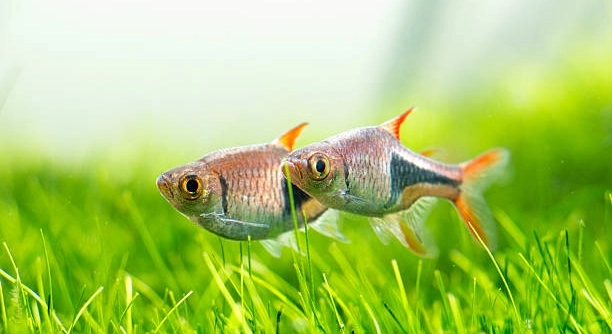
Rasboras are small, peaceful fish that brighten up any aquarium. Many aquarists enjoy watching them swim together in schools. Choosing the right environment can help these little fish feel safe and comfortable in their tank.
Rasboras generally prefer fine, soft substrates such as sand or smooth gravel. These substrates mimic their natural habitats, reduce stress, and allow them to forage easily. Darker-colored substrates are often favored, as they enhance their coloration and natural behavior.
Providing the proper substrate can improve your aquarium’s overall harmony and make your rasboras feel more at home. The right choice supports both their health and natural swimming habits.
Why Substrate Texture Matters
The texture of the substrate in a rasbora tank can significantly affect their comfort and behavior. Smooth, fine sand or small, rounded gravel is ideal because it allows these delicate fish to swim close to the bottom without injuring their fins. Sharp or coarse gravel can scrape their bodies and stress them, which may lead to illness over time. In addition, a soft substrate encourages natural foraging behavior. Rasboras often sift through the sand or gravel in search of tiny food particles. This activity not only keeps them engaged but also reduces boredom and stress. Plants and decorations also stay anchored better in finer substrates, creating a more stable environment. Choosing the right texture is a small step that greatly improves the overall health and happiness of these fish, making them more active and colorful in the tank while keeping their natural instincts intact.
Fine, smooth substrates protect rasboras’ delicate fins and promote natural behaviors, reducing stress and supporting overall health.
Proper substrate also impacts water quality. Finer sand traps fewer particles and reduces waste accumulation, keeping the tank cleaner and more balanced. This setup allows for easier maintenance while supporting plants and decorations, creating an ideal habitat.
Choosing the Right Color
Darker substrates are often preferred for rasboras. They provide a natural contrast, enhancing the fish’s vibrant colors. A lighter substrate can make them appear duller and more stressed in appearance.
Using dark sand or gravel mimics natural rivers and streams, where rasboras usually swim. This choice not only improves their coloration but also gives them a sense of security. The contrast helps highlight their scales, making their movement more visible and appealing. Additionally, dark substrates hide debris and fish waste better, maintaining a cleaner look. When setting up the tank, pairing dark substrates with live plants or driftwood creates a calm, natural environment. The right color choice subtly influences their behavior, encouraging exploration and reducing hiding tendencies. Overall, dark substrates enhance both aesthetics and fish well-being, making your aquarium more enjoyable to watch and easier to maintain over time.
Substrate and Plant Growth
A soft, nutrient-rich substrate supports live plants better than coarse gravel. Healthy plants provide hiding spots and resting areas for rasboras, improving their comfort and overall tank environment.
Plants anchor easily in fine substrates, which helps maintain a natural look in the aquarium. Rasboras enjoy swimming among the plants, using them for shelter and exploration. Nutrient-rich substrates also encourage root growth, keeping plants stable and healthy. Strong plant growth improves water quality by absorbing excess nutrients, reducing algae buildup, and providing oxygen. The combination of fine substrate and thriving plants creates a balanced ecosystem, supporting the health of both the fish and the plants.
Plant growth in the tank also encourages natural behaviors. Rasboras often dart between leaves or use plants as a resting area when feeling threatened. A stable substrate prevents plant uprooting during these activities. Over time, healthy plants enhance the overall aesthetic and liveliness of the aquarium, making it more enjoyable to observe and maintain.
Substrate Maintenance and Cleaning
Regular substrate cleaning prevents debris accumulation, which can impact water quality. Light siphoning removes waste without disturbing the substrate too much.
Fine sand or smooth gravel requires gentle cleaning to avoid compacting or scratching. Over-cleaning can remove beneficial bacteria that help maintain water quality. Using a siphon carefully ensures food particles, fish waste, and other debris are removed while keeping the substrate intact. Maintaining a clean substrate reduces odor and prevents harmful ammonia buildup. A proper cleaning routine supports plant roots and avoids displacing decorations, keeping the tank visually appealing and safe for rasboras. Regular attention also minimizes sudden water quality fluctuations, promoting stable conditions for the fish.
Substrate cleaning should be consistent but moderate. Avoid deep vacuuming that disrupts the ecosystem. Light cleaning keeps nutrients in the sand or gravel, supporting plant health and maintaining a natural tank environment. By balancing cleaning with care, the substrate remains functional and safe, providing a healthy base for plants and a comfortable habitat for rasboras. This approach reduces stress on the fish, allowing them to swim freely and display their colors vividly. Proper maintenance also makes the tank easier to manage over time.
Substrate Depth
A substrate depth of two to three inches works well for rasboras. It allows plants to root properly and provides enough space for natural foraging behavior without compacting the sand.
Deeper substrates can trap debris and make cleaning harder. Shallow substrates may not support plant growth or natural fish activity. Maintaining a moderate depth balances plant stability, fish safety, and easy maintenance.
Combining Substrates
Mixing fine sand with small gravel creates a natural look and variety in texture. Rasboras can choose their preferred areas to swim or forage, and plants still root securely. This combination supports a dynamic, visually appealing tank while keeping the environment comfortable for fish.
Avoiding Sharp Materials
Sharp rocks or coarse gravel can injure rasboras’ delicate fins and bodies. Always choose smooth, rounded materials to ensure safety and reduce stress.
FAQ
What type of substrate is best for rasboras?
Rasboras thrive on fine, smooth substrates such as sand or small, rounded gravel. These materials mimic their natural habitat, reduce stress, and allow them to forage safely. Avoid sharp or coarse substrates, as they can damage fins and make the fish more vulnerable to disease.
Can rasboras live on gravel only?
Yes, but it should be small and smooth. Large, jagged gravel can harm their fins and restrict natural behaviors. Combining gravel with a thin layer of sand improves comfort and supports plant growth. Rasboras often prefer areas where they can gently sift through the substrate.
Does substrate color affect rasboras?
Darker substrates generally enhance rasboras’ colors and make them feel more secure. Light-colored substrates can cause them to appear stressed or dull. A dark substrate also helps hide debris and maintains a clean appearance, which benefits both fish and aquarium aesthetics.
How deep should the substrate be?
A depth of two to three inches is ideal. It allows plant roots to anchor securely and gives rasboras enough space for natural foraging. Deeper substrates can trap waste and make cleaning harder, while shallower layers may not support plants or natural fish activity.
Do live plants need a special substrate?
Yes, nutrient-rich or fine sand substrates work best. They provide stability for roots and encourage healthy plant growth. Healthy plants improve water quality, provide shelter, and reduce stress for rasboras. Mixing sand with small gravel can also create a natural, visually appealing environment.
How often should substrate be cleaned?
Light cleaning every one to two weeks is recommended. Gently siphon debris without disturbing beneficial bacteria. Over-cleaning can harm plants and the tank’s balance, while neglecting the substrate can lead to waste buildup, ammonia spikes, and poor water quality, which stresses the fish.
Can I mix different types of substrates?
Yes, mixing fine sand with small gravel works well. It creates varied textures for the fish to explore and supports plants. Avoid using materials with sharp edges. The combination makes the tank look more natural while keeping it safe and functional for rasboras.
Is substrate necessary for rasboras to thrive?
While they can survive without substrate, it enhances their comfort and natural behavior. Substrate supports plant growth, allows for foraging, and reduces stress. A tank without substrate may require extra decorations or hiding spots to keep the fish feeling secure.
How does substrate affect water quality?
Fine substrates trap less debris, which helps maintain cleaner water. Over time, waste can accumulate in deeper or coarse substrates, causing ammonia or nitrite spikes. A proper substrate also supports plants that naturally absorb nutrients and maintain a balanced environment.
Can rasboras dig in the substrate?
Yes, they naturally forage and explore the substrate. Fine sand or smooth gravel prevents injury during this behavior. Providing a substrate that allows digging keeps the fish engaged, reduces boredom, and supports healthy, natural activity in the tank.
Are there any substrates to avoid?
Avoid sharp, rough, or chemically treated materials. These can damage fins, alter water chemistry, or stress the fish. Always choose natural, aquarium-safe substrates that support both plants and fish for a balanced environment.
How does substrate influence tank aesthetics?
Substrate color and texture impact how vibrant the fish appear and the overall look of the aquarium. Dark substrates highlight rasboras’ colors, while mixed textures create a natural, appealing environment. Proper substrate also complements plants and decorations, enhancing visual appeal.
Can substrate affect plant health?
Absolutely. Fine, nutrient-rich substrates support root growth and anchor plants securely. Healthy plants improve water quality and provide hiding spots for rasboras. Substrate that’s too coarse or shallow may hinder plant growth, affecting both aesthetics and fish well-being.
What is the easiest substrate to maintain?
Fine sand or smooth gravel is easiest to clean. Gentle siphoning removes waste without disturbing the substrate or plants. Avoid substrates that compact easily or trap too much debris, as they require more frequent and difficult maintenance.
Does substrate choice impact fish behavior?
Yes, rasboras feel more secure and exhibit natural behaviors like foraging and schooling with appropriate substrates. Stressful or sharp substrates can make them hide more, swim erratically, or appear less colorful. Choosing the right base promotes calm, active fish.
Can I change the substrate after setting up the tank?
Yes, but it should be done carefully. Remove fish temporarily if needed and clean the new substrate before adding it. Gradual changes reduce stress and prevent disruption to plants or beneficial bacteria in the tank.
How do I choose the right substrate for planted tanks?
Choose nutrient-rich sand or fine gravel that anchors roots easily. Layering with a small gravel top can enhance aesthetics. The substrate should support healthy plant growth while remaining comfortable and safe for rasboras.
Is substrate necessary for breeding rasboras?
While not strictly necessary, fine sand helps protect eggs and provides a natural environment. Breeding success increases when the tank mimics their natural habitat, including appropriate substrate, plants, and hiding spots.
How does substrate affect tank cleaning routines?
A proper substrate makes cleaning easier by preventing deep waste accumulation. Gentle siphoning removes debris while maintaining beneficial bacteria. Coarse or deep substrates require more effort and can disturb plants or fish, making maintenance more challenging.
What is the overall benefit of choosing the right substrate?
Choosing the right substrate ensures fish comfort, supports natural behaviors, improves plant health, and enhances tank aesthetics. It simplifies maintenance, stabilizes water quality, and creates a balanced environment where rasboras can thrive and display their natural beauty.
This FAQ section provides practical, clear guidance to help create a safe, healthy, and visually appealing tank for rasboras. Choosing the right substrate makes a noticeable difference in fish behavior, plant growth, and overall aquarium maintenance.
Choosing the right substrate for your rasboras is one of the simplest ways to improve their overall well-being. A fine, smooth sand or small, rounded gravel is ideal because it protects their delicate fins and allows natural foraging behavior. Rasboras are small, peaceful fish that enjoy exploring the bottom of the tank, so having a substrate they can safely swim and sift through is essential. Sharp or coarse materials can cause stress or injuries, which may lead to illness over time. A properly chosen substrate also helps keep the aquarium looking tidy, reduces waste buildup, and provides a stable base for plants and decorations, supporting a healthier tank environment overall.
Substrate depth and color play important roles as well. A two- to three-inch layer gives plants enough room to root securely and creates a comfortable environment for the fish. Deeper substrates may trap waste, while shallow layers may not support plants or natural behaviors. Darker substrates are generally preferred, as they enhance the fish’s coloration and create a sense of security. Rasboras feel more at ease in a tank that mimics their natural habitat, which in turn encourages active swimming, schooling, and foraging. This small change in tank setup can make a noticeable difference in the behavior and appearance of the fish.
Maintenance is also easier when the right substrate is chosen. Fine sand or smooth gravel allows for gentle cleaning, helping remove waste without disturbing plants or beneficial bacteria. Regular, careful substrate maintenance keeps water quality stable and prevents stress or illness in the fish. Live plants benefit from suitable substrate as well, with healthy roots improving water quality, providing hiding spots, and creating a more natural environment. Overall, selecting the correct substrate is more than just an aesthetic choice—it supports fish health, encourages natural behaviors, and simplifies tank upkeep. Paying attention to these details ensures a balanced, comfortable, and visually appealing aquarium where rasboras can thrive over the long term.

Hello,
If you enjoy the content that we create, please consider saying a "Thank You!" by leaving a tip.
Every little bit helps us continue crafting quality advice that supports the health, happiness, and well-being of pets around the world, for pets of all shapes, sizes, and species.
We really appreciate the kindness and support that you show us!