
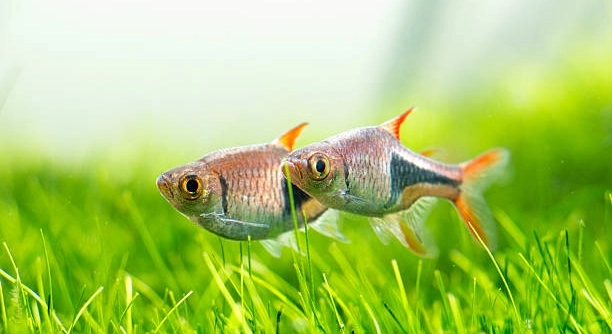
Rasboras are lively, colorful fish often found in community aquariums. Observing them hover at mid-level can catch the attention of many aquarium owners. This behavior is usually consistent and noticeable in healthy, active fish.
Rasboras hovering at mid-level is commonly due to environmental factors such as water temperature, oxygen levels, and tank structure. Ensuring proper conditions and maintaining a balanced environment helps regulate their swimming patterns and overall well-being.
Recognizing the reasons behind this behavior allows you to maintain a healthier, more balanced aquarium environment for your rasboras. It also helps in preventing stress and promoting natural activity patterns.
Common Reasons Rasboras Hover at Mid-Level
Rasboras often hover at mid-level because it is their natural swimming zone. They feel safer away from the tank’s surface and substrate, which reduces stress. Water parameters play a major role in their behavior. Temperature fluctuations can make them adjust their position in the tank to find comfort. Low oxygen levels can also cause them to remain in the mid-section, where circulation is better. Tank layout affects movement, too. Plants, decorations, and hiding spots provide security, encouraging them to stay in the middle. Overcrowding can push fish to seek space where competition is lower. Feeding patterns influence swimming behavior; they may hover waiting for food. Regular monitoring ensures these factors stay balanced. By maintaining clean water, consistent temperature, and adequate oxygen, rasboras will show healthier, more natural movement patterns.
Proper tank setup and consistent conditions help rasboras feel secure and maintain balanced swimming behavior.
Mid-level hovering is usually a sign of adaptation rather than illness. Observing their routine can indicate overall tank health.
Adjusting Your Tank for Comfortable Swimming
Ensuring stable water temperature between 74-80°F promotes normal swimming behavior and reduces stress.
Providing moderate plant coverage and open swimming areas allows rasboras to move freely while feeling protected. Dense planting or floating plants can create a sense of safety. Regular water changes maintain oxygen and remove waste that may affect comfort. Avoid sudden changes in lighting or decoration placement, as rasboras are sensitive to abrupt alterations. Monitoring feeding schedules ensures they are neither overfed nor underfed, which can affect swimming habits. Overcrowding should be avoided to allow room for natural schooling behavior. Observing interactions within the tank helps identify if one area is preferred for rest or exploration. Adjusting these environmental factors carefully encourages rasboras to swim confidently throughout the tank. Consistency and attention to detail in tank management lead to more predictable and healthy movement patterns over time. Small adjustments can significantly improve comfort, reduce stress, and enhance overall fish well-being.
Monitoring Water Quality
Regular testing of water parameters is essential for rasboras’ health. pH, ammonia, nitrite, and nitrate levels must remain stable. Sudden changes can cause stress and unusual swimming patterns. Clean water ensures proper oxygenation, which supports their natural mid-level hovering behavior.
Keeping pH between 6.5 and 7.5 helps rasboras maintain normal activity. Ammonia and nitrite must remain at zero, while nitrates should stay low to avoid toxic buildup. Filtration, partial water changes, and avoiding overfeeding help maintain these levels. Observing fish behavior after water changes can indicate if adjustments are needed. Proper maintenance supports both health and consistent swimming habits.
Temperature consistency is equally important. Sudden drops or spikes can cause lethargy or excessive activity. Aeration or gentle water flow can aid oxygen distribution. Monitoring and addressing water quality prevents stress-related behavior and supports long-term comfort for rasboras, keeping them active and healthy in mid-level areas.
Feeding Practices and Behavior
Overfeeding can lead to mid-water hovering as fish adjust to excess food and waste accumulation.
A balanced feeding schedule ensures rasboras receive proper nutrition without impacting water quality. Feeding small amounts two to three times daily prevents uneaten food from decomposing, which can reduce oxygen levels and affect swimming. Watching their feeding behavior also helps identify stress or illness early. Feeding floating versus sinking foods can influence swimming depth, as fish follow food in the water column. Proper feeding practices maintain healthy energy levels, support schooling behavior, and encourage consistent movement throughout the tank.
Food type also matters. High-quality flake or pellet food, supplemented with occasional live or frozen options, promotes overall health. Nutrient-rich diets help maintain color and vitality, reducing the likelihood of mid-level hovering caused by nutritional stress. Consistent routines make fish feel secure and maintain natural patterns. Adjusting portions based on tank population ensures balanced feeding without affecting water quality, ultimately supporting the fish’s comfort and activity.
Tank Environment and Layout
Dense plants and decorations offer hiding spots, making rasboras feel secure in the mid-level area. Open spaces allow them to swim freely while avoiding stress from overcrowding.
Floating plants create shade, which encourages mid-water hovering. Proper placement of decorations ensures a balanced environment and natural movement patterns.
Schooling Behavior
Rasboras naturally swim in groups, which keeps them centered in the tank. Schooling provides safety and reduces stress, influencing their preference for mid-level areas. Watching them move as a group can indicate comfort and overall health. Properly sized schools ensure stable swimming patterns and balanced activity in the tank.
Lighting Effects
Bright lighting may push rasboras toward shaded mid-level areas. Moderate lighting encourages natural swimming behavior without causing stress.
FAQ
Why do rasboras prefer mid-level swimming?
Rasboras often hover at mid-level because it is the most comfortable and secure area in the tank. This zone allows them to avoid strong currents near filters, maintain stable body temperature, and feel less exposed to perceived threats near the surface or substrate. Dense planting or decorations near the bottom and top also encourage mid-level swimming, as it provides both open space and a sense of security. Observing your rasboras in this area usually indicates they are healthy and adapting well to their environment.
Can water temperature affect their swimming level?
Yes, water temperature has a direct impact on rasboras’ swimming patterns. If the water is too cold or too warm, they may hover in mid-level areas where the temperature is slightly more stable. Sudden temperature fluctuations can cause stress, which often leads to unusual swimming behavior, including staying mid-level for extended periods. Maintaining a consistent range between 74-80°F ensures natural movement and reduces the likelihood of stress-induced hovering.
Does oxygen level influence their position in the tank?
Oxygen concentration affects where rasboras feel comfortable swimming. Low oxygen levels near the bottom or surface may push them toward mid-level areas with better circulation. Proper filtration, gentle water movement, and occasional aeration help maintain oxygen distribution. Watching how your rasboras adjust their swimming can indicate whether oxygen levels are adequate and if adjustments are needed to prevent stress.
Can feeding habits impact their swimming behavior?
Yes, feeding routines strongly influence rasboras’ movement in the water column. They often hover at mid-level while waiting for food or following floating and sinking pellets. Overfeeding can lead to water quality issues, which may also make them spend more time mid-level due to reduced oxygen or discomfort. Consistent, small feedings help maintain normal swimming patterns and overall health.
Does tank size affect their mid-level hovering?
Tank size can influence how rasboras distribute themselves vertically. In smaller tanks, mid-level swimming is more common because there is limited space near the surface or bottom. Larger tanks with proper plant placement and decorations allow more natural movement, but they may still prefer mid-level areas for safety and schooling behavior. Ensuring adequate swimming space is important for maintaining healthy activity and reducing stress.
How does tank decoration affect their behavior?
Plants, rocks, and hiding spots shape how rasboras move in the tank. Dense bottom or top areas encourage mid-level hovering, while open spaces allow more exploration. Floating plants provide shade, making the mid-section more appealing. Balancing decorations and open swimming areas helps rasboras feel secure and supports natural movement throughout the tank.
Are health issues linked to mid-level hovering?
Usually, mid-level hovering is normal, but sudden changes in swimming behavior may indicate health concerns. Stress from poor water quality, illness, or overcrowding can cause prolonged hovering or lethargy. Monitoring appetite, coloration, and interactions with other fish helps identify problems early, ensuring timely intervention and proper care.
How does lighting affect mid-level swimming?
Lighting intensity influences where rasboras feel comfortable. Bright light may drive them to shaded mid-level areas, while moderate lighting encourages even distribution. Adjusting lighting gradually avoids stress and supports natural swimming patterns. Observing their response to light can help determine the best setup for comfort and well-being.
Can mid-level hovering indicate social behavior?
Yes, rasboras are schooling fish and often hover mid-level to stay together. This behavior provides safety, reduces stress, and allows coordinated movement. Proper group size and adequate space encourage natural schooling, promoting healthy mid-level swimming and social interaction.
How can I encourage more active swimming?
To promote activity, maintain stable water parameters, provide open swimming areas, and balance decorations. Adjust feeding, lighting, and tank layout gradually. Ensuring sufficient group size helps rasboras feel secure while exploring different tank levels. Healthy conditions encourage movement and natural behavior throughout the aquarium.
What role does water flow play in their positioning?
Water flow impacts swimming comfort. Strong currents near filters or pumps may push rasboras to mid-level areas with gentler flow. Adjusting filter output or adding areas with calm water allows them to swim naturally, reducing stress and promoting mid-level activity as part of their routine.
Is mid-level hovering a temporary or permanent behavior?
It depends on tank conditions and individual fish. Most rasboras hover mid-level temporarily when adjusting to environmental factors or stress. Stable water parameters, proper feeding, and a balanced layout can normalize swimming patterns, though mid-level hovering remains a natural behavior for security and schooling purposes.
Can temperature stratification in the tank influence mid-level swimming?
Yes, differences in water layers can affect where rasboras swim. They may hover at mid-level where temperature is most stable. Proper heating and circulation help minimize stratification, ensuring comfort and encouraging natural movement throughout the tank.
How do I know if mid-level hovering is normal?
Consistent, calm hovering at mid-level is normal for healthy rasboras. Watch for changes in appetite, color, or interaction with other fish to spot potential problems. Stable swimming patterns combined with normal behavior usually indicate a well-maintained environment.
What maintenance practices support normal swimming behavior?
Regular water changes, temperature monitoring, proper feeding, and maintaining oxygen levels ensure rasboras feel comfortable. Balancing decorations and providing sufficient space for schooling also supports natural mid-level swimming. Consistent care promotes health, reduces stress, and keeps movement predictable.
Does mid-level hovering vary between rasbora species?
Different species may have slight variations in preferred swimming zones. Most rasboras hover mid-level, but some may explore upper or lower levels more frequently. Observing species-specific tendencies helps tailor tank setup to support natural behavior and comfort for each type of rasbora.
Final Thoughts
Rasboras are naturally active and social fish, and their mid-level hovering is usually a normal part of their behavior. This position provides a sense of security and comfort, allowing them to avoid strong currents near filters and maintain stability in temperature and oxygen levels. Most of the time, mid-level swimming is not a cause for concern, especially when the fish appear healthy, feed normally, and interact with other tank mates. Observing rasboras over time gives insight into their routine and helps identify any deviations that might indicate stress or environmental issues. Small changes in behavior can often signal a need to check water quality, tank layout, or feeding practices before problems become serious.
Maintaining stable water parameters is key to encouraging normal mid-level swimming. Rasboras thrive in temperatures between 74-80°F with a pH range of 6.5-7.5, low ammonia and nitrite, and controlled nitrate levels. Proper filtration and regular partial water changes prevent waste accumulation and maintain oxygen levels. Tank decorations, plants, and hiding spots contribute to their sense of security, influencing where they choose to swim. Even lighting plays a role, as too bright or too dim light can affect their preferred location in the water column. Careful attention to these factors allows rasboras to swim comfortably and reduces stress-related behaviors, ensuring a healthier and more vibrant tank environment.
Feeding practices also have a significant impact on swimming behavior. Consistent feeding schedules with small, appropriate portions encourage natural activity and reduce the tendency to hover excessively in one area. High-quality flake or pellet food, supplemented occasionally with live or frozen options, supports overall health, coloration, and energy levels. Schooling behavior is another important factor; rasboras feel safer moving together in a group, which naturally keeps them centered in the tank. By observing their interactions and adjusting the tank environment as needed, it is possible to maintain a balance that promotes comfort, activity, and well-being. Ultimately, understanding the factors that influence mid-level hovering allows you to provide a stable and enjoyable habitat for rasboras, supporting both their health and their natural behavior.

Hello,
If you enjoy the content that we create, please consider saying a "Thank You!" by leaving a tip.
Every little bit helps us continue crafting quality advice that supports the health, happiness, and well-being of pets around the world, for pets of all shapes, sizes, and species.
We really appreciate the kindness and support that you show us!