
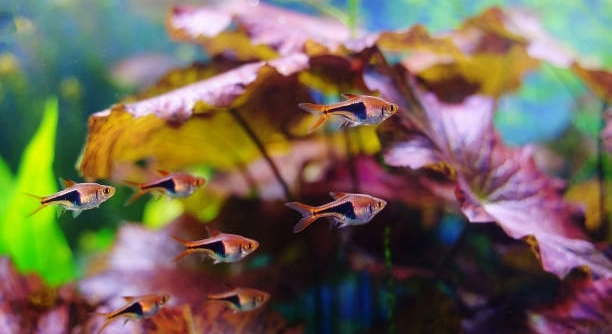
Rasboras are small, lively fish that bring energy and color to any aquarium. Observing them can be relaxing, especially when they swim gracefully through plants and decorations, adding charm to the underwater environment of your home tank.
Rasboras do react to movement outside their tank, often by darting, hiding, or gathering together. These behaviors are instinctive responses to perceived threats, reflecting their natural caution and social tendencies as schooling fish in the wild.
Understanding these responses helps improve tank conditions and interactions, ensuring your rasboras remain comfortable, stress-free, and thriving in their aquatic habitat.
How Rasboras Sense Movement
Rasboras are highly sensitive to changes around their tank. Their eyes are adapted to detect motion, allowing them to respond quickly to anything that might signal danger. When someone moves near the aquarium, they often pause, tilt, or swim in tight schools. This behavior is rooted in their survival instincts. Even small shadows or reflections from outside the tank can trigger subtle reactions. I noticed that my own rasboras react differently depending on the speed and distance of movement. Slow movements often make them curious, while sudden gestures can cause a brief flurry of activity. Their schooling nature adds another layer, as one fish’s reaction quickly spreads to the others. These responses are natural and do not indicate stress unless extreme or prolonged. Adjusting lighting, minimizing sudden hand movements near the tank, and keeping a calm environment can help reduce unnecessary agitation for these sensitive fish.
Rasboras primarily react to movement through schooling and sudden directional changes, a protective instinct that keeps them alert and safe.
Observing this behavior over time helps understand individual temperaments. Some rasboras may dart quickly, while others freeze or hide behind plants. Recognizing these subtle differences allows better tank management and creates a more harmonious environment. By paying attention, it is easier to maintain stress-free conditions that cater to their natural tendencies, ensuring they remain active, healthy, and comfortable in their home aquarium.
Tips to Minimize Stress
Consistent lighting and minimal sudden movements help rasboras feel secure. Maintaining a stable tank environment is key.
Keeping your hand movements slow when near the tank and avoiding tapping the glass are important steps. Adding hiding spots like plants or decorations allows fish to retreat if they feel threatened. Regular feeding schedules help establish routine, which reduces anxiety. Monitoring water quality and temperature ensures the environment supports their natural behavior. Small adjustments can significantly improve their comfort, making interactions less startling and more predictable. Over time, these habits create a calm atmosphere where rasboras can thrive, swim freely, and display natural behaviors without constant reactions to external disturbances.
Common Signs of Rasboras Reacting
Rasboras often show quick darting, sudden freezing, or tight schooling when they notice movement. These signs are natural and indicate alertness rather than distress. Shadows, reflections, or hand gestures near the tank frequently trigger these reactions. Observing these behaviors helps you understand their sensitivity.
Their reactions can vary depending on individual temperament and previous experiences. Some rasboras may hide behind plants at the slightest movement, while others swim cautiously but remain visible. Rapid hand motions or tapping on the glass usually trigger stronger responses. Over time, you begin to notice patterns in their behavior. Understanding these cues allows you to interact around the tank without startling them, keeping them comfortable and maintaining a calmer atmosphere in the aquarium. It is important to recognize that these responses are instinctive, not a sign of illness or weakness.
Adjusting the tank layout can reduce sudden reactions. Plants and decorations provide cover, letting rasboras feel safe. By giving them space and predictable surroundings, they react less sharply to movement outside. Observing quietly and respecting their territory encourages natural swimming and social interaction. Avoiding abrupt gestures helps maintain a relaxed environment and allows them to thrive without unnecessary stress. Over time, you notice calmer patterns and more consistent behavior among the school.
Environmental Factors Affecting Reactions
Tank lighting, water clarity, and placement near high-traffic areas influence rasboras’ sensitivity to movement. Shadows or reflections can trigger sudden activity. Maintaining steady lighting and avoiding glare improves their sense of security.
Noise, vibrations, and sudden motion around the tank contribute to heightened alertness. Moving furniture, tapping the glass, or placing the aquarium near doors can cause repeated stress responses. Regular tank maintenance and a stable environment help minimize these triggers. Over time, rasboras adapt to predictable conditions, reducing exaggerated reactions. Observing their behavior during feeding or cleaning provides insight into which environmental factors cause the most disturbance, helping create a calmer, more stable home for them. Consistency in surroundings and gentle handling improves their comfort and supports natural schooling and swimming behaviors.
Feeding Time and Movement
Rasboras often react more noticeably during feeding, darting toward food quickly. Movement outside the tank can heighten their alertness, making them swim faster or cluster together. Timing interactions around feeding can help reduce unnecessary stress.
Overfeeding or sudden hand movements while adding food can startle them. Observing their reactions allows adjustments to feeding routines. Calm, steady motions encourage natural feeding behavior and minimize agitation. Providing consistent schedules helps rasboras feel secure, reducing the impact of external movement on their daily activities.
Placement of the Aquarium
Placing the tank in a low-traffic area reduces frequent reactions to external movement. High-traffic spots make rasboras more alert and skittish. Positioning away from doors, windows, or direct sunlight helps maintain a stable environment, keeping fish calmer and more comfortable.
Using Plants and Decorations
Dense plants and decorations offer hiding spots. Rasboras use these to retreat when startled. Proper placement supports natural behavior, giving them security.
FAQ
Do rasboras get stressed from movement outside the tank?
Yes, rasboras can experience mild stress when they detect movement outside the tank. Their natural instinct is to respond quickly to potential threats. Quick hand gestures, shadows, or reflections often trigger sudden darting or schooling behavior. These reactions are normal and usually short-lived if the environment is calm. Over time, consistent surroundings and gentle handling reduce the frequency of stress responses.
How can I tell if my rasboras are overly stressed?
Signs of prolonged stress include hiding for extended periods, loss of appetite, and erratic swimming. While short bursts of activity are normal, repeated extreme reactions indicate discomfort. Monitoring their behavior daily helps distinguish natural responses from stress-induced issues. Adjusting lighting, tank placement, and interactions can alleviate excessive stress.
Do all rasboras react the same way to movement?
No, individual temperament affects responses. Some rasboras may freeze or retreat instantly, while others swim cautiously but remain visible. Factors like age, past experiences, and social hierarchy influence reactions. Observing these differences helps manage tank conditions and interactions to suit their unique behaviors.
Will reducing movement around the tank make them calmer?
Yes, minimizing sudden gestures, loud noises, or high-traffic activity around the aquarium helps rasboras feel more secure. Slow, predictable movements allow them to swim naturally without constant interruptions. Over time, calmer surroundings encourage regular schooling patterns and natural exploration.
Can tank setup influence their reactions to movement?
Absolutely. Plants, rocks, and decorations provide hiding spots and visual barriers, reducing perceived threats. Dense vegetation allows shy or nervous individuals to retreat safely. Maintaining clear water and avoiding excessive reflections also minimizes sudden startle responses, promoting a more stable and comfortable environment.
Does lighting affect their sensitivity to outside movement?
Yes, intense or flickering lighting can exaggerate their reactions. Shadows and reflections often confuse rasboras, making them more alert. Soft, consistent lighting reduces sudden behavioral changes and creates a stable atmosphere that supports natural swimming and schooling habits.
Is feeding time a stressful period for rasboras?
Feeding can increase alertness, especially if movement accompanies food delivery. Slow, steady motions during feeding reduce agitation. Over time, consistent feeding routines help rasboras associate movement with positive experiences rather than potential threats.
Do rasboras react differently in large schools versus small groups?
Yes, larger schools often amplify reactions. When one fish reacts to movement, others follow quickly due to schooling instincts. In smaller groups, reactions are more subdued but still noticeable. Understanding school dynamics helps anticipate responses and maintain a calmer tank environment.
Can external reflections cause repeated reactions?
Yes, reflections from sunlight, lights, or shiny objects outside the tank often trigger startle responses. Minimizing reflective surfaces or adjusting tank placement reduces unnecessary activity and helps rasboras feel secure.
How long does it take for them to get used to external movement?
Acclimation varies depending on temperament and environment. With consistent handling and a stable tank, many rasboras become less reactive within weeks. Patience and observation are key to understanding individual tolerance levels and ensuring a comfortable habitat.
Should I move the tank if rasboras are too reactive?
If the current location exposes them to frequent disturbances, relocating to a quieter area can significantly reduce stress. Avoid sudden relocation; gradual adjustments and careful observation ensure they adapt comfortably.
Can water quality impact reactions to movement?
Yes, poor water conditions increase stress and sensitivity. Maintaining clean, stable water reduces exaggerated responses and supports overall health. Filtration, regular water changes, and monitoring parameters like temperature, pH, and ammonia help keep rasboras calm and active.
Do decorations alone make a noticeable difference in behavior?
Yes, plants and hiding spots significantly lower stress responses. Properly arranged decorations create secure zones, allowing rasboras to feel protected. This reduces sudden darting and encourages natural exploration, schooling, and social interactions within the tank.
Are younger rasboras more reactive than adults?
Often, yes. Juvenile rasboras are naturally more cautious and startle easily. As they mature, reactions may become milder, though schooling instincts remain strong. Observing young fish carefully helps provide appropriate cover and reduces early stress.
Can I interact with them without causing stress?
Yes, calm, slow, and consistent movements allow interaction without excessive startle reactions. Observing quietly and avoiding abrupt gestures fosters trust and reduces unnecessary stress, making the tank environment more predictable and comfortable.
Do rasboras react differently to familiar people?
Some do. Fish may recognize repeated patterns and become less startled by familiar handlers. Gradual exposure to routine actions outside the tank reduces exaggerated reactions over time. Consistency in behavior is key to helping them feel secure.
Is tank size a factor in reactions to outside movement?
Yes, larger tanks give more space for fish to retreat and spread out when startled. Smaller tanks may amplify reactions due to limited escape options. Providing adequate space ensures they can respond naturally without constant agitation.
Can rearranging the tank frequently increase reactions?
Yes, sudden changes to decorations or plants can heighten alertness. Rasboras rely on familiar layouts for security. Gradual adjustments or minor changes reduce stress, allowing them to adapt without excessive startle responses.
Do rasboras ever ignore movement outside the tank?
With consistent care and minimal disturbances, many become accustomed to regular movement. Predictable environments and routine interactions reduce unnecessary reactions, allowing them to swim naturally without constant alertness.
How do schooling instincts affect reactions?
Schooling amplifies responses. When one fish reacts, others follow almost instantly. This is protective behavior, ensuring group safety. Understanding this helps predict patterns and manage tank conditions to minimize stress for the entire school.
Can reflections from people walking by trigger reactions?
Yes, moving shadows or reflections often cause sudden darting. Adjusting lighting, using background screens, or repositioning the tank reduces these triggers and helps maintain a calmer, more stable environment.
Are reactions more pronounced during certain times of day?
Yes, rasboras can be more alert during feeding or peak activity periods. Observing daily patterns helps plan interactions, feeding, and maintenance to reduce stress and support natural behavior cycles.
Is it normal for some rasboras to hide while others swim?
Yes, individual differences in temperament mean some will hide while others continue exploring. Recognizing these variations ensures proper tank management and provides security for shy individuals without disturbing active ones.
Do external noises influence reactions to movement?
Yes, vibrations and sudden sounds can trigger darting or freezing. Keeping noise levels low around the tank minimizes additional stress and helps rasboras respond naturally to movement without compounding anxiety.
Does the presence of other fish species affect reactions?
Yes, more active or aggressive species can heighten alertness in rasboras. Choosing compatible tankmates and providing adequate hiding spots reduces stress and prevents exaggerated reactions to both movement and interspecies interactions.
Can temperature fluctuations increase sensitivity?
Yes, unstable temperatures make fish more reactive. Maintaining consistent water conditions helps keep rasboras calm and less likely to overreact to minor disturbances outside the tank.
Are there signs that reactions are harmful?
Persistent hiding, loss of appetite, or constant darting indicate chronic stress. Monitoring behavior and adjusting the environment or care routines can prevent health issues and maintain their well-being.
Does tank transparency influence reactions?
Yes, fully transparent tanks allow more visual stimuli from outside. Using partial backgrounds or frosted panels can reduce stress and provide a sense of security without limiting light or visibility.
Can feeding frequency impact reactions to movement?
Yes, irregular feeding can increase alertness and startle responses. Maintaining consistent feeding schedules helps rasboras associate movement with predictable, positive events rather than potential threats.
Do reflections from aquarium lights affect reactions?
Yes, flickering or intense light can mimic movement. Adjusting lighting angles or using diffused light sources reduces these triggers, promoting calmer swimming patterns and less frequent startle responses.
Is it normal for rasboras to swim faster when someone approaches?
Yes, sudden movements often cause temporary bursts of speed. This is natural vigilance behavior and typically subsides once they realize there is no real threat.
Do rasboras ever completely ignore movement?
Over time, with consistent care and minimal disturbances, some rasboras learn to tolerate predictable motion outside the tank. This allows more natural behavior without constant startle reactions.
Can tankmates influence reactions to movement?
Yes, calm tankmates can reduce overall stress, while reactive companions can amplify alertness. Observing group dynamics helps manage schooling responses and maintain a stable, comfortable environment.
How do I know if adjustments are working?
Gradual reductions in darting, hiding, and sudden schooling indicate positive changes. Regular observation of behavior patterns helps confirm the effectiveness of environmental and interaction adjustments.
Is it common for reactions to vary daily?
Yes, activity levels, lighting, and feeding schedules can cause daily variation. Noticing these patterns allows planning interactions to minimize stress and maintain natural behavior consistently.
Do rasboras recognize repeated movements?
Yes, familiar, slow, and predictable movements are often tolerated. Consistent handling and routines teach them that certain motions are not threats, promoting calmer responses over time.
Can decorations alone calm reactive rasboras?
Decorations help, but must be combined with stable lighting, feeding, and handling routines. Together, these measures significantly reduce stress and encourage natural, relaxed swimming.
Are reflections from glass surfaces a significant trigger?
Yes, reflections often cause darting and sudden schooling. Using backgrounds, diffused light, or strategic tank placement reduces visual triggers and supports calmer behavior.
Does water current influence reactions?
Strong currents can make rasboras more alert, especially when combined with external movement. Gentle, consistent flow reduces unnecessary agitation while supporting natural swimming patterns.
Can consistent routines reduce startle responses?
Yes, predictable feeding, lighting, and interaction routines teach rasboras that movement outside the tank is not always a threat. Over time, reactions become less frequent and less intense.
Do rasboras ever become completely unreactive?
Not entirely. Some responsiveness remains instinctive, but careful management and consistent care significantly lower the intensity and frequency of reactions, making their behavior calmer and more predictable.
How do I balance observation and minimal disturbance?
Watch quietly from a distance, avoid tapping, and move slowly near the tank. Minimal interference allows observation without triggering unnecessary stress, helping maintain a comfortable and stable environment for the rasboras.
Do seasonal changes affect reactions?
Yes, light levels, temperature, and activity patterns can vary seasonally. Monitoring these factors and adjusting care routines helps maintain calm behavior throughout the year.
Can providing more space reduce reactions?
Yes, larger tanks give more room to escape perceived threats, reducing panic reactions and allowing more natural swimming, schooling, and exploration without constant agitation.
Are reactions to movement purely instinctive?
Mostly, yes. Rasboras react instinctively to perceived threats, though repeated exposure to predictable, gentle movement can teach them tolerance and reduce excessive responses.
Do some rasboras never calm down completely?
Some individuals remain naturally cautious, but proper environment, hiding spots, and consistent handling help minimize stress, even in naturally reactive fish.
Can gradual exposure to movement help?
Yes, slow, repeated exposure to predictable gestures teaches them that movement is safe, reducing the frequency and intensity of startle responses over time.
How do I ensure reactions don’t harm their health?
Maintain stable water conditions, proper diet, hiding spots, and gentle handling. Observing for persistent stress signs allows adjustments before health is impacted.
Is it normal for reactions to change as fish age?
Yes, juvenile rasboras are often more reactive. Adults may become calmer, though schooling instincts and natural vigilance persist throughout life.
Do tank backgrounds affect reactions?
Yes, solid or partially covered backgrounds reduce visual stimuli and reflections, lowering startle responses and creating a calmer environment for the school.
Can I train rasboras to ignore movement?
Indirectly, yes. Consistent, predictable handling and exposure reduce exaggerated reactions, teaching them that non-threatening movement is safe. Patience and observation are key.
Does proximity of the observer matter?
Yes, being too close increases startle responses. Observing from a distance, with slow movements, allows natural behavior while minimizing unnecessary reactions.
Can lighting changes at night affect reactions?
Yes, sudden darkness or bright lights can trigger darting. Gradual light transitions help rasboras adapt without excessive startle behavior.
Are reactions to movement stronger in smaller tanks?
Often, yes. Limited space increases perceived threat, making darting or schooling responses more frequent. Providing adequate space reduces stress and allows freer movement.
Do rasboras react to shadows differently than direct motion?
Shadows often trigger brief pauses or darting, while direct motion can provoke stronger schooling responses. Both are natural vigilance behaviors and vary by individual temperament.
How long should I observe them to understand reactions?
Daily, consistent observation for a few weeks provides insight into patterns, triggers, and individual temperament, helping optimize tank conditions and reduce stress responses.
Do reflections from equipment affect behavior?
Yes, reflections from heaters, filters, or glass can startle rasboras. Adjusting placement or using backgrounds minimizes visual triggers, encouraging calmer swimming and schooling.
Can external vibrations increase reactions?
Yes, tapping, walking heavily, or using nearby appliances can cause sudden alertness. Keeping the tank on a stable surface reduces unnecessary stress from vibrations.
Are reactions more pronounced during certain seasons or weather?
Yes, sunlight, temperature, and activity variations can influence alertness. Monitoring these factors helps maintain a stable, calm environment throughout the year.
Do rasboras ever completely ignore reflections or outside activity?
With consistent, predictable routines and minimal disturbances, some may largely ignore external movement, though instinctive vigilance remains.
Can tank location near windows or doors increase reactions?
Yes, frequent motion and changing light near entrances can trigger startle responses. Moving the tank to a quieter area reduces unnecessary reactions and supports calmer behavior.
How do I combine environmental adjustments and handling to reduce reactions?
Provide hiding spots, stable lighting, predictable routines, and slow, gentle handling. Together, these measures minimize startle responses while maintaining natural behavior and social interaction.
Are some rasboras more reactive regardless of environment?
Yes, individual temperament varies. Even with ideal conditions, some fish remain naturally cautious. Proper care and environment help reduce stress and encourage calmer behavior.
Does water temperature stability affect reactions?
Yes, sudden fluctuations increase alertness and stress. Consistent temperature supports calmer behavior and reduces unnecessary startle responses.
Can regular feeding reduce reactions to human movement?
Yes, predictable feeding teaches fish to associate movement with positive events, lowering stress and promoting natural swimming and schooling behavior.
Do tank size and decorations work together to reduce reactions?
Yes, ample space and well-placed plants allow retreat, reduce startle responses, and encourage natural behavior. Both factors complement each other in creating a secure environment.
Can consistent light cycles influence reactions?
Yes, predictable light and dark periods support natural behavior patterns and reduce exaggerated responses to external movement.
Do rasboras react to reflections of other fish outside the tank?
Yes, seeing movement outside can trigger darting or schooling, even if it is only a reflection. Reducing reflective surfaces helps maintain calm behavior.
How can I tell if the tank setup is optimal for minimizing reactions?
If darting, hiding, and startle responses decrease, the setup supports calmer behavior. Observation, gradual adjustments, and attention to light, decorations, and placement ensure optimal conditions.
Does the number of rasboras affect reactions?
Yes, larger groups amplify responses due to schooling instincts. Fewer fish may react less intensely, but individual temperament still plays a role. Proper management balances group dynamics and reduces stress.
Can providing multiple feeding spots help reduce reactions?
Yes, multiple feeding locations reduce competition and sudden darting, making the environment calmer and encouraging natural exploration and swimming patterns.
Do water currents combined with external movement increase reactions?
Yes, strong currents plus outside activity heighten alertness. Gentle, consistent flow reduces compounded stress and supports calmer behavior.
Are reactions stronger in newly introduced rasboras?
Yes, newcomers are often more cautious and reactive. Gradual acclimation, hiding spots, and consistent routines help them adjust and reduce unnecessary stress.
Do seasonal light variations affect startle responses?
Yes, changing sunlight intensity or daylight hours can increase alertness. Adjusting lighting and placement helps maintain stable conditions and calmer behavior year-round.
Can rasboras adapt to consistent human movement?
Yes, over time, predictable, gentle movements are tolerated. They remain alert but show reduced intensity in reactions, demonstrating adaptation to their environment.
Do reflections from aquarium heaters and filters trigger responses?
Yes, shiny surfaces and moving reflections can startle rasboras. Using backgrounds or adjusting equipment placement reduces visual triggers, encouraging calmer swimming.
Can providing multiple hiding spots decrease reactions?
Yes, well-distributed plants and decorations give security, reducing sudden darting and stress responses while promoting natural schooling and exploration.
Does proximity to noise sources influence reactions?
Yes, external vibrations, household noise, or heavy foot traffic can trigger alertness. Placing the tank in a quiet, stable location reduces unnecessary stress.
Are reactions more intense during feeding compared to normal swimming?
Yes, feeding increases alertness and activity. Calm, consistent motions during feeding reduce startle responses and encourage natural behavior.
Do rasboras ever completely stop reacting to external movement?
Not entirely. Even with ideal conditions, instinctive vigilance remains, but consistent care reduces the intensity and frequency of responses significantly.
Can tank maintenance routines impact reactions?
Yes, sudden water changes, cleaning, or equipment adjustments can startle fish. Gentle, predictable maintenance minimizes stress and helps maintain natural behavior.
Do older rasboras react less than younger ones?
Often, yes. Adults are usually calmer, though schooling instincts remain. Juveniles are more sensitive to external movement and startle more easily.
Can gradual introduction of decorations reduce reactions?
Yes, slow additions allow acclimation, helping fish adapt to changes without excessive startle responses. Proper placement encourages natural hiding and swimming.
Do reflections from nearby furniture or windows matter?
Yes, moving shadows can trigger darting. Positioning the tank away from high-traffic areas or reflective surfaces reduces these triggers and supports calmer behavior.
Does consistent feeding help reduce stress responses?
Yes, predictable feeding routines create positive associations with movement, lowering startle reactions and promoting natural swimming and schooling behaviors.
Can water clarity affect reactions?
Yes, murky or overly reflective water can amplify perceived threats. Maintaining clean, clear water reduces exaggerated responses and supports calm behavior.
Do decorations alone prevent stress from movement?
Decorations help but work best alongside stable lighting, consistent feeding, and careful handling.
Rasboras are naturally alert and sensitive fish, and their reactions to movement outside the tank are a normal part of their behavior. They rely on their instincts to detect potential threats, which is why sudden motions, shadows, or reflections often cause darting, freezing, or tight schooling. These responses are not necessarily signs of stress, but rather a reflection of their natural vigilance. Understanding their behavior helps create a more comfortable environment where they can thrive. Observing the subtle differences between individual fish also provides insight into their temperament, allowing for better care and a calmer tank overall. Each rasbora may respond differently, with some hiding quickly while others swim cautiously or remain in plain view. Paying attention to these patterns is key to maintaining their well-being.
The environment surrounding the aquarium plays a significant role in how rasboras react. Lighting, tank placement, water clarity, and surrounding activity all influence their level of alertness. Sudden hand movements, high-traffic areas, or reflective surfaces can trigger exaggerated responses, while a stable, predictable environment minimizes unnecessary reactions. Including plants, decorations, and hiding spots provides security and encourages natural behaviors, giving shy fish places to retreat when startled. Feeding schedules, gentle handling, and calm interactions also contribute to a sense of routine and safety. Over time, consistent care helps rasboras adapt to external movement, reducing the intensity of their reactions without eliminating their natural vigilance. Understanding these environmental factors allows aquarists to create a tank where fish feel secure and behave naturally.
Ultimately, caring for rasboras involves patience, observation, and thoughtful adjustments to their surroundings. Their reactions to movement are instinctive, but they can become less pronounced when fish are given a stable environment with predictable routines. Providing adequate space, appropriate hiding spots, and consistent feeding helps reduce stress and encourages calm behavior. Observing their daily patterns and noting individual differences allows for fine-tuning tank conditions to meet the needs of each fish. While reactions will never disappear entirely, careful management ensures that rasboras remain healthy, active, and comfortable in their home aquarium. Paying attention to these details fosters a balanced and harmonious environment, where fish can thrive, swim naturally, and display their unique behaviors with confidence.

Hello,
If you enjoy the content that we create, please consider saying a "Thank You!" by leaving a tip.
Every little bit helps us continue crafting quality advice that supports the health, happiness, and well-being of pets around the world, for pets of all shapes, sizes, and species.
We really appreciate the kindness and support that you show us!