
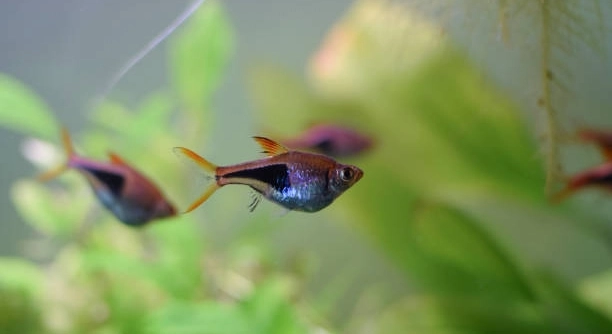
Rasboras are small, active fish that bring life to any aquarium. Observing their behavior can be rewarding, especially when they interact with other tankmates. These interactions often reveal surprising patterns that are not immediately obvious to the casual observer.
Rasboras can learn behaviors from their tankmates through observation and social interaction. They may adopt feeding habits, swimming patterns, or responses to stimuli by mimicking more experienced fish, demonstrating a form of social learning within the aquarium environment.
Understanding how rasboras learn from each other can enhance tank management and promote healthier, more harmonious aquatic communities. This knowledge is valuable for both new and experienced fish keepers.
How Rasboras Observe and Imitate
Rasboras spend a lot of time near other fish, often swimming in groups. I noticed that when one fish discovers food, others quickly follow. They watch each other closely, picking up cues about where to go and when to eat. Over time, this behavior becomes part of their routine. It is fascinating to see them adjust their swimming patterns based on the movements of older or more confident tankmates. Even subtle gestures, like darting toward a hiding spot, are often mirrored. This imitation helps them navigate the tank more efficiently. Social learning is subtle but consistent, influencing how they explore, feed, and interact. In my own tank, I observed that new rasboras quickly adopted these learned behaviors without guidance. This shows that their environment and companions play a crucial role in shaping their daily actions and responses to stimuli.
Rasboras quickly pick up behaviors from others, which makes social observation a key factor in their adaptation and comfort within the tank.
By observing tankmates, rasboras learn much more than just feeding habits. They mimic swimming speed, preferred hiding spots, and even reactions to sudden disturbances. Over time, the group develops a shared rhythm, reducing stress and creating a more stable environment. I found that new arrivals adapted faster when introduced to tanks with established groups. Watching this process unfold highlights how social learning can replace trial-and-error, making survival and daily activity more efficient. The presence of experienced fish acts as a guide, even without intentional teaching. They absorb cues naturally, and this shapes their behavior in subtle ways. Understanding these dynamics allows for better tank planning and can improve overall fish health. Ensuring the tank offers visual and spatial opportunities for observation strengthens these learning patterns. The group setting enhances their confidence, promoting calmer interactions and reducing competition.
Feeding Habits Influenced by Others
Rasboras often adopt the feeding routines of older or more experienced fish, which impacts their diet and growth.
Observing my tank, I noticed that fish learn the best feeding spots quickly. When one discovers food, others follow immediately, reducing wasted time and energy. Over time, this social learning encourages balanced feeding and reinforces positive habits. By placing food consistently, I ensured all fish could benefit from observing each other. This practice also reduces stress, as fish feel guided and secure in their actions. The mimicry extends beyond food; it affects when and where they swim during feeding times. Understanding this pattern makes tank maintenance easier and keeps the group healthy. By recognizing that rasboras respond to cues from companions, caretakers can create a supportive environment that promotes natural behavior and reduces competition. Keeping a close eye on interactions helps identify which habits are spreading and allows for subtle adjustments to encourage proper feeding and social balance.
Recognizing Danger and Stress
Rasboras quickly notice when tankmates act frightened, and they often mimic these reactions. I saw that a sudden dart or hiding behavior spreads rapidly, alerting the whole group. This reaction helps them stay safe and reduces vulnerability in the tank.
Stress responses among rasboras are influenced by social observation. If one fish detects a threat or becomes startled, others follow its lead almost immediately. In my tank, I observed that even minor disturbances, like a shadow passing over the tank, triggered a chain reaction. Fish that were previously calm would swim rapidly or hide, showing how group behavior amplifies awareness. This pattern illustrates that social learning is not limited to positive experiences, but also shapes survival instincts and vigilance. Over time, this learned alertness improves overall resilience, as fish respond collectively rather than individually.
These responses are not just reflexive; rasboras remember and adjust based on repeated experiences with their tankmates. I noticed that after several false alarms, the group gradually became more discerning. They learned which stimuli were genuine threats and which were harmless, demonstrating adaptive social learning. This ability to interpret the environment collectively makes their daily interactions more coordinated. They develop an internal sense of timing and spatial awareness that is influenced by observing older or more experienced fish. The spread of stress cues also affects feeding and swimming patterns, showing that learning from others extends to multiple aspects of tank life.
Encouraging Positive Interaction
Rasboras thrive when they see calm behavior in their tankmates. I noticed that peaceful interactions reduce tension and promote smoother group activity.
Positive social cues influence many aspects of rasbora behavior. When fish interact gently, without aggressive chasing or sudden movements, others quickly mirror this calm approach. In my experience, maintaining consistent tank conditions and avoiding sudden disturbances encouraged more harmonious swimming patterns. New additions adapted faster when existing fish exhibited relaxed behavior. This type of observational learning helps reinforce proper social boundaries, reducing aggression and competition. Group cohesion improves when fish feel safe observing each other, leading to healthier feeding habits and consistent swimming routines. Social learning also extends to exploratory behavior, with confident fish guiding others toward hiding spots or feeding areas. By encouraging positive interactions, I found that the overall tank environment became calmer, allowing each rasbora to develop natural behaviors with less stress.
Learning Through Observation
Rasboras watch their tankmates closely to understand the environment. I noticed that they often follow experienced fish, copying swimming paths and exploring new areas with caution. This observation helps them navigate safely and learn faster than trying everything on their own.
Observing others also influences feeding behavior. Fish quickly notice which areas have food and when it is available. In my tank, new rasboras adapted within days by mimicking the established group, reducing stress and wasted energy. Social learning is subtle but effective, shaping their daily habits naturally and ensuring they feel secure while exploring.
Social Hierarchy and Behavior
Rasboras often follow dominant or confident fish when moving through the tank. This imitation helps maintain group cohesion and reduces conflicts. By observing interactions, they learn which areas are safe and how to behave around others, creating a balanced social structure within the aquarium.
Benefits of Mimicking Tankmates
Mimicking others allows rasboras to adapt quickly to changes. I saw that fish learning from companions avoided unnecessary stress and integrated faster, showing that social learning improves survival and comfort in the tank environment.
FAQ
How quickly do rasboras learn from their tankmates?
In my experience, rasboras start mimicking behaviors within a few days of observing others. New fish often adopt feeding habits, swimming patterns, and hiding strategies by simply watching older or more confident tankmates. The speed of learning depends on the activity level of the group and how frequently interactions occur. In a calm and consistent tank environment, learning is faster and more effective, as the fish have regular opportunities to observe and practice these behaviors without stress or distraction.
Can all rasboras learn the same behaviors, or does it vary by personality?
Not all rasboras learn at the same rate. I noticed that bolder fish pick up new routines quickly, while more timid individuals take longer to follow. Personality affects how much they observe and imitate others. Some fish require repeated exposure to certain behaviors before they fully adopt them, whereas others seem to internalize new patterns immediately. The social structure of the group also plays a role. Fish that feel secure and integrated are more likely to imitate behaviors effectively, while isolated or stressed individuals may lag behind.
Do rasboras only learn positive behaviors from tankmates?
Rasboras can adopt both positive and negative behaviors. For example, if a fish shows calm and confident behavior, others mirror this, promoting peaceful interactions. Conversely, if one fish becomes stressed or overly aggressive, those behaviors can spread, causing tension in the group. I observed that repeated exposure to calm routines eventually overrides negative habits, but short-term stress responses can still influence the tank. Understanding this helps in managing the environment to ensure that positive behaviors are reinforced while minimizing opportunities for negative patterns to develop.
How does tank setup affect learning?
The layout of the tank influences how rasboras observe each other. I found that open spaces make it easier for fish to follow and mimic others, while cluttered or densely planted tanks can slow the learning process. Hiding spots are important, but too many obstacles reduce visibility and limit observation opportunities. Regular placement of food in predictable areas also supports social learning, as fish can watch others feed and quickly adapt their own routines. Tankmates, lighting, and decorations all interact to shape how effectively fish can observe and imitate one another.
Can rasboras learn from other species, or only from their own kind?
Rasboras can pick up certain behaviors from other species, especially if those fish are active and confident. I noticed that in mixed tanks, rasboras often follow more experienced or assertive species during feeding times or when exploring the tank. However, learning is generally faster when observing their own kind, as behavioral cues are more recognizable. Differences in size, swimming style, and feeding habits can affect how well they imitate non-rasbora tankmates. Careful observation of interspecies interactions is useful to ensure that rasboras benefit from positive behaviors without being stressed by incompatible companions.
Does age affect their ability to learn from tankmates?
Younger rasboras tend to learn more quickly, as they are naturally curious and more flexible in adapting new behaviors. I observed that older fish may take longer to adjust to routines they haven’t experienced before, but they can still benefit from observing others. Consistency in the tank environment is especially important for older fish, as sudden changes can confuse them or trigger stress. Combining younger and older fish allows for effective social learning, with the younger ones often adopting patterns faster and older ones reinforcing group stability through experience.
How can I encourage positive learning in my tank?
Promoting a calm and predictable environment encourages learning. I place food in the same spots, maintain regular feeding schedules, and avoid sudden movements or loud noises near the tank. Introducing new fish gradually helps them observe existing routines before being exposed to stress. Social learning is strongest when the group feels safe and has regular opportunities to interact. Observing confident and calm fish first gives newcomers a model to follow. Consistent care and minimizing disruptions allow behaviors to spread naturally, supporting both feeding habits and peaceful interactions within the group.
Will rasboras forget behaviors they learned from tankmates?
Behaviors can fade if the conditions change or if fish are isolated. I noticed that when a fish is moved to a new tank without experienced companions, previously learned feeding or swimming habits may take time to re-establish. Continuous social interaction reinforces learning. Maintaining a stable group allows behaviors to persist and adapt gradually. Occasional reinforcement, like repeated observation of confident fish, helps ensure that skills remain intact, making the tank environment more predictable and reducing stress for all individuals.
Can observing other fish replace direct training or intervention?
Yes, observation can be sufficient for many behaviors. I found that rasboras naturally mimic feeding routines, hiding strategies, and responses to mild stress without any direct intervention. While targeted training is possible, consistent social learning often achieves similar results more naturally. Fish absorb cues passively, and this method reduces stress and creates more authentic group dynamics. Observation alone can establish routines, but reinforcing positive behaviors through careful placement of food or strategic tank layout can enhance the learning process and support overall group cohesion.
How do I know if learning is happening in my tank?
Changes in swimming patterns, feeding efficiency, and group coordination are strong indicators. I watched as new fish quickly matched the movements of established tankmates, reduced hesitation at feeding times, and responded to cues like hiding or exploring areas together. Tracking these patterns over days or weeks shows how behaviors spread and confirms that social learning is occurring. Noticing subtle adjustments, such as faster reactions to food or more synchronized swimming, signals that the fish are internalizing routines and adapting to their environment. Observing these behaviors helps me adjust care and support positive learning.
Final Thoughts
Rasboras are small but intelligent fish that show surprising levels of social learning. Observing their behavior over time reveals that they are not just swimming randomly in the tank. They watch their tankmates closely, copying movements, feeding habits, and even hiding strategies. This ability to learn from others allows them to adapt quickly to changes in their environment. In my experience, new rasboras settle faster when they can observe experienced fish, showing that learning through observation is both natural and effective. Their social learning is subtle but consistent, influencing daily routines, group cohesion, and overall comfort within the tank. The way they interact with each other highlights the importance of creating a stable and predictable environment to support these behaviors.
Social learning among rasboras is not limited to positive behaviors. They can adopt responses to stress or mild threats from other fish, which helps the group respond quickly to potential dangers. I noticed that when one fish darts or hides suddenly, the entire group often mirrors this behavior. Over time, they learn to distinguish between real threats and harmless stimuli, showing a level of adaptive learning. Similarly, they adopt feeding routines by observing when and where others eat. This reduces wasted energy and ensures that all fish get a chance to feed efficiently. The spread of behaviors, whether related to exploration, feeding, or stress responses, shows that social dynamics play a major role in their daily life. Tank layout, consistent feeding, and careful introduction of new fish all contribute to creating an environment that supports learning. By observing their interactions, I realized that even small adjustments in tank conditions can have a noticeable effect on how quickly and effectively they pick up new behaviors.
Creating the right environment for rasboras allows them to thrive both socially and physically. Consistent feeding schedules, open swimming areas, and opportunities to observe confident tankmates help reinforce positive behaviors. I found that peaceful interactions between fish promote calmer group dynamics and reduce stress, which in turn encourages faster learning. Watching them develop routines and adapt to the tank over time demonstrates the benefits of patience and observation as a caretaker. By allowing rasboras to learn from each other naturally, it is possible to support their overall health, social harmony, and daily activity patterns. Understanding their capacity for social learning helps me manage the tank more effectively and ensures that each fish has a safe and enriching environment. These insights show that even small, seemingly simple fish like rasboras are capable of complex interactions that improve their quality of life.

Hello,
If you enjoy the content that we create, please consider saying a "Thank You!" by leaving a tip.
Every little bit helps us continue crafting quality advice that supports the health, happiness, and well-being of pets around the world, for pets of all shapes, sizes, and species.
We really appreciate the kindness and support that you show us!