
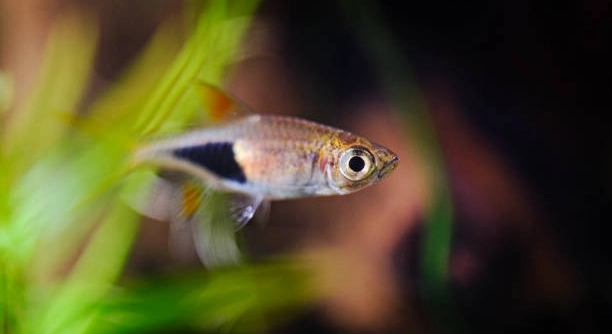
Rasboras are small, delicate fish that can be easily startled by changes in their environment. Their sensitivity to sounds often makes them react suddenly, even to noises humans might consider insignificant. Observing them closely reveals their cautious nature.
Certain high-pitched or abrupt sounds, vibrations from tapping the tank, sudden clattering of objects nearby, the movement of equipment, water splashes, or loud voices can trigger stress in rasboras. Minimizing these stimuli helps maintain their calm and well-being.
Being aware of these triggers ensures a peaceful tank environment. Small adjustments can make a significant difference in rasboras’ daily comfort and behavior.
Sudden Tapping or Knocking
Even gentle tapping on the tank can make rasboras dart in fear. They have delicate bodies and sensitive hearing, which causes them to react instantly to vibrations. A small knock on the glass can startle them, sending ripples through the water and creating unnecessary stress. Over time, repeated disturbances can impact their appetite and swimming patterns. I noticed my own rasboras hiding more often when someone accidentally tapped the tank while walking by. Equipment placed nearby, like filters or heaters, may also transmit vibrations, increasing their anxiety. Maintaining a calm environment and avoiding contact with the tank’s surface can help rasboras feel secure. Consistency in noise levels around the tank allows them to swim naturally without sudden bursts of panic. Observing their behavior after minor disturbances shows how sensitive these small fish truly are. Ensuring the tank is in a quiet corner makes a noticeable difference in their daily activity and comfort.
Even soft taps or knocks can cause significant stress, making it essential to keep the tank area vibration-free and calm.
Rasboras rely heavily on their environment for safety. By reducing surface tapping and nearby vibrations, they swim with ease and display natural schooling behavior. It is helpful to place the tank away from busy areas or heavy foot traffic. Over time, I realized that limiting even minor disturbances improved their feeding habits. Less stress leads to better color and more active swimming. Small adjustments, like softening nearby movements or adding a thick mat under the tank, can significantly reduce transmitted vibrations. These changes create a peaceful atmosphere that allows rasboras to feel secure. Monitoring their reactions when household activity occurs helps identify problem spots. Even routine cleaning can be done with minimal disruption by tapping lightly or moving gently. Their comfort depends on consistent, gentle surroundings that respect their sensitivity.
Loud Voices and Sudden Shouts
Rasboras are startled by raised voices and sudden loud noises. They respond with frantic swimming or hiding behind decorations, showing their natural fear response.
Excessive noise near the tank can elevate stress hormones in rasboras, affecting their overall health. Regular shouting or loud conversations can cause long-term behavioral changes. I observed that keeping talking at normal levels while near the tank maintained calmness. Even temporary loud bursts, like dropping a phone or clattering dishes, caused them to scatter instantly. Over time, repeated loud events can reduce their appetite and disturb their schooling pattern. Stress can also make them more vulnerable to illness and slow their recovery if they are already unwell. Choosing a quieter space for the tank, away from televisions or loud household activity, ensures they stay relaxed. Additionally, speaking softly during feeding or maintenance helps reinforce a sense of safety. Ensuring a predictable noise environment is vital for their daily comfort. A peaceful setting allows them to show natural colors and movements. Creating quiet moments around the tank can strengthen the overall health and confidence of the fish.
Water Splashing
Even small splashes can frighten rasboras. They react immediately, often darting to corners or hiding among plants. Frequent splashing disrupts their calm, making them hesitant to swim freely or feed properly. I noticed mine would freeze or bolt whenever water was poured too quickly.
Excessive splashing from topping off the tank or cleaning can create stress. Rasboras are sensitive to sudden water movement and changes in water levels. When I adjusted my water changes to be slower and gentler, their behavior improved significantly. They began schooling more naturally, exploring the tank, and feeding without hesitation. Rapid splashes can also displace lighter decorations or plants, further disturbing their environment. Gentle handling during water maintenance ensures their comfort. Even subtle waves or bubbles from water changes can be stressful if repeated often, so keeping a controlled routine is important. Observing their reactions after every maintenance helps gauge their comfort and reduces anxiety.
Over time, I realized that small, careful adjustments during water additions made a noticeable difference. Using a cup to pour water slowly and avoiding splashing nearby allowed rasboras to remain calm. Even a minor ripple could startle them, so controlling water movement became essential. Plants and ornaments also provide hiding spots, which help them feel secure when water changes are unavoidable. This routine minimized stress and improved their overall activity levels. They became more confident, swimming in open areas without sudden retreats. I now schedule changes during quieter moments at home, ensuring minimal disturbances. Even when cleaning the tank, I keep movements slow and deliberate. Their comfort relies heavily on gentle handling and minimizing abrupt water motion, creating a stable and reassuring environment.
Movement of Equipment
Filters, heaters, and air pumps can create vibrations that unsettle rasboras. Even subtle humming or shifting can make them dart and hide. Placement and securing of equipment are important to reduce stress. I observed calmer fish after rearranging devices to minimize vibrations.
Properly secured and quiet equipment helps rasboras maintain natural behaviors. Vibrations transmitted through glass or water can trigger flight responses, impacting feeding and schooling. I moved the heater to a corner and added padding under the filter, which reduced stress noticeably. Rasboras are highly sensitive to constant mechanical sounds. A stable setup also prevents sudden disturbances during maintenance. Continuous exposure to vibrations can affect their health over time, making it crucial to monitor equipment performance. Adjusting the flow rate of pumps or air stones prevents strong currents that might startle them. Ensuring filters run quietly and heaters are fixed prevents unnecessary sudden movements. This careful attention to their environment encourages steady swimming patterns and promotes overall well-being.
Loud Objects Dropping
Dropping objects near the tank causes immediate panic in rasboras. They dart to the far side or hide among plants. Even items that make soft noises can startle them, showing how sensitive they are to sudden sounds.
I noticed that when a cup fell near my tank, the fish scattered instantly. Repeated drops created hesitation during feeding and swimming. Keeping the area around the tank clear and handling items gently reduced these sudden reactions. Their behavior improved when noise was minimized, and they became more confident exploring open areas of the tank.
Voices and Household Noise
Raised voices or sudden shouting can trigger rapid swimming and hiding. Rasboras are highly sensitive to these disturbances, affecting their feeding and natural behavior. Keeping noise levels moderate near the tank helps them feel secure.
Tank Lid or Equipment Movement
Shifting a lid or adjusting decorations can make rasboras jump or hide. Even slight movements near the water surface can be stressful, so handling equipment carefully is important.
FAQ
Why do rasboras startle at small sounds?
Rasboras are naturally skittish fish. Their small size and delicate bodies make them highly sensitive to vibrations and sudden noises. Even gentle taps on the tank or minor splashes can make them dart to corners or hide behind decorations. I noticed my fish reacting instantly to tiny knocks, showing just how alert they are to changes in their surroundings. Their sensitivity helps them avoid predators in nature, but in a home tank, it means even subtle noises can cause stress. Providing a quiet, calm environment is essential for their well-being.
Can loud household noise affect rasboras long-term?
Yes, constant exposure to loud voices, shouting, or appliances near the tank can elevate stress hormones in rasboras. Over time, this stress can reduce their appetite, weaken immune responses, and alter their schooling patterns. I observed that my fish became hesitant to swim in open areas when the TV was constantly on nearby. Even short bursts of loud noise can trigger sudden panic, but repeated disturbances create ongoing anxiety. Moving the tank to a quieter location and keeping household noise moderate helps maintain their natural behaviors and overall health.
Do splashes during water changes scare rasboras?
Frequent or abrupt splashing can startle rasboras and disrupt their swimming. I realized that pouring water slowly with a cup instead of a stream made a noticeable difference. Sudden water movement can create waves that frighten them, causing darting or freezing. Gentle handling during water changes, along with providing hiding spots, helps them feel secure. Over time, even minimal ripples can create stress if repeated often, so maintaining a controlled routine is crucial. Careful water additions improve their confidence and make feeding and schooling behaviors more consistent.
How do vibrations from filters and heaters affect rasboras?
Vibrations transmitted through the tank from pumps, filters, or heaters can unsettle rasboras. Even subtle humming or shifting equipment can make them hide or swim frantically. I noticed calmer fish after placing padding under devices and securing heaters in corners. Proper placement and maintenance reduce unnecessary vibrations, allowing rasboras to swim naturally. Adjusting pump flow and checking for loose parts minimizes sudden movements, which helps prevent stress. A stable, quiet setup encourages steady behavior, supports feeding routines, and ensures the fish feel safe throughout the day.
Are sudden drops of objects near the tank harmful?
Dropping objects, even soft ones, can trigger immediate panic. I found that keeping the area around the tank clear and handling items gently reduced these reactions. Repeated disturbances from dropped objects can make rasboras hesitant to explore or feed. They may temporarily lose confidence in open swimming areas, preferring to stay near decorations or plants. Avoiding unnecessary noise and maintaining a calm environment prevents frequent startle responses. Ensuring a secure, predictable surrounding allows them to display normal behaviors, swim freely, and maintain overall health without unnecessary stress.
Can loud conversations impact their behavior during feeding?
Yes, raised voices during feeding can make rasboras scatter or hide. I noticed they were slower to approach food when nearby noise levels were high. Maintaining moderate voice levels and minimal disturbances during feeding helps them feel safe. Over time, calmer surroundings improve feeding responses and encourage natural schooling patterns. Even short periods of loud talking can cause temporary stress, so creating a predictable and quiet environment around the tank ensures the fish remain relaxed and confident. This simple adjustment significantly enhances their daily activity and overall well-being.
Do rasboras need hiding spots to feel secure?
Absolutely. Plants, ornaments, and other decorations provide essential shelter for rasboras. I saw a clear difference in behavior when adding dense plants; the fish became more active and less prone to panic. Hiding spots allow them to recover after minor disturbances, making them feel safe while swimming. Even with careful handling and quiet surroundings, having secure spaces reduces stress. It also encourages natural schooling, feeding, and exploration, allowing them to thrive in a home aquarium without constant fear from environmental changes.
How can I reduce stress from multiple sources simultaneously?
Combining gentle water changes, quiet equipment, minimal noise, and secure hiding spots creates a stable environment. I adjusted my tank setup gradually, monitoring how each change affected the fish. Ensuring consistent routines, using padding under devices, lowering nearby noise, and avoiding sudden movements helped rasboras remain calm. Small, cumulative adjustments make a big difference. Consistent care and attention to their sensitive nature help maintain their health, promote natural behavior, and prevent stress from multiple minor disturbances occurring at once.
Are rasboras more sensitive than other small fish?
Yes, rasboras tend to react more quickly to minor sounds or vibrations compared to some other small fish. I noticed they were the first to dart or hide when someone approached the tank. Their schooling nature and small size make them cautious, and even familiar household noises can cause stress. Providing a calm, predictable environment benefits their daily activity and overall health more than it might for less sensitive species. Consistent care, gentle handling, and quiet surroundings are key to ensuring they feel secure and comfortable.
Final Thoughts
Rasboras are small, delicate fish that rely heavily on their environment for safety and comfort. Their reactions to sudden sounds, vibrations, and movements are natural and instinctive. Even minor disturbances, like tapping on the tank or dropping objects nearby, can startle them instantly. Over time, frequent stress can affect their health, feeding patterns, and overall behavior. Observing how they respond to different situations helps in creating a calm and stable environment. I noticed that making small adjustments, such as lowering noise levels and handling water changes carefully, had a noticeable effect on my fish. They became more confident, swam in open areas, and displayed natural schooling behaviors. Providing a sense of security is essential for their well-being, and attention to these details can make a significant difference in their daily life.
Equipment placement, such as filters, heaters, and air pumps, also plays an important role in maintaining a peaceful tank. Even subtle vibrations transmitted through glass or water can make rasboras hide or swim frantically. I found that securing devices, adjusting flow rates, and using padding helped reduce unnecessary stress. Additionally, decorations and plants serve as valuable hiding spots, allowing the fish to feel safe when minor disturbances occur. Quiet surroundings, consistent routines, and minimal sudden movements encourage calm behavior and prevent panic. Maintaining this balance requires observation and adjustments, but the benefits are clear. Rasboras respond positively to a predictable and gentle environment, which supports feeding, schooling, and overall activity. By minimizing stressors, they show brighter colors and more natural movement, enhancing the visual appeal and enjoyment of the tank.
Daily care and attention are essential in supporting rasboras’ comfort and health. Simple actions, such as pouring water gently during changes, keeping noise to a minimum, and monitoring reactions to household activity, can reduce stress significantly. I noticed that after implementing these small measures, the fish appeared less anxious and more active. Consistent care, patience, and awareness of their sensitivity contribute to a healthy, thriving aquarium. Every aspect of their environment, from water movement to the surrounding noise, affects their behavior. Creating a stable, secure habitat allows rasboras to swim confidently and maintain normal routines without fear. Paying attention to these details not only ensures their well-being but also fosters a more enjoyable and peaceful experience for anyone caring for them. Small adjustments in handling, equipment, and environmental control can have a lasting impact on their health and happiness.

Hello,
If you enjoy the content that we create, please consider saying a "Thank You!" by leaving a tip.
Every little bit helps us continue crafting quality advice that supports the health, happiness, and well-being of pets around the world, for pets of all shapes, sizes, and species.
We really appreciate the kindness and support that you show us!