
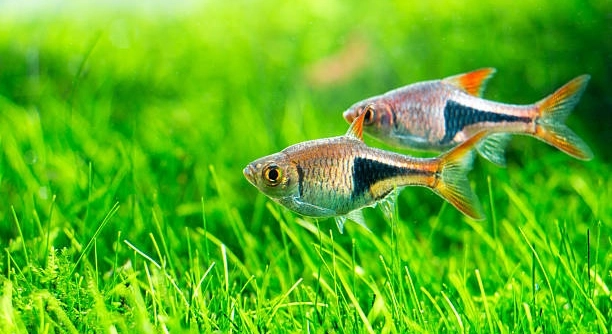
Are your rasboras swimming erratically or hiding more than usual? Many aquarium owners may not realize that these small fish can become overstimulated by their environment. Overstimulation can affect their behavior and overall health in subtle ways.
Overstimulated rasboras often display rapid swimming, sudden darting, frequent hiding, clamped fins, loss of appetite, aggression, or unusual color changes. These behaviors are direct responses to excessive environmental stimuli, indicating stress and potential threats to their well-being in the aquarium.
Recognizing these signs early can help you maintain a calmer, healthier environment for your rasboras and improve their overall quality of life.
Rapid and Erratic Swimming
When rasboras become overstimulated, one of the first behaviors you might notice is rapid or erratic swimming. They may dart across the tank without purpose, bump into decorations, or appear unable to settle. This behavior is often triggered by sudden changes in lighting, excessive tank activity, or the presence of other aggressive fish. Over time, constant overstimulation can lead to exhaustion and weakened immunity. Observing your fish’s swimming patterns regularly can help you detect early signs of stress before they escalate. Providing calmer areas in the tank, like plants or hiding spots, can help reduce this behavior. Gentle changes in their environment and minimizing sudden disturbances often encourage them to regain their normal, smooth swimming. Regular monitoring of water conditions is also essential, as poor water quality can exacerbate overstimulation, making their erratic movements more frequent and intense. Creating a stable, predictable environment helps rasboras feel secure and reduces unnecessary stress.
Erratic swimming is an early indicator of stress and overstimulation in rasboras, showing the need for a calmer tank environment and proper care.
Maintaining steady water temperature, avoiding sudden tank rearrangements, and limiting bright lights are simple steps that can reduce overstimulation. Incorporating dense plants, gentle currents, and quieter tankmates allows rasboras to feel safer. Observing their behavior daily helps identify triggers and prevent ongoing stress.
Frequent Hiding
Rasboras that feel overwhelmed often retreat to hiding spots, staying behind plants or decorations for extended periods. This behavior is a protective response to overstimulation, signaling that the fish are uncomfortable or anxious in their environment. Hiding can also be intensified if other tank inhabitants are aggressive or if the tank lacks enough shelter. Over time, excessive hiding can affect feeding habits and overall health.
Frequent hiding indicates stress and discomfort, requiring adjustments in the tank’s layout or social dynamics.
To reduce hiding behavior, it is important to create a balanced environment with enough cover while ensuring the fish can move freely. Dense plants, small caves, and smooth decorations offer safe spaces without making the tank feel overcrowded. Monitoring tank interactions is crucial, as overly aggressive fish can drive rasboras to retreat frequently. Limiting sudden disturbances, maintaining stable water parameters, and controlling noise or vibrations around the aquarium can also make a noticeable difference. By observing patterns in hiding and adjusting environmental factors, you can help rasboras feel more secure and gradually encourage more natural, visible behavior. Over time, this leads to healthier feeding habits, improved coloration, and a calmer tank atmosphere.
Clamped Fins
Clamped fins are a clear sign that rasboras are stressed or overstimulated. The fins stay close to the body instead of spreading naturally, often indicating discomfort or anxiety caused by environmental factors.
This behavior can be triggered by sudden changes in water temperature, strong currents, or overly bright lighting. Rasboras may also clamp their fins in response to aggressive tankmates or overcrowding. Consistently observing clamped fins can help identify persistent stress. Over time, prolonged fin clamping can weaken the fish, reduce mobility, and make them more susceptible to disease. Addressing water quality, adjusting lighting, and providing calm tank zones can help restore normal fin behavior and improve overall health.
Clamped fins may also appear alongside other stress signs such as hiding, loss of appetite, or color changes. Paying attention to multiple behaviors helps pinpoint the source of overstimulation. Gradual adjustments, including rearranging decorations for safe spaces, limiting disturbances near the tank, and monitoring interactions between fish, are effective ways to reduce stress. Maintaining stable water parameters and avoiding sudden environmental changes encourages rasboras to relax, gradually returning their fins to a healthy, natural position.
Loss of Appetite
Loss of appetite is a common response in overstimulated rasboras, often signaling stress or discomfort in their environment.
When rasboras stop eating regularly, it can indicate that the tank is too stressful, the water quality is poor, or the fish feel threatened by other inhabitants. This behavior affects energy levels and overall health, making early detection important. Providing quiet areas, stable water conditions, and appropriate social groupings can help restore normal feeding. Feeding smaller portions more frequently may encourage eating, while avoiding sudden changes in diet or environment reduces additional stress.
Persistent appetite loss can lead to weight loss, weakened immunity, and slower growth. Observing feeding patterns alongside other stress indicators like clamped fins, erratic swimming, or hiding can reveal the causes of overstimulation. Introducing hiding spots, reducing aggressive interactions, and maintaining steady water parameters all contribute to a calmer environment. Gradually reintroducing regular feeding routines while keeping the tank quiet and predictable helps rasboras regain normal eating habits. Consistency and patience are key, as fish may take several days to resume their usual appetite after experiencing stress.
Sudden Aggression
Rasboras are usually peaceful, so sudden aggression is a clear sign of overstimulation. They may nip fins or chase other fish unexpectedly, showing that their environment is causing stress or anxiety.
Aggression can result from overcrowding, bright lighting, or persistent disturbances. Even minor environmental changes can trigger conflicts among typically calm fish.
Unusual Color Changes
Overstimulated rasboras may display dull or faded colors, or sometimes darker patches appear on their bodies. These changes are a response to stress, signaling that the fish are uncomfortable in their surroundings. Maintaining stable water conditions, minimizing disturbances, and providing hiding spaces can help restore natural coloration.
Frequent Darting
Rapid, short bursts of movement across the tank indicate that rasboras are experiencing overstimulation. This behavior is often triggered by sudden noises, tank vibrations, or aggressive neighbors. Monitoring and adjusting environmental factors can reduce stress and help rasboras swim calmly again.
FAQ
What causes overstimulation in rasboras?
Overstimulation in rasboras is usually caused by environmental factors that are too intense or unpredictable. Bright lights, strong water currents, loud vibrations, or sudden changes in tank setup can make them anxious. Even tankmates that are too active or aggressive can contribute to stress. Overcrowding and insufficient hiding spots often worsen the situation. Monitoring their behavior regularly helps identify the triggers, allowing you to make gradual adjustments to reduce stress and create a calmer environment. A stable, predictable tank with adequate cover is essential for their comfort.
How can I tell if my rasboras are stressed?
Signs of stress in rasboras include erratic swimming, clamped fins, hiding for long periods, loss of appetite, unusual color changes, sudden aggression, and frequent darting. Observing multiple behaviors together provides a clearer picture of overstimulation. Changes may appear gradually, so consistent daily observation is important. Tracking patterns helps determine which environmental factors may be causing discomfort, such as lighting, water flow, or tankmate interactions. Addressing stress early prevents long-term health issues, encourages natural behavior, and improves overall well-being.
What should I do if my rasboras are clamping their fins?
Clamped fins usually indicate discomfort or stress. Check water parameters like temperature, pH, and ammonia levels, as poor water quality can worsen the problem. Reduce strong currents and bright lights, and provide plants or decorations for shelter. Avoid sudden changes in the tank, including rearranging decorations or adding new fish abruptly. Observing other behaviors, such as hiding or reduced appetite, helps confirm the cause. Gradually restoring a calm, stable environment allows rasboras to relax, and over time, fins should return to their natural position.
Why are my rasboras hiding more than usual?
Excessive hiding is a response to stress or overstimulation. Overcrowding, aggressive tankmates, or a lack of cover can drive them to seek shelter constantly. Bright lighting and frequent disturbances, such as tapping on the tank or loud noises, can also increase hiding behavior. Adding plants, caves, or other safe spaces helps rasboras feel secure while allowing them to explore when comfortable. Maintaining steady water parameters and keeping sudden changes to a minimum also encourages normal activity. Observing how often and when they hide helps identify environmental triggers to address.
How can I improve their appetite after stress?
Stress often causes rasboras to stop eating temporarily. To restore appetite, provide a quiet environment with minimal disturbances and consistent lighting. Offer small, frequent meals of high-quality food to encourage feeding. Avoid introducing new foods or tankmates too quickly, as sudden changes can prolong stress. Ensuring hiding spots and calm areas helps them feel secure while eating. Gradually reestablishing a stable feeding routine allows them to regain normal eating habits. Monitoring their response to these adjustments ensures the approach is effective.
Can water conditions affect overstimulation?
Yes, poor water conditions can significantly increase stress in rasboras. High ammonia, nitrite levels, or fluctuating pH can make them more sensitive to environmental changes. Consistent water temperature, proper filtration, and regular water changes are essential. Monitoring water quality ensures a stable habitat, reducing overstimulation and promoting natural behavior. Even subtle changes can trigger stress, so maintaining a calm, clean environment is key to their health and well-being.
Are there tankmates that worsen overstimulation?
Yes, overly active or aggressive fish can increase stress in rasboras. Fast-swimming species or territorial fish may chase or intimidate them, causing erratic swimming, hiding, or fin clamping. Choosing calm, compatible tankmates and avoiding overcrowding helps reduce overstimulation. Observing interactions between species helps determine if adjustments are needed to maintain a peaceful environment. Providing hiding spots and visual barriers can also minimize conflicts and create a secure space for rasboras to thrive.
How long does it take for rasboras to recover from stress?
Recovery time depends on the severity of overstimulation and the steps taken to reduce stress. Minor stress may resolve in a few days once the environment is stabilized. More severe cases, especially with prolonged hiding, appetite loss, or fin clamping, can take weeks to fully recover. Consistent care, stable water parameters, calm tankmates, and a predictable routine accelerate the process. Monitoring behavior regularly ensures recovery is on track and allows adjustments if necessary. Patience is key, as rasboras need time to feel secure again.
Can environmental enrichment help prevent overstimulation?
Yes, providing hiding spots, plants, and gentle water flow can reduce stress. Environmental enrichment helps rasboras feel safe and encourages natural behavior. Gradual introduction of changes rather than sudden alterations prevents anxiety. Keeping the tank predictable while offering areas to explore allows them to remain active without becoming overstimulated. Proper enrichment balances safety and stimulation, promoting overall well-being and healthier behavior patterns.
Rasboras are small, peaceful fish, but they are sensitive to their surroundings. Overstimulation can easily affect their behavior and overall health, making it important to observe their daily activities closely. Rapid swimming, clamped fins, hiding, appetite loss, and unusual color changes are common signs that they are experiencing stress. Each behavior provides a clue about what might be causing discomfort, whether it is water quality, tankmates, lighting, or tank layout. Recognizing these signs early allows you to take steps to create a calmer environment and prevent long-term issues. Monitoring the tank consistently helps maintain a healthy and balanced habitat for your fish.
Creating a stable environment is essential for reducing overstimulation in rasboras. Providing hiding spots, gentle water currents, and appropriate lighting makes them feel secure. Avoid sudden changes in decorations, water parameters, or adding new fish too quickly. Overcrowding should be prevented, and interactions with other tankmates should be observed carefully. Small adjustments can make a big difference, helping rasboras regain normal behavior. Feeding routines should also be consistent, offering high-quality food in small portions. Calm and predictable conditions encourage the fish to explore the tank naturally, return to normal swimming patterns, and restore appetite. These steps ensure that rasboras can live comfortably while maintaining their natural behaviors and vibrant appearance.
Patience and careful observation are key when dealing with overstimulated rasboras. Recovery takes time, and even minor stress can impact their health if not addressed properly. Keeping water clean, maintaining stable parameters, and monitoring interactions with other fish supports their well-being. Overstimulation does not have to lead to permanent health problems when preventive measures are applied. By paying attention to their behavior and adjusting the environment thoughtfully, rasboras can thrive and display natural, healthy activity in the tank. Consistently applying these practices helps ensure a long, comfortable life for your fish, promoting both physical health and mental calm.

Hello,
If you enjoy the content that we create, please consider saying a "Thank You!" by leaving a tip.
Every little bit helps us continue crafting quality advice that supports the health, happiness, and well-being of pets around the world, for pets of all shapes, sizes, and species.
We really appreciate the kindness and support that you show us!