
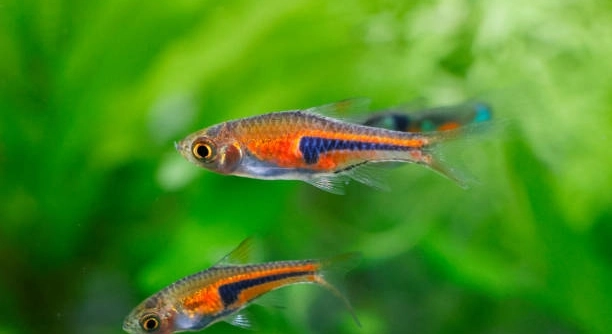
Small tanks can be wonderful homes for rasboras when designed with care and balance. Understanding the features these fish enjoy helps create a calm environment that supports natural behavior and long term health overall stability.
Rasboras thrive in small tanks that provide gentle filtration, dense plant cover, stable water parameters, subdued lighting, open swimming space, and visual security. These features reduce stress, support schooling behavior, improve feeding efficiency, and promote health outcomes in confined systems.
Each feature plays a quiet role in comfort and activity, shaping how rasboras interact, school, and settle within limited space.
Dense Plant Cover
Rasboras feel most comfortable when their tank includes dense plant cover that mimics their natural habitat. Live plants soften light, reduce sharp reflections, and provide gentle barriers that break up open space. This layout helps rasboras school calmly without constant exposure. Plants also support water quality by absorbing waste and releasing oxygen throughout the day. In small tanks, this balance becomes especially important because conditions shift faster. I have noticed rasboras settle quicker and display richer color when surrounded by leaves and stems. They move with purpose instead of darting nervously. Plant cover also creates resting areas where fish can pause without isolating themselves. When arranged thoughtfully, plants allow visibility while still offering security. This balance supports natural behavior and lowers daily stress levels for fish living in confined environments with limited swimming paths and constant visual pressure from tank walls and equipment placed too close together inside small aquariums.
In my own tanks, simple plants like java fern and anubias have made maintenance easier while keeping rasboras relaxed. Even artificial plants can help when arranged densely and cleaned often. Consistency matters more than plant type in limited setups where space and stability must align for calm schooling behavior overall.
Plant placement should focus on the back and sides of the tank, leaving the center open for swimming. This layout prevents crowding while still offering cover. Avoid overpacking plants, as poor flow can lead to debris buildup. Trimming regularly keeps light levels even and prevents decay. Floating plants should be limited, especially in small tanks, since they can darken the water too much. A balanced approach creates comfort without sacrificing cleanliness or visibility. This balance also simplifies cleaning routines and supports stable water parameters over time, which benefits both fish health and keeper consistency in small daily care tasks overall.
Gentle Filtration
Gentle filtration is essential for rasboras in small tanks because strong currents cause stress and constant effort. A steady, low flow keeps water clean while allowing natural swimming patterns to remain smooth and controlled. This balance supports energy conservation and calm schooling within limited tank dimensions and simple filtration setups.
In smaller aquariums, filtration often serves multiple roles at once. It removes waste, circulates oxygen, and stabilizes water chemistry. For rasboras, the key lies in moderation. Sponge filters or adjustable hang on back filters tend to work best. They provide biological filtration without creating harsh movement. I prefer sponge filters because they are quiet and easy to clean. They also reduce the risk of injury to small fish. Flow direction matters as well. Output should be angled toward glass or decor to soften movement. This prevents constant pushing against the school. Regular maintenance keeps filtration effective without sudden changes. Rinsing media in tank water preserves beneficial bacteria. Overcleaning can disrupt balance quickly in small volumes. A gentle, consistent system allows rasboras to feed, rest, and swim without strain. This stability supports long term health and makes daily care more predictable. It also reduces visible stress behaviors such as rapid darting or surface hovering. With proper flow, rasboras remain evenly distributed and responsive during feeding times. This makes observation easier and helps maintain stable routines for long term success in small tanks where consistency affects every parameter daily, including temperature, oxygen levels, and waste concentration within limited water volume over time.
Subdued Lighting
Subdued lighting keeps rasboras calm and visible without overwhelming them. Bright lights increase skittish movement and fading color. Softer lighting mimics shaded streams and helps schooling remain steady. In small tanks, reduced intensity also limits algae growth and supports a relaxed daily rhythm for fish living in confined glass spaces.
Lighting choice affects feeding, rest, and stress levels in rasboras. Low to moderate brightness allows them to explore without panic. I have seen better color retention under adjustable LEDs set lower. Timers help maintain consistency. Sudden light changes often trigger hiding or rapid swimming. In small tanks, stability matters more than intensity. Floating plants or tall stems can diffuse light naturally. Avoid long exposure periods, as extended brightness disrupts rest cycles. Balanced lighting encourages natural movement, predictable feeding behavior, and improved overall condition. This approach keeps maintenance simple while protecting fish comfort over long term care routines at home environments.
Open Swimming Space
Open swimming space allows rasboras to school naturally without constant obstruction. Tight layouts interrupt movement and increase tension. A clear central area supports smooth group motion. I prefer leaving the middle open and placing decor along edges. This structure helps fish coordinate turns, feed evenly, and avoid collisions. In small tanks, even modest open zones improve comfort and visual flow by reducing constant contact with glass walls and equipment placed too close together inside tanks.
Rasboras rely on synchronized swimming for security and communication. When space is blocked, schooling breaks apart and stress increases. Open areas give them room to accelerate and slow as a group. This behavior supports confidence and feeding order. I avoid filling every inch with decor, even when space feels limited. Fewer objects often lead to better behavior. Hardscape should frame, not dominate. Position rocks and wood toward corners to guide flow and movement. This layout also improves observation and cleaning access. Waste settles less in open zones, simplifying upkeep. Over time, fish become bolder and more consistent in activity. A simple, open layout respects their natural movement patterns and supports long term stability within small aquariums where every design choice carries weight for daily welfare.
Stable Water Parameters
Stable water parameters keep rasboras healthy and predictable in small tanks. Sudden changes cause stress and loss of color. Consistent temperature, pH, and hardness support immune function. In limited water volume, even small shifts matter more and require steady monitoring and gentle adjustments over time in home aquariums daily care.
I test water weekly and avoid rapid corrections. Slow changes protect balance and reduce shock. Reliable heaters and matched water during changes help maintain stability. When conditions remain steady, rasboras feed better, school tighter, and show calmer behavior across daily routines in small tanks over long periods at home setups.
Visual Security
Visual security helps rasboras feel protected without hiding completely. Backgrounds, plants, and dark substrates reduce reflections that cause startle responses. In small tanks, exposed glass creates constant motion perception. I use dark backgrounds and side plants to soften edges. This reduces sudden darting and surface hovering. Fish remain visible yet calm. Consistent surroundings help rasboras recognize safe zones and establish movement patterns. This stability improves feeding confidence and group cohesion. Simple visual barriers provide comfort while keeping the tank open, balanced, and easy to maintain over time in small aquariums with limited space exposure to light, movement, and activity daily.
Consistent Temperature
Consistent temperature keeps rasboras active and stable in small tanks. Fluctuations slow metabolism and increase stress. A reliable heater prevents sudden drops overnight. I avoid placing tanks near windows or vents. Stable warmth supports feeding response, color retention, and predictable behavior throughout daily cycles in home aquariums over time consistently.
FAQ
How many rasboras should I keep in a small tank?
Rasboras are schooling fish, so they feel safest in groups of at least six. In very small tanks, crowding can cause stress, so I usually keep eight to ten in tanks of 10 gallons or more. This balance maintains social behavior without overloading the filtration system. Small schools may appear shy or fragmented, while larger groups encourage synchronized swimming and reduce aggressive interactions. Careful observation helps determine if your tank size supports the number you keep. Avoid adding too many at once to prevent sudden spikes in waste or oxygen demand, which small systems handle poorly.
What is the best diet for rasboras in small tanks?
Rasboras thrive on a mix of high-quality flake food, micro pellets, and occasional live or frozen treats like brine shrimp or daphnia. Feeding twice daily in small portions prevents overfeeding and water pollution. I notice fish remain active and vibrant when their diet is varied and balanced. Uneaten food should be removed promptly to prevent ammonia spikes. A consistent feeding routine supports schooling behavior, reduces competition, and maintains color. In small tanks, water quality is closely linked to feeding practices, so slow, measured feeding protects both fish health and tank stability.
How often should I clean a small tank for rasboras?
Water changes of 20-25% weekly are usually sufficient for small tanks with proper filtration. I remove debris from the substrate and rinse filter media in tank water to maintain beneficial bacteria. Overcleaning can disrupt balance and stress the fish. Regular checks of water parameters help ensure ammonia, nitrite, and nitrate levels stay safe. Observing fish behavior can also indicate if cleaning is sufficient or excessive. Keeping the tank stable while maintaining cleanliness improves rasboras’ health, feeding efficiency, and schooling behavior. A predictable routine helps them adapt to minor adjustments without panic.
Can rasboras live with other fish in small tanks?
Yes, but tank mates should be peaceful and similar in size. I avoid aggressive or fin-nipping species. Small tetras, guppies, and Corydoras can coexist if space allows. Overcrowding reduces comfort and increases stress. Each addition should be gradual to prevent sudden water quality shifts. Observing interactions for a few days ensures harmony. In small tanks, every fish affects oxygen and waste levels, so careful planning is key. Choosing compatible species protects schooling behavior and prevents hiding or aggression. A calm, well-structured environment supports natural movement and reduces stress in all inhabitants.
How can I tell if rasboras are stressed in a small tank?
Signs include rapid darting, clamped fins, loss of color, or hiding excessively. I monitor swimming patterns closely, especially during feeding. In small tanks, stress often results from poor water quality, strong currents, or lack of cover. Adjusting plants, flow, or lighting usually restores calm behavior. Consistent daily routines and minimal sudden changes help them feel secure. Stress can also be indicated by uneven schooling or avoidance of certain tank areas. By watching closely, I can correct conditions early, keeping the group healthy and synchronized.
Do rasboras need specific water parameters?
Rasboras prefer slightly soft to moderately hard water with a pH between 6.5 and 7.5. Temperature should remain stable around 72-78°F. I test regularly and make slow adjustments when needed. Stability is more important than exact numbers. Rapid fluctuations can stress fish and encourage illness. Small tanks are particularly sensitive, so even minor parameter changes can have a big effect. Maintaining consistency ensures healthy schooling, vibrant color, and active swimming. Adjusting temperature and pH gradually when needed protects both fish and the tank environment from sudden shocks.
What are the best tank decorations for rasboras?
Live plants, smooth rocks, and driftwood provide security and resting areas while leaving open swimming space. I avoid sharp objects that could injure fins. Decorations should create visual barriers without overcrowding. In small tanks, thoughtful placement allows schooling without constant obstruction. Floating plants can soften light, and low-lying stems create natural lanes. Maintaining a balance between cover and open space supports calm movement and reduces hiding or panic swimming. Consistent setup and gentle placement help rasboras feel safe while keeping the tank functional and easy to maintain.
How important is water flow for rasboras?
Gentle water flow prevents stress and supports oxygenation. I prefer sponge filters or adjustable hang-on-back filters in small tanks. Strong currents tire fish and disrupt schooling. Flow should be directed toward glass or decor to soften movement. Regular maintenance keeps water quality stable without sudden surges. Proper flow encourages even swimming, efficient feeding, and natural behavior. In small tanks, every adjustment affects comfort, so maintaining low, steady currents is essential. By observing movement and behavior, I can confirm that flow supports activity without creating constant effort or distress.
Final Thoughts
Small tanks can be very rewarding for keeping rasboras when the environment is carefully considered. Even though these fish are small, they have specific needs that affect their health and behavior. Providing dense plant cover, gentle filtration, stable water, and open swimming space creates a calm and balanced habitat. Each feature plays a role in reducing stress, supporting schooling behavior, and encouraging natural movement. Observing how your rasboras respond to changes in lighting, decoration, or water flow can help you understand what makes them comfortable. In small tanks, even minor adjustments can have a noticeable effect, so paying attention to detail is important. Creating a stable and predictable environment allows these fish to thrive and display their full range of behaviors.
Rasboras are sensitive to sudden changes in water parameters, overcrowding, and strong currents. Maintaining consistent temperature, pH, and filtration ensures their daily comfort. A gentle, low-flow system keeps them active without exhaustion, while careful feeding and regular maintenance prevent water quality issues. Plants and decorations provide security while leaving central space open for schooling. Over time, these measures make a big difference in how the fish behave, feed, and interact. Even simple steps, like trimming plants or adjusting lighting, can reduce stress and improve overall well-being. When the tank is designed to match their natural preferences, rasboras move freely, maintain color, and establish predictable swimming patterns that make care easier. Small tanks require more attention to balance because conditions can change faster, but this also allows for precise control and a rewarding setup.
Creating a small tank for rasboras is not just about adding water and fish; it is about shaping an environment that supports life and natural behavior. Dense plant areas, visual barriers, and gentle flow work together to provide security while keeping the tank open and functional. Feeding routines, monitoring water quality, and adjusting lighting all contribute to long-term health. Each element matters because rasboras are sensitive and schooling fish. By combining stability, comfort, and careful design, a small tank can become a thriving space where these fish feel secure and active. Over time, attention to these details results in happier, healthier fish that display natural behavior, vibrant colors, and calm schooling. Proper planning, consistent care, and observation are the keys to achieving a balanced, enjoyable small tank environment for rasboras.

Hello,
If you enjoy the content that we create, please consider saying a "Thank You!" by leaving a tip.
Every little bit helps us continue crafting quality advice that supports the health, happiness, and well-being of pets around the world, for pets of all shapes, sizes, and species.
We really appreciate the kindness and support that you show us!