
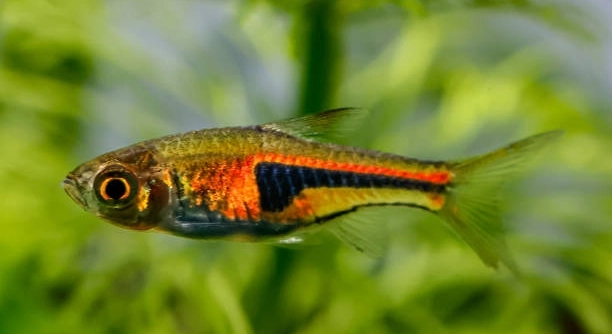
Have you ever noticed your rasboras acting quieter than usual, swimming less, or hiding often in the tank, and wondered if these gentle fish might be experiencing stress or fear in their daily aquatic environment?
Subtle signs of rasbora fear include reduced activity, persistent hiding, tightened schooling, muted coloration, and irregular feeding patterns. These behaviors commonly arise from environmental instability, inadequate shelter, sudden lighting changes, or perceived threats within shared aquarium spaces and social disturbances.
Recognizing these quiet behavioral shifts helps create a calmer habitat, improving comfort, stability, and overall well-being for sensitive rasboras species.
Behavioral Changes in Fearful Rasboras
Fear in rasboras often appears through small behavioral shifts that are easy to miss during daily tank observation. A previously active fish may remain near plants, hover close to the substrate, or avoid open swimming areas. Schooling patterns can tighten, with individuals clustering closely together for extended periods. Feeding time may become inconsistent, as fearful rasboras hesitate before approaching food or abandon meals entirely. Fin clamping is another subtle indicator, giving the fish a rigid appearance while swimming. These changes usually develop gradually rather than suddenly. When noticed early, they offer valuable insight into how safe the fish feels. Paying attention to daily routines, movement patterns, and interactions allows aquarists to identify fear before it develops into long-term stress that affects overall health. Consistent monitoring builds confidence in care decisions and supports calmer behavior across the entire aquarium environment over time with minimal disruption to established tank balance and stability.
These behaviors rarely occur without reason and often reflect discomfort rather than illness. Observing them together, instead of in isolation, provides a clearer picture of the fish overall emotional state. Small changes matter when assessing fear-related responses in sensitive schooling species kept within shared aquarium environments over extended periods consistently.
Behavioral signs should always be considered alongside physical appearance. Pale coloration often signals prolonged stress, especially when combined with hiding and reduced feeding. Rapid darting movements or freezing in place may also occur when rasboras feel threatened. These reactions are not signs of aggression but rather protective responses. Tracking changes over several days helps separate temporary adjustment from ongoing fear. I have found that keeping brief notes makes patterns easier to recognize. Consistency in observation leads to better decisions, allowing adjustments that restore comfort before stress becomes damaging. Early awareness supports healthier fish and steadier tank conditions over time naturally.
Environmental Triggers That Increase Fear
Environmental factors play a significant role in shaping rasbora behavior. Sudden lighting changes, loud vibrations, and frequent tank disturbances can quickly trigger fear responses, even in otherwise stable setups. Poor water quality and limited cover further intensify unease over time in confined aquarium spaces shared by small schooling fish species.
Rasboras rely heavily on environmental stability to feel secure. Even minor fluctuations in temperature or water parameters can influence their sense of safety. Sparse planting leaves them exposed, increasing hesitation and hiding. Decorations that shift position or reflect excessive light may also cause unease. I have noticed that tanks with consistent layouts promote calmer swimming patterns. Noise near the aquarium, such as slamming doors or constant movement, adds pressure that builds quietly. Overcrowding further reduces comfort by limiting personal space within the school. Introducing new tank mates without gradual adjustment can disrupt established social balance. Maintaining predictable feeding times helps reinforce security. Gentle filtration flow prevents exhaustion while allowing natural movement. When these elements are managed together, rasboras display steadier behavior and improved coloration. Creating a calm setting does not require drastic changes, only thoughtful attention to daily conditions. This approach supports long-term stability and reduces fear-driven responses. Consistency is often more effective than frequent adjustments. Simple routines, stable equipment, and patience allow fish to settle without added strain over weeks of observation. Gradual improvements encourage confidence and support natural behavior patterns across the tank without overwhelming sensitive rasboras during daily care and routine maintenance activities performed with care consistently.
Physical Signs of Stress in Rasboras
Physical signs of fear often appear quietly in rasboras and are easy to overlook. Color fading, clamped fins, and subtle weight loss may develop slowly. Gills may move faster than normal, especially after disturbances, indicating prolonged stress within the tank environment over time without obvious external injury or visible disease.
Fear related stress also affects posture and movement patterns. Rasboras may hover at odd angles or rest near the bottom longer than usual. Sudden freezing, followed by quick darting, often reflects nervous energy rather than play. I have noticed these fish avoid strong light when uneasy, choosing shaded corners instead. Scales may appear less vibrant as pigment production decreases under stress. These physical cues rarely stand alone and usually appear alongside behavioral changes. Observing the fish at different times of day helps confirm whether these signs persist or resolve naturally with improved conditions in a stable aquarium setting over time.
Prolonged fear can weaken the immune response, making rasboras more vulnerable to minor issues. Torn fins may heal slowly, and small marks can linger longer than expected. Appetite reduction contributes to gradual thinning, which is noticeable when viewed from above. I tend to watch body shape closely during feeding. Physical stress signs often worsen if environmental factors remain unchanged. Addressing lighting, cover, and water stability supports recovery. Consistent routines reduce strain on delicate systems. When conditions improve, physical appearance usually recovers before behavior fully normalizes, showing progress even before confidence returns within the aquarium over several weeks of care consistently.
How Tank Setup Influences Fear Levels
Tank setup directly influences how safe rasboras feel on a daily basis. Limited plant cover leaves them exposed, increasing hesitation and hiding. Bright lighting without shaded areas intensifies stress. I prefer balanced layouts with gentle flow and stable decorations. Open swimming space combined with retreat zones supports calm schooling. Sudden layout changes can unsettle established patterns, leading to prolonged tension even when water quality remains stable over time in small community tanks especially indoors environments.
Decor choice and placement matter more than many expect. Tall plants break lines of sight, reducing perceived threats. Driftwood and smooth stones offer shelter without restricting movement. I have found that darker substrates help rasboras display calmer behavior and steadier coloration. Equipment noise also plays a role. Loud filters or bubbling devices create constant disturbance. Consistent background surroundings reduce external stimuli from foot traffic. Leaving the tank sides uncovered can increase reflection stress. Maintaining a familiar layout supports confidence within the school. Gradual adjustments allow fish to adapt without triggering fear responses. Thoughtful setup choices create stability, which is essential for long term comfort and predictable behavior patterns across shared aquarium environments with sensitive schooling species over extended care periods indoors and consistently maintained setups.
The Role of Tank Mates in Rasbora Fear
Tank mates strongly influence rasbora fear levels, especially in mixed community setups with active species. Fast swimmers, fin nippers, or larger fish increase tension. Even peaceful species can cause stress when competing aggressively for food or occupying preferred swimming zones consistently during feeding times and daily movement patterns within tanks.
Rasboras feel calmer when surrounded by similarly sized, gentle fish that respect space. I have noticed better schooling when tank mates share calm temperaments. Overcrowding magnifies fear responses. Balanced stocking reduces competition, allowing rasboras to feed confidently and maintain natural behavior without constant vigilance in shared community aquarium environments daily.
Feeding Habits and Fear Responses
Feeding routines play a quiet but important role in reducing rasbora fear. Irregular feeding times increase anticipation stress, causing frantic movement. Small, frequent meals encourage calmer responses. I stick to predictable schedules and disperse food evenly. This prevents dominant fish from controlling access. Using floating and sinking foods supports natural feeding zones. When rasboras eat without rushing, schooling remains loose and confident. Consistent feeding also helps maintain body condition. Over time, predictable routines reinforce safety, reducing hesitation and hiding behaviors across the tank during daily care and observation periods for sensitive schooling fish kept in small aquariums with stable conditions.
Maintenance Practices That Reduce Stress
Routine maintenance affects fear levels more than expected. Sudden water changes, aggressive cleaning, or equipment replacement can unsettle rasboras. I perform gentle maintenance on a schedule. Slow movements and partial changes help preserve stability, allowing fish to recover quickly without prolonged hiding or erratic swimming afterward during regular tank care.
How can I tell the difference between normal shy behavior and fear in rasboras?
Rasboras are naturally gentle and somewhat reserved, especially in new environments. Normal shyness usually fades as they adjust, with schooling becoming looser and feeding improving within days. Fear, however, persists. If hiding, color loss, and feeding hesitation continue for weeks, it signals discomfort. I watch consistency. Temporary caution after a change is normal. Ongoing withdrawal suggests stress that needs attention.
Do rasboras become fearful after being moved to a new tank?
Yes, relocation often causes short term fear responses. New surroundings, unfamiliar lighting, and different water conditions disrupt their sense of safety. In my experience, most rasboras settle within one to two weeks if conditions remain stable. Providing plants, dimmer lighting, and minimal disturbance during this period helps speed adjustment.
Can lighting really affect rasbora fear levels?
Lighting plays a significant role. Bright, sudden light increases stress and encourages hiding. Rasboras prefer moderate lighting with shaded areas. I use floating plants or adjustable lights to soften brightness. Gradual light transitions also reduce startle responses, especially during morning and evening hours when fish are most sensitive.
Why do my rasboras hide more after tank maintenance?
Maintenance disrupts their environment through movement, noise, and water changes. Even gentle cleaning can feel intrusive. Hiding afterward is common but should be short lived. I have found that slow movements and smaller water changes reduce this reaction. Stability reassures rasboras more than perfectly clean conditions.
Does schooling size influence fear behavior?
Yes, schooling size matters greatly. Rasboras feel safer in groups of six or more. Smaller groups increase alertness and hiding because individuals lack security. I noticed stronger confidence once I increased group size. Proper numbers encourage natural movement and reduce fear driven behavior across the tank.
Can water parameters cause fear even if fish look healthy?
Absolutely. Slight fluctuations in temperature, pH, or hardness can cause unease before visible illness appears. Rasboras are sensitive to change. I rely on consistent testing rather than visual cues alone. Stable parameters promote calm behavior and steady feeding, even when fish appear outwardly fine.
Is reduced feeding always linked to fear?
Not always, but fear is a common factor. When rasboras feel unsafe, feeding becomes secondary. They may wait for other fish to eat first or abandon food entirely. I observe body language during feeding. Hesitation combined with hiding usually points to stress rather than appetite issues alone.
How long does it take for fearful rasboras to recover?
Recovery depends on the cause. Minor stress resolves within days once conditions improve. Long term fear may take weeks. I focus on consistency rather than quick fixes. Gradual improvement in color and movement often appears before full confidence returns. Patience is essential with sensitive species like rasboras.
Do external noises affect rasboras inside the tank?
Yes, vibrations and loud sounds travel through water easily. Repeated noise can keep rasboras in a constant alert state. I avoid placing tanks near doors or speakers. Quieter surroundings noticeably improve calm swimming and reduce sudden darting behavior over time.
Can fear weaken rasboras over time?
Prolonged fear impacts overall health. Chronic stress suppresses immune response and slows healing. I have seen fish recover physically only after environmental stressors were addressed. Fear does not cause illness directly, but it lowers resistance, making recovery slower when problems arise.
Should I rearrange the tank to help fearful rasboras?
Rearranging can help, but timing matters. Frequent changes increase stress. I prefer small adjustments, such as adding plants or cover, rather than full redesigns. Gradual improvements allow rasboras to adapt without resetting their sense of safety.
Do rasboras show fear differently than other small fish?
Rasboras tend to express fear quietly. Unlike some species, they rarely act aggressively. Instead, they withdraw, fade in color, and reduce movement. This subtlety makes observation important. I rely on routine checks rather than dramatic signs to assess their comfort.
Can fear spread among rasboras?
Yes, fear responses can influence the entire school. One startled fish often triggers group tension. Consistent stressors affect collective behavior. I focus on calming the environment as a whole rather than isolating individuals. Group stability helps restore confidence faster.
Is it better to leave fearful rasboras alone or interact more?
Limited interaction is better. Excessive movement near the tank can prolong fear. I keep observation calm and hands out of the tank unless necessary. Over time, rasboras become more comfortable when they learn disturbances are minimal and predictable.
Does feeding by hand reduce fear?
It can, but only after trust develops. For fearful rasboras, sudden hand movement increases stress. I wait until they feed confidently before attempting closer interaction. Building routine first creates a foundation for calm behavior without pressure.
Final Thoughts
Understanding fear in rasboras requires patience, consistency, and careful observation rather than quick assumptions. These fish communicate discomfort through small changes that often go unnoticed when attention is focused only on visible illness. Behavior, posture, color, and feeding patterns together form a clearer picture of their well-being. Fear rarely appears without reason. It usually reflects environmental instability, social imbalance, or repeated disturbances. When these factors are addressed steadily, rasboras respond positively. I have learned that calm routines matter more than constant adjustments. Stability builds trust within the school and allows natural behavior to return without pressure. Observing daily patterns, even briefly, creates awareness that helps prevent long-term stress. Over time, this awareness becomes instinctive, guiding better care decisions without feeling overwhelming.
Creating a supportive aquarium environment does not require perfection. Small, thoughtful changes often bring the greatest improvement. Gentle lighting, consistent feeding, appropriate tank mates, and predictable maintenance routines work together to reduce tension. Rasboras thrive when they feel secure, not stimulated. Excessive movement, noise, or frequent rearranging undermines that sense of safety. I have found that restraint is often the most effective approach. Allowing fish to adjust at their own pace leads to stronger confidence and steadier schooling. Even when fear is present, recovery is possible with patience. Progress may appear slowly, but subtle improvements signal that conditions are moving in the right direction. Recognizing these signs reinforces the value of consistency over urgency.
Caring for rasboras is as much about observation as action. Fear teaches aquarists to slow down and pay attention to details that matter. When the environment feels calm, rasboras reflect that calm through movement, color, and social behavior. This balance benefits the entire tank, not just one species. Over time, a stable setup reduces the need for intervention and creates a more rewarding experience. Watching rasboras swim confidently, feed without hesitation, and interact naturally confirms that their needs are being met. That quiet confidence is the result of steady care rather than dramatic changes. Maintaining this balance supports long-term health and allows rasboras to display their natural grace within a well-managed aquarium environment.

Hello,
If you enjoy the content that we create, please consider saying a "Thank You!" by leaving a tip.
Every little bit helps us continue crafting quality advice that supports the health, happiness, and well-being of pets around the world, for pets of all shapes, sizes, and species.
We really appreciate the kindness and support that you show us!