
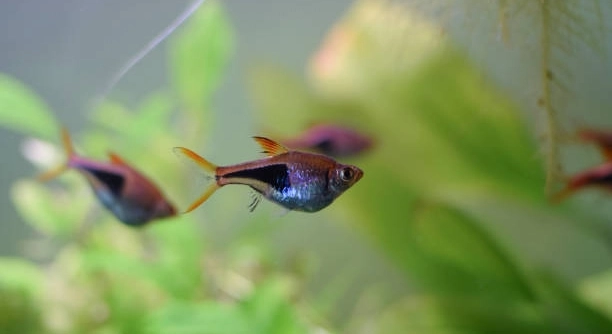
Have you ever raised rasbora fry and noticed early setbacks that slow their growth and survival in home aquariums? These tiny fish are delicate, and small mistakes in care can quickly create avoidable problems overall.
The most common problems affecting rasbora fry include unstable water parameters, inadequate nutrition, improper temperature control, and poor filtration. Additional issues such as overcrowding, stress, and early disease exposure significantly reduce survival rates during critical developmental stages in aquariums environments.
By recognizing these challenges early, aquarists can improve fry care practices and support healthier growth throughout each sensitive stage period.
Unstable Water Parameters
Unstable water parameters are one of the leading reasons rasbora fry struggle during early growth. Fry are extremely sensitive to rapid shifts in temperature, pH, and hardness. Even small fluctuations can disrupt organ development and weaken immune response. In many home tanks, daily evaporation, inconsistent water changes, or untreated tap water create silent stress. I learned early that stability matters more than perfection. Consistent temperature, gentle filtration, and measured water changes provide a safer environment. Using aged water that matches the tank conditions helps reduce shock. Test kits allow early detection of changes before harm occurs. When parameters remain steady, fry spend more energy feeding and growing instead of reacting to stress. This foundation supports stronger swimming ability, improved feeding response, and higher survival rates throughout the first critical weeks of life. Careful observation each day builds confidence and prevents losses that often surprise new breeders in small tanks today.
Stable water conditions are essential for rasbora fry survival and healthy development. Minor changes accumulate quickly in small volumes of water. Maintaining consistency reduces stress, improves feeding behavior, and supports steady growth during early stages. This approach creates predictable surroundings that fragile fry depend on every single day without fail.
Monitoring water parameters does not require complex equipment, but it does require routine. Weekly testing, small scheduled water changes, and temperature checks prevent gradual decline. Avoid sudden adjustments meant to fix problems quickly. Slow corrections are safer for developing fry. I prefer logging results to notice patterns over time. This habit makes responses calmer and more accurate. When stability becomes part of daily care, losses decrease and growth becomes noticeably even. Fry appear more active, feed more reliably, and transition into juveniles with fewer setbacks. These improvements reflect consistent care rather than chance or short term corrections in home aquariums.
Inadequate Nutrition and Feeding Practices
Inadequate nutrition limits rasbora fry growth from the start. Fry require frequent, appropriately sized food to develop properly. When meals are too large, too scarce, or lacking variety, growth slows and survival drops quickly. This issue often appears quietly before visible weakness or losses occur within small breeding tanks daily.
Rasbora fry have small mouths and fast metabolisms, making feeding strategy critical. Newly hatched fry benefit from infusoria, liquid fry foods, or finely powdered options during the first days. As they grow, freshly hatched brine shrimp and micro foods support stronger development. Feeding small amounts several times daily prevents waste while meeting energy needs. Overfeeding clouds water and adds stress, while underfeeding weakens growth. I aim for light feedings where food disappears within minutes. Variety matters because no single food provides complete nutrition. Rotating live and prepared foods improves coloration, fin development, and activity. Observing fry during feeding reveals whether portions are appropriate. Active hunting and full bellies signal success. Consistent feeding schedules help fry adapt and feed more efficiently. With proper nutrition, fry grow evenly and handle environmental changes better. Strong early nutrition reduces losses and shortens the time needed to reach juvenile stages in home aquariums. This balance takes patience and observation, especially during early days. I adjust portions as fry mature, watching size differences closely. When nutrition is correct, behavior becomes uniform and stress signs fade. Feeding remains simple, repeatable, and effective for long term success in small home tanks with limited space and resources available daily.
Improper Temperature Control
Improper temperature control quickly affects rasbora fry health. Temperatures that swing even slightly can slow digestion, weaken immunity, and reduce activity. Fry rely on consistent warmth to develop properly. Sudden heater adjustments or room temperature changes often cause stress that is not immediately visible during early growth stages of life.
Rasbora fry thrive best between stable, species appropriate temperature ranges. When water is too cool, metabolism slows and feeding response weakens. Excess heat reduces oxygen levels and increases waste buildup. I keep heaters guarded and calibrated to prevent spikes. Using a thermometer allows quick checks throughout the day. Placing tanks away from windows and vents prevents sudden shifts. Gradual adjustments protect developing organs and reduce shock. Consistent warmth supports digestion, steady growth, and predictable behavior. Temperature stability also improves resistance to common early infections. This simple control step often determines whether fry survive beyond the first weeks of early life.
Poor temperature habits often stem from trying to fix problems too quickly. Sudden increases meant to boost growth usually backfire. I learned that patience protects fry better than constant adjustment. Set the heater once and monitor instead of reacting. Nighttime drops are especially harmful in small tanks. Insulating the aquarium and maintaining room consistency helps. Stable temperature reduces stress behaviors like clamped fins and lethargy. When fry feel secure, they feed more consistently and grow evenly. Long term success depends on resisting unnecessary changes and trusting stable conditions during early developmental stages of captive bred rasbora fry care routines overall.
Overcrowding and Limited Space
Overcrowding limits rasbora fry growth by increasing competition and stress. Too many fry in one tank leads to uneven sizes and weaker individuals. Waste accumulates faster, affecting water quality. I prefer fewer fry per container to allow proper movement and feeding access. Adequate space supports stronger swimming, better oxygen intake, and calmer behavior during early development stages when raising rasbora fry in small home aquariums without overcrowding issues developing unnoticed over time indoors often daily.
Limited space forces fry to compete for food, which favors faster growers and leaves smaller ones behind. Size differences increase quickly, leading to stress and reduced survival. Separating fry by size helps maintain balance. I move growing groups into larger tanks as soon as possible. Gentle filtration prevents debris buildup without pushing fry around. Overcrowded tanks require more frequent maintenance, increasing disturbance. Providing space allows fry to explore, feed calmly, and rest properly. Growth becomes more uniform and losses decline. Planning tank capacity before breeding prevents this issue. Space management remains one of the simplest ways to improve long term fry outcomes within small scale breeding setups kept indoors where space limits are often overlooked early on by keepers managing multiple spawns simultaneously at home.
Poor Filtration Choices
Poor filtration affects rasbora fry by allowing waste to build up while creating unnecessary water movement. Strong currents exhaust fry and limit feeding success. I use gentle sponge filters to balance cleanliness and calm flow, keeping water clear without pushing fragile fry around constantly during early growth stages at home.
Over filtration is just as harmful as no filtration at all. Power filters often trap fry or stress them. I avoid frequent media changes and rinse sponges in tank water, preserving beneficial bacteria that keep conditions stable for developing fry and supporting consistent water quality over time in small tanks.
Stress and Environmental Disturbances
Stress impacts rasbora fry more than most visible issues. Loud vibrations, sudden lighting changes, and frequent netting disrupt feeding and growth. I keep tanks in quiet areas with low foot traffic. Consistent lighting schedules prevent startle responses. Handling is limited to necessary maintenance only. Even tapping glass can cause panic swimming and exhaustion. Covering tank sides helps fry feel secure. When stress levels remain low, fry show stronger appetites and smoother growth patterns. Calm surroundings reduce energy loss and support immune strength during early development. This simple adjustment often improves survival without changing equipment or feeding routines in home aquariums.
Early Disease Exposure
Early disease exposure spreads quickly among rasbora fry due to weak immunity. Poor water quality and stress increase risk. I remove sick fry immediately and maintain clean conditions. Preventive care, not treatment, offers the best protection during sensitive early stages when raising fry in small, closed aquarium systems at home.
What is the ideal water temperature for rasbora fry?
Rasbora fry grow best in stable temperatures between 24°C and 28°C. Small fluctuations can stress fry and slow growth. I maintain a consistent heater setting and check it daily with a thermometer. Avoid placing tanks near windows or vents to prevent sudden changes. Consistent warmth supports metabolism, feeding, and overall health during the first critical weeks.
How often should I feed rasbora fry?
Fry require frequent, small meals to grow properly. I feed several times a day using infusoria, liquid fry food, or finely powdered options during the first week. As they grow, I gradually introduce freshly hatched brine shrimp and micro foods. Overfeeding is harmful, so I ensure food disappears within a few minutes. Consistent feeding helps fry develop evenly and reduces competition between faster and slower growers.
What type of filtration works best for fry?
Gentle sponge filters are ideal because they clean water without creating strong currents that exhaust or trap fry. I avoid power filters for small tanks because they can harm delicate fry. Regularly rinsing sponges in tank water preserves beneficial bacteria and maintains water quality. This simple setup reduces stress while keeping the environment safe and stable.
How can I prevent overcrowding?
Overcrowding increases competition for food and raises stress levels, which slows growth. I separate fry by size or move growing groups into larger tanks when possible. Maintaining adequate space allows each fry to feed and swim comfortably. Careful planning of tank capacity before breeding helps prevent overcrowding and reduces unnecessary stress on fragile fry.
What signs indicate my fry are stressed?
Clamped fins, lethargy, erratic swimming, and poor appetite are common stress indicators. I monitor behavior closely and adjust lighting, water movement, and handling practices when needed. Calm surroundings and consistent routines make a noticeable difference in growth and survival. Low-stress conditions strengthen immunity and improve overall fry health during early development.
How do I manage early disease exposure?
Diseases spread quickly in fry because their immunity is weak. I keep water clean and remove sick fry immediately to prevent contamination. Quarantining new fry or stock before adding them to the main tank reduces risk. Preventive care, including stable water parameters and low stress, is far more effective than treating illness after it appears.
What is the best way to acclimate new fry?
Slow acclimation is crucial. I float the bag in the tank water and gradually mix small amounts of tank water over 30–60 minutes. Rapid changes in temperature or water chemistry can shock fry and reduce survival. Patience during acclimation gives fry a stronger start and reduces losses during early days.
Can I use tap water for raising fry?
Tap water is acceptable if properly treated and matched to tank parameters. I always use a water conditioner and let the water sit for 24 hours before introducing fry. Testing pH, hardness, and temperature ensures stability. Sudden chemical changes or chlorinated water can harm delicate fry and disrupt early development.
How do I handle differences in fry growth rates?
Size differences appear quickly, and slower-growing fry can be outcompeted. I separate larger fry from smaller ones when needed and feed carefully to ensure all fry get access to food. Proper space, nutrition, and gentle handling help reduce growth disparities and improve survival for every individual.
What routine maintenance helps fry thrive?
Consistent small water changes, gentle filtration checks, and temperature monitoring make a big difference. I avoid disturbing fry unnecessarily, and keep lighting schedules predictable. Logging water parameters helps detect trends early. Simple, steady maintenance supports growth, reduces stress, and prevents problems before they become serious.
How long before fry reach juvenile stage?
Depending on species and care quality, rasbora fry typically reach juvenile stage in 6–8 weeks. Proper temperature, nutrition, low stress, and stable water parameters speed development. Patience is key; rushing feeding or tank adjustments often harms growth rather than improving it. Steady care produces healthier, stronger juveniles ready for larger tanks.
What foods should I rotate for better growth?
Rotating foods ensures balanced nutrition. I use infusoria or liquid fry foods at first, then add freshly hatched brine shrimp, micro worms, and finely powdered prepared foods as fry grow. Variety improves fin development, coloration, and activity levels. Observing feeding behavior helps adjust portions and rotation to meet needs for optimal growth.
How do I avoid wasting food in fry tanks?
Overfeeding clouds water and stresses fry. I feed amounts that disappear within minutes. Watching fry consume meals allows me to adjust portion sizes. Small, frequent feedings prevent decay and keep water quality high. This simple habit improves growth, reduces disease risk, and keeps the tank environment stable for developing fry.
Can lighting affect fry health?
Yes, sudden changes or overly bright lights stress fry. I use consistent, moderate lighting and provide shaded areas or plants for shelter. Calm light conditions encourage feeding and resting. Gradual changes during maintenance or water changes reduce panic and exhaustion, supporting steady growth and stronger immune response during early stages.
What is the most common mistake new breeders make?
New breeders often focus on feeding or equipment without maintaining stability. I learned that water consistency, temperature control, and stress reduction outweigh flashy setups or frequent interventions. Patience, observation, and steady routines produce healthier fry and higher survival rates than constant adjustments or overhandling in the first critical weeks.
Raising rasbora fry can be challenging, but understanding the main issues makes the process more manageable. These tiny fish are delicate, and even small mistakes in water quality, feeding, or handling can affect their survival. Many common problems, such as unstable water parameters, improper nutrition, and overcrowding, are preventable with careful planning. By focusing on stability and routine, fry are more likely to grow evenly and develop into strong juveniles. Observing their behavior daily allows you to catch early signs of stress, poor feeding, or disease before it becomes serious. Small, consistent efforts often lead to better results than occasional intense interventions.
Maintaining a healthy environment requires attention to temperature, filtration, and tank space. Fry need stable warmth to support metabolism and growth. Gentle sponge filters provide clean water without creating strong currents that exhaust or harm fry. Overcrowding creates competition and increases stress, so separating groups or moving fry to larger tanks as they grow improves outcomes. Proper feeding is also critical, with small, frequent meals that match the fry’s size and nutritional needs. Rotating foods like infusoria, brine shrimp, and finely powdered options ensures balanced development and healthy fin and body growth. Avoid overfeeding, which can cloud the water and increase waste, and underfeeding, which weakens fry and slows growth.
Stress and disease are other key concerns for rasbora fry. Even minor disturbances, such as loud noises, sudden lighting changes, or frequent handling, can impact health and growth. Minimizing stress supports stronger immune systems and improves feeding behavior. Early disease exposure spreads quickly in fry, so maintaining clean water and removing sick individuals immediately is essential. Slow, careful acclimation to new water and environments reduces shock and supports survival. Overall, raising rasbora fry successfully depends on patience, observation, and consistent care. By addressing common problems and creating stable conditions, fry can grow into healthy, active juveniles ready for larger tanks and long-term care. Consistent routines and attention to detail make all the difference in their early development.

Hello,
If you enjoy the content that we create, please consider saying a "Thank You!" by leaving a tip.
Every little bit helps us continue crafting quality advice that supports the health, happiness, and well-being of pets around the world, for pets of all shapes, sizes, and species.
We really appreciate the kindness and support that you show us!