
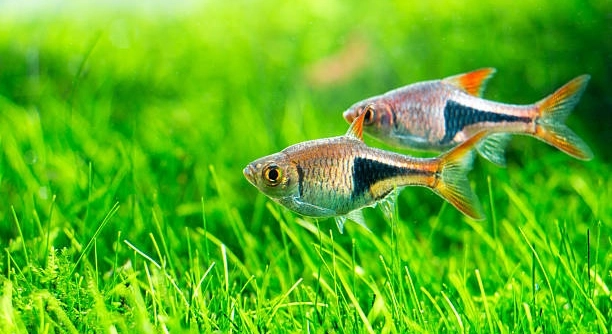
Have you ever considered how gently introducing rasboras into a cycling aquarium supports calm behavior and steady adaptation while protecting water balance, beneficial bacteria, and long term fish health for new and experienced aquarists alike.
Introducing rasboras during a cycle requires controlled stocking, stable temperature, and careful monitoring of ammonia and nitrite levels. Gradual acclimation reduces stress and mortality while allowing beneficial bacteria to adjust efficiently, preserving biological filtration and promoting consistent water quality overall.
Clear guidance helps ensure a smooth transition, supporting healthy rasboras and a stable aquarium as the cycle progresses safely forward.
Understand the Nitrogen Cycle Basics
Understanding the nitrogen cycle is essential before adding rasboras to a cycling aquarium. During this process, beneficial bacteria convert ammonia into nitrite, then into nitrate. Ammonia and nitrite are harmful, even in small amounts. I learned early that patience here prevents losses later. A tank without established bacteria struggles to handle waste produced by fish. Introducing rasboras without monitoring these stages can overwhelm the system. Testing water daily provides clarity and control. Stable temperature, gentle filtration, and proper aeration support bacterial growth. Keeping lighting consistent also reduces stress. Feeding lightly limits excess waste while the cycle stabilizes. This foundation protects rasboras and supports long term balance. Skipping this understanding often leads to unstable conditions that are difficult to correct once fish are affected. Clear planning at this stage creates confidence, reduces guesswork, and helps maintain calm routines that benefit both fish and keeper over time in small home aquariums consistently.
Rasboras thrive when water parameters remain predictable. Small fluctuations are manageable, but sudden spikes cause stress. I rely on test kits to track progress and make informed adjustments, keeping the cycle steady and the environment supportive. Consistency builds resilience and reduces avoidable setbacks during cycling for sensitive schooling fish species.
Cycling tanks benefit from a calm, measured approach. Avoid rushing additions or changes. I prefer waiting for clear test results before acting. Performing small water changes helps dilute toxins without stalling bacterial growth. Avoid overcleaning filters, since beneficial bacteria live there. Gentle maintenance preserves stability. Observing rasboras daily reveals subtle signs of stress or comfort. Active swimming and steady feeding indicate acceptable conditions. This awareness allows timely corrections while maintaining balance. Careful observation paired with restraint often determines success during early aquarium development. These habits become easier with practice and reduce unnecessary interventions that disrupt fragile biological stability early on.
Introduce Rasboras Gradually
Adding rasboras slowly protects both fish and filtration. Introducing only a few individuals allows bacteria to adjust to increased waste. I have found restraint here lowers stress, improves survival, and keeps water readings within manageable limits over several days during early stocking phases to maintain system stability without unnecessary strain.
Gradual introduction begins with proper acclimation. Floating the bag equalizes temperature, while slow water mixing helps rasboras adjust to chemistry changes. I take extra time here, since rushing can cause shock. Once released, lights should remain dim to reduce stimulation. Feeding should be minimal for the first day to limit waste. Observing behavior matters more than adding more fish quickly. Schooling tightly, hiding briefly, and cautious movement are normal early responses. Over several days, increased activity and regular feeding signal adaptation. Testing water daily during this period is essential. If ammonia or nitrite rise, pause further additions and perform small water changes. Spacing introductions gives bacteria time to multiply. This controlled pace supports biological balance and keeps stress low. Introducing all rasboras at once often overwhelms a cycling tank. Slow stocking protects long term health and reduces the need for corrective measures later. Careful timing and observation make this step reliable and repeatable. From my experience, patience here simplifies maintenance, builds confidence, and encourages steady routines. Each measured addition strengthens stability, allowing rasboras to settle calmly while the system matures without unnecessary disruptions over time in small freshwater aquariums with consistent monitoring and restraint during sensitive cycling periods early on.
Monitor Water Parameters Consistently
I test water daily during cycling to catch ammonia or nitrite changes early. Reliable test kits help guide water changes and stocking pace. Consistent records reduce guesswork and prevent sudden corrections that destabilize the tank while rasboras adjust. This habit keeps stress low for me and the fish overall stability.
Daily testing shows when the tank can handle additional waste. Ammonia should remain near zero, while nitrite must stay controlled. If levels rise, I perform small water changes and pause additions. Nitrate increases indicate bacterial progress, but excessive buildup signals maintenance is needed. I avoid large changes that reset stability. Tracking results in a notebook highlights patterns and prevents repeated mistakes. This routine builds confidence and reduces impulsive actions. Over time, readings stabilize, signaling readiness for the next steps without rushing the process. It also helps me respond calmly instead of reacting late to unexpected changes during early cycling phases.
Clear thresholds guide my decisions during cycling. Any detectable ammonia or nitrite means slowing down. I feed lightly to limit waste and watch behavior closely. Clamped fins or hiding signal stress before tests change. Gentle adjustments maintain balance without causing swings. Skipping tests for several days increases risk. Consistency matters more than speed. With routine checks, rasboras remain active and the tank develops steadily, avoiding setbacks that often occur when monitoring becomes irregular or reactive. I have learned patience here saves time later and reduces avoidable losses for both fish health and overall system stability during early tank management periods.
Control Feeding and Maintenance
Feeding restraint is critical while the tank cycles. I offer small portions once daily and remove leftovers promptly. Excess food breaks down quickly, raising ammonia. Light feeding supports bacterial growth without overload. Maintenance remains minimal, focusing on debris removal and gentle water changes only when tests demand action. This approach keeps water stable and helps rasboras settle calmly without unnecessary stress or constant intervention from me during sensitive early cycling stages in small aquariums only.
Cleaning too aggressively disrupts beneficial bacteria. I avoid rinsing filter media with tap water and never replace it all at once. Instead, I swish media in removed tank water when flow slows. Vacuuming focuses on visible debris, not deep substrate cleaning. Small water changes dilute toxins without halting bacterial growth. I schedule maintenance based on test results, not appearance alone. This balance preserves stability while keeping the tank tidy. Over time, routines become predictable, reducing effort. Rasboras respond well to calm conditions, showing steady feeding and schooling behavior as the cycle continues with fewer interventions and more reliable outcomes. I find consistency here prevents setbacks and makes long term care easier overall for both the fish and my routine as the tank matures steadily over.
Maintain Stable Environmental Conditions
I keep lighting and temperature steady to limit stress during cycling. Rasboras prefer stable conditions, not sudden shifts. Consistent light periods reduce algae swings, while steady warmth supports metabolism and bacteria. Small adjustments only happen when tests show need, never abruptly. This approach has worked reliably for me over time.
I avoid chasing perfect numbers and focus on trends instead. Minor variation is normal in cycling tanks. Watching fish behavior alongside test results gives clearer feedback. Calm swimming and steady appetite often matter more than exact readings each day. This perspective keeps my responses measured and consistent over time overall.
Quarantine New Additions When Possible
I quarantine new rasboras whenever possible before adding them to a cycling tank. Observation prevents introducing illness that complicates water stability. A simple bare tank with gentle filtration works well. I watch for appetite, swimming patterns, and external marks. This step also allows slow adjustment to temperature and parameters. Even a short quarantine reduces risk. Skipping it can lead to treatments that disrupt bacteria and stress fish. Taking extra time here protects the main tank and keeps the cycle progressing without unexpected setbacks or added maintenance demands. It also gives me confidence before combining systems under controlled conditions safely first.
Avoid Unnecessary Changes
I limit tank changes during cycling and avoid rearranging decor. Stability helps rasboras feel secure and reduces waste spikes. Once the cycle completes, gradual adjustments become safer. Until then, simple layouts and predictable routines support calm behavior and steady biological development based on my consistent experience over the years keeping.
Can rasboras be added during a fish-in cycle safely?
Rasboras can be added during a fish-in cycle if the process is slow and controlled. I only add a small group and monitor ammonia and nitrite daily. Light feeding and small water changes help manage waste. This method requires patience and consistency, but it can work when water testing guides every decision and no steps are rushed.
How many rasboras should be introduced at one time?
I limit introductions to a few rasboras at a time, usually no more than three to five depending on tank size. Adding too many increases waste faster than bacteria can adapt. Smaller additions allow the filter to adjust gradually. This approach reduces stress and keeps water readings within safe ranges during cycling.
What water parameters matter most during cycling?
Ammonia and nitrite are the most important parameters to watch. Both should stay as close to zero as possible. I also track nitrate to confirm bacterial growth. Temperature and pH should remain stable, even if not perfect. Sudden changes cause more harm than slightly imperfect but steady conditions.
How often should water be tested when rasboras are present?
I test water daily during a fish-in cycle. This routine catches problems early and prevents major corrections later. Skipping tests increases risk, especially in the first weeks. Once readings stabilize, testing can become less frequent. During early cycling, daily testing provides reassurance and clear direction for adjustments.
Is feeding during a cycle different from a fully established tank?
Yes, feeding should be lighter during cycling. I feed once daily and only what rasboras finish quickly. Extra food breaks down into waste and raises ammonia. Light feeding supports fish health without overwhelming bacteria. As the cycle progresses and readings stabilize, feeding can slowly increase.
Do rasboras show signs of stress during cycling?
Rasboras may hide, school tightly, or reduce activity when stressed. I watch for clamped fins, rapid breathing, or loss of appetite. These signs often appear before test results change. Behavior helps guide my actions alongside water testing, allowing early responses without waiting for readings to worsen.
Can water changes slow down the cycle?
Small water changes do not stop the cycle. I use them to dilute toxins when ammonia or nitrite rise. Large or frequent changes can delay progress, but small adjustments protect fish while bacteria continue growing. Balance matters more than avoiding water changes completely during fish-in cycling.
Is filtration important when cycling with rasboras?
Filtration is critical because beneficial bacteria live in the filter media. I avoid replacing or rinsing media with tap water. Gentle flow supports oxygen exchange without exhausting fish. A stable filter setup allows bacteria to establish steadily, which helps manage waste as rasboras settle in.
Should lighting be adjusted during the cycle?
I keep lighting consistent and avoid long photoperiods. Excess light encourages algae and adds maintenance stress. Stable lighting helps fish feel secure and supports routine. I avoid frequent changes until the cycle completes. Predictable light patterns contribute to overall stability during early tank development.
Is quarantine necessary before adding rasboras to a cycling tank?
Quarantine is helpful but not always possible. When I can, I quarantine new rasboras to watch for illness and reduce risk. Introducing sickness complicates cycling and may require treatments that affect bacteria. Even short observation periods lower the chance of setbacks in the main tank.
Can plants help during a fish-in cycle?
Live plants can absorb some waste and support stability. I include easy plants that tolerate variable conditions. They do not replace cycling, but they help buffer ammonia slightly. Plants also provide cover, reducing stress for rasboras during early stages of tank development.
When is the tank considered cycled with rasboras inside?
I consider the tank cycled when ammonia and nitrite consistently read zero and nitrate rises steadily. This stability should last several days without intervention. Once achieved, maintenance becomes easier and feeding can normalize. Reaching this point requires patience and steady routines rather than quick fixes.
Final thoughts on introducing rasboras to a cycling aquarium come down to patience, observation, and restraint. Cycling with fish present requires steady habits rather than quick solutions. I have learned that consistency matters more than perfection. Stable routines, light feeding, and regular testing create an environment where both fish and beneficial bacteria can adapt together. Rasboras respond well to calm conditions, and their behavior often reflects the tank’s overall balance. Watching their movement, appetite, and schooling patterns provides insight that numbers alone cannot offer. When water parameters shift, small adjustments work better than drastic changes. This approach reduces stress on the fish and prevents unnecessary disruption to the cycle. Over time, these habits become second nature, making the process feel manageable rather than overwhelming.
It is also important to accept that cycling rarely follows a straight path. Minor setbacks can happen even with careful planning. I have found that reacting slowly and deliberately helps avoid compounding issues. Frequent testing supports informed decisions, but patience keeps those decisions grounded. Avoiding overcleaning, overfeeding, and constant adjustments allows the system to stabilize naturally. Rasboras benefit from predictable surroundings, especially during early stages. Their calm presence can signal progress even when test results fluctuate slightly. Building confidence through routine helps reduce anxiety and encourages better long term care. Cycling with fish is not about speed, but about balance and awareness. Each small choice contributes to a healthier system over time.
Finally, success with a fish-in cycle depends on realistic expectations. The process takes time, and rushing often leads to preventable problems. I focus on gradual progress rather than immediate results. Allowing the tank to mature at its own pace supports long term stability and simplifies maintenance later. Once the cycle completes, the benefits become clear. Water parameters stabilize, feeding becomes easier, and rasboras display more natural behavior. The effort invested early reduces challenges down the line. Maintaining steady routines continues to matter even after cycling ends. These practices support ongoing health and reduce the likelihood of future imbalances. With patience and consistency, introducing rasboras during a cycle can be a stable and rewarding experience built on care, observation, and thoughtful decision making.

Hello,
If you enjoy the content that we create, please consider saying a "Thank You!" by leaving a tip.
Every little bit helps us continue crafting quality advice that supports the health, happiness, and well-being of pets around the world, for pets of all shapes, sizes, and species.
We really appreciate the kindness and support that you show us!