
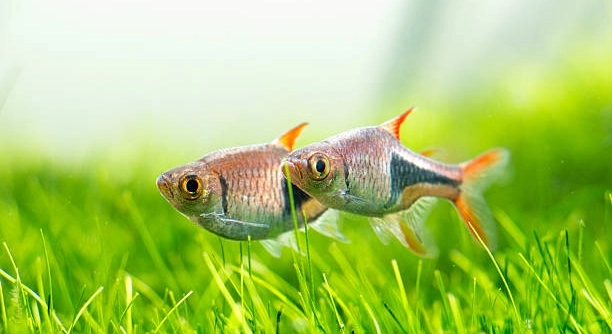
Keeping a betta in a tank can be enjoyable, but it may leave you thinking about compatible tank mates. Rasboras are small, peaceful fish often suggested for community tanks. Their behavior and size make them interesting companions.
Rasboras can generally coexist with bettas peacefully when provided with enough space, hiding spots, and minimal stress. Careful monitoring and proper tank setup reduce aggression, ensuring both species maintain healthy interactions in a shared aquatic environment.
Learning the subtle interactions between these fish will help you maintain a calm and balanced aquarium environment for all.
Understanding Betta Behavior
Bettas are known for their vivid colors and flowing fins, but they are also naturally territorial. In a community tank, a betta may flare at other fish, especially those with bright colors or long fins. Observing your betta’s daily patterns can help you determine its temperament. Some bettas are calmer and can ignore smaller, fast-moving fish like rasboras. Providing enough swimming space, plants, and hiding spots helps reduce stress and minimizes confrontations. Bettas often patrol the tank edges and may claim a corner as their territory. By arranging the tank thoughtfully, you can create distinct areas for each species. Lighting and feeding schedules also play a role in how bettas interact. Over time, you may notice that your betta adjusts to the presence of peaceful tank mates. Understanding these small details is key to maintaining a stable tank environment.
Proper tank setup and observation are essential for peaceful cohabitation. Bettas need areas to retreat without feeling threatened.
Watching how your betta responds to rasboras over several days can reveal much about compatibility. Some rasboras may school tightly to avoid attention, while others explore freely. Adjusting tank decorations or feeding routines can further reduce tension. A betta’s initial curiosity may fade once it recognizes the rasboras as non-threatening. Slowly, the tank can become a balanced environment where both species thrive, with minimal stress or aggression. Recognizing early warning signs, like persistent chasing or fin nipping, allows for timely intervention. By observing these interactions closely, you can ensure that both your betta and rasboras remain healthy and active. Over time, their coexistence can be a calming and enjoyable aspect of maintaining your aquarium, adding movement and color that is satisfying to watch daily.
Choosing the Right Rasboras
Rasboras vary in size, color, and temperament, which affects compatibility with bettas.
Selecting species like harlequin rasboras, known for their peaceful and fast-swimming nature, increases the chances of harmony. Avoid overly flashy or slow-moving types, as these may trigger aggression. Small groups of at least six rasboras help them school naturally, making them feel secure and less likely to provoke the betta. Matching water parameters, such as temperature and pH, ensures that all fish remain healthy and reduces stress-related behavior. Feeding patterns should be consistent to prevent competition or bullying during meals. Watching how the betta reacts to different species initially can guide adjustments, such as adding more hiding spots or rearranging plants. Gradually introducing rasboras while monitoring interactions helps create a stable environment. With proper attention, the tank can support both bettas and rasboras peacefully, providing a visually appealing and lively aquarium.
Tank Setup Tips
Keeping a betta and rasboras together requires careful tank planning. Adequate space, hiding spots, and gentle filtration help prevent stress. Plants and decorations create boundaries, giving both species areas to explore safely.
A tank of at least 20 gallons is ideal for maintaining peace. Floating plants can diffuse light and provide cover for rasboras, while dense planting in corners allows the betta to claim a small territory without feeling crowded. Smooth substrates prevent fin damage, and secure decorations reduce the risk of injuries. Gentle water flow keeps rasboras active without overwhelming the betta, promoting natural behavior. Regular water changes and monitoring parameters help maintain a healthy, stress-free environment for both species, ensuring their long-term wellbeing.
Lighting and temperature control also play a role in compatibility. Bettas prefer slightly warmer water, while rasboras thrive in stable conditions. Matching these parameters prevents aggression and illness. Adjusting feeding schedules ensures all fish receive adequate nutrition without competition. Observing interactions over time helps refine the tank layout, creating a harmonious environment.
Monitoring Fish Interactions
Frequent observation is essential to ensure bettas and rasboras coexist peacefully. Signs of aggression should be addressed quickly.
Pay attention to chasing, fin flaring, or hiding. Rasboras schooling tightly may indicate stress, while a betta ignoring them shows tolerance. Introduce new decorations or plants if tension arises to provide escape routes. Feeding routines also impact interactions; offering food in different tank areas reduces conflict. Gradual acclimation when adding new rasboras allows everyone to adjust comfortably. Monitoring over several weeks gives insight into social dynamics and long-term compatibility. By observing consistently, you can maintain a peaceful and thriving community tank.
Feeding Strategies
Feeding both bettas and rasboras requires planning. Bettas need protein-rich foods, while rasboras prefer smaller flakes or micro-pellets. Feeding in separate areas can reduce competition and stress, keeping both species healthy.
Overfeeding can lead to water quality issues, so monitor portions carefully. Balanced feeding encourages natural behavior and prevents aggression during meal times, ensuring all fish get adequate nutrition without conflict.
Ideal Tank Conditions
Maintaining stable water temperature between 76–80°F supports betta health, while rasboras thrive in slightly cooler but stable ranges. Regular testing of pH, ammonia, and nitrite levels ensures a safe environment. Proper filtration with gentle flow keeps water clean without stressing fish.
Common Signs of Stress
Changes in behavior like hiding, clamped fins, or reduced appetite indicate stress. Immediate action, such as adding plants or adjusting water parameters, can help restore balance.
FAQ
Can all types of rasboras live with bettas?
Not all rasboras are equally compatible. Harlequin rasboras are usually the safest choice because they are fast swimmers and peaceful. Smaller or schooling species like chili rasboras can also work. Avoid flashy, slow-moving, or long-finned types that might provoke a betta’s aggression.
How many rasboras should I keep with a betta?
A group of at least six rasboras is recommended. Keeping them in a school helps them feel secure and reduces stress. More than six can improve schooling behavior, but tank size should be large enough to prevent overcrowding and allow both species to have their own space.
Do bettas often attack rasboras?
Aggression depends on the betta’s temperament. Some bettas ignore small, fast-moving rasboras completely, while others may chase or nip fins initially. Providing hiding spots and plants helps reduce conflicts. Observing interactions closely in the first few days is crucial to ensure peaceful coexistence.
What tank size works best for bettas and rasboras?
A tank of at least 20 gallons is ideal. More space reduces stress and allows each species to establish personal areas. Dense plants, floating cover, and open swimming areas give both bettas and rasboras freedom without constant encounters, supporting a calmer tank environment.
Should I feed bettas and rasboras separately?
Feeding in different areas of the tank can prevent competition and stress. Bettas need protein-rich foods, while rasboras prefer smaller flakes or micro-pellets. Dividing feeding locations ensures all fish receive adequate nutrition without conflict, helping maintain healthy growth and activity.
What water parameters do I need to maintain?
Stable water conditions are essential. Bettas thrive at 76–80°F, while rasboras prefer slightly cooler water but tolerate the same range. pH should stay between 6.5 and 7.5, with ammonia and nitrites at zero. Consistent water changes and gentle filtration prevent stress and maintain overall fish health.
How can I tell if my betta or rasboras are stressed?
Look for hiding, clamped fins, loss of appetite, or erratic swimming. Rasboras schooling tightly or staying in corners may indicate fear, while a betta constantly flaring at them shows territorial stress. Adjusting tank decor or water parameters quickly can reduce tension.
Can I add other fish to a betta-rasbora tank?
Yes, but choose peaceful species that won’t compete with food or territory. Small tetras, Corydoras catfish, or snails often work well. Avoid long-finned, aggressive, or very slow fish that may trigger the betta’s natural aggression, keeping the community balanced and calm.
How long does it take for bettas and rasboras to adjust?
Adjustment times vary. Some bettas tolerate rasboras immediately, while others need a few weeks to accept them. Gradual introductions, monitoring behavior, and providing hiding spaces can shorten adjustment periods, helping both species settle comfortably in their shared tank.
Do plants and decorations really help reduce aggression?
Yes. Plants and decorations break lines of sight, giving bettas and rasboras areas to retreat. Floating plants, dense corner planting, and small caves create boundaries and reduce confrontations. A thoughtfully decorated tank promotes natural behavior and peaceful coexistence, keeping stress levels low.
Can bettas and rasboras breed in the same tank?
Bettas may eat eggs if present. Rasboras prefer calm, planted areas for spawning. If breeding is desired, consider a separate breeding tank to protect eggs and fry, preventing accidental predation and ensuring higher survival rates for the young fish.
What is the best way to introduce rasboras to a betta tank?
Introduce rasboras gradually after establishing the betta’s territory. Use a quarantine period to ensure new fish are healthy. Rearrange decorations slightly to minimize direct confrontations and monitor interactions closely. Gradual introduction helps reduce stress and encourages peaceful coexistence.
How often should I check on the tank after adding rasboras?
Daily observation is important for at least the first few weeks. Watch for chasing, hiding, or unusual behavior. Make small adjustments to feeding, decorations, or water flow if necessary. Early intervention helps prevent aggression and supports a stable, healthy environment for both species.
Are there signs that a betta and rasboras will never get along?
Persistent fin nipping, continuous chasing, or refusal to feed alongside each other may indicate incompatibility. If aggression does not subside despite proper tank setup, it may be necessary to separate the betta or rasboras to prevent injury and stress, ensuring safety for all fish.
Can tank size alone solve aggression issues?
A larger tank helps, but it is not a complete solution. Proper hiding spots, plants, and observing behavior are equally important. Tank size reduces encounters, but monitoring interactions, providing school security for rasboras, and managing feeding are essential for lasting peace.
Do water changes affect betta and rasbora behavior?
Yes. Clean water improves health and reduces stress, which in turn lowers aggression. Frequent water changes prevent buildup of ammonia or nitrites that can irritate fish. Maintaining stable water parameters helps both species feel secure and behave naturally.
Is it normal for a betta to ignore rasboras completely?
Yes. Some bettas are calm and uninterested in small schooling fish. This behavior indicates a balanced tank environment where both species can coexist without conflict, allowing them to thrive in their shared space peacefully.
How important is lighting for coexistence?
Moderate lighting helps rasboras feel safe and supports plant growth. Too bright light may stress fish, while too dim can reduce activity. Floating plants and shaded areas help regulate exposure, ensuring both bettas and rasboras remain comfortable and calm.
Can a betta’s personality change over time with rasboras?
Yes. Initial curiosity or aggression may decrease as the betta becomes familiar with rasboras. Gradual adjustment often leads to peaceful coexistence, but ongoing observation is necessary to catch any sudden changes in behavior.
Are rasboras low-maintenance companions for bettas?
Generally, yes. They require stable water, schooling companions, and proper feeding. When introduced correctly, they are active, peaceful, and easy to care for, adding life and movement to a betta tank without creating major conflicts.
What is the biggest challenge in keeping bettas and rasboras together?
The main challenge is managing the betta’s aggression and ensuring rasboras feel secure. Proper tank setup, monitoring, and gradual introductions are essential. Patience and attention to their behavior prevent stress, creating a stable and harmonious aquarium for both species.
How can I prevent long-term stress for both species?
Provide ample space, hiding spots, stable water conditions, and consistent feeding routines. Observe daily, and adjust tank layout if needed. A well-thought-out environment supports natural behavior, reduces aggression, and promotes long-term health and activity for both bettas and rasboras.
What should I do if aggression continues despite precautions?
If aggression persists, separating the betta or rasboras is necessary. Consider using a divider or a separate tank. Protecting both species ensures safety, minimizes stress, and allows for peaceful care, even if coexistence is not possible long-term.
Keeping bettas and rasboras together can be a rewarding experience, but it requires careful planning and attention. Both species have unique needs that must be met to ensure a peaceful tank environment. Bettas are naturally territorial, so giving them space to claim a small corner of the tank helps reduce stress. Rasboras, being small and active schooling fish, feel safer in groups of at least six, which allows them to swim confidently without drawing too much attention from the betta. Observing interactions in the first days and weeks is important because it gives you insight into how your betta reacts to the presence of other fish. A calm betta may completely ignore rasboras, while a more aggressive one may need additional hiding spots or rearrangement of decorations to minimize conflict. Over time, with proper care, many bettas and rasboras can share a tank without significant issues, creating a dynamic and lively aquarium.
Tank setup plays a significant role in the success of keeping these species together. A tank of at least 20 gallons provides enough space for movement and territory. Plants, decorations, and floating cover give both fish options to hide or explore, preventing constant encounters that could trigger aggression. Proper water conditions are equally important. Bettas prefer slightly warmer water around 76–80°F, while rasboras do well in stable temperatures that are similar. pH should be maintained between 6.5 and 7.5, with ammonia and nitrite levels kept at zero. Regular water changes and gentle filtration help maintain a clean environment and reduce stress. Feeding routines should also be managed carefully, providing protein-rich foods for the betta and smaller flakes or pellets for rasboras, ideally in different areas of the tank. Small adjustments to lighting, decorations, or feeding schedules can make a noticeable difference in the comfort and behavior of both species.
Monitoring behavior is the final key to maintaining harmony. Look for signs of stress such as hiding, clamped fins, or loss of appetite. Rasboras schooling tightly may indicate nervousness, and a betta that constantly flares or chases them signals the need for intervention. Gradual introduction of new fish, attention to water quality, and thoughtful tank decoration help both species adjust. Some bettas may never fully accept other fish, and separating them in these cases is the safest option. However, when the environment is properly managed and interactions are observed carefully, bettas and rasboras can coexist peacefully for long periods. A balanced tank setup, consistent care, and ongoing observation create a stable and healthy aquarium where both species can thrive and display natural, active behaviors, adding life and interest to your home.

Hello,
If you enjoy the content that we create, please consider saying a "Thank You!" by leaving a tip.
Every little bit helps us continue crafting quality advice that supports the health, happiness, and well-being of pets around the world, for pets of all shapes, sizes, and species.
We really appreciate the kindness and support that you show us!