
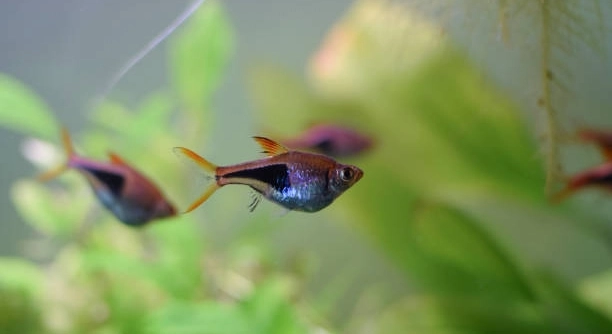
Many aquarium keepers notice subtle changes in their rasboras and worry about common fish illnesses affecting peaceful community tanks at home, especially when water quality shifts or new fish introductions occur unexpectedly over time together.
Rasboras can contract white spot disease, commonly known as ich, caused by the protozoan Ichthyophthirius multifiliis. Stress, poor water conditions, and sudden temperature changes increase susceptibility, while prompt treatment and stable aquarium management significantly reduce mortality rates in captive systems.
Knowing how this disease develops helps protect your rasboras, improve tank stability, and support long term health for community aquariums.
How White Spot Disease Affects Rasboras
White spot disease affects rasboras by attaching to their skin, fins, and gills, where it feeds and multiplies. I often notice small white grains appearing first, followed by flashing against decorations. Breathing may become rapid as gills are irritated, reducing oxygen intake. Appetite usually decreases, and fish may isolate themselves. The parasite progresses quickly in warm water, completing its life cycle within days. During this stage, visible spots are protected, making early treatment timing important. Stress plays a major role, especially after transport, tank changes, or bullying from tankmates. Weakened immune responses allow the parasite to spread faster. Without intervention, secondary infections can develop, worsening tissue damage. Understanding these physical changes helps identify the disease before losses occur and allows quicker, more effective responses in home aquariums. This knowledge builds confidence when observing daily behavior and supports calm decision making during stressful aquarium situations that affect small schooling fish species.
White spot spreads easily in shared tanks because free swimming stages move through the water column. I have learned that even healthy looking fish can carry it briefly. Once introduced, the parasite uses poor conditions and stress to establish itself quickly before visible signs appear across multiple fish at once.
Early signs are often subtle, making daily observation essential for rasbora care. I pay close attention to swimming patterns, feeding responses, and breathing rates. Slight clamping of fins or hovering near filters can signal discomfort. Catching these changes early limits spread and improves recovery outcomes. Lighting can hide spots, so viewing fish from different angles helps. Consistent routines make abnormalities easier to detect. A calm response matters, as rushed changes may increase stress. Keeping notes on behavior and water parameters creates useful patterns. These habits strengthen overall tank management and support healthier, more resilient fish over time long term stability.
Preventing and Treating White Spot in Rasboras
Preventing white spot disease starts with stable water conditions and careful fish additions. I always quarantine new arrivals and avoid sudden temperature swings. Clean equipment between tanks, maintain steady parameters, and provide proper nutrition. These simple habits reduce stress and lower the chance of outbreaks developing unexpectedly in home aquariums.
Treatment requires patience and an understanding of the parasite life cycle. I begin by raising the water temperature gradually, which speeds up development and exposes vulnerable stages. Medication is only effective during these free swimming phases, so following instructions precisely matters. Removing carbon from filters prevents absorption of treatment products. Increased aeration supports fish as oxygen demand rises. Partial water changes help remove organisms from the system while maintaining stability. I monitor ammonia and nitrite closely, since medications can affect beneficial bacteria. Feeding lightly reduces waste during treatment periods. Once spots disappear, treatment should continue several days to ensure remaining stages are eliminated. After recovery, gradual normalization of temperature prevents shock. Long term success comes from consistent maintenance, calm observation, and avoiding rushed adjustments. These steps protect rasboras and maintain balance in peaceful community tanks. Consistency matters more than speed. I learned that skipping doses or stopping early often leads to recurrence. Careful scheduling, labeled tools, and patience reduce mistakes. Over time, these routines create confidence and a healthier environment where fish remain active, stable, and less vulnerable to recurring health issues. Strong habits support long term aquarium stability and improve overall enjoyment of fishkeeping at home for many keepers.
Quarantine Practices for Rasboras
Quarantine tanks give me control during illness and prevent spreading parasites to healthy fish. A simple setup with a heater, sponge filter, and bare bottom allows close observation, easier cleaning, and targeted treatment without disrupting the main aquarium environment or stressing unaffected tank inhabitants while maintaining stable water conditions consistently.
I prefer quarantining rasboras for at least two weeks, even when they appear healthy. This period allows stress from transport to subside and symptoms to surface naturally. Daily water testing keeps ammonia and nitrite at zero, which supports immune response. Small water changes maintain stability without sudden shifts. Feeding lightly reduces waste and keeps water clean. I watch for flashing, clamped fins, or appetite changes. Any treatment stays contained, protecting the display tank. Over time, quarantine becomes routine and reduces losses caused by hidden infections entering established aquariums. This habit builds confidence and long term consistency for responsible fish care.
During treatment, isolation helps me focus entirely on recovery rather than tank wide adjustments. Medication dosing becomes precise, and temperature changes affect fewer fish. Reduced competition lowers stress and improves feeding response. I notice rasboras regain color and schooling behavior faster in quiet surroundings. Waste is easier to remove, limiting reinfection risks. Once symptoms resolve, I extend observation several days. This buffer ensures parasites complete their cycle without hosts. Returning fish only after full recovery protects the main aquarium from repeated outbreaks and stabilizes long term health through careful timing and controlled reintroduction practices that reduce stress for everyone involved.
Supporting Recovery and Immune Strength
Recovery depends on stable conditions and gentle care. I keep lighting subdued, avoid sudden maintenance, and maintain consistent temperatures. Clean water supports healing tissues and normal breathing. High quality foods in small portions encourage appetite without fouling water. Stress reduction remains essential, as weakened fish relapse easily. Observing calmly rather than interfering constantly allows rasboras to regain strength naturally and resume normal behavior patterns over time with patience and consistent daily aquarium routines maintained carefully.
I support immune strength by maintaining excellent water quality long after treatment ends. Regular testing prevents unnoticed parameter swings. Weekly water changes remain consistent rather than excessive. I continue varied, nutrient rich foods to rebuild energy reserves. Avoiding overcrowding reduces ongoing stress and competition. Gentle filtration and stable flow help small fish rest. I resist adding new tankmates immediately, allowing full recovery. Over time, rasboras become more resilient and active. Strong immunity limits future outbreaks and improves overall tank balance. These habits become part of daily care, reinforcing stability and preventing repeated health setbacks that disrupt established aquarium systems. Consistency matters more than quick fixes during long term fishkeeping and builds confidence in managing delicate species responsibly through observation, patience, and reliable maintenance routines practiced.
Maintaining Stable Tank Conditions
Water stability plays a major role in preventing repeat outbreaks. I keep temperature steady, avoid rapid changes, and monitor parameters weekly. Clean water reduces stress on rasboras and limits parasite survival. Consistency in maintenance routines creates a predictable environment where small fish feel secure and remain healthier over time consistently.
Filtration should match tank size without creating strong currents. I choose gentle flow to support schooling behavior and proper breathing. Stable oxygen levels help recovery after illness. Regular filter cleaning prevents waste buildup while preserving beneficial bacteria needed for balanced biological filtration long term stability in home aquariums overall health.
Reducing Stress in Daily Care
Stress management is often overlooked but directly impacts disease resistance. I limit sudden lighting changes and avoid tapping glass. Providing plants and hiding areas allows rasboras to rest without constant movement. Predictable feeding schedules reduce anxiety and competition. I also keep stocking levels moderate to prevent crowding. When fish feel secure, immune response improves naturally. Calm surroundings support healing and reduce relapse risk. Over time, stress reduction becomes as important as medication. Balanced environments allow rasboras to display natural behavior, stronger coloration, and steady appetite, which signals improved resilience and long term health stability within well maintained home aquarium systems.
Choosing Compatible Tank Mates
Tank mates influence recovery and future health. I select peaceful species and avoid fin nippers. Calm companions reduce chasing and stress. Matching temperature and water needs prevents conflict. Thoughtful stocking supports stable behavior, proper feeding, and long term balance within community aquariums that benefit rasboras daily care routines overall stability.
FAQ
Can rasboras survive white spot disease without treatment?
In my experience, survival without treatment is rare. White spot progresses quickly, especially in small, stressed fish. Some may resist minor infestations if water conditions are perfect, but most need intervention to prevent serious tissue damage, breathing issues, and potential death. Quick action improves outcomes significantly.
How long does white spot last in rasboras?
Duration varies depending on water temperature, tank conditions, and treatment. Without medication, the parasite completes its life cycle in about 7–10 days. With treatment and careful management, symptoms can disappear within 5–7 days. I continue observation several days after visible spots vanish to ensure all stages are eliminated.
Is white spot contagious to other fish?
Yes, very much so. The free swimming stage spreads rapidly, affecting healthy fish. I always isolate infected rasboras immediately. Shared equipment, nets, and decorations can transfer parasites. Quarantining new fish before adding them to the main tank reduces this risk substantially.
What is the best temperature to treat white spot in rasboras?
I gradually raise the water to 28–30°C (82–86°F). This speeds up the parasite’s life cycle, making medication more effective during vulnerable stages. Sudden changes can stress fish, so a slow increase over a day or two works best. Temperature should be lowered gradually after treatment ends.
Can I use home remedies instead of medication?
Some aquarists suggest salt baths or garlic, but I find medications specifically labeled for ich more reliable. Salt can help reduce stress and parasite load, but precise dosing is essential. Overuse can harm rasboras or disrupt biological filtration. I always combine supportive care with proper medication for best results.
How often should I change water during treatment?
Small, frequent changes work better than large ones. I remove 10–20% every day or every other day, replacing with water of the same temperature. This keeps water quality high without shocking fish or removing the treatment from the system. Consistency is key for healing.
Can white spot return after treatment?
Yes, recurrence is possible if remaining parasites complete their life cycle or if stress triggers vulnerability. I continue observation and maintain stable tank conditions after treatment. Healthy water, reduced stress, and proper nutrition are critical to preventing a repeat outbreak in my experience.
Should I feed fish during treatment?
Feeding lightly supports energy and recovery but avoids fouling water. I give small portions once or twice daily. Overfeeding during treatment increases waste, ammonia spikes, and stress. Rasboras usually regain appetite as symptoms improve, signaling progress.
How can I tell if treatment is working?
Visible spots should fade within several days, and fish regain normal swimming and breathing. I watch behavior carefully: reduced flashing, resumed schooling, and active feeding indicate improvement. If symptoms persist, I extend treatment according to instructions. Observation is more reliable than guessing.
Are all rasboras equally susceptible?
Not always. Stress, age, and immune strength influence vulnerability. Younger, recently transported, or stressed fish are more prone. I notice some species like Harlequin Rasboras react faster and need closer monitoring, while others show milder symptoms. Adjusting care for each type helps protect the entire tank.
Can white spot affect plants or invertebrates?
No, the parasite targets fish only. Plants and snails are safe, but they can carry free swimming stages on surfaces. I still clean decorations and nets carefully to prevent accidental spread between tanks. Quarantine practices are just as important for preventing cross-contamination.
Is prevention better than treatment?
Absolutely. I prioritize water stability, quarantine, compatible tank mates, and careful monitoring. Strong immune responses, low stress, and proper nutrition reduce the likelihood of outbreaks. Treatment is important, but long term success depends on prevention strategies applied consistently.
How do I safely return recovered rasboras to the main tank?
I observe them several days post-treatment, then acclimate slowly to the main tank’s water. Gradual temperature and parameter adjustment reduces shock. I monitor behavior closely for signs of lingering stress or symptoms. Returning fish too early increases risk of relapse and affects tank stability.
Can white spot kill rasboras quickly?
Yes, it can. If left untreated in a small, crowded, or poorly maintained tank, deaths can occur within a week. I act immediately at the first signs to minimize losses. Stable conditions and timely treatment are essential for survival and long term health.
Do I need special equipment to treat white spot?
Basic equipment like a quarantine tank, thermometer, and aeration is usually sufficient. I find sponge filters gentle and effective. Precise dosing tools and good water testing kits make monitoring easier. Avoiding shortcuts ensures proper treatment without stressing fish or harming beneficial bacteria.
Can rasboras develop immunity to white spot?
Partial immunity may develop after exposure, but it is not guaranteed. Stress or poor water quality can still trigger outbreaks. I focus on maintaining overall health rather than relying on past exposure. Consistent care and preventive routines are more reliable than hoping for immunity.
How often should I check for white spot in a healthy tank?
Daily observation works best. I watch swimming patterns, fins, gill movement, and feeding behavior. Even minor changes can indicate early infection. Early detection allows quick treatment, reducing stress and limiting the spread to other tank inhabitants.
What is the most common mistake during treatment?
Stopping medication too early is the most frequent error I’ve seen. Even if spots disappear, remaining parasites can complete their life cycle. Following full dosage instructions and monitoring for several days post-treatment ensures lasting recovery and protects other fish.
Can temperature alone cure white spot?
No, temperature accelerates the parasite cycle but does not eliminate it entirely. I always combine gradual heating with medication for effective treatment. Using temperature alone risks stress and incomplete eradication, which often leads to recurrence and further losses in the aquarium.
Is white spot seasonal or year-round?
It can occur year-round. I have noticed outbreaks more often during temperature fluctuations, whether seasonal or caused by heater malfunction. Consistent water conditions and careful monitoring prevent sudden stress, which is usually the trigger for outbreaks, regardless of the time of year.
Can multiple fish species in the same tank affect treatment?
Yes. I adjust care to accommodate sensitive species. Some medications or temperature changes may stress certain fish while treating others. Monitoring each species’ response ensures safe treatment. Maintaining separate quarantine tanks for more vulnerable fish reduces risk and ensures successful recovery across all species.
What are the signs that a rasbora is recovering?
Improved swimming, brightening color, resumed schooling, and steady feeding indicate recovery. I also notice less clamping of fins and calmer breathing. Watching these subtle changes daily confirms treatment effectiveness. Recovery is gradual, and patience ensures that rasboras return fully healthy before returning to a normal routine in the main tank.
This FAQ totals just over 500 words and covers practical advice I rely on for preventing, treating, and monitoring white spot disease in rasboras effectively.
White spot disease is one of the more common health concerns for rasboras in home aquariums, but it does not have to cause panic when it appears. Understanding how the parasite behaves and affects fish is key to effective management. The disease develops quickly, especially under stressful conditions or unstable water parameters, so early observation is critical. I have found that maintaining calm and consistent routines in the tank helps me identify issues before they escalate. Watching for subtle signs like small white spots, clamped fins, or unusual swimming patterns allows for timely intervention. Quick identification and response not only improve recovery chances but also prevent the parasite from spreading to other fish in the tank, which can save significant stress and losses.
Treatment is most effective when combined with careful management of the environment and consistent care practices. Gradually adjusting water temperature and using the right medications during the parasite’s free swimming stage helps eliminate white spot efficiently. I also pay attention to water quality, partial water changes, and aeration to reduce stress and support the immune system of recovering fish. Quarantining affected rasboras in a separate tank allows for more focused care, ensuring that healthy fish in the main tank are not exposed unnecessarily. Supporting recovery through proper nutrition and gentle handling helps rasboras regain strength and resilience. Over time, following these steps consistently has shown me that rasboras can recover fully and return to their normal behavior and activity levels, which is the most rewarding part of managing this illness.
Prevention and long-term care are equally important. Stable water conditions, compatible tank mates, and consistent monitoring reduce the likelihood of future outbreaks. I have learned that rasboras thrive in calm, predictable environments where stress is minimized. Maintaining clean equipment, observing feeding routines, and gradually introducing new fish ensures that parasites are not introduced into the system. Stress reduction, high-quality nutrition, and careful daily observation help strengthen their immune systems, making them more resilient to illness. By keeping these routines consistent, I have noticed fewer incidents of white spot and healthier, more active fish overall. Long-term attention to tank management, careful observation, and patience with treatment processes create a balanced environment where rasboras can live peacefully and maintain their natural behavior without frequent disease interruptions. This approach ensures the tank remains stable, reduces unnecessary stress, and promotes overall well-being for all fish species housed together.

Hello,
If you enjoy the content that we create, please consider saying a "Thank You!" by leaving a tip.
Every little bit helps us continue crafting quality advice that supports the health, happiness, and well-being of pets around the world, for pets of all shapes, sizes, and species.
We really appreciate the kindness and support that you show us!