
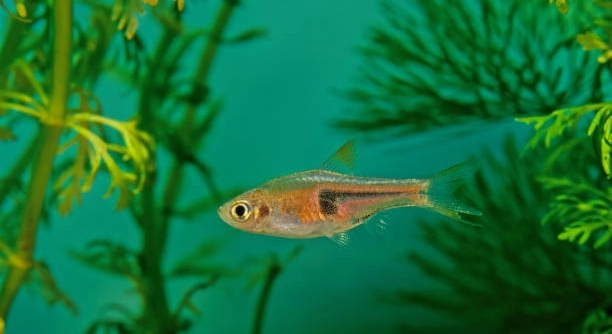
Rasboras are small, colorful fish often kept in home aquariums. They may seem simple, but their behaviors can reveal subtle signs of how they feel in their environment each day.
Rasboras express emotions through body language, swimming patterns, and social interactions. Observing changes in their movement, color intensity, and proximity to other fish can provide insight into stress levels, contentment, and overall well-being in controlled habitats.
Recognizing these small cues can improve how you care for your rasboras and enhance their quality of life in your aquarium.
Changes in Swimming Patterns
Rasboras often change the way they swim to show how they feel. When they are happy and comfortable, they move freely in the middle of the tank, weaving smoothly among plants. If they are stressed or uncomfortable, they may dart quickly, hide behind decorations, or stay close to the tank’s bottom. Slow or lethargic swimming can indicate fatigue or illness. Watching the group’s swimming patterns helps you notice differences between normal behavior and signs of stress. Even slight variations, like a fish pausing mid-swim or swimming alone, can signal emotional changes. Tank conditions such as water temperature, cleanliness, and proper lighting directly affect these patterns. Social dynamics also play a role; rasboras are schooling fish, so observing interactions between individuals is important. A balanced diet and consistent environment support calmer swimming behavior. Regular observation allows you to respond to their needs promptly and maintain a healthy tank.
Swimming patterns provide key indicators of emotional state, reflecting comfort, stress, and social interactions. Attention to these movements helps maintain overall health.
Observing these changes over time builds understanding of your rasboras’ moods. Noticing small adjustments in speed, direction, or group behavior can tell you when something in the tank needs attention. Recognizing these signals early helps prevent stress and promotes harmony in the aquarium.
Color Intensity and Body Language
Color changes are subtle signals of mood and health. Rasboras with bright, vibrant colors are usually content, while pale or dull colors can indicate stress, poor nutrition, or illness.
Shifts in color are often paired with other behaviors like fin clamping, hiding, or reduced swimming activity. Consistent observation of body language and coloration provides a clearer picture of their emotional state. Environmental factors like lighting, water quality, and tank mates influence these changes significantly.
It is helpful to track these variations daily. A stressed fish may display muted colors along with slow movements, hiding behind plants, or isolating itself from the school. Conversely, excitement or curiosity can make their colors appear more intense, especially during feeding or interaction with other fish. Subtle signs such as flaring fins, tilting, or gentle quivering also indicate feelings of alertness, stress, or contentment. Maintaining stable water parameters, providing sufficient space, and ensuring proper nutrition can enhance natural coloration and emotional well-being. Understanding these visual cues strengthens your ability to provide a supportive environment, helping rasboras remain healthy and emotionally balanced in the aquarium.
Social Interaction and Schooling
Rasboras feel safer and more confident in groups. Schooling together shows comfort, while isolation may indicate stress, illness, or discomfort in the tank environment.
Schooling behavior reflects their emotional state and social bonds. When rasboras swim closely in coordinated groups, it signals contentment and a stable environment. If a fish separates from the group, stays at the edges, or avoids others, it could be stressed, frightened, or sick. Observing how individuals interact within the school helps identify potential problems early, such as bullying from tank mates, overcrowding, or sudden changes in water conditions. Small shifts in spacing or movement patterns often indicate subtle emotional changes. Regularly noting how the fish position themselves and move collectively is a practical way to monitor their well-being.
Rasboras also communicate through brief, subtle gestures like nudging or aligning with others. These small actions reinforce social bonds and signal emotional states like curiosity or mild agitation. Recognizing these interactions allows you to adjust tank conditions, ensuring a calmer and more harmonious environment.
Feeding Behavior
Rasboras show excitement or stress through their feeding habits. Eager, active feeding indicates comfort, while hesitation or refusal signals stress or illness.
Feeding behavior is a clear emotional indicator. Rapid swimming toward food and coordinated feeding among the school reflect confidence and contentment. Hesitation, spitting out food, or avoiding feeding altogether can suggest stress, poor water quality, or health problems. Changes in appetite often occur alongside other subtle cues like color dulling, reduced swimming activity, or hiding. Monitoring their response to food gives insight into both emotional and physical health. Consistent feeding routines help maintain stability and reduce stress, supporting overall well-being.
Paying attention to individual preferences and how fish respond to different types of food can reveal more about their emotional state. Some may become more active with live food, while others respond better to flakes or pellets. Noticing these patterns helps create an environment that matches their natural behaviors. Adjusting feeding frequency and portion sizes based on observation can improve overall health and reduce stress. Combining this knowledge with attention to water conditions, tank setup, and social dynamics ensures your rasboras remain active, healthy, and emotionally balanced.
Resting Spots and Hiding
Rasboras often use hiding spots to feel safe. Frequent retreats to plants or decorations can indicate stress, while occasional resting in these areas is normal and shows comfort.
Observing where they rest can reveal their mood. Fish that remain in hiding for long periods may be uncomfortable with tank conditions, water quality, or other fish.
Fin Movement
Rasboras display emotions through fin positioning. Fins held close to the body can signal stress or fear, while relaxed, spread fins usually indicate comfort and contentment.
Response to Tank Changes
Sudden changes in lighting, temperature, or tank decorations can cause noticeable reactions. Rasboras may dart, hide, or cluster tightly together as they adjust. Regular observation helps reduce stress and ensures the environment remains stable, supporting both emotional and physical well-being.
Interaction with Tank Mates
Rasboras show emotions through how they interact with other fish. Aggressive chasing or avoidance signals tension, while coordinated swimming and gentle proximity reflect comfort and social harmony.
FAQ
How can I tell if my rasboras are stressed?
Stress in rasboras shows through multiple subtle signs. They may hide frequently, swim erratically, or stay isolated from the school. Color may appear duller, and fins can be clamped close to the body. Changes in feeding habits, such as refusal to eat, are also common indicators. Water quality, tank size, or aggressive tank mates often contribute to stress, so monitoring their behavior regularly helps identify problems early.
Why do my rasboras swim in tight groups sometimes?
Swimming tightly together is a natural schooling behavior. It can indicate contentment and safety when they move as a cohesive unit. However, if they cluster suddenly or remain close to tank walls, it may be a reaction to stress, sudden changes in water conditions, or the presence of a perceived threat. Observing the context and other behaviors helps distinguish between comfort and anxiety.
What does it mean when their colors fade?
Color fading is a common emotional signal. Bright, vibrant colors usually indicate a healthy and content fish, while pale or dull colors can signal stress, poor water conditions, illness, or nutritional deficiencies. Changes in light exposure, water temperature, or diet may also affect pigmentation. Tracking these changes alongside other behaviors gives a clearer understanding of their emotional and physical state.
Why do rasboras sometimes hide for long periods?
Extended hiding often reflects discomfort or fear. It may occur due to aggressive tank mates, sudden environmental changes, or illness. Occasional hiding is normal, especially during resting periods or after feeding, but consistent retreating should be addressed by checking water parameters, tank layout, and social dynamics. Ensuring enough plants or decorations can provide safe spots without causing chronic stress.
How can I encourage natural behavior in my rasboras?
Providing a well-planted tank with open swimming space and hiding spots supports natural behavior. Maintaining stable water conditions, feeding a varied diet, and keeping appropriate tank mates encourages contentment. Observing interactions and swimming patterns allows adjustments to tank setup that support both social and individual needs.
Are rasboras affected by water changes or temperature fluctuations?
Yes, sudden water changes or temperature swings can stress rasboras. They are sensitive to water chemistry, and abrupt adjustments may cause hiding, erratic swimming, or fin clamping. Gradual, consistent changes and careful monitoring of parameters help maintain emotional stability and overall health.
How do I know if my rasboras are happy?
Happy rasboras swim actively in schools, show vibrant colors, and interact gently with each other. They explore the tank confidently, feed eagerly, and rest without hiding excessively. Consistent positive behaviors across multiple indicators are strong signs of comfort and emotional well-being.
Can feeding habits reflect their emotions?
Yes, feeding behavior is closely tied to emotional state. Active and coordinated feeding shows contentment, while hesitation, refusal, or spitting out food may signal stress, illness, or environmental discomfort. Adjusting feeding schedules, portion sizes, and food types can improve both nutrition and emotional balance.
Do tank mates influence rasboras’ emotions?
Social interactions greatly affect their emotional state. Aggressive or overly dominant fish can cause stress, leading to hiding or erratic swimming. Conversely, compatible schooling fish encourage natural behavior, coordinated swimming, and social comfort. Careful selection and monitoring of tank mates are essential to maintain harmony.
How often should I observe my rasboras to understand their emotions?
Daily observation is ideal. Short, consistent monitoring sessions allow recognition of subtle changes in swimming, coloration, fin positioning, and social interaction. Keeping notes on patterns over time helps identify stressors, health issues, or positive behaviors, ensuring the tank environment remains supportive.
Can lighting affect their mood?
Lighting impacts rasboras’ behavior and comfort. Bright or inconsistent lighting may cause stress or hiding, while soft, stable lighting encourages normal swimming, exploration, and social interaction. Matching lighting to natural conditions supports both emotional and physical well-being.
What role does tank decoration play in emotional health?
Plants, rocks, and other decorations provide hiding spots and exploration areas, reducing stress. Overcrowding or a lack of cover can lead to anxiety and avoidance behaviors. Properly arranging the tank encourages natural behavior, allowing rasboras to express emotions through movement and interaction safely.
How can I tell if a behavior is emotional or medical?
Emotional behaviors often involve social context, swimming patterns, and temporary reactions to environmental changes. Medical issues may include lethargy, rapid breathing, visible injuries, or prolonged color fading. Observing multiple indicators together, including feeding habits and interactions, helps distinguish emotional stress from illness.
Is it normal for rasboras to be less active sometimes?
Yes, occasional low activity or resting periods are normal. However, consistent lethargy, hiding, or reduced feeding paired with other behavioral changes may indicate stress, poor water conditions, or illness. Monitoring patterns and environmental factors ensures these behaviors are properly addressed.
How do I support rasboras during tank changes?
Introduce changes gradually. Adjust water parameters slowly, move decorations carefully, and avoid sudden temperature shifts. Observing behavior during and after adjustments helps gauge stress levels, allowing interventions like adding hiding spots or adjusting lighting to maintain comfort and emotional stability.
Can individual rasboras have different emotional responses?
Yes, even within a school, individual fish may react differently. Some may be bolder and swim openly, while others are shy or cautious. Observing each fish’s unique behavior helps provide tailored care and ensures all members of the group feel secure and comfortable.
Rasboras are small fish, but they show a lot through their behavior. Watching them closely helps you understand how they feel in their tank. They communicate in subtle ways, such as swimming patterns, color changes, and interactions with each other. Even small gestures, like tilting their bodies or adjusting their fins, can give clues about stress, comfort, or curiosity. Paying attention to these details allows you to create a more supportive environment. Over time, you begin to notice patterns, like which fish are more active, which hide often, and how the group reacts to feeding or changes in the tank. These observations are useful for maintaining their emotional and physical well-being.
Creating a stable and healthy environment is essential for rasboras to thrive. Proper water conditions, including temperature, pH, and cleanliness, directly affect their comfort and behavior. A well-planted tank with open swimming areas and hiding spots provides both security and space for natural activity. Feeding routines should be consistent, with varied food to meet nutritional needs and stimulate natural behaviors. Tank mates should be carefully chosen to avoid aggression and stress. By paying attention to these factors, you reduce anxiety and encourage positive behaviors. Rasboras respond to stability, so even small changes in water or decorations should be introduced gradually. This allows them to adjust without showing signs of stress or fear.
Understanding your rasboras’ emotions enhances your ability to care for them effectively. Observing their schooling habits, feeding responses, and social interactions provides insight into their daily experiences. When you notice signs of stress or discomfort, adjustments in tank conditions, diet, or social arrangements can help restore balance. Over time, you develop a better understanding of each fish’s personality and needs. This knowledge strengthens your connection to your aquarium and ensures that your rasboras remain healthy, active, and emotionally balanced. Consistent attention, patience, and care create a harmonious environment where they can express natural behaviors freely and safely, making the tank a comfortable home for all the fish.

Hello,
If you enjoy the content that we create, please consider saying a "Thank You!" by leaving a tip.
Every little bit helps us continue crafting quality advice that supports the health, happiness, and well-being of pets around the world, for pets of all shapes, sizes, and species.
We really appreciate the kindness and support that you show us!