
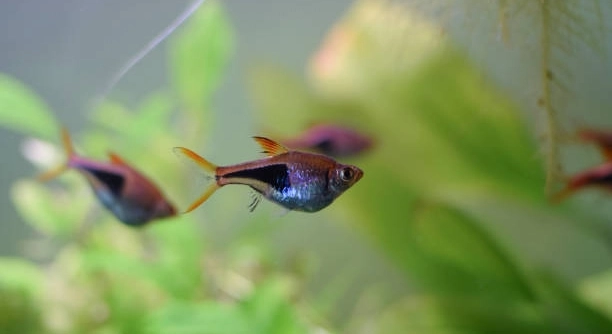
Keeping rasboras in a small tank may seem harmless, but they are active fish that need space to swim freely. Observing their behavior can help you understand if they are living comfortably or feeling restricted.
Rasboras display signs of overcrowding through abnormal swimming patterns, increased aggression, stunted growth, and frequent hiding. Monitoring water quality and tank capacity is essential to ensure their health, reduce stress, and maintain a balanced aquatic environment for optimal well-being.
Recognizing these signs early can help you provide a better living space. Proper care ensures your fish remain healthy, active, and happy in their home.
Restlessness and Erratic Swimming
Rasboras are naturally active fish that enjoy exploring their surroundings. When they feel cramped, their swimming patterns change noticeably. They may dart quickly from one corner of the tank to another or swim in short, jerky bursts instead of smooth, continuous movements. Overcrowding can also cause fish to bump into each other more often, which increases stress. You might notice them lingering near the surface or hiding behind decorations more than usual. Tank mates that normally get along may suddenly show minor aggression, chasing or nipping at each other. Their restlessness is often a subtle sign that something in their environment isn’t quite right. Observing these behaviors consistently is key because temporary bursts of activity can be normal. It’s the ongoing, repeated patterns that indicate the fish are struggling for space. Addressing the tank size and layout can help restore calmer, healthier swimming habits over time, allowing the fish to explore naturally without tension or fear.
Erratic swimming and restlessness are strong indicators that rasboras need more space. Monitoring their movements can prevent stress-related health issues.
Making small adjustments, like adding plants or rearranging decorations, can sometimes reduce stress. However, if the tank is too small, expansion is the only reliable solution.
Crowding-Related Color Fading
Rasboras under stress often show faded or dull coloration. Their vibrant reds, oranges, and silvers may lose intensity, especially when multiple fish are confined to a small space. Color fading is not just cosmetic; it signals stress and weakened immunity. Crowded conditions make it difficult for fish to establish personal space, which elevates stress hormones and reduces natural color expression. Even if the water is clean, inadequate swimming room alone can cause these changes. Constant monitoring of their appearance is crucial, as subtle shifts in hue often precede more serious health issues. Healthy rasboras display bright, clear colors and move gracefully. If you notice persistent dullness, it’s a sign that the tank may be too full. Ensuring sufficient swimming space, maintaining proper water parameters, and limiting the number of fish per gallon can restore both their color and overall well-being. Observing fish behavior alongside color changes gives a complete picture of their comfort in the tank, helping you take action before stress leads to illness.
Increased Hiding
Rasboras tend to hide more when their space is limited. They may cluster behind decorations, plants, or tank corners instead of swimming openly. This behavior is a clear sign they feel stressed and need more room to move freely.
Hiding excessively affects their daily activity and reduces feeding opportunities. In a cramped tank, shy individuals may stay out of sight for long periods, avoiding both light and interaction with other fish. Over time, this can weaken their immune system and make them more susceptible to disease. Observing which fish are hiding most often can help identify the level of stress in the tank. Adding more hiding spots is helpful, but it does not replace the need for adequate swimming space. Ensuring that each rasbora has enough room to explore and maintain personal territory will reduce excessive hiding and improve overall health.
Even minor tank rearrangements can encourage fish to leave hiding spots temporarily. However, persistent seclusion signals that tank size needs to be addressed. Providing enough space helps rasboras regain natural swimming patterns and social interactions, restoring balance in the aquarium.
Rapid Gill Movement
Rapid gill movement is a common stress response in rasboras when the tank is overcrowded. Fish may breathe faster than usual, signaling discomfort or oxygen competition. Observing this consistently points to insufficient space and potential water quality issues.
Overcrowding reduces the amount of oxygen available in the water, forcing rasboras to work harder to breathe. Fish may appear to gasp near the surface or show constant mouth movement even when the water is clean. Stress from limited space also increases their metabolic rate, which contributes to faster gill movement. Maintaining proper filtration, aeration, and tank size is essential to prevent this condition. Monitoring oxygen levels alongside gill activity ensures fish remain healthy and active.
Addressing rapid gill movement early can prevent long-term health problems, including weakened immunity and growth delays. Ensuring adequate space, proper water circulation, and balanced stocking helps rasboras breathe easily and reduces stress. Consistent observation allows timely adjustments, keeping fish healthy and comfortable.
Loss of Appetite
Rasboras often eat less when they feel cramped. Stress from overcrowding can suppress their natural feeding behavior, causing them to ignore food they normally enjoy.
A consistent loss of appetite can lead to weight loss and weaker immune systems. Even with high-quality food, stressed fish may refuse to eat regularly.
Aggression Between Tank Mates
Overcrowding can trigger aggression among rasboras. Normally peaceful fish may start chasing, nipping, or crowding each other, disrupting harmony. This behavior increases stress and can lead to injuries or long-term health problems. Monitoring interactions closely helps identify when tank space is insufficient.
Stunted Growth
Limited swimming space restricts rasboras’ development. Fish in overcrowded tanks often show slower growth and smaller body size compared to those in adequately sized environments. Stunted growth is a clear indicator that the current tank cannot support their physical needs.
Frequent Surface Swimming
Rasboras may swim near the water surface more often when cramped. This behavior often signals stress or a struggle to access oxygen due to limited space and high stocking density.
FAQ
How many rasboras can I keep in a small tank?
The number of rasboras depends on tank size and species. A general guideline is one inch of fish per gallon, but active species like harlequin rasboras need extra space. Overcrowding can lead to stress, illness, and abnormal behavior, so giving each fish room to swim freely is crucial.
Why are my rasboras hiding constantly?
Constant hiding usually signals stress from cramped conditions, aggressive tank mates, or poor water quality. Even if the tank is clean, limited space can make fish feel threatened. Adding decorations may help temporarily, but increasing swimming room is the most effective solution to reduce hiding behavior.
What are the signs of overcrowding I should watch for?
Common signs include erratic swimming, restlessness, loss of color, hiding, aggression, stunted growth, rapid gill movement, and frequent surface swimming. Observing these behaviors consistently can help identify if the tank is too small or if water parameters are insufficient.
Can overcrowding affect rasbora health?
Yes. Overcrowding increases stress, which weakens the immune system, slows growth, and makes fish more prone to disease. It can also lower oxygen levels, increase ammonia buildup, and create conditions that harm long-term health. Maintaining proper tank size and filtration is essential to prevent these issues.
How can I reduce stress if my tank is too small?
Temporary measures include rearranging decorations to create more hiding spaces and ensuring proper water quality. However, the most reliable solution is upgrading to a larger tank or reducing the number of fish. Adequate space allows natural swimming patterns and social interactions to resume.
Do rasboras need plants or decorations for comfort?
Yes, plants and decorations help create hiding spots and reduce stress. Dense planting gives fish a sense of security, while open areas allow swimming. Balance is key—too many decorations in a small tank can worsen crowding, so prioritize space while providing some cover.
How often should I monitor their behavior?
Daily observation is ideal. Watching for changes in swimming, appetite, coloration, or social interactions helps catch stress early. Early detection allows for adjustments in tank size, filtration, or stocking levels before health problems develop.
Is water quality affected by overcrowding?
Absolutely. More fish produce more waste, which increases ammonia, nitrites, and nitrates. Overcrowded tanks strain filtration and oxygen levels. Regular water testing, partial water changes, and proper filtration are critical to maintaining a safe and healthy environment.
Can adding more aeration help in a crowded tank?
Aeration can temporarily improve oxygen levels, reducing stress and rapid gill movement. However, it does not replace the need for sufficient space. Overcrowding still affects behavior, growth, and social dynamics, so tank expansion or reducing fish numbers remains necessary.
How do I know when it’s time to upgrade the tank?
Persistent signs like erratic swimming, frequent hiding, loss of appetite, stunted growth, and aggression indicate overcrowding. If these behaviors continue despite good water quality and proper care, it’s time to increase tank size. Providing more room ensures healthier, happier rasboras.
Can overcrowding affect breeding?
Yes. Stress from limited space can suppress spawning and reduce egg viability. Breeding pairs need room to establish territories, and overcrowding often prevents natural behaviors. Ensuring a spacious tank with proper hiding spots improves chances of successful breeding.
What immediate actions can I take if I notice crowding signs?
Check water parameters, reduce feeding to avoid excess waste, and observe which fish are most affected. Rearranging decorations can provide temporary relief. Long-term, increase tank size or reduce fish numbers to restore comfort and reduce stress-related issues.
Are some rasbora species more sensitive to crowding?
Yes. Smaller, more active species like harlequin rasboras or chili rasboras need more swimming space relative to body size. Less active species tolerate moderate crowding slightly better, but all rasboras benefit from ample room to move freely and interact naturally.
Can stress from overcrowding be reversed?
In many cases, yes. Moving fish to a properly sized tank, improving water quality, and reducing aggressive interactions allows them to regain natural coloration, appetite, and swimming behavior. Early intervention increases the likelihood of full recovery.
How do I prevent overcrowding in the future?
Plan stocking levels carefully before adding fish. Consider adult size, swimming habits, and social needs. Invest in a tank that can accommodate growth and provide adequate filtration. Regularly monitor behavior and water quality to maintain a stable, healthy environment.
Providing a proper home for your rasboras is essential for their well-being. These small fish are active and social, and they thrive best when they have enough space to swim freely and interact naturally. Overcrowding can cause stress, which shows up in behaviors like hiding, erratic swimming, aggression, rapid gill movement, and even stunted growth. Observing your fish regularly helps you notice subtle changes before they become serious problems. Simple adjustments like adding plants or rearranging decorations can help temporarily, but giving them adequate tank space is the most reliable way to ensure they remain healthy and comfortable.
Stress from cramped conditions affects not only behavior but also physical health. Rasboras under pressure often lose color, refuse food, and may even become more vulnerable to disease. Water quality can also decline quickly in overcrowded tanks because more fish produce more waste, which increases ammonia, nitrites, and nitrates. Proper filtration, regular water changes, and monitoring oxygen levels can help reduce some stress, but these steps cannot replace the need for sufficient swimming space. Ensuring a balanced number of fish per gallon and keeping an eye on their daily activity are key steps in preventing long-term health issues. Watching for aggression or hiding behaviors can also give insight into whether the tank setup is meeting their needs.
Maintaining a comfortable environment is not difficult, but it requires attention and planning. Choosing the right tank size, considering adult growth, and spacing fish appropriately from the beginning helps prevent most overcrowding problems. Even small changes, like moving a few fish to another tank or rearranging plants for more open space, can make a noticeable difference in their behavior and stress levels. A well-maintained and properly stocked tank allows rasboras to swim naturally, display their vibrant colors, and interact socially without constant tension. Consistent observation and timely adjustments will help your rasboras stay healthy, active, and happy in their home, creating a balanced aquatic environment where they can thrive for years.

Hello,
If you enjoy the content that we create, please consider saying a "Thank You!" by leaving a tip.
Every little bit helps us continue crafting quality advice that supports the health, happiness, and well-being of pets around the world, for pets of all shapes, sizes, and species.
We really appreciate the kindness and support that you show us!