
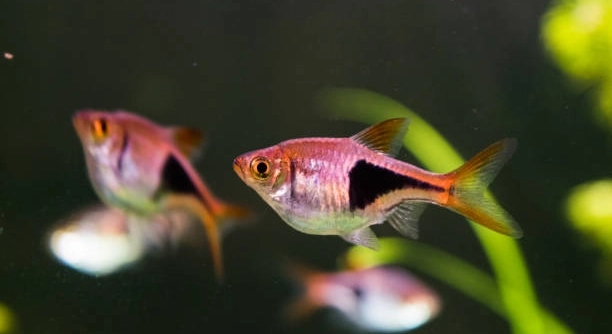
Keeping a Rasbora tank clean can be a challenge, especially when a strange smell starts lingering in the room. Many fish owners notice this odor even with regular water changes and careful maintenance routines.
The primary cause of a Rasbora tank developing an unpleasant smell is the accumulation of organic waste. Uneaten food, fish excrement, and decaying plant matter produce ammonia and other compounds that degrade water quality, creating noticeable odors over time.
Understanding why these smells appear can help you maintain a healthier tank environment. The following points will explain the common reasons and ways to address them effectively.
Overfeeding Your Rasboras
Overfeeding is one of the most common reasons a Rasbora tank begins to smell. When fish are given more food than they can eat in a few minutes, the excess sinks to the bottom and starts to rot. This decaying food releases ammonia and other compounds into the water. Over time, these compounds build up, causing the tank to develop a noticeable odor. Even if water changes are done regularly, leftover food can continue to affect water quality. It’s important to feed your Rasboras small portions and remove uneaten food promptly. Feeding twice a day in tiny amounts often keeps the tank cleaner and fish healthier. Watching your fish while they eat helps gauge the right amount. A cleaner tank not only reduces smell but also prevents health issues like fin rot or ammonia poisoning. Maintaining a consistent feeding routine is key to keeping both fish and water balanced.
Feeding less and observing their intake can prevent most odor problems in the tank.
Adjusting feeding habits takes practice but dramatically improves water quality. Observing how quickly the fish eat and removing leftovers can prevent waste from accumulating. Overfeeding affects the biological balance of the tank, making filtration less effective. Using feeding tools like small spoons or portions can help control amounts precisely. Additionally, incorporating occasional fasting days for the fish allows the tank to stabilize. Keeping a record of feeding times and amounts ensures you do not repeat mistakes. Clean gravel or substrate is important, as trapped food can continue decomposing even with water changes. Over time, careful feeding reduces the need for frequent deep cleans and creates a healthier, less smelly environment. Consistency is critical because sudden changes in feeding can shock fish or increase waste suddenly. By observing fish behavior and adjusting portions, you maintain both their health and a fresher tank.
Poor Filtration
A weak or overloaded filter cannot remove waste effectively, leading to stagnant water and odor.
Filtration is essential for a Rasbora tank. When filters are undersized or clogged, waste accumulates faster than it can be processed. Filters remove both physical debris and chemical toxins, helping maintain clear, odor-free water. A poorly filtered tank allows ammonia and nitrites to build up, directly affecting fish health and smell. Even high-quality filters need regular maintenance; cleaning pads, rinsing sponges, and replacing media as recommended ensures the system works optimally. A strong, well-maintained filter supports the natural bacterial colonies that break down waste, keeping water balanced. Investing in a filter rated for more gallons than your tank actually holds gives extra capacity for maintaining stability. Also, consider the flow rate—Rasboras prefer gentle circulation, but water must still move enough to reach the filter. Combining mechanical, chemical, and biological filtration methods provides the most effective odor control. Regular monitoring of water parameters complements filtration, helping to catch issues before they produce noticeable smells.
Decaying Plants
Dead or decaying plants in the tank quickly contribute to unpleasant odors. Leaves that fall off or rot release compounds that degrade water quality, making the tank smell musty. Removing damaged plants promptly prevents further buildup of waste and keeps the environment cleaner.
Regularly inspecting plants helps maintain a healthy tank. Trimming brown or dying leaves reduces decomposition, which otherwise releases ammonia and organic waste into the water. Live plants can improve water quality by absorbing some nutrients, but dead sections work against this benefit. Submerged plant roots can also trap debris, so cleaning the substrate around plants is necessary. Using a small net or siphon allows removal of decayed material without disturbing healthy plants. Rotting plants may also attract unwanted bacteria or algae, further impacting water clarity and smell. Maintaining a balance between healthy growth and timely pruning is essential. Healthy plants support the fish and help reduce tank odors over time.
Even with careful feeding and filtration, decaying plants can be a hidden source of smell. Combining regular trims, substrate cleaning, and observation ensures the tank stays fresh. Healthy plants and consistent maintenance work together to prevent odor from becoming a persistent problem.
Dirty Substrate
Accumulated waste in the substrate produces strong odors. Uneaten food, fish droppings, and plant debris sink to the bottom and settle into gravel or sand. Regular vacuuming is essential to prevent buildup and maintain clean water.
Neglecting substrate maintenance allows harmful bacteria to flourish. These bacteria break down waste but produce compounds that smell unpleasant. Even with a good filter, trapped debris continues to decay if not removed physically. Using a siphon during water changes helps clean the substrate thoroughly without disturbing fish. Fine sand or gravel may need extra attention as particles trap more organic matter. Avoid stirring up debris too aggressively, as this can release concentrated waste back into the water. Establishing a routine for substrate cleaning every one to two weeks keeps the tank healthier. Over time, consistent maintenance reduces odor and promotes a more stable environment for your Rasboras. Substrate care works alongside proper feeding, plant maintenance, and filtration to control tank smell efficiently.
Uneaten Food
Leftover food quickly decomposes and produces a strong odor in your tank. Removing uneaten portions after feeding prevents ammonia buildup and keeps the water cleaner for your Rasboras.
Feeding smaller amounts helps avoid excess food. Observing how much your fish eat allows you to adjust portions and reduce waste effectively.
Infrequent Water Changes
Skipping regular water changes allows waste and toxins to accumulate, creating a noticeable smell. Fresh water dilutes ammonia and maintains a healthy balance, which is critical for Rasboras. Consistent changes prevent lingering odors and support overall fish health.
Dead Fish
A deceased fish that is not removed promptly will begin to decompose, releasing strong odors. It is important to check the tank daily and remove any dead fish immediately to avoid contamination.
How often should I clean my Rasbora tank to prevent smells?
Cleaning frequency depends on tank size, fish count, and filtration. For most Rasbora tanks, a partial water change of about 20-30% every week helps maintain good water quality. Vacuuming the substrate during these changes removes trapped waste that contributes to odor. Filters should be checked and cleaned monthly, but avoid washing all media at once to preserve beneficial bacteria. Regular trimming of plants and removing uneaten food also supports a cleaner environment. Consistency is more important than intensive cleaning sessions, as gradual maintenance prevents buildup of ammonia and other compounds that cause smells.
What is the best way to feed Rasboras to avoid excess waste?
Feed small amounts that your Rasboras can consume within two to three minutes. Overfeeding results in leftover food sinking to the bottom and decomposing, which quickly produces odors. Observing the fish during feeding helps determine the right portion size. Freeze-dried, flake, or live foods should be given sparingly, and leftovers removed promptly. Some hobbyists feed once or twice daily, adjusting amounts according to appetite. Occasional fasting, such as skipping one day per week, can help maintain balance and reduce waste buildup. Using feeding tools, like spoons or tongs, allows precise control over portions.
How do I tell if my filter is working properly?
A working filter should have visible water movement and maintain clear water. Check the intake for clogs and ensure the output flow is consistent. If water becomes cloudy or smells despite regular changes, the filter may be undersized or malfunctioning. Cleaning mechanical media removes trapped debris, while chemical media like activated carbon helps absorb compounds that cause odors. Biological media supports beneficial bacteria that process ammonia and nitrites. It is important not to clean all filter media at once, as this can eliminate bacteria needed for natural waste breakdown. Proper filtration is essential for controlling tank smell and keeping fish healthy.
Can live plants reduce odors in my Rasbora tank?
Yes, live plants help absorb nutrients and organic compounds, reducing the rate at which waste decomposes. Healthy plants can take up ammonia, nitrates, and other compounds that otherwise accumulate and cause odor. Regular trimming of dead or decaying leaves is necessary to prevent them from adding to the problem. Fast-growing plants are especially effective at nutrient uptake, but even slow growers provide some benefit. Substrate should be cleaned carefully around plant roots to avoid trapped debris. Combining live plants with proper feeding, filtration, and water changes creates a more stable, less smelly environment for Rasboras.
What should I do if a fish dies in the tank?
Removing a dead fish immediately is critical to prevent decomposition from affecting water quality. Decomposing fish release ammonia and other compounds that create a strong odor and can harm remaining fish. Check for signs of illness in other fish to prevent further deaths. After removal, perform a partial water change and clean the substrate around the area. Inspect the filter for trapped debris. If death occurs frequently, examine feeding, water parameters, and tank conditions. Prompt attention limits smell and maintains a safe, stable environment for the rest of the Rasboras.
Why does the tank still smell even after water changes?
Persistent odors often indicate waste trapped in the substrate, decaying plants, or a filter that is not functioning properly. Water changes alone cannot remove all sources of smell. Regular substrate vacuuming, filter maintenance, and plant care are needed. Uneaten food and leftover fish food can continue to decompose if not removed promptly. Biological filtration may be disrupted if media is cleaned too aggressively, reducing its effectiveness. Monitoring water parameters, including ammonia and nitrate levels, helps identify hidden problems. Combining multiple maintenance steps ensures a noticeable reduction in odor and a healthier tank overall.
Are there products that help control tank odor?
Yes, chemical media like activated carbon or zeolite can absorb compounds causing smell. However, these should supplement, not replace, regular maintenance. Products that boost beneficial bacteria can aid in breaking down waste more efficiently. Water conditioners help neutralize harmful chemicals and maintain stable parameters. Using these products alongside proper feeding, substrate cleaning, plant care, and filter maintenance provides the best results. Relying solely on products without addressing the underlying causes will not solve persistent odors. Consistent, multi-step care ensures a fresher environment for Rasboras.
How can I prevent my tank from smelling in the future?
Maintain a consistent routine of water changes, substrate cleaning, plant trimming, and filter maintenance. Feed only appropriate portions and remove uneaten food promptly. Monitor water quality regularly to detect rising ammonia or nitrate levels. Incorporating live plants and occasionally using chemical media or beneficial bacteria supplements can further reduce odor. Observing fish behavior and tank conditions daily allows small problems to be addressed before they become noticeable. Over time, disciplined care creates a balanced, odor-free environment that supports the health of Rasboras and keeps the tank pleasant for your space.
Keeping a Rasbora tank smelling fresh requires consistent attention to several small details. Overfeeding, leftover food, decaying plants, and waste trapped in the substrate all contribute to unpleasant odors. While it can feel like a lot to manage, taking a systematic approach makes it much easier. Feeding small amounts and removing uneaten portions promptly is one of the simplest ways to reduce waste. This alone can prevent most of the buildup that leads to smell. Watching how much your fish consume helps you adjust portions correctly and avoids creating a larger problem over time. A little observation each day goes a long way in keeping the tank healthy and odor-free.
Filtration and water changes are also essential. A properly sized and maintained filter keeps water clean by removing both debris and dissolved compounds that cause smells. Mechanical, chemical, and biological filtration all work together to create a stable environment. Even high-quality filters require occasional cleaning to remain effective, but it’s important not to disrupt beneficial bacteria during maintenance. Regular water changes dilute accumulated waste and keep ammonia and nitrate levels under control. Substrate cleaning should be part of this routine, as leftover food, plant debris, and fish waste can settle at the bottom and continue to decompose even with clean water above. By combining proper filtration, water changes, and substrate care, the tank environment becomes much healthier and more pleasant.
Plants and daily observation also play a key role. Healthy live plants can absorb nutrients that would otherwise feed bacteria and contribute to smell. Trimming dead or decaying leaves and removing debris from the roots prevents them from becoming a source of odor. Checking the tank daily for dead fish or other issues ensures problems are addressed before they affect the entire environment. Consistency is the key. By maintaining a steady routine of feeding, cleaning, and observation, most odor problems can be avoided. Over time, these small steps create a balanced, clean, and stable tank where your Rasboras can thrive, and the water remains clear and fresh.

Hello,
If you enjoy the content that we create, please consider saying a "Thank You!" by leaving a tip.
Every little bit helps us continue crafting quality advice that supports the health, happiness, and well-being of pets around the world, for pets of all shapes, sizes, and species.
We really appreciate the kindness and support that you show us!