
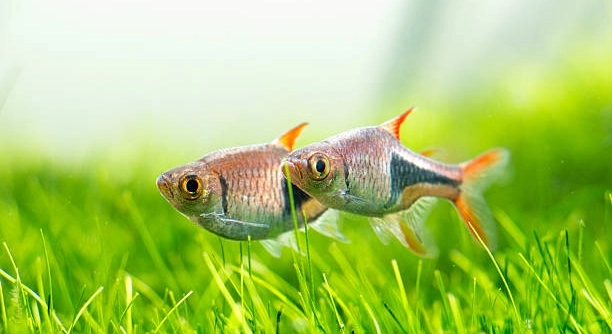
Are your rasboras swimming together yet somehow ignoring each other? Observing these small, vibrant fish can be puzzling when they show little interaction despite sharing the same tank. It can leave many aquarists feeling confused and concerned.
Rasboras may ignore each other due to stress, inadequate tank conditions, or improper group size. Ensuring proper water parameters, hiding spaces, and a sufficient number of tankmates encourages natural schooling behavior and social interaction among these fish.
Learning how to create the right environment will help restore your rasboras’ social behavior and overall wellbeing in the aquarium.
Common Reasons Rasboras Ignore Each Other
Rasboras may show little interaction for several reasons. One main factor is stress, often caused by sudden changes in water conditions, overcrowding, or aggressive tankmates. Even subtle shifts in temperature, pH, or hardness can make them hesitant to swim together. Another reason is insufficient group size; rasboras are schooling fish, and small groups may fail to exhibit normal social behavior. Lack of hiding spots or plants can also make them feel exposed, discouraging interaction. Additionally, some species are naturally more reserved or shy, taking time to adjust to new tanks or companions. Observing their behavior carefully over a few days can help identify the underlying cause and determine the best way to encourage schooling and interaction among your fish.
Ensuring the tank mimics their natural habitat can reduce stress and improve social behavior, helping your rasboras feel more confident and active.
With proper group size, balanced water conditions, and a secure environment, your rasboras are more likely to interact naturally. Regular monitoring and gradual adjustments encourage a harmonious tank.
Improving Social Interaction
Adding plants and hiding spots gives rasboras a sense of security, which encourages them to school more openly.
Providing adequate space, consistent water parameters, and a sufficient number of tankmates fosters natural schooling behavior. Adjusting lighting to avoid extremes and minimizing sudden disturbances helps them feel safe. Feeding them appropriately and consistently also promotes activity, keeping the group engaged. Over time, patience and careful observation allow you to notice subtle changes in their interactions. When rasboras feel secure, they will gradually swim closer together, interact more frequently, and display their natural, social patterns. This approach not only encourages active schooling but also supports their overall health and reduces stress-related issues. Monitoring the tank regularly ensures that any emerging problems are addressed early, keeping the fish content and cohesive as a group. Consistency in care is key to maintaining a lively and social environment.
Adjusting Tank Conditions
Keeping water parameters stable is essential for rasboras’ comfort. Sudden changes in temperature, pH, or hardness can make them retreat and avoid each other. Regular testing and small, gradual adjustments help maintain a consistent environment that supports natural behavior and interaction among tankmates.
Maintaining proper water temperature and quality encourages rasboras to be more active and social. They thrive in clean water with minimal fluctuations in pH and hardness. Overfeeding or leftover food can pollute the tank, causing stress and reducing interaction. Frequent partial water changes and careful monitoring ensure a healthy environment. A balanced diet and consistent feeding schedule also promote activity, helping them swim together naturally. Ensuring the tank size is sufficient for the group prevents overcrowding, which can further reduce schooling behavior.
Providing hiding spots, plants, and gentle filtration creates a sense of security. Rasboras feel safer and are more likely to explore and engage with each other. Observing their behavior allows for timely adjustments, ensuring long-term comfort and social interaction.
Group Size and Compatibility
Rasboras need a minimum group size to show natural schooling behavior. Small numbers often lead to isolation and avoidance.
Keeping at least six to eight rasboras together helps them feel secure and encourages interaction. Mixing species requires care; compatible tankmates prevent aggression or stress. A balanced, peaceful community tank allows rasboras to thrive socially while maintaining harmony. Introducing new fish gradually and monitoring responses prevents disruptions, ensuring the group remains cohesive. Consistent feeding, proper hiding spots, and stable water conditions support healthy interaction. Over time, larger, compatible groups exhibit natural patterns, swimming together and responding to each other’s movements, creating a dynamic and lively aquarium environment.
Feeding Habits
Rasboras may ignore each other if feeding is inconsistent. Uneven distribution of food can lead to competition or stress, making them avoid interaction. Small, frequent feedings help ensure all fish receive nourishment and reduce tension within the group.
Providing high-quality food in appropriate amounts supports healthy behavior. Overfeeding can foul water, while underfeeding increases stress.
Tank Environment
Plants, decorations, and hiding spots are essential for rasboras to feel secure. A cluttered or bare tank can discourage schooling, causing them to stay isolated or hidden.
Observation and Adjustment
Regularly watching your rasboras helps identify stressors or compatibility issues. Early detection allows for small adjustments in tank setup or group dynamics to encourage social interaction.
Patience and Consistency
Gradual changes in water conditions, feeding routines, and tank setup give rasboras time to adapt. Consistent care helps restore natural schooling behavior.
FAQ
Why are my rasboras hiding and not interacting?
Rasboras often hide when they feel stressed or unsafe. Poor water quality, sudden changes in temperature, or aggressive tankmates can cause them to retreat. Providing plants, decorations, and gentle filtration creates a secure environment, encouraging them to swim openly and interact naturally.
How many rasboras should I keep together?
Rasboras are schooling fish and require a group of at least six to eight individuals. Smaller groups may feel insecure, leading to isolation or avoidance. Larger groups tend to display natural schooling patterns, swimming together and interacting regularly. Proper group size also reduces stress and encourages active behavior.
Can water conditions affect their social behavior?
Yes, unstable water parameters can make rasboras retreat or ignore each other. Maintaining consistent temperature, pH, and hardness is crucial. Regular water testing and gradual adjustments, along with partial water changes, ensure a stable environment that supports social behavior.
Do tankmates influence rasboras’ interaction?
Tankmates have a strong impact on social behavior. Aggressive or overly active fish can stress rasboras, causing them to hide or ignore each other. Peaceful, compatible species help maintain harmony, allowing rasboras to swim together and display natural social patterns. Monitoring interactions and introducing new fish gradually is important.
Does feeding affect their behavior?
Feeding routines play a role in social interaction. Uneven or infrequent feeding can create competition or stress, leading to avoidance. Providing small, consistent meals of high-quality food ensures all fish are nourished and more likely to engage with each other. Avoid overfeeding to prevent water quality issues.
Why do rasboras sometimes act shy even in a proper group?
Some rasbora species are naturally reserved. They may take time to adapt to a new tank, environment, or companions. Offering hiding spots, maintaining stable conditions, and giving them time helps them feel safe, gradually encouraging schooling and interaction. Patience is key.
Can tank decorations impact their social behavior?
Yes, tank layout influences comfort levels. Too few hiding spots or plants can leave rasboras exposed, reducing interaction. Adding plants, driftwood, or rocks allows them to explore safely, feel secure, and swim together more confidently. A well-structured environment promotes natural schooling behavior.
How long does it take for rasboras to start interacting?
The time varies depending on species, tank setup, and prior stress. Some may adapt in a few days, while others take weeks. Gradual adjustments to water conditions, tankmates, and environment help them feel secure, promoting consistent social behavior over time.
Are there signs of stress I should watch for?
Signs include hiding excessively, clamped fins, erratic swimming, loss of appetite, or lethargy. Identifying stress early allows for corrections in water quality, tankmates, feeding, or environment, helping rasboras regain normal interaction and reduce health risks.
Can I improve interaction with small changes?
Yes, even minor adjustments often help. Improving water quality, adding plants, ensuring proper group size, and maintaining a consistent feeding routine can significantly encourage social behavior. Observing responses allows fine-tuning, creating a safe, active, and cohesive group of rasboras.
Rasboras are naturally social fish, but seeing them ignore each other can be frustrating. This behavior usually signals stress, insecurity, or an environmental imbalance. Paying attention to their tank conditions, group size, and daily care is essential. Ensuring stable water parameters, adequate space, and a suitable number of tankmates allows them to feel safe and comfortable. Even small adjustments, like adding plants or providing hiding spots, can make a significant difference in encouraging interaction. Observing your fish regularly helps you notice subtle changes in behavior, allowing timely adjustments before stress becomes a bigger issue.
Maintaining a consistent routine is equally important. Feeding at regular times with appropriate amounts of high-quality food ensures the fish stay nourished and active. Overfeeding or underfeeding can negatively impact water quality and stress levels, reducing social behavior. Tankmates also play a key role in shaping interactions. Peaceful, compatible species create a harmonious environment where rasboras can swim together and school naturally. Introducing new fish slowly and monitoring responses prevents conflict and helps maintain balance. Gradual, consistent care allows rasboras to adapt and regain confidence, which often encourages them to engage with each other.
Patience is a critical factor when working to improve social behavior in rasboras. Some species are naturally shy or reserved and may need more time to adjust to a new environment. By creating a secure, well-structured tank and minimizing sudden disturbances, you give them the chance to display natural schooling patterns. Over time, with proper care, monitoring, and adjustments, rasboras will begin to swim together, explore their surroundings, and interact more freely. Understanding their needs and making thoughtful changes fosters both their health and their social behavior, leading to a more lively and balanced aquarium.

Hello,
If you enjoy the content that we create, please consider saying a "Thank You!" by leaving a tip.
Every little bit helps us continue crafting quality advice that supports the health, happiness, and well-being of pets around the world, for pets of all shapes, sizes, and species.
We really appreciate the kindness and support that you show us!