
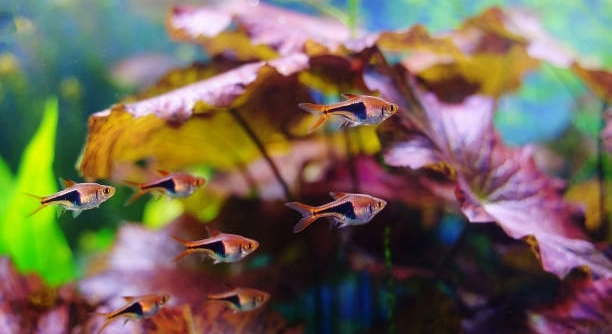
Rasboras are small, peaceful fish that bring life to any aquarium. Many hobbyists enjoy their graceful swimming and bright colors. Their adaptability often makes them a popular choice for both new and experienced fishkeepers alike.
Rasboras can adjust to different tank sizes, but their health and behavior are influenced by space, water quality, and social structure. Proper tank conditions ensure they thrive regardless of the aquarium’s dimensions.
Learning how tank size affects these fish can improve their well-being and make maintaining a harmonious aquarium much easier.
Ideal Tank Sizes for Rasboras
Finding the right tank size is important for rasboras to feel comfortable and safe. A small tank can make them feel crowded, leading to stress and irregular swimming patterns. Most rasboras do well in tanks that are at least 10 gallons, allowing them to swim freely. A larger tank is even better, especially if you want to keep a group of six or more. Tank width and length matter too because these fish enjoy horizontal swimming space. Decorations like plants and hiding spots help them feel secure but should not take away too much open water. Regular maintenance, such as water changes and monitoring ammonia levels, is easier in tanks with proper space. Providing enough room for swimming and proper filtration keeps their colors bright and their behavior natural. The balance between decorations and open space is key to a healthy tank environment for rasboras.
Smaller tanks may require more frequent cleaning to maintain water quality and prevent stress among the fish.
Even in larger tanks, group dynamics can influence how rasboras swim and interact. When keeping a school, spacing allows each fish to avoid aggressive encounters and reduces competition for food. Open swimming areas are crucial for their schooling behavior, while plants and stones offer resting spots and shelter from strong currents. Observing how they use the space helps you adjust decorations and placement. Water flow should be gentle but consistent, mimicking their natural habitat. Temperature and pH levels must remain stable, as fluctuations can affect their immune system. Feeding should be spread out so all fish get equal access. A well-planned tank balances comfort, visibility, and activity areas, ensuring rasboras remain active and stress-free. Monitoring behavior over time helps you notice any issues with tank size or setup early.
Adjusting Rasboras to Smaller Tanks
Rasboras can adapt to smaller tanks if proper care is maintained. Limiting the number of fish helps reduce stress and overcrowding.
Smaller tanks need diligent monitoring of water quality and consistent feeding schedules. Even minor neglect can impact health.
Keeping rasboras in a smaller tank requires careful planning. Regular water changes are essential to avoid a buildup of toxins, and using a reliable filter helps maintain clarity and oxygen levels. Plants should be chosen carefully so they provide hiding spots without taking too much swimming space. Schools should be limited to a few fish to prevent stress from crowding. Observing behavior is important, as any sign of aggression or lethargy may indicate that the space is insufficient. Lighting and temperature should remain stable to prevent additional stress. Even in a smaller tank, maintaining a balance between open swimming areas and covered spaces helps rasboras feel secure while still allowing natural schooling. A smaller tank can work well with thoughtful arrangement, routine care, and attention to social dynamics.
Social Behavior and Tank Size
Rasboras are schooling fish and feel safest in groups. Tank size affects how freely they can swim together, and overcrowding can lead to stress or aggressive behavior. Proper spacing encourages natural interaction and reduces competition for food and hiding spots.
Providing enough room allows rasboras to maintain their schooling behavior naturally. In small tanks, fish may appear jittery or cling to corners, while larger tanks let them move in coordinated groups. Observing their swimming patterns can indicate whether the tank meets their needs. Decorations should not block pathways, allowing continuous movement and reducing territorial disputes. The number of fish should match tank capacity to ensure comfort and balance.
A suitable tank also helps with feeding. Fish spread out comfortably, so all members get equal access to food. Space allows them to escape any minor conflicts and reduces stress. Maintaining stable water conditions in appropriately sized tanks further supports social harmony. Adjusting group size based on tank dimensions ensures each rasbora thrives physically and behaviorally.
Water Quality Considerations
Maintaining water quality is critical in all tank sizes. Poor conditions affect rasboras quickly and can lead to illness or death.
Regular water changes, filtration, and monitoring of pH and ammonia levels keep fish healthy. Smaller tanks require more frequent care because toxins accumulate faster. Temperature stability is also important.
Even slight changes in water quality can impact rasboras’ activity and coloration. Using a reliable filter, performing partial water changes weekly, and testing parameters ensures a safe environment. Overcrowding can worsen water conditions, making regular cleaning essential. Plants and substrate can help with natural filtration but do not replace proper maintenance. Feeding should be measured to avoid leftover food that contaminates water. By carefully balancing fish numbers, tank size, and cleaning routines, rasboras remain vibrant, active, and stress-free in their habitat.
Feeding and Tank Space
Rasboras eat small flakes, pellets, and occasional live food. Tank size affects how easily they can find food, as overcrowded tanks make feeding uneven.
Spreading food across the tank ensures all fish eat properly. In larger tanks, food distribution helps reduce competition and keeps the group healthy.
Decorating for Comfort
Plants, rocks, and hiding spots help rasboras feel secure. Decorations should provide shelter without reducing open swimming space. A balance between cover and free areas supports natural behavior and schooling patterns, making the tank more comfortable for all fish.
Observing Behavior
Watching rasboras interact reveals if tank size meets their needs. Stress, lethargy, or aggression often indicate adjustments are required to ensure their comfort and well-being.
FAQ
Can rasboras live in a small tank?
Yes, rasboras can live in a small tank, but careful attention is needed. Overcrowding should be avoided, and water quality must be monitored frequently. Smaller tanks may require more frequent water changes and careful feeding to prevent leftover food from polluting the water.
How many rasboras should be kept together?
Rasboras are schooling fish and feel safer in groups of at least six. Fewer fish can cause stress and erratic behavior. The number should also match the tank size to ensure each fish has enough space to swim freely and maintain social balance.
Does tank size affect rasboras’ health?
Tank size plays a major role in their physical and mental well-being. Small, crowded tanks can cause stress, reduced immunity, and slower growth. Larger tanks provide room for schooling, proper swimming, and natural behavior, which keeps rasboras active and healthy.
Can rasboras adapt to different water conditions?
Rasboras are relatively hardy, but sudden changes in water parameters can stress them. They prefer stable temperatures and a slightly acidic to neutral pH. Gradual adjustments are safer, especially in tanks of varying sizes, to ensure they adapt without health issues.
What decorations work best for rasboras?
Live or artificial plants, rocks, and driftwood work well. These decorations provide hiding spots without limiting swimming space. Overcrowding with decorations can stress the fish, so a balance of open areas and shelter is ideal for their natural schooling and resting behaviors.
How often should I feed rasboras?
Feeding twice a day with small portions is best. Uneaten food should be removed to maintain water quality, especially in smaller tanks. In larger tanks, spreading food across the surface ensures all fish can eat without competition, supporting healthy growth and behavior.
Do rasboras need a strong filter?
Moderate filtration is ideal. Strong currents can stress these small fish, while insufficient filtration can lead to poor water quality. Filters should maintain clarity, oxygenation, and toxin removal, with the flow adjusted to suit rasboras’ swimming and schooling needs.
Will rasboras reproduce in different tank sizes?
Yes, they can breed in both small and large tanks, but conditions matter. Providing plants for spawning and stable water parameters encourages reproduction. Smaller tanks require careful monitoring to avoid overcrowding once fry appear, while larger tanks allow better growth and survival of young fish.
How do I tell if my tank is too small?
Signs include stress, hiding, erratic swimming, or aggression. Fish that struggle to school properly or fight for food may be overcrowded. Adjusting tank size, reducing fish numbers, or rearranging decorations can help restore comfort and normal behavior.
Is tank maintenance different for small and large tanks?
Yes. Small tanks need more frequent water changes and monitoring because toxins accumulate faster. Larger tanks provide more stability but still require routine cleaning, testing, and maintenance. Proper care ensures rasboras stay healthy regardless of tank size.
Can rasboras share a tank with other species?
Rasboras are peaceful and can cohabit with similar-sized, non-aggressive fish. Tank size affects compatibility, as overcrowded conditions increase stress. Providing enough space and hiding areas for all species is key to maintaining harmony in a community tank.
How do I ensure my rasboras thrive?
Maintain stable water quality, provide appropriate tank size, keep proper school numbers, and offer balanced food. Decorations should balance shelter with open swimming space. Observing behavior regularly helps detect issues early, ensuring health and a natural, stress-free environment for all rasboras.
This FAQ covers practical concerns for keeping rasboras happy and healthy, showing that tank size, water quality, and proper care are all interconnected. Each factor affects their behavior, social interactions, and overall well-being. With attention and planning, rasboras can adapt and flourish in various tank setups.
Rasboras are small, peaceful fish that can bring color and movement to any tank. Their adaptability makes them popular for a range of aquarium setups, from smaller tanks to larger, more open spaces. However, their health and behavior depend largely on the space they are provided. A tank that is too small can cause stress and limit their natural swimming patterns, while a larger tank allows them to school freely and display their natural behaviors. Proper care, including monitoring water quality, maintaining stable temperatures, and providing enough room for swimming, plays a crucial role in keeping these fish healthy and active. Even small adjustments in tank size or layout can have a noticeable impact on their overall well-being.
Maintaining a proper balance between decorations and open swimming areas is also important for rasboras. Plants, rocks, and hiding spots give them places to feel secure, but overcrowding the tank with decorations can limit their movement and cause stress. Open areas are especially important for schooling behavior, allowing the fish to move together naturally. Observing how the fish interact and move within the tank can help determine if the space is adequate. Adjusting decorations or rearranging hiding spots can make a big difference in their comfort and behavior. Additionally, feeding should be managed carefully, with portions spread across the tank so all fish have access. This prevents competition and ensures that each fish receives enough nutrition, supporting healthy growth and vibrant colors.
Overall, understanding the relationship between tank size and the needs of rasboras is key to creating a healthy environment. Small tanks can work if maintained carefully, with attention to water quality, group size, and decoration placement. Larger tanks offer more freedom and help maintain social harmony among the fish, but they still require consistent care and observation. By providing appropriate space, stable water conditions, and a balanced environment, rasboras can thrive in a variety of setups. Careful attention to their needs ensures they remain active, stress-free, and visually striking in any tank. Thoughtful planning and ongoing care help rasboras adapt to their environment successfully, making them a rewarding choice for aquariums of all sizes.

Hello,
If you enjoy the content that we create, please consider saying a "Thank You!" by leaving a tip.
Every little bit helps us continue crafting quality advice that supports the health, happiness, and well-being of pets around the world, for pets of all shapes, sizes, and species.
We really appreciate the kindness and support that you show us!