
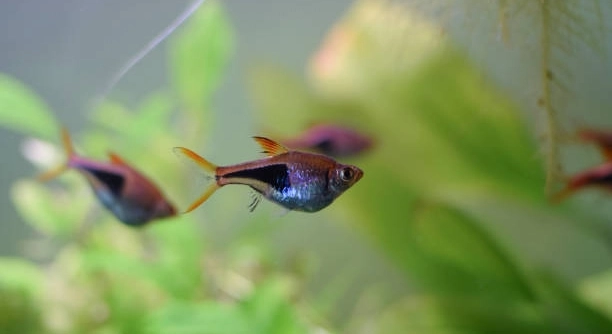
Have you ever noticed your rasbora staying in one spot for long periods, barely moving through the water? It can be puzzling, especially when you expect your fish to swim actively and explore its tank environment.
Rasboras often hover due to stress, water quality issues, or illness. Poor water conditions, sudden temperature changes, or lack of proper nutrition can cause them to remain stationary, conserving energy until they feel safe and healthy again.
Observing your fish closely can reveal patterns that help improve their well-being and restore normal swimming behavior.
Common Reasons Rasboras Hover in One Spot
Rasboras may hover for several practical reasons. One main factor is water quality. High ammonia or nitrite levels, or sudden changes in pH, can stress them. Temperature fluctuations also affect their swimming; rasboras prefer stable, slightly warm water. Another factor is diet. Poor nutrition or irregular feeding can reduce energy levels, causing them to stay still. Sometimes, their tank setup plays a role. Lack of hiding places or overcrowding can make a rasbora feel unsafe. Illness or parasites are also possibilities. A fish with internal issues or infections may hover to conserve energy. Observing other behaviors, such as clamped fins or pale colors, can help identify a problem. Ensuring the tank is properly cycled, maintaining regular feeding schedules, and checking water parameters can prevent long-term stress. Providing plants or decorations allows them to feel secure and encourages more natural movement throughout the tank.
Stress, illness, or poor water conditions are common reasons for hovering, often requiring attention to restore comfort.
Keeping a close eye on behavior is key. Notice if hovering occurs at certain times, after feeding, or near the surface. Small changes, like adding plants or adjusting water parameters, can make a big difference. Regularly testing water and maintaining a consistent environment ensures rasboras remain active and healthy.
How to Improve Your Rasbora’s Behavior
Small adjustments in tank care can significantly impact your rasbora’s activity. Ensuring proper water temperature, a stable pH, and clean water helps reduce stress. Adding plants or hiding spots gives a sense of security. Feeding a balanced diet keeps energy levels up, promoting normal swimming patterns.
Observing your fish closely allows early detection of health issues. Illnesses such as ich, fin rot, or swim bladder problems can limit movement. Prompt action, like isolating affected fish and treating them, helps recovery. Maintaining regular water changes, avoiding overcrowding, and monitoring water chemistry consistently prevents many common problems. Even subtle stressors, like sudden light changes or loud noises, can affect behavior. By addressing these factors, you encourage active, healthy rasboras. Over time, creating a stable environment and monitoring their health ensures they swim confidently, interact naturally, and enjoy their habitat fully. Consistency and attention to detail are essential for their well-being and long-term vitality.
Adjusting Water Conditions
Keeping water stable is essential for rasboras. Sudden changes in temperature, pH, or hardness can make them hover and stay still. Regular testing and gentle adjustments help them feel secure.
Monitoring temperature, pH, and ammonia levels daily ensures a safe environment. Rasboras thrive in slightly warm water with neutral pH and low ammonia. Sudden swings in these factors cause stress and affect swimming. Gradual water changes, instead of large replacements, help maintain balance. Using a reliable heater and filter ensures stable conditions. Observing how your fish respond after changes allows you to see if adjustments are effective.
Consistency in water care encourages active behavior. Rasboras will explore and interact naturally when they feel secure. Adding gentle aeration or a light current can mimic natural conditions. Avoid overcrowding, as it increases stress. Keeping the tank clean with weekly maintenance supports overall health. Over time, stable conditions reduce hovering and promote energy.
Nutrition and Feeding
Providing a balanced diet is crucial for rasbora energy levels. Poor nutrition can make them lethargic and hover in one spot. High-quality flakes, pellets, and occasional live or frozen foods keep them active.
Feeding small amounts multiple times a day prevents overfeeding and ensures they get proper nutrients. Variety in diet, including protein-rich and plant-based options, supports growth and health. Uneaten food should be removed promptly to maintain water quality. Observing feeding habits can reveal appetite changes or early signs of illness. Supplementing with vitamins or frozen treats occasionally boosts vitality. Proper feeding routines help rasboras swim actively, interact with tank mates, and reduce stress-related hovering. Creating a consistent feeding schedule strengthens their overall well-being and encourages normal movement patterns.
Tank Setup and Environment
Adding plants, decorations, and hiding spots helps rasboras feel safe. Open swimming areas combined with shelters encourage natural movement and reduce hovering.
Overcrowding can increase stress and limit activity. Maintaining a proper fish-to-tank ratio allows each rasbora enough space to swim freely. Proper arrangement of décor ensures they have places to explore and rest, balancing security and activity.
Monitoring Health Signs
Clamped fins, pale colors, or rapid gill movement indicate stress or illness. Observing these signs early allows prompt action.
Healthy rasboras are active, responsive, and maintain bright coloration. Regular observation helps detect changes in behavior or appearance. Early intervention with water adjustments or treatment prevents worsening conditions and supports their long-term well-being.
Reducing Stress
Minimizing sudden noise or movement around the tank keeps rasboras calm. Stress reduction encourages normal swimming patterns.
FAQ
Why is my rasbora hovering near the surface?
Rasboras may stay near the surface when oxygen levels in the water are low. Checking aeration and adding a gentle filter flow can improve oxygen circulation. Overcrowding or high water temperature also reduces oxygen availability, causing them to hover at the top.
Can water temperature affect hovering?
Yes, temperature fluctuations can stress rasboras. They prefer stable, slightly warm water. Sudden drops or rises make them conserve energy by hovering. Using a reliable heater and monitoring temperature daily prevents stress and promotes active swimming.
Is hovering always a sign of illness?
Not always. Hovering can result from temporary stress, water changes, or adjustment to a new tank. However, if accompanied by clamped fins, pale colors, or lack of appetite, it may indicate illness requiring attention. Observation over a few days helps determine the cause.
How does tank size influence hovering behavior?
Smaller or overcrowded tanks increase stress, limiting swimming space. Rasboras feel safer in a properly sized tank with enough room for group movement. Providing open swimming areas along with plants for hiding helps them feel secure and active.
Can diet make a difference in activity levels?
Absolutely. Poor nutrition reduces energy and may cause hovering. Feeding high-quality flakes, pellets, and occasional live or frozen foods keeps rasboras active. Balanced feeding schedules and variety support overall health and encourage natural swimming behavior.
Are there specific signs that indicate stress?
Yes, signs include clamped fins, rapid gill movement, loss of color, or sudden hovering in one spot. Stress can result from water quality issues, overcrowding, or sudden changes in lighting. Early detection allows preventive measures and reduces long-term health risks.
Does adding plants help reduce hovering?
Yes, plants provide hiding spots, making rasboras feel safe. They reduce stress by offering a secure environment while still leaving open swimming areas. Live plants also contribute to water quality by absorbing some waste, which helps maintain a healthier habitat.
How often should I check water parameters?
Daily monitoring of temperature, pH, and ammonia levels is recommended, especially if rasboras are hovering or showing stress signs. Regular checks allow early intervention to prevent issues and maintain a stable, healthy environment.
Can tankmates affect hovering behavior?
Yes, aggressive or overly active tankmates may intimidate rasboras, causing them to stay still. Choosing peaceful community fish ensures they can swim comfortably and reduces stress-related hovering. Observing interactions helps determine if tankmates are contributing to the issue.
When should I seek professional help?
If hovering continues despite stable water, proper diet, and a safe tank setup, or if physical symptoms appear, consulting an aquatic veterinarian or experienced fish keeper is advised. Early intervention improves the chances of recovery and prevents worsening conditions.
Can water changes impact hovering?
Yes, sudden or large water changes can stress rasboras, leading to hovering. Gradual changes, around 10–20% weekly, help maintain water quality without shocking them. Monitoring their response after changes ensures the environment remains comfortable.
Does lighting affect rasbora behavior?
Bright or fluctuating light can cause stress and hovering. Consistent, moderate lighting that mimics natural daylight helps them feel secure and encourages normal activity. Providing shaded areas or plants also reduces stress from light intensity.
How long does it take for rasboras to return to normal activity?
Recovery depends on the cause. With stable water, proper nutrition, and reduced stress, most rasboras resume normal swimming within a few days to a week. Persistent hovering may indicate underlying health problems that need treatment.
Are there any common mistakes that lead to hovering?
Common mistakes include sudden water changes, overfeeding, overcrowding, poor diet, and ignoring signs of illness. Maintaining consistent care, observing behavior, and addressing problems early prevent prolonged hovering and support long-term health.
Does age affect hovering behavior?
Young or newly introduced rasboras may hover while adjusting to their environment. Older or weaker fish may hover due to declining energy or minor health issues. Monitoring and providing a safe, comfortable habitat ensures activity levels remain normal across ages.
Can water hardness play a role?
Yes, extreme hardness or sudden changes in water hardness can stress rasboras, causing them to hover. Maintaining moderate hardness suitable for their species and avoiding sudden shifts supports comfort and normal swimming behavior.
Is it normal for rasboras to hover at night?
Some hovering at night can be normal, as fish rest differently than humans. However, if hovering is constant or paired with other stress signs, it may indicate environmental or health problems that need attention.
How do I know if my rasbora is adjusting to a new tank?
Hovering during the first few days in a new tank is common. They are assessing surroundings and finding hiding spots. Gradually, as they become familiar and comfortable, normal swimming patterns resume, showing successful adjustment.
What role does tank cleaning play in hovering behavior?
Regular cleaning prevents ammonia spikes and harmful bacteria growth. Poor hygiene increases stress and contributes to hovering. Weekly partial water changes, substrate cleaning, and filter maintenance help maintain a healthy, comfortable environment.
Can seasonal changes affect activity?
Yes, temperature shifts or changes in room lighting during different seasons can impact rasboras. Maintaining stable tank conditions and avoiding sudden environmental changes reduces stress and keeps swimming behavior consistent.
Rasboras are small, lively fish, but their behavior can sometimes confuse even experienced aquarists. When they hover in one spot, it is often a sign that something in their environment or routine needs attention. Many factors contribute to this behavior, ranging from water quality and temperature to tank setup and diet. Understanding what makes your rasbora feel stressed or unwell is key to helping it regain normal activity. Observing your fish closely and noting any changes in movement, coloration, or appetite can provide important clues about its health. Acting on these observations promptly ensures that minor issues do not turn into serious problems.
Creating a stable, comfortable environment for rasboras involves multiple steps. Water quality is one of the most critical factors. Regular testing for ammonia, nitrite, and pH levels allows you to maintain safe conditions. Gradual water changes prevent sudden fluctuations that can stress fish. Temperature stability is equally important, as rasboras thrive in slightly warm water. Providing hiding spots with plants or decorations gives them a sense of security, while still leaving open swimming areas to encourage natural movement. Proper feeding routines and a balanced diet help maintain energy levels, reducing the likelihood of prolonged hovering. Even small adjustments, such as moderating light intensity or limiting sudden noise around the tank, can improve their comfort and activity.
Patience and consistency are essential when caring for rasboras. Behavior may not change immediately, but with careful observation, proper care, and minor adjustments, most fish return to normal activity within days or weeks. Stress-related hovering is often temporary, but persistent or worsening behavior may signal illness, in which case professional advice can be helpful. By paying attention to environmental conditions, diet, and overall tank health, you create a setting where rasboras feel secure, energetic, and confident. Maintaining this environment over time ensures they can swim freely, interact with their tank mates, and enjoy a healthy life. Observing their behavior regularly and making thoughtful adjustments fosters long-term well-being and allows you to enjoy watching these small, colorful fish thrive.

Hello,
If you enjoy the content that we create, please consider saying a "Thank You!" by leaving a tip.
Every little bit helps us continue crafting quality advice that supports the health, happiness, and well-being of pets around the world, for pets of all shapes, sizes, and species.
We really appreciate the kindness and support that you show us!