
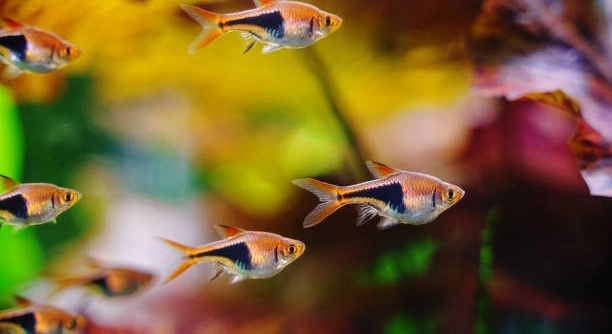
Rasboras are small, colorful fish that many aquarists enjoy keeping. They are peaceful, active swimmers that thrive in community tanks with stable water conditions and proper care routines. Their delicate nature makes attention essential.
Rasboras thrive long-term when kept in clean, stable water with consistent temperature and pH levels, a balanced diet, and a stress-free environment that includes hiding spots, open swimming space, and compatible tankmates. Proper care ensures their health and longevity.
Maintaining the right environment and feeding habits is only part of the story. Observing their behavior and adjusting care routines helps support their well-being over time.
Creating the Ideal Tank Environment
Rasboras do best in aquariums that mimic their natural habitat. A tank with plenty of plants, open swimming areas, and hiding spots keeps them comfortable and reduces stress. Maintaining stable water temperature between 74–80°F and a pH around 6.5–7.0 is essential. Avoid sudden changes in water conditions, as they can cause illness or stress. Using a good filtration system ensures water remains clear and free of harmful chemicals. Light levels should be moderate to replicate natural conditions, and regular water changes help maintain a healthy environment. Substrate choices like fine gravel or sand work well and allow natural behavior. Decorations like driftwood or smooth rocks provide both shelter and visual interest. Keeping the tank well-oxygenated supports their energy and overall activity. Grouping them in small schools of at least six helps maintain social behavior and reduces anxiety. Observing how they interact with each other can signal when adjustments are needed in their setup.
Stable water and consistent temperature are key for long-term health and vitality in rasboras.
Regular monitoring of water parameters and tank cleanliness prevents common health issues. Adjusting tank setup based on their behavior supports thriving populations.
Feeding and Nutrition
Balanced diets are vital for rasboras to grow healthy and active.
Rasboras need a mix of high-quality flakes, micro-pellets, and occasional live or frozen food.
Providing varied food keeps their diet complete and encourages natural foraging behavior. Small, frequent feedings prevent overfeeding and maintain water quality. They respond well to foods rich in protein and nutrients, which support vibrant colors and strong immune systems. Supplementing with live foods like daphnia, brine shrimp, or microworms mimics their natural feeding habits and stimulates activity. Vegetables like finely blanched spinach or zucchini can also be offered occasionally. Observing which foods they prefer helps tailor feeding routines for each group. Feeding at consistent times helps regulate their metabolism, and removing uneaten food prevents water contamination. Combining different types of food ensures they receive necessary vitamins and minerals, supporting long-term health and resilience against disease. Over time, a carefully managed diet contributes to strong, active fish that remain vibrant in appearance and behavior.
Monitoring Water Quality
Regular testing of water parameters is essential to keep rasboras healthy. Ammonia, nitrite, and nitrate levels must remain low, while pH and temperature should stay stable to prevent stress and illness.
Testing water weekly helps catch small changes before they become serious problems. Using reliable test kits ensures accurate readings and guides timely adjustments. If ammonia or nitrite rises, partial water changes can quickly restore safe conditions. Nitrate levels should also be managed with regular cleaning and filtration. Temperature fluctuations can be minimized by using a stable heater and avoiding placing the tank near drafts or direct sunlight. Observing fish behavior often indicates water quality issues early, allowing proactive intervention. Consistency in water conditions supports long-term health, reduces disease risks, and ensures rasboras remain active, colorful, and stress-free.
Keeping up with water changes, monitoring, and cleaning equipment regularly contributes to a stable environment that promotes thriving fish.
Social Behavior and Tankmates
Rasboras are schooling fish and should always be kept in groups of at least six. Their social behavior reduces stress and encourages natural activity patterns, promoting overall health.
Choosing compatible tankmates prevents aggression and stress. Ideal companions include other peaceful species of similar size, such as tetras, small rasboras, and non-aggressive bottom dwellers. Avoid keeping them with large or territorial fish, which may intimidate or harm them. Observing interactions among tankmates ensures everyone is comfortable, and adjusting groupings if signs of stress appear is important. Maintaining open swimming areas alongside hiding spots helps all fish coexist peacefully. A well-planned community tank supports the social and physical needs of rasboras, allowing them to display natural behaviors, maintain color vibrancy, and thrive long-term.
Lighting and Plant Setup
Moderate lighting supports both rasboras and live plants, creating a natural environment. Too much light can stress the fish, while too little slows plant growth.
Floating plants or shaded areas provide shelter and reduce stress. Dense plant coverage also helps mimic their natural habitat.
Disease Prevention and Observation
Regular observation helps catch early signs of illness, such as unusual swimming patterns, discoloration, or loss of appetite. Quarantining new fish before introducing them prevents disease spread. Keeping the tank clean, avoiding overfeeding, and maintaining stable water parameters reduces infection risks and supports strong immune systems.
Breeding Considerations
Rasboras breed best in well-maintained tanks with slightly acidic water and abundant fine-leaved plants. Controlled temperature and clean water encourage spawning, while separating fry ensures higher survival rates and healthy development.
Consistency in Care
Regular feeding, water testing, and tank maintenance build trust and stability for rasboras. Small daily habits lead to long-term health and active behavior.
FAQ
How many rasboras should I keep in one tank?
Rasboras are schooling fish and feel safest in groups. Keeping at least six together helps them display natural behavior and reduces stress. Smaller numbers can lead to timid behavior, while larger groups increase activity and social interaction, making the tank more dynamic.
What is the ideal tank size for rasboras?
A minimum of 10 gallons works for a small school, but larger tanks allow more swimming space and better water stability. A wider tank is better than a tall one, as it gives them horizontal swimming room, which suits their natural habits.
What water parameters are best for rasboras?
Temperature should remain between 74–80°F with a pH of 6.5–7.0. Ammonia and nitrite must be zero, and nitrate should be kept below 20 ppm. Maintaining stable parameters avoids stress and disease, which are common when conditions fluctuate frequently.
What should I feed my rasboras?
They thrive on a varied diet of high-quality flakes, micro-pellets, and occasional live or frozen foods like brine shrimp or daphnia. Supplementing with finely blanched vegetables adds fiber. Feeding small amounts twice a day prevents overfeeding and keeps water quality stable.
Can rasboras live with other fish?
Yes, they do well with peaceful species of similar size, such as small tetras or bottom dwellers like corydoras. Avoid aggressive or large fish that may chase or stress them. Observing interactions helps ensure all tankmates coexist peacefully.
How often should I change the water?
Partial water changes of 20–30% weekly help maintain water quality. More frequent changes may be necessary in smaller tanks or heavily stocked setups. Using dechlorinated water at the same temperature prevents sudden stress.
Do rasboras need plants in their tank?
Live plants are highly beneficial, offering hiding spots and shelter. Fine-leaved plants, floating greenery, and dense areas reduce stress and mimic their natural environment, encouraging natural swimming and foraging behavior.
How can I tell if my rasboras are stressed?
Signs include hiding excessively, clamped fins, loss of color, and erratic swimming. Stress often results from poor water quality, aggressive tankmates, or sudden changes in the environment. Regular observation and prompt adjustments help maintain their well-being.
Is breeding rasboras difficult?
Breeding requires stable, clean water, slightly acidic conditions, and fine-leaved plants. Raising fry is easier in a separate tank to prevent them from being eaten. Temperature consistency and frequent water changes improve spawning success and fry survival.
What are common health issues for rasboras?
Stress-related illnesses include fungal or bacterial infections and parasites. Maintaining clean water, avoiding overcrowding, and feeding a balanced diet reduces the risk. Early detection through observation allows prompt treatment, improving recovery rates.
How long do rasboras live?
With proper care, rasboras can live 4–6 years on average. Longevity depends on stable water, a balanced diet, stress-free conditions, and consistent observation to catch health issues early.
Can rasboras tolerate changes in temperature or pH?
They are sensitive to sudden fluctuations. Gradual adjustments are necessary if changes are required. Sudden swings can cause stress, immune suppression, or death, so monitoring and slow acclimation are essential.
Are rasboras active during the day or night?
Rasboras are diurnal, meaning they are most active during the day. Proper lighting and a stable environment encourage natural swimming and feeding routines while reducing stress during nighttime rest periods.
Do rasboras require a special filtration system?
A gentle filtration system that keeps water clean without strong currents works best. Strong currents can tire them, while stagnant water can lead to poor water quality. Choosing the right filter ensures healthy conditions for long-term survival.
How can I improve their color?
A balanced diet rich in protein and nutrients enhances natural coloration. Providing live plants, hiding spaces, and a stress-free environment also supports vibrant colors and overall health. Consistency in water quality and feeding habits keeps them looking their best.
Are there specific decorations that help rasboras thrive?
Smooth rocks, driftwood, and dense plants create safe spaces for hiding and exploring. Open swimming areas alongside hiding spots support natural behavior. Avoid sharp or rough objects that may injure their delicate fins.
How often should I clean the tank?
Routine maintenance, including removing debris, cleaning the substrate, and checking equipment weekly, supports stable water quality. Partial water changes complement cleaning, reducing the buildup of harmful substances while keeping the environment safe.
Can rasboras coexist with shrimp or snails?
Yes, peaceful invertebrates like snails and small shrimp can share the tank. They do not compete for space or food and contribute to tank cleanliness by consuming leftover food and algae.
What is the best way to acclimate new rasboras?
Float the bag in the tank for 15–20 minutes, gradually mixing tank water into the bag. Slowly releasing them prevents shock from temperature and water chemistry differences, allowing smooth adjustment to their new environment.
How do I know if my tank is overstocked?
Signs include excessive waste, cloudy water, and stressed fish. Overstocking increases ammonia and nitrate levels, raising disease risk. Monitoring population size and water parameters ensures a balanced and safe environment.
Are rasboras sensitive to medication?
Yes, many common fish medications can stress or harm rasboras. Always follow dosing instructions, avoid overdosing, and consider removing sensitive species from medicated tanks if possible. Observation during treatment helps prevent adverse effects.
Do rasboras require special care during winter?
If kept indoors, stable room temperature usually suffices. For outdoor tanks, gradual acclimation to cooler water is needed. Sudden temperature drops can stress or kill them, so maintaining warmth and consistency is essential.
Can rasboras tolerate different lighting schedules?
They do best with consistent day-night cycles, roughly 10–12 hours of light. Irregular lighting can disrupt feeding and activity patterns, increasing stress. Timers help maintain consistency and support natural behaviors.
How do I encourage natural behavior in rasboras?
Providing open swimming areas, hiding spots, live plants, and a varied diet encourages exploration, schooling, and foraging. Observing their interactions ensures the environment meets both social and physical needs. Consistency in care supports natural behaviors over time.
What should I do if a rasbora becomes sick?
Isolate the affected fish in a quarantine tank, test water parameters, and treat with appropriate medications. Observe closely and maintain clean water. Prompt action improves recovery chances and prevents disease spread to other fish.
Are there specific water conditioners for rasboras?
Dechlorinators and detoxifiers that neutralize heavy metals and chlorine are recommended. These protect sensitive fish from harmful chemicals in tap water. Regular use during water changes ensures a safe, stable environment.
Do rasboras require aeration?
Moderate aeration supports oxygen levels without creating strong currents. Air stones or gentle filtration help maintain oxygenation while keeping water calm for comfortable swimming conditions.
Can rasboras tolerate tap water?
Tap water is acceptable if treated to remove chlorine, chloramine, and heavy metals. Testing parameters and adjusting pH or hardness ensures safe conditions. Untreated water can be toxic and harmful to their health.
How can I prevent aggression in a rasbora tank?
Keeping them in sufficient numbers and with peaceful tankmates reduces aggression. Dense plants and hiding spots allow retreat, while avoiding overcrowding keeps social stress minimal. Observing interactions allows adjustments to maintain harmony.
Do rasboras need a separate breeding tank?
A separate breeding tank increases fry survival by protecting them from adult fish. Fine-leaved plants or spawning mops provide safe places for eggs. Clean water and stable parameters encourage successful spawning and healthy growth.
How fast do rasboras grow?
Growth depends on diet, water quality, and stress levels. With proper care, they reach adult size within 6–12 months. Consistent feeding and stable conditions promote healthy development and vibrant coloration.
What are the signs of overfeeding?
Cloudy water, uneaten food, and sluggish fish indicate overfeeding. Adjust portion sizes and feed smaller amounts more frequently to prevent water quality issues and maintain healthy, active fish.
Can rasboras live with bettas?
Bettas can be aggressive, so careful observation is required. Only very calm, non-territorial bettas may coexist, and providing hiding spots is crucial to avoid stress and fin damage.
Is it necessary to use a heater in the tank?
Yes, a heater maintains stable temperature within their preferred range. Fluctuating temperatures increase stress and susceptibility to disease. Choosing a reliable heater ensures consistent conditions for long-term health.
Do rasboras require specific substrate types?
Fine gravel or sand is ideal, allowing natural foraging without injuring delicate fins. Avoid sharp or coarse materials that can cause damage or stress. Substrate choice also influences plant growth and water chemistry.
How often should I trim plants?
Regular trimming prevents overcrowding, promotes healthy growth, and maintains swimming space. Removing decaying plant material also helps maintain water quality and reduces the risk of disease.
Can rasboras tolerate brackish water?
They are freshwater fish and do not tolerate brackish conditions well. Maintaining consistent freshwater with proper parameters ensures health, color vibrancy, and long-term survival.
What is the best way to acclimate fry?
Fry require gradual introduction to tank water, small frequent feedings, and gentle aeration. Stable water conditions and protection from adult fish improve survival rates and growth consistency.
Do rasboras recognize their owners?
They may respond to routine feeding and movement near the tank, but recognition is limited. Consistent care builds trust, making them less skittish and more comfortable in their environment.
How long does it take for rasboras to adjust to a new tank?
Acclimation typically takes a few days to a week. Providing hiding spots, stable water conditions, and minimal disturbance during this period helps reduce stress and encourages normal behavior.
Are rasboras sensitive to noise?
Excessive vibrations or loud noises can stress them. Keeping the tank in a stable, quiet area helps maintain calm behavior and reduces the risk of illness.
Can I keep different rasbora species together?
Yes, as long as they have similar size, temperament, and water requirements. Careful observation ensures compatibility and reduces competition or stress in the tank.
Do rasboras need a specific type of filter media?
Standard biological and mechanical filtration is sufficient. Sponges or fine pads prevent small fry from being sucked in, while maintaining water clarity and supporting beneficial bacteria.
How do I know if my rasboras are healthy?
Bright coloration, active swimming, regular feeding, and social interaction indicate good health. Sudden changes in behavior or appearance signal potential issues needing prompt attention.
Can rasboras survive without plants?
Yes, but plants improve water quality, reduce stress, and provide hiding spaces. Bare tanks can make them feel exposed, increasing skittish behavior and risk of illness.
What is the ideal school size for smaller tanks?
Even in smaller tanks, groups of at least six are recommended. This maintains natural schooling behavior, reduces stress, and encourages active swimming patterns.
Are rasboras sensitive to chemicals from cleaning products?
Yes, even small residues from detergents or sprays can be harmful. Always wash hands thoroughly and rinse equipment before touching the tank or water.
How do I prevent algae growth?
Moderate lighting, regular water changes, and avoiding overfeeding help control algae. Live plants also compete for nutrients, reducing algae buildup while providing a natural environment.
Do rasboras need hiding spots in open tanks?
Yes, even in open swimming areas, small plants, driftwood, or decorations offer security. Hiding spots reduce stress and allow rest periods, supporting overall health and behavior.
Can rasboras live in nano tanks?
They can, but only in groups of six or more with careful monitoring. Smaller tanks require frequent water changes and stable parameters to prevent stress and maintain health.
What is the best way to clean decorations?
Rinse decorations in dechlorinated water and scrub lightly with a soft brush. Avoid soap or chemicals, which can harm fish or disrupt beneficial bacteria.
Do rasboras prefer still or flowing water?
Moderate water flow is best. Strong currents tire them, while stagnant water reduces oxygen levels. Gentle filtration provides the ideal balance for healthy swimming.
Are rasboras prone to fin rot?
Yes, fin rot can occur if water quality is poor or stress is high. Maintaining clean water, avoiding injuries, and providing hiding spaces prevents infections and supports fin health.
How often should I replace filter media?
Replace or clean filter media according to the manufacturer’s instructions. Avoid replacing all media at once to preserve beneficial bacteria, ensuring stable water quality.
Do rasboras need supplemental vitamins?
A varied diet with flakes, pellets, and live foods generally provides necessary nutrients. Occasional supplementation can enhance health and coloration but is usually not required if diet is balanced.
Can rasboras tolerate cooler water?
Slight drops are tolerated briefly, but prolonged exposure to temperatures below 74°F can slow metabolism, reduce activity, and increase susceptibility to illness. Stable warmth is crucial.
Are there specific signs of aging in rasboras?
Older fish may show slower swimming, duller coloration, or reduced appetite. Maintaining good water quality and diet helps prolong vitality and quality of life.
Do rasboras need constant supervision?
Daily observation is sufficient to notice behavior changes, feeding habits, and early signs of stress or disease. Frequent but brief monitoring keeps them healthy without disturbance.
How can I introduce new tankmates safely?
Quarantine new fish, gradually acclimate them to water conditions, and observe interactions closely. Introducing them at the same time or in neutral areas reduces territorial disputes and stress.
What are signs of water toxicity?
Erratic swimming, gasping at the surface, clamped fins, and lethargy indicate poor water quality. Immediate testing and partial water changes are necessary to restore safe conditions.
Can rasboras adapt to different tank shapes?
They adapt as long as horizontal swimming space is available. Wide tanks are preferred over tall tanks to allow natural schooling and swimming behavior.
Do rasboras interact with each other socially?
Yes, they school tightly, chase lightly, and communicate through movement. Social interaction reduces stress, encourages activity, and supports natural behavior in the aquarium.
Is it safe to add decorations while fish are present?
Yes, but do so carefully to avoid sudden water disturbance. Placing decorations slowly and ensuring no sharp edges prevents injury or stress.
Can rasboras tolerate hard water?
Moderate hardness is acceptable, but very hard water can stress them. Maintaining stable parameters closer to their natural soft water environment ensures health and longevity.
Do rasboras require supplemental aeration in planted tanks?
Generally, planted tanks provide sufficient oxygen, but gentle aeration can help maintain stable levels during heavy stocking or feeding periods.
Are rasboras sensitive to light changes?
Sudden bright light can stress them. Gradual adjustment and a consistent day-night cycle help maintain normal behavior and reduce hiding or erratic swimming.
What is the average lifespan of a rasbora in captivity?
With proper care, they live 4–6 years, sometimes longer. Stable water, proper feeding, and stress-free conditions maximize lifespan and maintain health and color.
How do I handle a sick rasbora?
Use gentle nets or containers to move them. Isolate in a quarantine tank, maintain clean water, and administer appropriate treatment while observing for recovery signs.
Can rasboras live in a planted-only tank?
Yes, planted-only tanks provide hiding spaces, natural cover, and improved water quality. Dense vegetation encourages natural swimming and reduces stress while maintaining oxygen levels.
Do rasboras prefer slow-moving or fast-moving water?
They thrive in slow to moderate currents. Strong currents can exhaust them, while still water may reduce oxygen levels. Gentle flow promotes natural behavior.
Are rasboras prone to stress during water changes?
Sudden changes can stress them. Using water at the same temperature and gradually introducing it reduces shock and maintains stability. Partial, consistent changes are best.
Can rasboras live with goldfish?
No, goldfish may outcompete them for food and produce excessive waste. Temperature differences and aggressive behavior make coexistence risky. Separate tanks are recommended.
Do rasboras need a lid on the tank?
A lid prevents jumping and helps maintain stable water conditions. While they are generally calm, a secure cover ensures safety and prevents accidental escape.
Are rasboras affected by vibrations or tank movement?
Yes, excessive vibrations can stress them. Placing the tank on a stable, quiet surface reduces fear and supports natural swimming and social behavior.
What is the best way to handle rasboras during maintenance?
Minimize direct handling. Use nets carefully, avoid sudden movements, and keep procedures quick to reduce stress. Observing behavior before and after maintenance ensures they recover quickly.
How do I prevent fungal infections?
Maintaining clean water, avoiding injuries, and providing a stress-free environment reduces fungal growth. Prompt treatment at first signs improves recovery and prevents spread.
Can rasboras tolerate fluctuating light schedules?
No, irregular lighting disrupts feeding and activity patterns. Consistent day-night cycles maintain normal behavior and reduce stress. Timers help ensure reliable schedules.
Do rasboras need special care during molting of tank shrimp?
They generally ignore molting shrimp. Ensure enough hiding places for shrimp to reduce predation, and maintain water quality to support both species.
Are rasboras sensitive to household chemicals?
Yes, fumes or residues from cleaners, sprays, or aerosols can harm them. Keep the tank away from chemicals and wash hands thoroughly before tank interaction.
Do rasboras need a specific type of water flow?
Moderate, gentle flow is ideal. It maintains oxygenation without tiring the fish or disturbing plants. Strong currents can increase stress and reduce swimming activity.
How do I prevent disease after adding new fish?
Quarantine new fish, monitor behavior, and maintain optimal water parameters. Avoid introducing sick or stressed fish to reduce the risk of spreading disease to established rasboras.
Can rasboras live in soft water?
Yes, soft water is closer to their natural habitat. Maintaining stable softness supports health, coloration, and breeding behavior.
Do rasboras require a specific feeding routine?
Consistent feeding times twice daily with small portions support metabolism and reduce overfeeding. Variety in diet ensures balanced nutrition and vibrant colors.
**Are rasboras sensitive to air
Rasboras are small, peaceful fish that bring color and activity to any community tank. Their long-term health depends largely on the environment you provide. Stable water parameters, including temperature, pH, and low levels of ammonia and nitrites, form the foundation of their well-being. Even minor fluctuations can cause stress, which may lead to illness or shorter lifespans. Regular monitoring and consistent water changes are essential practices. A reliable filtration system keeps the water clear and removes harmful substances, while moderate lighting and a balanced layout with plants and open swimming space make the tank more natural and comfortable. Observing your rasboras daily allows you to spot early signs of stress or health problems, ensuring you can take action before issues become serious. Simple routines like these can have a significant impact on their overall vitality and longevity.
Feeding plays an equally important role in their long-term success. A varied diet of high-quality flakes, micro-pellets, and occasional live or frozen foods provides the essential nutrients they need. Supplementing with small amounts of blanched vegetables adds fiber and encourages natural foraging behaviors. Overfeeding can quickly degrade water quality, while underfeeding may affect their growth and energy levels. Small, frequent meals are better than large, infrequent feedings. Watching how your fish respond to different foods helps refine their diet and ensures that each individual receives adequate nutrition. Consistency in feeding routines supports healthy digestion, vibrant coloration, and active swimming. Balanced nutrition combined with a stable environment lays the groundwork for long-term health and a thriving school of rasboras.
Social behavior and tankmates are also crucial to consider. Rasboras are schooling fish that feel secure in groups of six or more. Their natural tendency to swim together helps reduce stress and encourages activity. Choosing compatible tankmates is important because aggressive or much larger species can intimidate or harm them. Providing hiding spots and shaded areas allows the fish to retreat when needed, which further reduces stress. Maintaining a calm, balanced community tank supports not only physical health but also natural behaviors and social interactions. By paying attention to water quality, diet, and social needs, you create an environment where rasboras can thrive over many years. Long-term care requires attention, patience, and observation, but the result is a lively, healthy group of fish that remain active, colorful, and enjoyable to watch.

Hello,
If you enjoy the content that we create, please consider saying a "Thank You!" by leaving a tip.
Every little bit helps us continue crafting quality advice that supports the health, happiness, and well-being of pets around the world, for pets of all shapes, sizes, and species.
We really appreciate the kindness and support that you show us!