
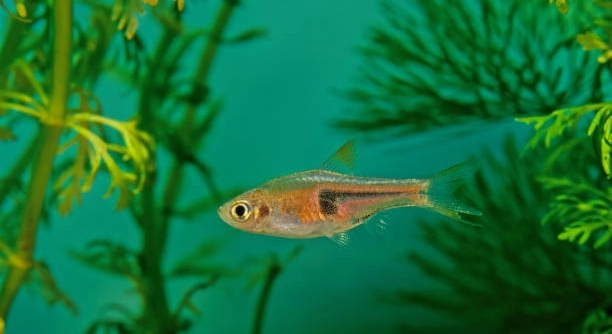
Rasboras are small, lively fish that bring energy to any aquarium. Watching them swim gracefully can be a joy, but keeping them healthy requires understanding how their eating patterns affect their activity levels. Feeding plays a key role.
Maintaining an active rasbora population depends largely on providing consistent, balanced nutrition. Offering a variety of food types and feeding at regular intervals supports metabolism, encourages movement, and prevents lethargy, ensuring that these fish remain energetic and healthy in captivity.
Knowing which foods promote activity and how often to feed can transform your aquarium environment. Following proper feeding habits will help your rasboras thrive and display their natural liveliness.
Feed Small Portions Frequently
Rasboras have small stomachs, so giving them large meals can cause overeating and discomfort. Feeding small portions multiple times a day ensures that each fish gets enough nutrition without wasting food. Observing their eating habits helps you understand how much they can consume in a short period. Overfeeding can lead to water pollution, which affects the health of your fish. Using a feeding schedule makes it easier to manage portions and maintain consistency. Many hobbyists find that splitting their daily food into two or three servings keeps the fish energetic and reduces aggressive competition during feeding times. The fish tend to swim actively throughout the day when they receive manageable portions that they can eat quickly. By controlling portion size, you not only maintain water quality but also support better digestion and overall vitality. Small, frequent feedings help rasboras maintain their natural swimming patterns and lively behavior.
Small, frequent feedings promote steady metabolism, reduce waste, and encourage movement, making rasboras more active and healthier in their tank environment.
Keeping track of portion size also helps prevent nutrient deficiencies. Adjusting the amount based on fish behavior ensures that all rasboras are eating enough. By feeding this way, you can maintain a clean, balanced tank while supporting the fish’s natural energy levels and overall well-being.
Include a Variety of Foods
Offering a range of foods helps rasboras get essential nutrients.
Rasboras benefit from a diet that mixes flakes, micro-pellets, and occasional live or frozen foods like daphnia or brine shrimp. Each type provides different nutrients, which supports strong growth and activity. Variety prevents boredom and encourages natural foraging behavior.
A mixed diet ensures that rasboras receive a full spectrum of vitamins and proteins. Flakes or micro-pellets provide daily nutrition with the right balance of vitamins, minerals, and protein. Supplementing with live or frozen foods adds essential fatty acids and stimulates natural hunting instincts. Rotating foods also helps avoid selective eating, where some fish consume more than others, maintaining fairness and preventing nutritional gaps. Live foods improve reflexes and responsiveness, making fish more agile. Even a few pieces of daphnia or mosquito larvae can increase activity levels significantly. A balanced variety of food types ensures that rasboras remain healthy, energetic, and visually vibrant. Feeding with this approach strengthens immune systems, supports growth, and encourages dynamic swimming patterns. Observing which foods are favored can also guide future feeding decisions to keep all fish thriving.
Feed at the Same Time Daily
Rasboras thrive on routine. Feeding them at the same times every day helps regulate their metabolism and keeps them active. Consistency reduces stress and encourages predictable swimming patterns.
A regular feeding schedule allows rasboras to anticipate meals, which increases their energy levels and alertness throughout the day. Predictable timing reduces competition and ensures all fish get an equal share of food. Over time, the fish will become more responsive to feeding, swimming toward the surface or designated feeding spots at the right times. Consistent feeding also stabilizes water quality, as less uneaten food accumulates in the tank. Maintaining this routine creates a healthier environment and promotes natural behaviors like schooling and exploration.
Scheduling meals helps reinforce healthy habits. When feedings occur at the same times daily, rasboras are less likely to overeat or become lethargic. This routine not only supports digestion but also encourages activity and interaction within the tank. Observing their behavior around feeding times can indicate overall health and responsiveness, helping you make adjustments as needed.
Avoid Overfeeding
Overfeeding leads to water pollution and reduced activity. Limiting the amount given keeps the tank clean and fish energetic.
Excess food decomposes quickly, releasing harmful chemicals that stress rasboras and can trigger illness. A controlled amount prevents waste and encourages the fish to move more as they forage for the limited food available. Monitoring consumption and adjusting portions ensures all fish eat sufficiently without leftovers.
Feeding only what rasboras can consume within a few minutes supports proper digestion and prevents obesity. Overfed fish often become sluggish, reducing their swimming activity and making them more prone to disease. Keeping the quantity appropriate protects water quality and promotes a healthy, lively aquarium. By observing eating speed and adjusting portions, you can maintain a balance that supports energy, growth, and long-term health.
Provide High-Quality Flakes
High-quality flakes offer balanced nutrition and are easy for rasboras to eat. Choosing premium flakes ensures vitamins and minerals are included, supporting activity and growth.
Fresh flakes float briefly, allowing the fish to feed at the surface naturally. Low-quality flakes often sink quickly or lose nutrients, reducing energy and overall health.
Include Occasional Live Foods
Live foods like daphnia or brine shrimp stimulate natural hunting behavior. They provide protein and essential fatty acids that flakes alone may lack. Feeding live foods occasionally enhances activity, encourages exercise, and supports strong immune function, helping rasboras remain energetic and visually vibrant in the tank.
Avoid Sudden Diet Changes
Rasboras can become stressed by abrupt changes in food types. Gradually introducing new foods prevents digestive issues and maintains normal activity levels.
Monitor Eating Behavior
Observing how rasboras eat helps identify health or feeding issues. Noticing sluggishness, overeating, or selective eating ensures timely adjustments to diet, maintaining energy and overall well-being.
How often should I feed my rasboras?
Rasboras should be fed small portions two to three times a day. Their small stomachs cannot handle large meals, and overfeeding can lead to health problems. Dividing the daily food into multiple servings ensures that each fish receives proper nutrition while keeping the tank clean and balanced. Regular feeding also helps them maintain energy and encourages natural swimming patterns.
What types of food are best for keeping rasboras active?
A varied diet is essential. High-quality flakes or micro-pellets provide daily nutrition, while live or frozen foods like daphnia, brine shrimp, or mosquito larvae supply extra protein and fatty acids. This combination supports strong growth, immune health, and natural foraging behavior. Rotating foods also prevents selective eating and keeps the fish stimulated. Providing variety ensures rasboras remain energetic and visually vibrant.
Can overfeeding make rasboras less active?
Yes, overfeeding often results in sluggish behavior. Excess food decomposes in the tank, affecting water quality and releasing harmful substances. Overfed rasboras may become overweight and less inclined to swim actively. Feeding only what they can consume in a few minutes prevents these issues and promotes consistent energy levels, while also reducing maintenance demands.
Is it necessary to feed live food every day?
Live food is not required daily. Offering it a few times a week supplements the main diet and encourages natural hunting instincts. It also provides essential nutrients not always present in flakes or pellets. Live food stimulates activity, helping rasboras remain agile, healthy, and more responsive during feeding sessions. Overuse, however, can unbalance the diet or introduce contaminants, so moderation is key.
How can I tell if my rasboras are eating enough?
Monitor their behavior during feeding. Active swimming toward the food and quick consumption usually indicate proper intake. Uneaten portions after a few minutes suggest overfeeding. Conversely, if some fish are slower or consistently miss food, adjust portions or provide a more accessible form of nutrition. Ensuring all fish eat enough supports energy, growth, and overall health.
Will changing their diet suddenly affect their activity?
Sudden changes can stress rasboras and reduce activity. Introduce new foods gradually by mixing small amounts with familiar options over several days. This helps their digestive systems adapt while maintaining normal behavior. Gradual transitions prevent lethargy and keep the fish energetic while diversifying their diet safely.
Do rasboras prefer surface feeding or bottom feeding?
Rasboras are primarily surface and mid-level feeders. Floating flakes or micro-pellets are ideal, but they will also explore for sinking foods if needed. Observing where they naturally swim during feeding helps determine the best food types and placement. Proper feeding at their preferred level encourages activity and reduces food wastage.
How can I maintain a feeding routine?
Consistency is crucial. Feeding at the same times daily regulates metabolism and builds anticipation, which keeps rasboras alert and active. Using a timer or schedule helps maintain this routine, especially for busy aquarists. Consistent timing also reduces stress, encourages schooling behavior, and ensures even distribution of food among all fish.
What should I do if some fish eat faster than others?
Separate feeding methods or multiple feeding spots can prevent dominant fish from taking too much food. Offering food in small amounts or in different tank areas ensures all rasboras get adequate nutrition. This approach maintains energy levels for all fish and reduces aggression, supporting a healthier, more active community.
Can feeding habits influence their color and appearance?
Yes, diet directly affects coloration. High-quality flakes, supplemented with live or frozen foods, enhance pigment and maintain vibrancy. Nutrient-rich meals not only boost energy but also contribute to healthy scales and bright colors. A consistent, balanced diet ensures rasboras look their best while remaining lively and active.
How do I know if my feeding schedule is working?
Observe overall activity and swimming patterns. Energetic fish that consistently respond to feedings indicate a successful routine. Monitor water quality as well, since overfeeding can lead to waste accumulation. Adjust portion sizes, frequency, or food types if lethargy, selective eating, or water problems occur, ensuring the feeding schedule continues to support healthy, active rasboras.
Is it safe to give frozen foods every day?
Frozen foods are safe but should not replace the main diet. They provide protein and nutrients, supporting activity and health. Offering them several times a week complements flakes or pellets, stimulates natural hunting behavior, and keeps rasboras engaged. Daily reliance may unbalance nutrition or increase tank maintenance requirements.
Can feeding influence their social behavior?
Yes, consistent and properly portioned feeding reduces competition and stress. Rasboras display more natural schooling and cooperative behavior when all fish have access to food. Unbalanced or unpredictable feeding may increase aggression or hiding, reducing activity. Proper feeding supports both physical energy and social harmony within the tank.
What are the signs of a poorly fed rasbora?
Signs include lethargy, faded colors, reduced swimming, and selective eating. Overeating or underfeeding can both cause stress, affect metabolism, and make the fish prone to disease. Monitoring behavior and adjusting food type, portion, and frequency ensures they remain energetic, healthy, and active throughout the day.
How can I adjust feeding for a new group of rasboras?
Introduce a new group gradually, observing how each fish responds. Start with small portions multiple times a day and provide a variety of foods. Ensure all individuals get access without overwhelming the tank. Gradual adjustment prevents stress, supports energy levels, and encourages healthy, lively behavior as the group settles into the routine.
What role does water quality play in feeding habits?
Good water quality is essential. Overfeeding or decaying food negatively affects water chemistry, reducing oxygen and increasing toxins. Poor water conditions make fish less active, even if they eat properly. Maintaining clean water ensures rasboras can digest food efficiently, remain energetic, and display natural swimming patterns.
Can feeding help prevent illness?
Yes, a balanced, high-quality diet strengthens the immune system. Proper nutrition reduces susceptibility to disease and supports rapid recovery if illness occurs. Feeding habits that encourage activity and limit waste also minimize stress, further protecting overall health and ensuring rasboras remain lively and strong.
How do I know if they like a specific food?
Fish that eagerly swim to the offered food and consume it quickly are showing preference. Reluctance or slow eating indicates it may not be suitable or familiar. Observing these behaviors helps tailor their diet, keeping them engaged, well-fed, and active.
Should I adjust feeding during colder months?
Metabolism slows slightly in cooler temperatures. Slightly reducing portion sizes or frequency prevents overeating while maintaining energy. Keep observing activity levels and adjust as needed. Ensuring balanced feeding year-round helps rasboras remain lively, regardless of seasonal changes in water temperature or tank conditions.
Proper feeding habits are essential for keeping rasboras active and healthy. These small fish rely on regular, balanced nutrition to maintain their energy levels and support natural behaviors like swimming, schooling, and foraging. Overfeeding or providing poor-quality food can quickly lead to water pollution, lethargy, and health problems. By feeding small portions multiple times a day, you help prevent waste buildup and encourage movement. Consistent feeding schedules also reduce stress, as the fish begin to anticipate meal times and respond actively. A well-fed rasbora is not only lively but also displays stronger immune function, better growth, and brighter coloration. These benefits show that feeding is not just about providing food, but also about supporting overall well-being in a controlled aquatic environment.
Variety is another key factor in maintaining activity and health. While high-quality flakes or micro-pellets provide daily nutrition, occasional live or frozen foods add protein and essential fatty acids that the main diet may lack. These additions stimulate natural hunting instincts and encourage the fish to swim more actively throughout the tank. Rotating food types prevents selective eating, where some fish consume more than others, and ensures all individuals receive adequate nutrients. Observing the preferences and consumption patterns of your rasboras helps you fine-tune the diet for maximum benefit. By combining a consistent schedule with a variety of food sources, you create an environment where rasboras remain energetic, responsive, and visually vibrant. This approach also reduces the risk of disease caused by nutrient deficiencies or poor water quality.
Finally, paying attention to feeding behavior provides valuable insight into the health of your fish. Watching how rasboras eat allows you to notice signs of stress, illness, or imbalance in their diet. Sluggish swimming, selective eating, or sudden changes in activity can indicate a need to adjust feeding practices, portions, or food types. Ensuring that all fish have access to proper nutrition helps maintain social harmony and reduces aggression. Maintaining clean water, consistent portions, and a balanced diet creates conditions for long-term health and energy. Feeding your rasboras correctly is a simple yet effective way to support their vitality and enjoy a lively, thriving aquarium.

Hello,
If you enjoy the content that we create, please consider saying a "Thank You!" by leaving a tip.
Every little bit helps us continue crafting quality advice that supports the health, happiness, and well-being of pets around the world, for pets of all shapes, sizes, and species.
We really appreciate the kindness and support that you show us!