
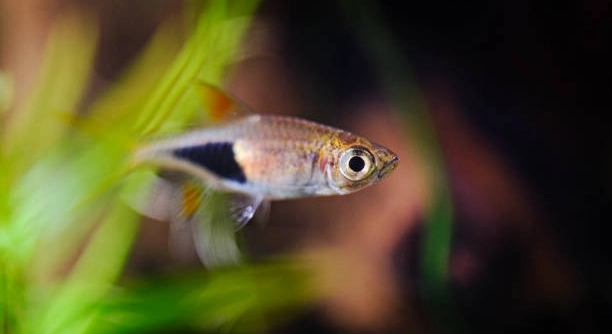
Observing a school of calm Rasboras can bring a sense of peace to any aquarium. These small, graceful fish move together in harmony, creating a soothing rhythm that enhances the overall environment and experience for fishkeepers.
Maintaining a calm Rasbora school relies on consistent care, proper tank setup, and attention to environmental factors. Daily feeding routines, water quality management, and gentle interaction contribute to stability, promoting natural schooling behavior and reducing stress among the fish.
Understanding these daily habits will improve both the health of your Rasboras and the serenity of your aquarium space.
Setting Up the Right Tank Environment
A calm Rasbora school thrives in a well-prepared aquarium. Start with a tank of at least 20 gallons to allow enough space for movement. Fine substrate and gentle filtration help maintain water clarity without creating strong currents that disturb the fish. Adding live plants provides hiding spots and natural barriers, which encourage relaxed behavior. Floating plants can diffuse light and create shaded areas, reducing stress. Soft lighting mimics natural conditions, making the fish feel secure. Keep decorations minimal but functional, such as smooth rocks or driftwood, to maintain swimming space. Regular water checks ensure pH, temperature, and ammonia levels remain stable. Rasboras prefer slightly acidic to neutral water and temperatures between 72-78°F. Maintaining these conditions consistently encourages natural schooling patterns, helping fish feel confident and safe. Avoid overcrowding the tank, as excessive numbers can increase tension and result in erratic swimming. Overall, careful attention to environment sets the foundation for a calm and healthy school of Rasboras.
Proper tank setup directly influences Rasboras’ behavior and long-term health, making consistent monitoring essential for a peaceful school.
A balanced environment reduces stress and promotes natural interaction. Gentle filtration and stable water parameters create a predictable routine for the fish. Live plants improve oxygen levels and provide hiding spaces, which can help new or shy Rasboras adjust. Smooth decorations prevent injury, while adequate swimming space allows the school to move cohesively. Regular observation ensures any issues, like changes in behavior or water quality, are addressed early. A calm environment supports feeding efficiency and strengthens immunity. This foundation allows the fish to display their full, natural behavior, including synchronized schooling, color vibrancy, and playful exploration. By combining proper tank size, soft lighting, plant coverage, and consistent maintenance, a tranquil aquarium emerges, benefiting both the fish and the caretaker. The result is a visually harmonious school that moves confidently and comfortably within its habitat.
Daily Feeding Routine
Feeding at the same time daily helps Rasboras feel secure. Offer small portions that they can consume quickly, preventing uneaten food from polluting the tank.
A structured feeding schedule maintains energy levels, reduces stress, and encourages the fish to swim together naturally.
Rasboras respond well to variety, including high-quality flakes, micro-pellets, and occasional live or frozen foods like daphnia or brine shrimp. Overfeeding can lead to water quality issues, so portion control is important. Observe how much the school consumes in a few minutes and adjust accordingly. Consistent feeding times help reinforce a sense of routine, which contributes to calm behavior. During feeding, avoid sudden movements near the tank, as this can startle the fish. Providing a mix of foods ensures proper nutrition and supports bright colors. Some keepers notice that the school swims closer to each other during feeding, displaying more cohesive patterns. By combining careful portioning, consistency, and variety, Rasboras remain healthy, active, and visibly relaxed throughout the day, reinforcing the overall serenity of the aquarium environment.
Monitoring Water Quality
Regular water testing keeps Rasboras healthy and calm. Check pH, ammonia, nitrite, and nitrate levels frequently. Stable water conditions prevent stress and support natural schooling behavior.
Maintaining clean water involves weekly partial water changes of about 20-25 percent. Avoid sudden shifts in temperature or pH, as Rasboras are sensitive to abrupt changes. Using a reliable filter helps remove debris, while gentle circulation prevents stagnant areas without creating strong currents. Observing fish behavior can indicate water quality issues; lethargy, erratic swimming, or clamped fins often signal problems. Removing uneaten food promptly minimizes waste accumulation, and vacuuming the substrate helps keep ammonia levels low. Consistent monitoring ensures the tank remains a stable and secure environment for the school.
Proper water management includes careful attention to filtration, substrate cleanliness, and temperature control. Introducing new water slowly during changes prevents shock, and using a water conditioner removes harmful chemicals. Monitoring trends over time helps anticipate issues before they affect the fish. A clean, stable environment allows Rasboras to focus on schooling and social interaction rather than coping with stress. Even minor lapses in maintenance can affect their calm behavior, so consistency is key. Over time, these practices establish a self-sustaining routine that supports long-term health and natural movement patterns in the school, creating a harmonious tank environment.
Observing School Behavior
Watching the school daily helps maintain harmony and notice subtle changes. Calm, synchronized movement reflects healthy interactions, while disorganization may indicate stress.
Observing Rasboras closely allows early detection of illness or environmental issues. Signs like isolation, rapid breathing, or dull colors can indicate discomfort. Tracking swimming patterns helps determine if tank conditions, feeding, or social dynamics need adjustment. Schools with strong cohesion usually have stable water, proper feeding, and minimal disturbances. Changes in behavior can also reveal compatibility issues with other tank mates. Recording observations in a simple log can help identify patterns over time. Adjustments, such as rearranging decorations or modifying feeding routines, often restore balance. Daily attention ensures the school maintains calm, synchronized movement, which is key to overall well-being.
Maintaining Proper Lighting
Consistent lighting supports calm behavior in Rasboras. Too bright or sudden changes can cause stress, while a stable day-night cycle encourages normal activity and restful periods.
Use a timer to keep light duration predictable. Low-intensity lighting with shaded areas allows the fish to move comfortably without feeling exposed.
Controlling Tank Temperature
Stable temperatures between 72-78°F are ideal for Rasboras. Fluctuations can disrupt metabolism, cause stress, and affect schooling behavior. Maintaining a consistent environment helps fish remain active and calm, supporting overall health and natural movement patterns within the school.
Minimal Disturbances
Limiting external disturbances keeps the school relaxed. Frequent tapping, sudden movements, or loud noises can startle Rasboras, breaking cohesion and causing unnecessary stress. Regular, gentle interaction is enough to maintain observation without impacting their calm routine.
FAQ
How many Rasboras should I keep in a school?
A minimum of six Rasboras is recommended to maintain natural schooling behavior. Smaller groups may become stressed or shy, while larger groups encourage synchronized swimming and social interaction. Keeping at least six creates a stable hierarchy and helps them feel secure within the tank environment.
What type of food is best for Rasboras?
High-quality flakes or micro-pellets form the base of their diet. Supplementing with frozen or live foods like daphnia, brine shrimp, or bloodworms supports color vibrancy and overall health. Feeding small portions multiple times a day prevents overfeeding and maintains water quality. Variety ensures proper nutrition and strengthens immune function.
How often should I change the water?
Weekly partial water changes of 20-25 percent are ideal. This removes waste, prevents ammonia and nitrate buildup, and maintains stable water parameters. Avoid changing too much water at once, as sudden shifts in temperature or pH can stress the fish and disrupt schooling patterns.
What is the ideal tank size for a school of Rasboras?
A tank of at least 20 gallons is recommended for a small school. Larger tanks provide more swimming space, reducing territorial disputes and stress. Sufficient space allows the school to move naturally and maintain cohesion, promoting a calm, visually appealing environment.
How do I prevent stress in my Rasboras?
Consistent routines, stable water parameters, and minimal disturbances are key. Avoid sudden changes in lighting, temperature, or tank decorations. Keeping compatible tank mates, providing hiding spots, and observing daily behavior helps reduce stress and maintain a peaceful school dynamic.
Can Rasboras live with other fish?
Yes, but choose peaceful species of similar size to avoid aggression or competition for food. Avoid larger or territorial fish that may bully the school. Compatible tank mates help maintain calm behavior, allowing Rasboras to display natural schooling patterns without stress or fear.
How can I tell if my Rasboras are healthy?
Healthy Rasboras swim in coordinated schools, display bright colors, and eat actively. Signs of illness include clamped fins, lethargy, rapid breathing, or faded colors. Observing daily behavior and monitoring water conditions helps detect problems early, ensuring quick intervention and long-term health.
Do Rasboras need live plants?
Live plants are beneficial but not strictly necessary. They provide hiding spots, improve oxygen levels, and create shaded areas, reducing stress. Floating plants diffuse light and offer protection, supporting calm, natural behavior. Artificial plants can work but may not provide the same environmental enrichment.
How important is filtration for Rasboras?
Filtration is essential to maintain water quality. Gentle filters are preferred to avoid strong currents that disrupt schooling. Regular maintenance ensures effective waste removal and stable water parameters. A clean, filtered tank supports health, activity, and stress-free behavior in the school.
Can Rasboras adapt to different water conditions?
They tolerate a range of slightly acidic to neutral water, but sudden changes should be avoided. Gradual adjustments in pH, temperature, or hardness help Rasboras adapt without stress. Maintaining consistent conditions is more important than trying to achieve extreme parameters.
How often should I observe my Rasboras?
Daily observation is recommended. Watching their schooling behavior, feeding response, and swimming patterns helps detect early signs of stress or illness. Keeping notes on their behavior can help identify trends, allowing timely adjustments in feeding, tank setup, or water conditions.
What decorations are best for a Rasbora tank?
Smooth rocks, driftwood, and live plants create hiding spots without reducing swimming space. Avoid sharp or rough objects that can injure fish. Minimalistic setups allow full schooling movement while providing areas for shelter, helping Rasboras feel safe and calm.
Is lighting important for Rasboras?
Yes, stable lighting supports activity cycles. Bright or sudden changes can stress the fish, while soft, diffused light encourages natural movement. Using a timer ensures consistent day-night cycles, helping Rasboras remain active during the day and rest comfortably at night.
How do I introduce new Rasboras to an existing school?
Quarantine new fish for 1-2 weeks before introduction to prevent disease. Introduce them gradually, allowing the existing school to acclimate. Observe interactions closely. Rearranging decorations slightly can reduce territorial behavior, helping the new fish integrate smoothly into the school.
Can Rasboras live in a community tank?
Yes, with careful planning. Choose peaceful, small fish that won’t compete aggressively. Ensure enough space and hiding spots to maintain calm behavior. Proper feeding, water management, and observation are key to sustaining harmony in a mixed-species environment.
What should I do if Rasboras stop schooling?
Check water quality, temperature, and tank layout first. Stress, illness, or aggressive tank mates are common causes. Restoring stable conditions, adjusting decorations, or separating incompatible fish often helps the school regain cohesion and natural movement.
How long do Rasboras live?
With proper care, Rasboras typically live 4-6 years. Consistent feeding, water maintenance, and stress reduction contribute to longevity. Providing a stable, enriched environment ensures they remain healthy and active throughout their lifespan.
Are Rasboras sensitive to noise or vibrations?
Yes, sudden vibrations or loud sounds can startle the school. Keep tanks in quiet areas away from heavy foot traffic or appliances. Gentle interaction and minimal disturbances help maintain calm, coordinated behavior.
What is the best way to acclimate Rasboras to a new tank?
Float the sealed bag in the tank for 15-20 minutes to equalize temperature. Gradually mix small amounts of tank water into the bag over 30-60 minutes before release. This reduces stress and supports a smooth transition into the new environment.
Can I keep Rasboras in a planted tank only?
Yes, a fully planted tank works well. Plants provide hiding spaces, oxygen, and shaded areas. Dense planting supports calm schooling behavior, mimicking natural conditions. Ensure there is still open swimming space for the school to move freely.
How do I maintain bright colors in Rasboras?
Balanced nutrition and stress-free conditions are key. Offer a mix of flakes, pellets, and live or frozen foods. Stable water parameters, proper lighting, and minimal disturbances support vibrant coloration and healthy behavior.
How much attention do Rasboras need daily?
They require brief daily observation for feeding, behavior monitoring, and water checks. Minimal direct interaction is sufficient, as excessive handling or disturbances can stress the school. Consistency and gentle care maintain calm, healthy fish.
Can Rasboras breed in a home aquarium?
Yes, under proper conditions with slightly acidic, soft water. Provide dense plants or spawning mops for eggs. Remove adults after spawning to prevent predation. Controlled feeding, stable water, and appropriate lighting encourage breeding while maintaining a peaceful school.
How can I tell if Rasboras are stressed?
Signs include erratic swimming, hiding, clamped fins, pale colors, or reduced feeding. Stress often results from water issues, overcrowding, strong currents, or aggressive tank mates. Early detection allows adjustments to restore calm and maintain healthy schooling behavior.
Are Rasboras compatible with shrimp or snails?
Yes, peaceful shrimp or snails can coexist. They occupy different areas and do not compete aggressively. Ensure hiding spots for shrimp to avoid predation. This combination can create a balanced ecosystem and enrich the tank environment.
What is the best way to clean a Rasbora tank?
Partial water changes, substrate vacuuming, and gentle filter maintenance are sufficient. Avoid complete cleaning, which can disturb beneficial bacteria. Minimal disruption preserves water stability, supporting calm schooling behavior while keeping the tank clean and safe.
Can Rasboras tolerate fluctuating light cycles?
Sudden changes in lighting can stress the school. Maintain a consistent day-night cycle with a timer. Soft, diffused light supports natural activity and restful periods, helping Rasboras remain calm and active throughout the day.
How do I prevent aggression in a Rasbora tank?
Keep adequate space, maintain consistent routines, and avoid aggressive tank mates. Grouping Rasboras properly and providing hiding spots reduces tension, promoting peaceful schooling behavior. Monitoring interactions daily allows early intervention if disputes arise.
Is water hardness important for Rasboras?
Moderate softness is preferred. Extreme hardness can stress fish and affect coloration. Gradual adjustments help them acclimate. Stable water chemistry supports calm behavior, healthy growth, and natural schooling patterns over time.
Can Rasboras live in cooler water?
They tolerate slightly cooler temperatures temporarily, but prolonged exposure below 72°F can reduce metabolism, weaken immunity, and disrupt schooling. Maintaining consistent warmth ensures activity, growth, and long-term health.
How do I introduce floating plants to the tank?
Place floating plants gently to create shaded areas. They reduce light intensity and provide security for the school. Ensure sufficient open swimming space so Rasboras can move freely without feeling confined.
What is the best substrate for a Rasbora tank?
Fine gravel or sand works best. It prevents injury, allows natural foraging, and supports plant growth. Avoid sharp or rough substrates that could harm the fish while maintaining a visually clean, safe environment.
Do Rasboras need a heater?
Yes, a reliable heater maintains the recommended 72-78°F range. Stable temperature prevents stress, encourages active schooling, and supports overall health. Thermometers help monitor and adjust as needed.
Can Rasboras live with bettas?
It depends on temperament. Some bettas may chase or harass small schooling fish. If choosing a betta, monitor interactions closely and provide plenty of space and hiding spots. Peaceful compatibility is essential for calm schooling.
How often should I check water parameters?
Weekly testing is recommended for pH, ammonia, nitrite, and nitrate. More frequent checks may be needed during new setups, after water changes, or if fish show signs of stress. Consistent monitoring ensures stability and prevents behavioral issues.
Can Rasboras tolerate slightly salty water?
A very mild addition of aquarium salt can help prevent minor infections, but high salinity is harmful. Stick to freshwater conditions and avoid sudden changes that can stress the school.
What is the ideal school size for visual impact?
Groups of 8-12 provide attractive synchronized swimming. Larger schools enhance cohesion, natural movement, and aesthetic appeal. Smaller groups may appear scattered and less confident.
How do I encourage natural schooling patterns?
Provide open swimming areas, consistent feeding routines, and minimal disturbances. Proper tank size, gentle filtration, and calm tank mates allow Rasboras to move cohesively, supporting their natural, synchronized behavior.
Can I keep only one species of Rasbora?
Yes, a single species school is ideal. Mixing species may disrupt cohesion or stress some fish. Uniform schooling promotes natural behavior and reduces tension within the tank.
Are Rasboras sensitive to chemicals in tap water?
Yes, chlorine and chloramine are harmful. Use a water conditioner to neutralize chemicals before adding water. Stable water quality prevents stress and supports long-term health.
Do Rasboras need aeration?
Gentle aeration is helpful but not essential if plants provide oxygen and the filter circulates water adequately. Avoid strong currents that can disrupt schooling and stress the fish.
How often should I clean the filter?
Clean the filter monthly or as needed. Rinse in tank water to preserve beneficial bacteria. Avoid over-cleaning, which can destabilize water conditions and affect calm behavior.
Can Rasboras tolerate slight overcrowding?
Minimal overcrowding may be manageable short-term, but long-term it increases stress, aggression, and susceptibility to disease. Adequate space is essential for calm, healthy schooling.
How do I know if tank mates are compatible?
Observe interactions and behavior. Peaceful, small fish or invertebrates generally coexist well. Aggressive, territorial, or large fish may disrupt the school, causing stress and breaking cohesion.
Is a lid necessary for a Rasbora tank?
Yes, Rasboras can jump. A secure lid prevents escapes while maintaining a safe environment. Ensure proper ventilation and light penetration while covering the tank effectively.
What is the best way to introduce live food?
Rinse live foods to remove contaminants and release in small amounts. Monitor feeding to prevent overfeeding and maintain water quality. This encourages natural hunting behavior without stressing the school.
How do I maintain a stress-free environment during maintenance?
Perform water changes, cleaning, and feeding gently. Avoid tapping on the glass, sudden movements, or large-scale rearrangements. Consistency and minimal disturbance help the school remain calm and cohesive.
Can Rasboras recognize their caretaker?
They respond to routine feeding and movement near the tank. Recognition is subtle but can encourage calm behavior, as predictable interaction reduces stress and reinforces daily patterns.
Do Rasboras need a varied diet?
Yes, a mix of flakes, pellets, and occasional live or frozen foods supports health, coloration, and vitality. Balanced nutrition promotes calm, active schooling and overall well-being.
Are Rasboras easy to care for?
With stable water, consistent feeding, and proper tank setup, Rasboras are manageable. Observing daily behavior and maintaining routine ensures a calm, healthy school. Their peaceful nature makes them suitable for community aquariums with compatible species.
Can Rasboras tolerate low light conditions?
They adapt to subdued lighting but still need a day-night cycle. Low light combined with shaded areas supports calm behavior, reduces stress, and encourages natural schooling.
What is the best way to quarantine new fish?
Place new fish in a separate tank for 1-2 weeks. Observe for disease and acclimate to water parameters. Gradual introduction prevents illness and stress, ensuring the main school remains healthy.
How can I prevent algae growth?
Control light duration, avoid overfeeding, and maintain regular water changes. Introducing live plants competes with algae for nutrients. Proper cleaning and observation keep algae manageable without affecting water quality or the school’s calm behavior.
Do Rasboras need a specific pH range?
Slightly acidic to neutral water (6.5-7.0) is ideal. Stable pH is more important than exact numbers. Sudden shifts can stress the school and disrupt schooling patterns, so gradual adjustments are best.
Can Rasboras adapt to new decorations?
Yes, but introduce changes gradually. Rearranging hides and plants slowly reduces stress. Abrupt modifications can confuse the school and disrupt cohesion, so maintaining familiar landmarks helps them feel secure.
How often should I trim plants?
Regular trimming prevents overgrowth that blocks swimming areas. Maintain balance between shelter and open space to support calm schooling behavior while ensuring adequate light penetration and water flow.
Are Rasboras social with other Rasbora species?
Some species can coexist, but compatibility depends on size, temperament, and schooling habits. Mixing species may disrupt cohesion, so careful observation is required to maintain calm, synchronized behavior.
What is the effect of strong currents on Rasboras?
Strong currents increase stress, cause erratic swimming, and break schooling cohesion. Gentle filtration and slow water flow allow natural movement and calm behavior, promoting overall health.
Can Rasboras live in a nano tank?
Nano tanks are generally too small for schooling behavior. Limited space increases stress and reduces natural movement, making larger tanks preferable for a healthy, cohesive school.
Do Rasboras need a breeding tank?
If breeding, a separate tank with soft, slightly acidic water and dense plants or spawning mops is ideal. Removing adults after spawning prevents predation and supports egg survival.
How long should I acclimate new Rasboras?
Gradually introduce new fish over 30-60 minutes, mixing small amounts of tank water. Slow acclimation reduces shock and stress, allowing smooth integration into the existing school.
Can Rasboras tolerate tap water with conditioner?
Yes, properly treated tap water is safe. Conditioner neutralizes chlorine, chloramine, and heavy metals, creating a stable, stress-free environment suitable for healthy schooling behavior.
What is the role of hiding spots?
Hiding spots reduce stress, especially for shy or new fish. Plants, rocks, and driftwood allow Rasboras to feel secure, supporting calm schooling and reducing aggression or fear.
Are Rasboras active at night?
They are primarily diurnal, resting at night. Providing a consistent day-night cycle ensures restful periods, reduces stress, and supports healthy schooling behavior during active hours.
Can Rasboras tolerate occasional temperature fluctuations?
Minor, gradual fluctuations are manageable, but abrupt or large changes cause stress and can affect health. Maintaining steady temperatures is key to calm behavior and natural movement patterns.
What is the best way to remove uneaten food?
Use a siphon or net to remove leftovers promptly. This prevents waste accumulation, maintains water quality, and reduces stress, keeping the school healthy and calm.
Do Rasboras need companions of the same species?
Yes, keeping them in schools of their own species promotes natural, synchronized movement. Isolation can cause stress and abnormal behavior, while a proper school enhances comfort and cohesion.
Can Rasboras tolerate different water hardness?
They prefer moderate softness but tolerate slight variations. Avoid sudden changes, as they can stress the fish. Gradual adjustments help them acclimate while maintaining calm schooling behavior.
Are Rasboras prone to diseases?
They are relatively hardy but can suffer from common freshwater illnesses if water quality is poor. Maintaining stable conditions, proper diet, and quarantine procedures reduces risk and ensures a healthy school.
How important is tank placement?
Place the tank away from heavy foot traffic, loud appliances, or direct sunlight. A stable, quiet location minimizes stress and supports calm, cohesive schooling behavior.
What is the effect of overcrowding?
Overcrowding increases stress, competition, and disease risk. Adequate space ensures natural schooling patterns, reduces aggression, and promotes calm, healthy behavior.
Can Rasboras tolerate aquarium decorations with sharp edges?
No, sharp decorations can injure fish. Smooth rocks, driftwood, or soft plants are recommended to prevent injuries and support safe movement within the school.
How do I know if the tank filter is too strong?
Fish struggling to swim against the current or constantly hiding indicates strong flow. Gentle filters maintain water quality without disturbing schooling behavior, supporting calm and coordinated movement.
Can Rasboras live with corydoras?
Yes, corydoras are bottom dwellers and generally peaceful. They occupy different zones, allowing Rasboras to school naturally without competition or stress.
Do Rasboras require a dark period?
Yes, a night period helps rest, reduces stress, and maintains natural circadian rhythms. Use a timer to maintain consistent day-night cycles for optimal calm behavior.
Can Rasboras tolerate aquarium heaters malfunctioning briefly?
Brief fluctuations may be tolerated, but prolonged malfunction can stress or harm the fish. Always monitor temperature closely and use a
Keeping a school of Rasboras calm and healthy requires consistent care and attention to the tank environment. These small fish are sensitive to changes in water quality, temperature, and lighting, so maintaining stable conditions is essential. A properly sized tank with gentle filtration allows them to swim freely and display natural schooling behavior. Providing live plants, smooth decorations, and hiding spots helps them feel secure while encouraging natural movement patterns. Observing the fish daily for signs of stress or illness can prevent problems before they escalate, ensuring the school remains cohesive and active. Even small adjustments, like regulating light cycles or adding floating plants, can have a noticeable impact on their comfort and behavior. The goal is to create a peaceful, predictable environment where the Rasboras can thrive and exhibit their full range of natural behaviors without unnecessary stress or disruption.
Feeding routines play a key role in maintaining a calm school. Offering small, balanced portions of high-quality flakes, micro-pellets, and occasional live or frozen foods ensures proper nutrition while reducing waste in the tank. Consistent feeding schedules help the fish feel secure and reinforce a sense of routine, which is important for their overall well-being. Monitoring how much the school consumes allows for adjustments and prevents overfeeding, which can affect water quality and lead to health problems. The combination of a stable diet, clean water, and consistent care supports vibrant colors, active movement, and strong immunity. Over time, these practices build a resilient and harmonious school where the Rasboras can thrive in a peaceful aquarium setting. Their calm, coordinated behavior is a direct result of attentive care, consistent routines, and a stable environment that meets all their basic needs.
A calm Rasbora school reflects a balance of careful planning, daily maintenance, and thoughtful observation. Stable water parameters, proper tank setup, and attention to social dynamics contribute to a healthy and visually appealing group of fish. Limiting disturbances, providing shaded areas, and ensuring enough swimming space helps the school move naturally and reduces stress. By observing daily behavior, adjusting feeding routines, and monitoring water quality, keepers can maintain a tranquil, cohesive group that exhibits natural schooling patterns. With proper care, Rasboras can live for several years while remaining active, healthy, and stress-free. Maintaining this calm environment benefits both the fish and the keeper, creating an aquarium space that is visually pleasing, engaging, and peaceful. Careful attention to all aspects of their habitat—from water quality to feeding, lighting, and tank layout—ensures the school thrives. Ultimately, the serenity of a Rasbora school is the result of consistent effort, thoughtful observation, and a commitment to providing a stable, safe, and nurturing environment for these delicate yet resilient fish.

Hello,
If you enjoy the content that we create, please consider saying a "Thank You!" by leaving a tip.
Every little bit helps us continue crafting quality advice that supports the health, happiness, and well-being of pets around the world, for pets of all shapes, sizes, and species.
We really appreciate the kindness and support that you show us!