
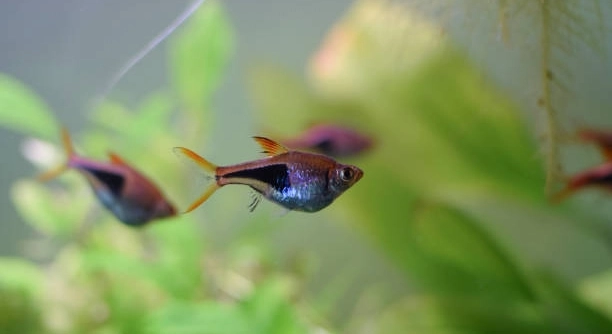
Rasboras are usually calm, schooling fish that swim together peacefully in aquariums. Sometimes, they suddenly scatter across the tank, startling their owners and disrupting the serene aquatic environment they typically enjoy.
The primary cause of rasboras scattering is sudden stress in their environment. Changes in water parameters, lighting, temperature, or the introduction of new fish can trigger rapid movement. This behavior is a natural response to perceived threats and environmental disturbances.
Observing their surroundings closely can help identify triggers and restore calm. Maintaining consistent tank conditions ensures a peaceful habitat for your rasboras.
Common Triggers for Rasboras Scattering
Rasboras are sensitive to sudden changes in their environment. Fluctuations in water temperature, pH levels, or chemical composition can startle them. Even minor shifts, like moving decorations or introducing a new tankmate, may cause them to scatter. Sudden loud noises near the aquarium or strong vibrations can also create stress. Lighting plays a significant role as well; bright or flickering lights can make them feel exposed and unsafe. It’s important to monitor these factors closely to maintain stability. Observing your fish regularly allows you to spot signs of stress early. Rasboras respond to consistent routines, and small, careful adjustments are less likely to cause panic. Ensuring a balanced environment with proper hiding spots, plants, and calm surroundings helps them stay comfortable. Over time, this stability reduces sudden scattering events and allows your fish to display natural, peaceful swimming behaviors.
Even small disturbances in the tank can trigger rapid movement. Stability is key for their calm behavior.
Providing a secure and predictable environment with gentle lighting, stable temperature, and minimal sudden changes encourages rasboras to remain cohesive in schools. This promotes healthier interactions and reduces stress-induced scattering. A well-planned tank setup with plants, hiding areas, and smooth décor can make a significant difference in their comfort. Consistent feeding schedules and avoiding sudden additions of fish also help maintain tranquility. By paying attention to these details, you create a space where rasboras feel safe, swim naturally, and show their typical schooling behavior.
Managing Stress in Your Aquarium
Addressing stress promptly prevents repeated scattering incidents.
Maintaining water quality is essential to minimize stress. Regular testing for ammonia, nitrite, and nitrate levels ensures a safe habitat. Avoid sudden temperature changes during water changes, and acclimate new fish gradually to prevent shocks. Controlling noise and vibrations around the aquarium also reduces stress. Consistent lighting schedules help rasboras adjust naturally. Monitoring behavior closely allows early intervention if they appear anxious. Overcrowding can exacerbate stress, so keep population density appropriate. Providing plants and hiding spots offers refuge, helping them feel secure. Balanced nutrition contributes to their overall resilience, making them less reactive to minor disturbances. Regular maintenance and careful observation create a stable environment that encourages calm, natural schooling. Understanding these practices and applying them consistently supports rasboras’ well-being and reduces instances of scattering. By maintaining predictable conditions and addressing any environmental issues quickly, you ensure your tank remains a peaceful, thriving home for your fish.
Adjusting Tank Conditions
Even small changes in water parameters can calm rasboras. Stable temperature, proper pH, and regular testing reduce sudden scattering. Gentle lighting and minimizing vibrations help maintain their natural swimming patterns. Plants and hiding spots provide additional security.
Gradually acclimating new fish prevents shocks to the existing group. Slowly adjusting water temperature and chemistry during water changes keeps conditions stable. Rearranging decorations should be done sparingly to avoid startling them. Avoid overcrowding, as high density increases stress and erratic movements. Observing behavior daily allows you to identify minor issues before they escalate. Consistency in tank care supports a peaceful environment and healthier fish.
Feeding routines also impact their comfort. Offering small, regular meals keeps rasboras engaged without overfeeding. Balanced nutrition strengthens their immune system, making them less reactive to disturbances. Tank cleanliness, combined with proper aeration, ensures they remain active yet calm. Reducing sudden noises and limiting direct human activity near the aquarium further encourages natural, cohesive schooling.
Recognizing Stress Behaviors
Rasboras show clear signs when stressed, including rapid swimming, hiding, or erratic movement. Noticing these behaviors early is crucial for intervention.
Stress affects appetite and social interactions. Fish may avoid food or isolate themselves from the school. Observing changes in swimming patterns, color fading, or clamped fins can indicate environmental issues. Addressing water quality, lighting, and temperature promptly helps prevent long-term effects on health. Stress can also weaken their immune system, making them susceptible to illness, so early detection is important.
Behavioral cues reveal their comfort level in the tank. Sudden darting, staying near the surface, or skittish movements suggest discomfort. Consistent monitoring allows timely adjustments. Providing ample plants, hiding spots, and gentle water flow encourages calm swimming. Minimizing disturbances, maintaining proper feeding schedules, and observing interactions between fish helps identify stress triggers. Recognizing these patterns ensures a stable environment, reduces scattering, and promotes overall well-being.
Maintaining Water Quality
Regular water testing is essential to keep rasboras calm. Monitoring ammonia, nitrite, and nitrate levels prevents sudden stress. Stable water chemistry supports natural swimming patterns and overall health.
Frequent partial water changes help maintain clarity and reduce harmful buildup. Avoid drastic adjustments that may shock the fish. Consistent routines create a predictable environment they can thrive in.
Proper Lighting and Decor
Balanced lighting reduces stress and promotes normal behavior. Avoid flickering or overly bright lights, which can startle rasboras. Providing plants and hiding spots gives them security and encourages natural schooling. Adjust decorations gradually to prevent sudden disruptions, ensuring the tank feels safe and stable for all fish.
Feeding Practices
Feed small, consistent portions to prevent overfeeding and water pollution. Regular feeding schedules help rasboras feel secure and reduce erratic swimming.
Monitoring Fish Interactions
Observe how rasboras interact within the school. Signs of aggression or isolation indicate stress. Adjusting tank conditions or rearranging tankmates can restore balance and calm behavior.
FAQ
Why do my rasboras scatter suddenly even when the tank seems stable?
Rasboras are sensitive to minor changes that may go unnoticed. Slight fluctuations in temperature, pH, or water hardness can trigger rapid movement. Even small vibrations, sudden noises, or bright lights can startle them. Ensuring consistency and minimizing disturbances reduces these episodes.
Can adding new fish cause my rasboras to scatter?
Yes, introducing new fish can create stress. The existing group may feel threatened or startled by unfamiliar tankmates. Acclimating new fish slowly and maintaining stable water parameters helps the school adjust without panic. Observing interactions during the first hours is crucial.
Do decorations or tank rearrangements affect their behavior?
Sudden changes in the layout of the tank can disturb rasboras. They rely on familiar surroundings for security. Moving plants, rocks, or hiding spots abruptly can trigger scattering. Gradual adjustments or careful planning reduces stress and maintains calm schooling behavior.
Does water quality influence scattering?
Absolutely. High ammonia, nitrite, or nitrate levels can stress fish. Poor water conditions lead to erratic swimming and hiding. Regular testing, consistent partial water changes, and careful monitoring of chemical levels keep the environment safe and stable for your fish.
Can lighting affect rasboras’ behavior?
Bright, flickering, or inconsistent lighting can cause sudden movements. Rasboras prefer moderate, steady light. Including plants and shaded areas helps them feel secure and reduces stress-induced scattering. Maintaining a consistent day-night cycle supports their natural behavior.
How does feeding influence their activity?
Inconsistent feeding or overfeeding can stress rasboras. Offering small, regular meals keeps them engaged without polluting the water. Balanced nutrition strengthens their resilience, making them less likely to scatter from minor disturbances. Monitoring appetite can also indicate stress or illness.
Is tank size important for their behavior?
Yes, overcrowded tanks increase stress and scattering. Adequate swimming space allows rasboras to maintain schooling behavior naturally. A proper balance of fish numbers, plants, and open swimming areas keeps them calm and reduces erratic movements.
How can I tell if my rasboras are stressed?
Signs of stress include rapid swimming, hiding, clamped fins, color fading, and isolation from the school. Observing these behaviors early allows you to adjust tank conditions, lighting, or tankmates to restore a calm environment.
Do noise and vibrations matter?
Yes, sudden noises, tapping on the glass, or vibrations from nearby activity can trigger scattering. Placing the aquarium in a low-traffic area and minimizing disturbances keeps the fish comfortable and stable.
What long-term steps prevent sudden scattering?
Maintain stable water parameters, consistent feeding, balanced lighting, and secure decorations. Regular observation and timely intervention at the first signs of stress create a predictable environment where rasboras can swim calmly and display natural schooling behaviors without panic.
How do plants and hiding spots help?
Plants and hiding areas give rasboras a sense of security. When they feel threatened, these spots allow them to regroup and calm down. Including a mix of open swimming spaces and shaded areas reduces scattering and promotes peaceful schooling.
Should I worry if one fish scatters alone?
Occasional solo movement can happen, but repeated isolation may indicate stress, illness, or environmental imbalance. Check water quality, tankmates, and feeding routines. Prompt adjustments help restore normal schooling behavior and reduce ongoing anxiety in the group.
How often should I check tank conditions?
Daily observation is ideal for spotting behavioral changes early. Weekly water tests for pH, ammonia, nitrite, and nitrate maintain a safe environment. Regular maintenance prevents conditions that can trigger sudden scattering and ensures the health of all tank inhabitants.
Can seasonal changes affect my rasboras?
Yes, temperature fluctuations in the room or changes in natural light can impact their comfort. Adjust heaters, lighting, and water changes carefully to maintain consistent conditions year-round and reduce stress-related scattering.
Do rasboras need companions to prevent scattering?
Rasboras are schooling fish and feel safer in groups. A small school of five or more reduces anxiety and erratic swimming. Isolated individuals are more likely to scatter, so keeping them in appropriate numbers helps maintain calm and cohesive behavior.
Final Thoughts
Rasboras are naturally peaceful schooling fish that thrive in calm and stable environments. Their tendency to scatter suddenly is usually a response to stress or environmental changes, rather than a sign of illness. Maintaining consistent water parameters, including temperature, pH, and chemical balance, is essential for their comfort. Sudden fluctuations in these factors can make them feel threatened, even if the changes seem minor to us. Regular monitoring and gradual adjustments help prevent panic swimming, allowing them to settle into a predictable routine. Observing behavior carefully provides insight into their well-being and helps identify early signs of stress, which can be addressed before it escalates.
A key aspect of keeping rasboras calm is creating a secure and balanced aquarium setup. Plants, decorations, and hiding spots give them a sense of safety while still allowing room for swimming. Overcrowding or abrupt rearrangements can disrupt this balance and lead to scattering. Similarly, consistent feeding routines and appropriate nutrition support their overall health and reduce anxiety. Even external factors, such as sudden noise or vibrations near the tank, can startle them, so placement and environment matter. By paying attention to these details, you create a habitat that supports their natural behavior, encourages peaceful schooling, and minimizes episodes of stress-induced movement.
Finally, understanding the signs of stress in rasboras helps maintain a healthy, harmonious aquarium. Rapid swimming, hiding, clamped fins, and faded colors are all indicators that adjustments may be needed. Addressing these signs promptly by checking water quality, adjusting lighting, or providing additional shelter can restore calm quickly. Maintaining a consistent routine, avoiding sudden changes, and ensuring appropriate social groupings all contribute to a stable environment. Over time, these practices create a peaceful tank where rasboras can thrive, swim naturally, and display their typical schooling behavior. Caring for them thoughtfully promotes long-term health and reduces sudden scattering, allowing you to enjoy a tranquil and vibrant aquatic setting.

Hello,
If you enjoy the content that we create, please consider saying a "Thank You!" by leaving a tip.
Every little bit helps us continue crafting quality advice that supports the health, happiness, and well-being of pets around the world, for pets of all shapes, sizes, and species.
We really appreciate the kindness and support that you show us!