
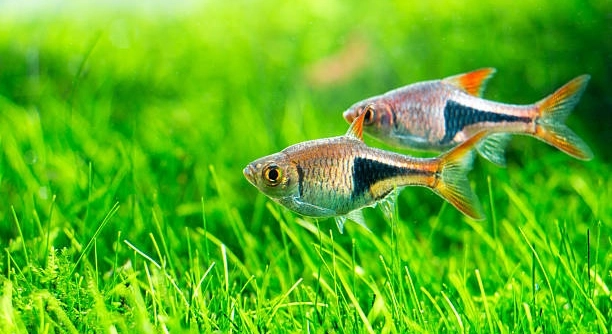
Keeping a Rasbora tank beautiful requires more than just adding water and fish. Clear water creates a healthier environment for your fish and makes your tank look more attractive and inviting for anyone observing it.
Maintaining clear water in a Rasbora tank primarily depends on proper filtration, regular water changes, and careful monitoring of feeding habits. Overfeeding, poor filtration, and accumulated waste are the main contributors to cloudy water, which can stress the fish and reduce tank health.
These simple practices can make a noticeable difference in your tank’s clarity and overall well-being for your Rasboras. Paying attention to these factors ensures a more balanced and visually pleasing aquarium.
Choose the Right Filter
A good filter is essential for keeping Rasbora tanks clean. Filters remove waste, leftover food, and debris, helping water stay clear longer. For small to medium tanks, sponge filters are effective and gentle on these tiny fish. Larger tanks may require canister filters that can handle higher volumes of water while maintaining clarity. It’s important to choose a filter rated for your tank’s size to ensure efficient water circulation. Proper placement of the filter intake and output also helps distribute clean water evenly. Regular maintenance, such as rinsing filter media in tank water, keeps it working at peak efficiency without harming beneficial bacteria. Using a combination of mechanical and biological filtration helps maintain a stable environment. Avoid over-cleaning, which can remove essential bacteria that break down toxins. Checking water flow and adjusting it as necessary ensures your Rasboras are comfortable while the tank remains visually clear. Over time, a properly selected filter reduces the frequency of water changes and keeps the tank healthier.
Filters play a key role in maintaining tank clarity and fish health. Choosing the right type and maintaining it properly ensures stable, clean water.
Consistently monitoring the filter’s performance allows you to prevent cloudy water before it becomes an issue. Checking media, flow, and placement keeps the system effective.
Regular Water Changes
Performing regular water changes is one of the simplest ways to keep a Rasbora tank clear. Replacing 20-25% of water weekly removes waste and dissolved particles that accumulate over time. Using a siphon helps clean the substrate while transferring water, preventing leftover food or fish waste from clouding the tank. Fresh water also replenishes essential minerals and helps maintain proper pH levels. It’s important to treat tap water with a dechlorinator before adding it to the tank to avoid harming the fish. Avoid large, infrequent water changes, as sudden shifts can stress Rasboras and affect their immune systems. Monitoring water parameters, including ammonia, nitrite, and nitrate, helps you determine when additional changes are needed. Combining water changes with consistent filtration creates a stable environment where fish can thrive. Small, steady adjustments over time prevent sudden spikes in waste and keep the water visually appealing.
Skipping water changes often leads to cloudy water and unhealthy fish, so a steady routine is critical.
Regular water changes, paired with monitoring tank conditions, prevent algae growth and keep nitrate levels low. They help maintain oxygen levels and reduce the chance of sudden health issues, ensuring your Rasboras remain active and vibrant. Small, frequent changes are better than occasional large ones, as they maintain stability and reduce stress for your fish. By sticking to a schedule, you create a predictable environment that supports both water clarity and the overall well-being of your tank inhabitants.
Avoid Overfeeding
Overfeeding is a major reason Rasbora tanks become cloudy. Uneaten food breaks down, creating waste and promoting bacterial growth. Feed small portions and remove leftovers after a few minutes.
Feeding Rasboras the correct amount supports clear water and healthy fish. These small fish only need tiny meals once or twice a day. Overfeeding not only clouds the water but can lead to health problems like bloating and swim bladder issues. Observing how quickly your fish consume their food helps adjust portion sizes accurately. Using high-quality, slow-sinking flakes or pellets ensures most of the food is eaten, minimizing residue on the substrate. This simple habit greatly reduces waste accumulation and keeps the tank visually cleaner.
Consistency in feeding schedules improves water clarity. Even with proper filtration, excessive food increases ammonia and nitrate levels. By monitoring portions, you can prevent these spikes. Providing a varied diet that Rasboras can finish within minutes helps reduce leftovers. It also encourages natural schooling behavior and activity, keeping fish healthy and the tank stable. Removing uneaten food promptly reinforces a cleaner environment, making maintenance easier over time. Proper feeding is a small step with significant impact on water quality.
Manage Algae Growth
Algae growth can quickly turn clear water green and hazy. Limit direct sunlight and balance tank lighting to slow its spread.
Regularly cleaning surfaces and decorations prevents algae buildup. Using algae-eating species, like certain snails or shrimp, can help maintain control without chemicals. Over-fertilizing plants or adding excess nutrients accelerates algae growth, so monitor additions carefully. Maintaining a balance between light, nutrients, and fish waste is crucial. Even small tanks benefit from these adjustments, as algae multiply rapidly under ideal conditions. Observing algae patterns helps identify problem areas and allows early intervention before the tank becomes visually affected.
Preventing algae is easier than removing it after it takes over. Manual scrubbing, adjusting lighting schedules, and controlling nutrient levels keep growth manageable. Consistency is key, as irregular maintenance allows algae to rebound quickly. Algae-eating additions must be compatible with Rasboras and the existing ecosystem to avoid stress. Combining these approaches ensures a healthier, clearer tank. Keeping plants healthy and pruning dead leaves also reduces nutrient sources for algae. By monitoring and managing these factors regularly, water clarity is preserved, and fish remain in a more stable, stress-free environment.
Maintain a Clean Substrate
Debris and fish waste accumulate on the tank bottom, making water cloudy. Regular vacuuming during water changes keeps the substrate clean.
Gravel or sand traps particles that contribute to poor water quality. Using a siphon carefully ensures waste is removed without disturbing the fish or plants too much.
Avoid Overstocking
Overcrowding increases waste and stresses Rasboras, making water murky. Keep the number of fish appropriate for the tank size.
Use Live Plants
Live plants absorb excess nutrients that would otherwise fuel algae growth. Healthy plants help maintain clear water by competing with algae for resources.
Monitor Water Parameters
Keeping ammonia, nitrite, and nitrate levels within safe ranges prevents water from becoming cloudy and harmful to Rasboras. Regular testing is essential.
FAQ
Why is my Rasbora tank water cloudy even with a filter?
Cloudy water often results from overfeeding, accumulated waste, or an immature biological filter. Even the best filter cannot handle excessive food or sudden spikes in ammonia and nitrate. Rinse filter media in tank water instead of tap water to preserve beneficial bacteria.
How often should I change water in a Rasbora tank?
Weekly water changes of 20-25% are generally recommended. This removes dissolved waste, prevents nitrate buildup, and replenishes essential minerals. Small, frequent changes are better than large, infrequent ones because sudden shifts in water chemistry can stress Rasboras.
Can overfeeding affect water clarity?
Yes, uneaten food decomposes and produces ammonia, clouding the water and promoting algae growth. Feed small portions that fish can consume within minutes. Removing leftovers promptly prevents waste accumulation and maintains a cleaner environment.
Are live plants necessary for clear water?
Live plants are not required, but they help absorb excess nutrients that algae use to grow. Fast-growing plants like hornwort or water wisteria can significantly reduce nutrient levels and support stable water conditions.
What is the best way to clean the substrate?
Use a siphon or gravel vacuum during water changes. This removes uneaten food, waste, and debris without disturbing the beneficial bacteria too much. Focus on areas where Rasboras feed and waste collects.
How do I control algae without harming fish?
Limit light exposure to 6-8 hours per day, avoid over-fertilizing, and introduce algae-eating species compatible with Rasboras. Regular scrubbing of glass and decorations helps manage growth. Consistent maintenance is more effective than chemical treatments.
Can too many fish make water cloudy?
Yes, overcrowding increases waste production, which exceeds the filter’s capacity. Stick to recommended stocking levels, considering tank size and filtration. Stress from overcrowding also weakens fish immunity, increasing susceptibility to disease.
Why does new tank water turn cloudy after adding fish?
This is often a sign of “new tank syndrome” where the biological filter is not fully established. Bacterial populations need time to break down ammonia and nitrites efficiently. Regular water testing and partial changes help stabilize water.
Is it necessary to test water parameters regularly?
Absolutely. Testing ammonia, nitrite, nitrate, and pH levels ensures early detection of problems. Maintaining stable conditions prevents sudden cloudiness and keeps Rasboras healthy. Test at least once a week or more often in new tanks.
Can water conditioners help keep water clear?
Yes, conditioners remove chlorine and chloramine from tap water and can detoxify ammonia temporarily. They protect fish during water changes but do not replace proper filtration and maintenance.
What role does filtration type play in water clarity?
Mechanical filtration removes debris, biological filtration processes waste, and chemical filtration (like activated carbon) absorbs impurities. A combination ensures clear water. Selecting a filter rated for your tank size is essential for effectiveness.
How long does it take to get a consistently clear Rasbora tank?
With proper feeding, regular water changes, adequate filtration, and plant support, clarity usually improves within a few weeks. Patience and consistent care are key because sudden, aggressive changes can harm fish and destabilize the tank.
Can stress in Rasboras affect water clarity?
Indirectly, yes. Stressed fish may produce more waste or reduce feeding efficiency, leading to leftover food accumulation. Maintaining stable conditions, avoiding overcrowding, and providing hiding spots reduces stress and supports clear water.
Are chemical treatments safe for clearing water quickly?
Chemical clarifiers can temporarily bind particles to improve appearance, but they do not solve underlying causes. Overreliance can harm beneficial bacteria. Regular cleaning, proper feeding, and filtration remain the most effective long-term solutions.
How important is tank placement for water clarity?
Placing the tank away from direct sunlight helps limit algae growth. Consistent lighting schedules prevent nutrient imbalances and reduce sudden algae blooms, which cloud water. Environmental stability supports both clarity and fish health.
Can substrate choice affect water clarity?
Yes, fine sand or small gravel traps debris differently. Rounded or smooth substrate reduces trapped waste and makes siphoning easier. Avoid overly dusty substrate, as it may contribute to initial cloudiness when disturbed.
Do Rasboras produce a lot of waste compared to other small fish?
They produce moderate waste for their size. The key is matching filtration and tank size to the number of fish. Monitoring feeding and tank maintenance ensures their waste does not accumulate and cloud the water.
What’s the best routine for keeping Rasbora tanks clear?
Feed small portions, perform weekly water changes, maintain filters, clean substrates, monitor water parameters, and control algae. Consistency in these habits ensures long-term clarity and fish health without overcomplicating care.
How do I prevent recurring cloudiness after cleaning?
Avoid overfeeding, ensure the filter is properly maintained, and establish a balanced tank ecosystem. Adding live plants and compatible algae eaters reduces nutrient spikes. Regular observation helps identify problems before they affect water clarity.
Are there common mistakes beginners make with Rasbora tanks?
Yes, frequent mistakes include overfeeding, overcrowding, irregular water changes, improper filtration, and excessive lighting. Addressing these issues early prevents cloudy water and keeps Rasboras healthy and active.
Keeping a Rasbora tank clear requires consistent care and attention to several key factors. Water clarity is not achieved through a single step but rather through a combination of proper filtration, regular water changes, careful feeding, and monitoring water parameters. Each of these elements plays an important role in maintaining a healthy environment for your fish. Filters remove debris and promote beneficial bacteria growth, while water changes prevent the accumulation of nitrates and other waste products. Small, steady adjustments in maintenance routines often make a bigger difference than sudden, drastic changes, which can stress the fish and destabilize the tank.
Feeding practices are just as important as mechanical maintenance. Overfeeding produces waste that clouds the water and can lead to health issues for Rasboras. By providing small portions that the fish can consume within a few minutes, you reduce the amount of uneaten food in the tank. Observing the fish during feeding helps determine the right portion size and schedule. Introducing live plants also supports water clarity by absorbing excess nutrients that algae would otherwise use to grow. Controlling light exposure and trimming plants regularly prevents algae overgrowth, which can quickly turn clear water green and murky.
Regular observation and consistency are key to keeping a Rasbora tank clear over time. Monitoring water parameters like ammonia, nitrite, nitrate, and pH ensures the tank remains stable and safe for the fish. Avoiding overcrowding reduces stress on the fish and minimizes excess waste, while routine cleaning of the substrate and decorations prevents debris from accumulating. Combining these practices creates a balanced environment where Rasboras can thrive, and water remains visually appealing. Maintaining a clear tank requires patience, but the results are worth the effort. By sticking to consistent routines, adjusting care based on observations, and responding promptly to any changes in water quality, you ensure a healthier, more vibrant tank for your Rasboras and a more enjoyable experience as an aquarist.

Hello,
If you enjoy the content that we create, please consider saying a "Thank You!" by leaving a tip.
Every little bit helps us continue crafting quality advice that supports the health, happiness, and well-being of pets around the world, for pets of all shapes, sizes, and species.
We really appreciate the kindness and support that you show us!