
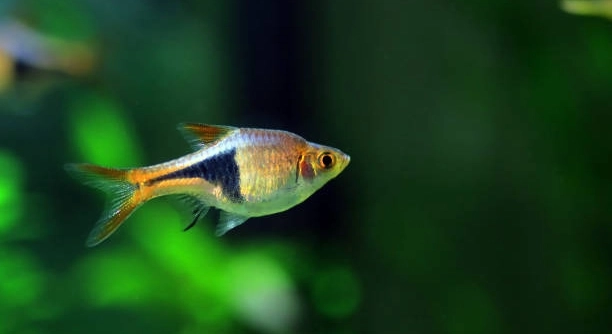
Rasboras are small, peaceful fish that many people enjoy keeping in home aquariums. Their gentle nature and bright colors make them a popular choice, but caring for them involves more than feeding and cleaning.
Rasboras can survive short power outages if the water conditions remain stable. Proper aeration, temperature control, and minimal stress are crucial factors that determine their ability to endure temporary interruptions in filtration or heating.
Knowing how to protect your fish during outages can prevent unnecessary stress and health issues. Preparing your tank and understanding their needs ensures rasboras stay safe in unexpected situations.
Understanding Rasboras’ Needs During a Power Outage
Rasboras are delicate fish that rely on stable water conditions to stay healthy. During a power outage, the lack of filtration can cause oxygen levels to drop quickly. Their small size means they are sensitive to temperature changes, and sudden shifts can stress them. Maintaining a calm environment is essential. Moving them between tanks or containers can increase stress, so it is best to keep them in their familiar habitat. Aeration can be provided using battery-operated air pumps, and covering the tank can help preserve warmth. Observing their behavior during an outage helps detect early signs of stress, like sluggish movement or gasping at the surface. Even a few hours without filtration can impact water quality, so monitoring is key. Avoid feeding them heavily during this time, as uneaten food can quickly pollute the tank. Planning ahead can make outages less risky for these tiny fish.
Short-term outages can be managed if precautions like aeration and temperature monitoring are taken in advance.
Understanding how rasboras respond to changing conditions helps you make better choices for their care. Adjustments in feeding, aeration, and observation are small steps with significant impact.
Preparing Your Tank for Unexpected Outages
Planning ahead reduces stress for your fish during power failures.
Start by having a backup air pump and extra batteries ready. Keep a thermometer in the tank to monitor water temperature, and consider insulated covers to retain heat. Regular water testing helps you track oxygen and ammonia levels, which can rise quickly during outages. If possible, have a secondary container prepared with water from the tank to move fish temporarily if conditions worsen. Avoid overcrowding, as it increases oxygen demand. Learn how to manually circulate water using a cup or small siphon if the pump fails. Keeping the tank in a stable environment, away from drafts or direct sunlight, also helps maintain temperature. Regular maintenance before any outage reduces the amount of waste in the tank, lowering the risk of water quality problems. Consistent preparation ensures rasboras remain safe, even during unexpected interruptions.
Being prepared with tools and knowledge ensures rasboras can survive short outages safely. Adjusting aeration, monitoring water quality, and creating temporary solutions are practical steps every owner can take. Planning ahead minimizes stress and protects their health during emergencies.
Managing Oxygen Levels
Rasboras need oxygen-rich water to survive, especially during a power outage. Lack of aeration can make them weak and stressed. Simple solutions like battery-operated air pumps or manually stirring water can help keep oxygen levels stable until power returns.
Monitoring the tank is crucial during an outage. Rasboras are sensitive to low oxygen, and even small drops can affect their health. Bubble stones, air pumps, or gently moving the water’s surface can improve oxygen exchange. Observing their swimming patterns helps identify stress early. Avoid overcrowding, as too many fish will deplete oxygen faster. Keeping their environment calm reduces unnecessary movement, preserving oxygen for longer periods.
Water temperature also affects oxygen availability. Warmer water holds less oxygen, so covering the tank or using insulated materials can help maintain temperature. Avoid sudden changes, and check for signs like gasping at the surface. By taking these precautions, rasboras can remain stable even during short-term outages, reducing the risk of long-term stress or illness.
Reducing Stress During Outages
Stress can worsen quickly for rasboras without proper care. Keeping water clean and stable helps them stay calm.
Small changes in environment, such as dim lighting and quiet surroundings, can reduce stress. Fish are sensitive to vibrations and sudden movements, so limiting activity near the tank is helpful. Avoid feeding heavily, as uneaten food can pollute the water and increase stress. Monitoring their behavior ensures early detection of problems, letting you act quickly.
Maintaining a routine during power outages keeps rasboras healthier. Aeration, stable temperatures, and limited disturbances prevent panic and erratic swimming. Temporary relocation should only be done if conditions deteriorate. By paying attention to their needs and keeping interventions minimal, their stress levels can stay low. Preparing in advance, with backup equipment and a calm environment, ensures the fish remain safe and healthy until normal conditions return.
Quick Actions When Power Goes Out
Immediately checking the tank is crucial. Turn on any backup air pumps and monitor the water temperature. Removing excess food reduces waste buildup, which can worsen water quality.
Keeping the tank environment calm helps rasboras stay safe. Avoid tapping the glass or creating sudden movements nearby, as stress can escalate quickly during outages.
Using Backup Equipment
Battery-operated air pumps and portable aerators are essential during outages. They maintain oxygen levels and help circulate water. Preparing extra batteries and testing devices beforehand ensures they work when needed. Temporary lighting or heaters can also help maintain a stable environment, especially in colder conditions.
Monitoring Fish Behavior
Observe rasboras closely during outages. Signs of stress include gasping at the surface or erratic swimming. Early detection allows quick action to prevent serious health problems.
FAQ
How long can rasboras survive without power?
Rasboras can usually survive a few hours without power if the tank is stable. Key factors include water temperature, oxygen levels, and stress. Small, short outages are manageable, but prolonged periods without filtration or aeration increase the risk of health issues. Preparing backup equipment reduces this risk.
Do I need a battery-operated air pump for short outages?
Using a battery-operated air pump is highly recommended. Even a few hours without water circulation can lower oxygen levels. A pump ensures continuous aeration, helping rasboras breathe easily. Testing it regularly and keeping spare batteries on hand makes it reliable during emergencies.
Can I move rasboras to a smaller container during an outage?
Temporary relocation is possible but should be done carefully. Use water from the original tank to avoid sudden changes in pH or temperature. Keep the container covered and in a quiet area. Avoid overcrowding and provide gentle aeration if the outage is extended.
Should I feed my fish during a power outage?
It’s best to reduce or skip feeding during outages. Uneaten food can quickly pollute the water and lower oxygen levels. Rasboras can survive short periods without food, so prioritizing water quality over feeding helps prevent stress and potential illness.
How do I monitor water quality without electricity?
Manual testing kits for ammonia, nitrite, and pH are useful. Observing fish behavior is also an indicator. Gasps at the surface, sluggish movement, or clamped fins suggest stress or poor water quality. Quick interventions, like partial water changes, can prevent serious problems.
Can insulation help during a power outage?
Yes, covering the tank or placing insulation around it helps maintain temperature. Rasboras are sensitive to sudden drops, so reducing heat loss is important. Even simple materials like blankets or foam sheets can slow temperature changes until power returns.
What is the risk of overcrowding during outages?
Overcrowding increases oxygen demand and waste production, worsening water conditions. During a power outage, it’s crucial to maintain appropriate stocking levels. Fewer fish in the tank make it easier to manage oxygen and reduce stress, improving survival chances.
How do I keep my fish calm during outages?
Minimize disturbances by keeping lights dim and limiting movement near the tank. Avoid tapping the glass or loud noises. Gentle water movement from an air pump is enough; extra agitation can stress the fish. Calm conditions help them conserve energy and stay healthier.
Are short outages less risky than long ones?
Short outages are generally safe if precautions are taken. Long outages increase ammonia buildup, reduce oxygen, and can lead to temperature swings. Backup equipment, careful monitoring, and reduced feeding are critical for surviving extended periods without electricity.
Can I prevent future stress for rasboras during outages?
Yes, planning ahead helps. Maintain regular tank care, test backup equipment, and keep spare batteries ready. Knowing how to manage water quality and oxygen levels allows rasboras to stay safe even during unexpected power interruptions. Preparation is the key to minimizing risk.
What is the most important thing to focus on during a power outage?
Oxygen levels, water temperature, and minimizing stress are the top priorities. Even small measures like aeration, insulation, and careful observation make a big difference. Protecting these elements ensures that rasboras remain healthy until normal conditions return.
Can I combine multiple methods for better results?
Yes, using a battery-operated air pump, insulated covers, and monitoring behavior together provides the best protection. Each method addresses different risks, so combining them ensures a safer environment for rasboras during power outages.
How often should I check on my fish during an outage?
Frequent checks help detect early signs of stress. Observing behavior and water conditions every hour or two is recommended. This allows prompt intervention if oxygen levels drop or fish become distressed, improving survival rates.
Are all rasboras equally sensitive to outages?
While all rasboras need stable conditions, smaller species or younger fish are usually more sensitive. Larger or more established fish may tolerate short interruptions slightly better, but careful monitoring is essential for every tank.
What should I do immediately after power returns?
Check water quality, restore filtration, and ensure the temperature stabilizes. Perform a partial water change if needed, and resume regular feeding gradually. Observing the fish for lingering stress signs ensures they recover fully from the outage.
This FAQ covers most concerns regarding rasboras during power outages. Following these practices ensures their safety, reduces stress, and helps maintain a healthy tank even in unexpected situations.
Final Thoughts
Rasboras are small, peaceful fish that thrive in stable, well-maintained environments. Their delicate nature makes them sensitive to changes in water quality, oxygen levels, and temperature. Power outages can create a sudden shift in these conditions, which can stress the fish if precautions are not taken. Maintaining a calm and stable environment during these times is essential. Even though they are hardy in small amounts, their survival depends largely on careful observation and proper care. Simple measures such as using a battery-operated air pump, insulating the tank, and limiting disturbances can make a significant difference in how well they handle short-term interruptions in power. These steps not only protect the fish but also reduce the risk of long-term health problems that can arise from stress or poor water conditions.
Being prepared is one of the most important aspects of keeping rasboras healthy during unexpected outages. Having backup equipment ready, including extra batteries for pumps and portable heaters if needed, ensures that oxygen levels and temperature remain as stable as possible. Monitoring their behavior is also key; noticing signs like gasping at the surface, sluggish movement, or erratic swimming allows for quick intervention before serious harm occurs. Reducing feeding during outages is another important factor. Uneaten food can pollute the tank, lowering water quality and increasing stress levels. By focusing on oxygen, temperature, and minimizing stress, owners can help rasboras endure temporary disruptions safely. Small adjustments, like covering the tank to maintain heat or limiting noise near the aquarium, may seem minor but have a measurable impact on their well-being.
After a power outage, returning the tank to normal conditions carefully is just as important as preparation. Restarting filtration gradually, performing partial water changes if necessary, and observing the fish closely helps them recover without additional stress. It is also a good practice to review what went well and what could be improved for future outages. Maintaining routine care, testing equipment regularly, and keeping emergency supplies accessible are habits that benefit both the fish and the owner. While power outages are unpredictable, consistent preparation and attention to the needs of rasboras make a noticeable difference in their survival and overall health. By understanding their specific requirements and taking straightforward precautions, it is possible to minimize the impact of these interruptions and ensure that rasboras remain healthy and thriving in a home aquarium.

Hello,
If you enjoy the content that we create, please consider saying a "Thank You!" by leaving a tip.
Every little bit helps us continue crafting quality advice that supports the health, happiness, and well-being of pets around the world, for pets of all shapes, sizes, and species.
We really appreciate the kindness and support that you show us!