
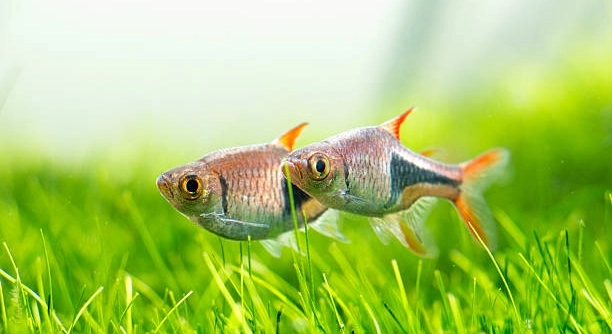
Rasboras are small, peaceful fish that brighten up any aquarium with their shimmering colors. Observing their behavior after feeding can reveal a lot about their health, mood, and social interactions within the tank.
After feeding, rasboras typically exhibit specific behaviors such as swimming calmly, resting near plants, gathering in schools, exploring the tank, showing minor bursts of activity, engaging in social interactions, and occasionally cleaning themselves. These actions indicate digestion and comfort.
Knowing what rasboras do post-feeding helps ensure they are thriving and content in their environment, making it easier to maintain a healthy and balanced aquarium.
Swimming Calmly After a Meal
After feeding, rasboras often swim gently around the tank instead of dashing about. This calm swimming is a sign that they are digesting properly and feel safe in their surroundings. You may notice them moving from one corner to another or hovering near plants and decorations, maintaining steady, smooth motions. It’s common for younger fish to be a bit more active, but even they usually settle into slower movements shortly after eating. Observing this behavior can help you understand their comfort levels, as a stressed fish tends to swim erratically or hide excessively. Calm swimming also allows them to absorb nutrients efficiently, supporting growth and overall health. You may see them adjusting positions subtly, gliding past tankmates, or floating in gentle arcs. Over time, this pattern becomes predictable, letting you recognize any unusual behavior that could indicate water quality or health issues.
Calm swimming helps rasboras process their food without stress and ensures their digestive systems work efficiently.
Watching them glide slowly through the tank is soothing, and noticing small interactions among them shows a healthy, balanced group dynamic.
Resting Near Plants and Hiding Spots
Rasboras often rest close to plants or decorations after eating. This provides safety and comfort, letting them digest food without interruption.
These resting spots are essential for reducing stress. Fish feel more secure near foliage or shaded areas, and resting there supports better digestion and a stable routine. Hiding does not always mean fear; it is often a natural pause in their activity.
Spending time near plants or rocks allows rasboras to recover energy, especially after a large feeding. You may notice them gently leaning against leaves or hovering in shaded corners, interacting minimally with other fish. These moments also encourage natural behavior patterns, which are important for their well-being. Offering plenty of resting areas ensures all fish have a chance to recover quietly. Observing these habits lets you gauge tank comfort and environmental enrichment. Over time, you may notice preferences for certain plants or spots, which can inform tank layout adjustments to enhance their living conditions.
Gathering in Schools
Rasboras often group together after feeding, moving as a coordinated school. This behavior keeps them safe and promotes social interaction within the tank.
Schooling after a meal is a natural instinct that provides comfort and security. By staying close, rasboras reduce stress and can monitor each other for potential threats. This coordinated movement also helps distribute energy evenly, preventing one fish from becoming too dominant. In my own tank, I often notice them forming tight groups near mid-level water, gradually spreading out as digestion progresses. It’s fascinating to see how synchronized their movements can be, especially when they swim around plants or decorations.
This grouping behavior also encourages healthy interactions and can reveal personalities within the school. Some fish tend to lead while others follow, showing clear social patterns. Maintaining enough space in the tank allows all members to participate comfortably without crowding or competition for food, which supports long-term health and reduces stress among the group.
Minor Bursts of Activity
After a period of calm, rasboras may suddenly dart or jump lightly in the tank. These small bursts of activity are normal and indicate energy levels.
These movements often happen in short spurts and help with digestion and circulation. I’ve observed my rasboras performing little zigzags or quick circles around plants after feeding. These bursts are not frantic but playful and purposeful, reflecting a healthy digestive process. It’s their way of stretching muscles and interacting with each other, sometimes chasing bubbles or investigating decorations. Even though it looks like random activity, it is a natural part of their post-feeding routine. Monitoring these bursts can help you understand their comfort and tank dynamics, as sudden changes or lack of activity may signal stress or illness.
Exploring the Tank
Rasboras often swim around the tank after feeding, checking corners and plants. This exploration helps them stay active and engaged with their environment.
Moving through different areas allows them to find comfortable spots and interact with their surroundings. I notice mine glide near rocks and driftwood, inspecting spaces quietly.
Social Interactions
Rasboras engage with tank mates after eating, showing mild chasing, nuzzling, or synchronized swimming. These interactions strengthen social bonds and help maintain hierarchy. Observing these behaviors reveals which fish are more dominant or playful, while others prefer to follow or stay slightly apart. In my tank, some rasboras always lead movements, guiding others through open water, while a few linger near plants. These social cues are important for harmony, as aggressive or overly shy fish may need additional hiding spots. Watching these interactions over time helps me understand their personalities and ensures I maintain a balanced environment that minimizes stress and encourages healthy relationships. Social activity also stimulates natural instincts, which supports overall well-being and keeps the group lively without causing conflict.
Cleaning Themselves
After feeding, rasboras sometimes rub against plants or decorations. This helps remove debris and maintain hygiene.
FAQ
Why do my rasboras swim slowly after eating?
Slow swimming is a natural part of digestion. After a meal, rasboras conserve energy and allow their bodies to process food efficiently. In my tank, I notice them gliding calmly past plants or hovering near decorations. This behavior usually lasts for a short while before they become more active again. Slow swimming is not a cause for concern unless it is accompanied by unusual signs like clamped fins or gasping at the surface, which may indicate stress or water quality issues.
Is it normal for rasboras to rest near plants after feeding?
Yes, resting near plants or hiding spots is typical. These areas provide comfort and safety, allowing rasboras to digest without disturbance. I often see them leaning against leaves or hovering in shaded corners, which seems to relax them. Providing enough plants and decorations ensures all fish have a space to rest, reducing stress and promoting better health. Lack of resting spots may lead to increased tension and less predictable behavior, so arranging the tank thoughtfully is important.
Why do rasboras form schools after eating?
Schooling after feeding is a natural instinct. Being in a group reduces stress and creates a sense of security. In my tank, I notice the fish gather in mid-level water or near plants, moving together in smooth patterns. This behavior also helps them stay aware of each other’s movements and keeps dominant fish from harassing weaker members. Watching schooling can reveal individual personalities, as some fish lead while others follow. Ensuring the tank has enough space allows the school to swim freely without crowding.
What causes minor bursts of activity after feeding?
Short bursts of activity are normal and show healthy energy levels. Rasboras may dart or zigzag lightly around the tank to stretch and maintain circulation. In my experience, these movements are playful and purposeful, not frantic. They may chase bubbles or explore decorations briefly. Observing these bursts helps identify natural behavior and can highlight any fish that are unusually lethargic or overactive, signaling potential health or tank issues.
Do rasboras interact differently with tank mates after feeding?
Yes, social interactions are more noticeable post-feeding. Fish may nuzzle, chase lightly, or swim together in patterns. I often see some rasboras leading while others follow, which shows social hierarchy. Providing enough space and hiding spots ensures interactions remain calm, reducing the chance of stress or aggression. Watching these interactions helps me understand each fish’s personality and maintain a balanced environment.
Why do rasboras explore the tank after feeding?
Exploration is part of natural behavior and helps fish stay active. They check plants, rocks, and decorations to find comfortable spots. In my tank, they often swim past hiding areas, inspect corners, or hover around mid-level water. This activity supports mental stimulation, encourages exercise, and allows them to establish territory without stress. Limited space can reduce this behavior, so a thoughtfully arranged tank is essential.
Is cleaning themselves after a meal important?
Yes, rasboras sometimes rub against plants or surfaces to remove debris. This self-maintenance helps prevent irritation and keeps scales healthy. I notice them brushing lightly against leaves or driftwood, which seems to help them stay comfortable. Providing textured surfaces in the tank supports this behavior naturally, promoting hygiene without causing harm.
How long do rasboras usually stay calm after eating?
Typically, they remain calm for 20–40 minutes depending on the meal size. During this time, they digest food efficiently and avoid unnecessary stress. In my experience, larger meals may extend this calm period slightly. Observing these patterns helps determine feeding amounts and timing, ensuring all fish remain healthy and active without overfeeding.
Can post-feeding behavior indicate health issues?
Yes, unusual patterns like constant hiding, gasping at the surface, or erratic swimming can signal problems. I check water quality and diet whenever I notice deviations from normal calm swimming, resting, or schooling behavior. Consistent observation allows early intervention, preventing potential illnesses and maintaining a balanced, thriving tank.
Should I adjust feeding based on their behavior?
Yes, observing post-feeding activity helps guide portion sizes. If rasboras remain overly lethargic or leave food uneaten, the amount may be too large. In my tank, smaller, frequent meals encourage normal behavior like calm swimming, schooling, and bursts of activity, keeping fish healthy and the tank clean.
Rasboras are small but fascinating fish to keep. Watching them after feeding can tell a lot about their health, comfort, and social interactions. Many of their behaviors, such as calm swimming, resting near plants, or forming schools, are natural and part of their daily routines. Understanding these behaviors helps ensure that the tank is a safe and comfortable space for them. For instance, when they swim slowly after eating, it usually means they are digesting properly. Calm, steady movements indicate that the water conditions are suitable and that the fish feel secure in their environment. In contrast, unusual or erratic swimming might signal stress, illness, or poor water quality, which would require attention. By observing these patterns over time, you can learn to recognize what is normal for your specific group of rasboras.
Providing proper resting spots and hiding places is also very important. Rasboras often gravitate toward plants, rocks, and shaded corners after a meal. These areas give them a sense of security and reduce stress, allowing their digestive systems to work efficiently. In my experience, fish that have plenty of plants and structures tend to show more natural behaviors, such as gentle schooling, mild bursts of activity, and light exploration. On the other hand, a sparse tank can lead to more nervous or erratic behavior. Arranging decorations thoughtfully can improve both the physical and mental well-being of the fish. It also makes observing their post-feeding behaviors easier, because they have designated areas where they feel comfortable resting or interacting with each other. Small adjustments, like adding a few leafy plants or small hiding spots, can make a big difference in how they behave.
Finally, understanding rasboras’ post-feeding behavior allows you to better care for them overall. Observing their patterns, like bursts of activity, social interactions, and self-cleaning habits, provides insight into their health and happiness. Adjusting feeding amounts, providing a balanced diet, and monitoring water quality all contribute to maintaining a thriving aquarium. Over time, these observations help you identify preferences, personalities, and even potential issues early, preventing problems before they escalate. The goal is to create a tank environment that supports both their physical health and natural instincts. Watching them calmly swim, gather in schools, and explore their surroundings can be very rewarding, showing that they are comfortable and content. With careful attention and small, consistent adjustments, you can ensure that your rasboras remain healthy, active, and happy in their home.

Hello,
If you enjoy the content that we create, please consider saying a "Thank You!" by leaving a tip.
Every little bit helps us continue crafting quality advice that supports the health, happiness, and well-being of pets around the world, for pets of all shapes, sizes, and species.
We really appreciate the kindness and support that you show us!