
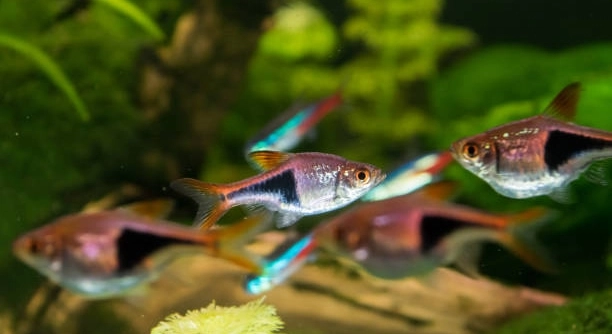
Rasboras are small, lively fish that brighten any aquarium with their colorful presence. Many fish owners enjoy watching them swim in groups, but feeding them the right foods can sometimes be confusing for beginners and enthusiasts alike.
Rasboras thrive on a balanced diet consisting mainly of high-quality flake foods, micro-pellets, and live or frozen options such as daphnia, brine shrimp, and bloodworms. Avoid overfeeding and foods high in fillers or artificial additives to maintain their health.
Providing the right meals ensures your rasboras remain active, vibrant, and healthy, creating a lively and thriving aquarium environment for years to come.
Best Flake Foods for Rasboras
High-quality flake foods are a staple for rasboras and provide essential nutrients to support their growth and energy. Look for flakes specifically formulated for small tropical fish, as they contain the right balance of protein, vitamins, and minerals. Flakes should be small enough for rasboras to eat easily, preventing choking or wasted food. Feeding them in small portions two to three times a day helps maintain water quality and prevents overfeeding. Rotating different brands or types of flakes ensures they receive a variety of nutrients. Avoid flakes that contain excessive fillers, artificial coloring, or preservatives, as these can affect their health over time. Observing how your rasboras respond to different flakes can help determine which ones they prefer. Offering flakes alongside live or frozen options can create a more balanced and natural diet, encouraging active feeding behavior and overall vitality.
Flakes are convenient and provide consistent nutrition for daily feeding.
Including flake foods alongside live or frozen items supports a healthy, balanced diet and keeps rasboras active and vibrant. Proper portion control also prevents water issues.
Live and Frozen Foods
Live and frozen foods, such as brine shrimp and daphnia, are excellent for adding protein to a rasbora’s diet.
Feeding live or frozen foods occasionally helps mimic natural feeding habits, providing essential nutrients that promote color and activity. Rasboras benefit from the movement of live foods, which encourages exercise and stimulates their natural instincts. Frozen foods like bloodworms or brine shrimp are convenient alternatives that maintain similar nutritional value. These foods should be offered in small quantities, ensuring that all fish have a chance to eat. Overfeeding can lead to water quality problems and health issues. Incorporating a variety of live and frozen foods alongside flakes ensures a balanced diet. Observing their behavior during feeding helps gauge preferences and detect any dietary issues early. Regularly alternating between these options can reduce boredom and encourage healthy, natural foraging behaviors, enhancing overall well-being.
Offering live or frozen foods boosts protein intake and natural activity.
Rotating these options with flake foods provides balanced nutrition, promotes vibrant coloration, and keeps rasboras active. Maintaining portion control is key.
Vegetables Rasboras Can Eat
Small pieces of blanched vegetables, such as spinach or zucchini, are safe for rasboras and provide fiber. These additions can prevent digestive issues and offer variety to their diet. Always chop vegetables finely so the fish can eat them easily without struggling.
Blanched vegetables supply vitamins and minerals that support rasboras’ overall health. Spinach, zucchini, and peas can be lightly boiled or steamed until soft, then cooled before serving. These vegetables should be offered sparingly, as the main diet should still focus on protein-rich flakes or live foods. Removing uneaten portions promptly prevents water quality issues, which is essential for maintaining a healthy aquarium environment. Some rasboras may show immediate interest, while others take time to accept vegetables, so consistency is key.
Incorporating vegetables occasionally encourages balanced nutrition and aids digestion. Combining them with flakes and live foods creates a diverse diet that enhances activity, coloration, and longevity. It also reduces boredom and helps simulate natural foraging behaviors, which is beneficial for mental and physical health.
Foods to Avoid
Avoid feeding rasboras human snacks, bread, or processed foods, as these can harm digestion and overall health.
High-fat or heavily processed foods lack essential nutrients and can lead to obesity or disease in rasboras. Chocolate, chips, or oily leftovers are unsafe and should never be offered. Some people might assume small scraps are harmless, but even tiny amounts can disrupt the delicate balance in their digestive system. Additionally, certain live foods, like large worms or insects, may be too big or carry parasites, posing a risk. Always research any new food before offering it and stick to proven, fish-safe options to maintain health.
Overfeeding or giving unsafe foods can lead to serious health issues, including bloating, weakened immunity, or stress. Maintaining a strict diet of flakes, frozen or live foods, and occasional vegetables ensures rasboras remain active and colorful. Careful monitoring and portion control prevent water problems and keep fish thriving. Avoiding questionable foods reduces risk and promotes long-term well-being.
Small Live Foods
Microworms and daphnia are perfect for young rasboras, providing essential protein in a size they can easily consume. These tiny live foods encourage natural hunting behavior and help strengthen their immune system.
Regular feeding with small live foods supports growth and keeps young rasboras active. These options are easy to digest and provide nutrients that flake foods alone may not fully supply. Offering them several times a week ensures a balanced diet while maintaining water quality by removing uneaten portions promptly.
Freeze-Dried Options
Freeze-dried bloodworms, brine shrimp, and tubifex worms are convenient alternatives to live foods.
They retain most nutrients and are simple to store and feed. Before giving them to rasboras, soak freeze-dried foods in aquarium water to soften them, making them easier to eat and reducing digestive stress. These foods provide extra protein and variety, complementing flakes and vegetables. Avoid overfeeding, as leftovers can pollute the water. Freeze-dried options are a reliable way to supplement the diet, especially when live foods are not available, keeping rasboras healthy and energetic.
Occasional Treats
Tiny pieces of cooked egg or shrimp can be offered occasionally.
These treats provide protein boosts but should never replace regular meals. Small, infrequent servings add variety and help maintain activity without affecting water quality.
FAQ
What should I feed my rasboras daily?
A balanced daily diet should include high-quality flake foods or micro-pellets as the main source of nutrition. Supplementing with live or frozen foods a few times a week provides essential protein and keeps them active. Occasionally adding finely chopped vegetables supports digestion and adds vitamins. Portion control is key, feeding small amounts two to three times per day to avoid overfeeding. Uneaten food should be removed promptly to maintain water quality and prevent harmful bacteria or algae buildup. Observing your rasboras during feeding ensures all fish eat properly and remain healthy.
Can rasboras eat vegetables?
Yes, blanched vegetables like spinach, zucchini, and peas can be included in their diet. Vegetables provide fiber, vitamins, and minerals that help with digestion and overall health. Chop or mash them finely to prevent choking, and offer them only occasionally, as their main diet should remain protein-focused. Removing leftover vegetables promptly prevents water contamination.
Are live foods necessary for rasboras?
Live foods are not strictly necessary, but they provide natural nutrition and stimulate active foraging behavior. Foods like brine shrimp, daphnia, and microworms offer protein and help maintain vibrant colors. They can be fed a few times per week alongside flakes and vegetables. Using live foods in moderation prevents water quality issues and keeps rasboras energetic.
Can freeze-dried foods replace live foods?
Freeze-dried foods, such as bloodworms or brine shrimp, are convenient alternatives that retain nutrients when soaked in water before feeding. They supplement the diet well and are easier to store than live foods. While they don’t fully replicate the activity stimulation of live foods, they still provide protein and variety without significantly affecting water quality.
What foods should I avoid feeding rasboras?
Avoid human snacks, processed foods, bread, chocolate, or oily leftovers. These items can cause digestive issues, obesity, or disease. Certain live foods like large worms may carry parasites or be too big for small rasboras. Stick to proven fish-safe options to maintain health. Overfeeding or unsafe foods can lead to bloating, weakened immunity, and stress.
How often should I offer treats?
Treats such as tiny pieces of cooked egg or shrimp should only be offered occasionally, no more than once or twice a week. They provide a protein boost but should not replace primary meals. Small, infrequent servings help maintain variety without compromising water quality or regular feeding schedules.
How can I ensure my rasboras get enough nutrition?
Rotate between flakes, live or frozen foods, and occasional vegetables. Observing their feeding habits helps identify preferences and ensures all fish receive enough food. Avoid overfeeding and remove uneaten portions. Balanced rotation prevents deficiencies, encourages active swimming, and maintains their vibrant coloration. Consistent portion control supports both health and aquarium cleanliness.
Is overfeeding a problem?
Yes, overfeeding can quickly deteriorate water quality, lead to obesity, and cause digestive issues. Feeding small, measured portions multiple times a day is safer than giving a large amount at once. Watch for leftover food and adjust quantities based on consumption to maintain a healthy tank environment. Overfeeding also reduces activity levels and can shorten lifespan.
Can rasboras eat shrimp or other seafood?
Yes, tiny pieces of cooked shrimp can be given as an occasional protein treat. Avoid raw or seasoned seafood to prevent contamination or digestive problems. Use small amounts to complement their regular diet and ensure it doesn’t replace staple foods like flakes or live protein sources. These treats can boost energy and maintain vibrant coloration.
Are there any signs of a poor diet in rasboras?
Signs include faded coloration, reduced activity, bloating, or slow growth. Fish that refuse to eat or show lethargy may be receiving an unbalanced diet. Observing behavior and appearance regularly allows for quick adjustments. Ensuring variety with flakes, live or frozen foods, and vegetables can prevent deficiencies and maintain healthy, active rasboras.
Rasboras are small, delicate fish that thrive when provided with a balanced and varied diet. Their nutritional needs are straightforward but important, combining protein, fiber, and essential vitamins to keep them active, healthy, and colorful. High-quality flake foods or micro-pellets should form the base of their diet, as these are designed to meet the basic requirements of small tropical fish. Supplementing with live or frozen foods such as brine shrimp, daphnia, or bloodworms ensures they receive additional protein, which supports growth and encourages natural hunting behavior. Occasional servings of finely chopped vegetables, like blanched spinach or zucchini, add fiber and essential nutrients while supporting proper digestion. Consistency in feeding habits and portion control is equally crucial, as overfeeding can lead to water quality issues, obesity, and health problems. Observing rasboras during feeding helps ensure each fish receives its share of food and allows for early detection of dietary issues or changes in behavior.
It is also important to be mindful of foods that should be avoided, as small mistakes can affect their health. Human snacks, processed foods, or items high in fat or seasoning are unsuitable for rasboras and can cause digestive distress or more serious conditions. Even some live foods, if too large or untested, may carry parasites or be difficult for small fish to consume safely. Regularly rotating between flakes, live or frozen foods, and vegetables helps maintain a balanced diet while keeping the feeding experience interesting for the fish. Freeze-dried options can also be used as a convenient alternative to live foods, offering similar nutritional benefits without the extra maintenance. Paying attention to portion sizes, feeding frequency, and food type ensures that rasboras remain energetic, vibrant, and resilient over time. A well-balanced diet not only affects their physical health but also influences behavior, making them more active and responsive in the aquarium.
Maintaining a proper feeding routine also contributes to the overall health of the aquarium. Uneaten food can quickly decay, leading to poor water quality and increased risk of algae growth or harmful bacteria. By feeding small, measured portions and removing leftovers, water conditions stay stable and the fish remain comfortable in their environment. A diet that combines flakes, live or frozen foods, and occasional vegetables covers all nutritional needs while reducing the likelihood of deficiencies or health issues. Consistent care and attention to feeding habits allow rasboras to thrive, displaying brighter colors, more energetic swimming, and overall vitality. Understanding their dietary preferences and providing a variety of safe, nutritious foods creates a stable and healthy environment, helping the fish to live longer and maintain an active, natural lifestyle in the aquarium.

Hello,
If you enjoy the content that we create, please consider saying a "Thank You!" by leaving a tip.
Every little bit helps us continue crafting quality advice that supports the health, happiness, and well-being of pets around the world, for pets of all shapes, sizes, and species.
We really appreciate the kindness and support that you show us!