
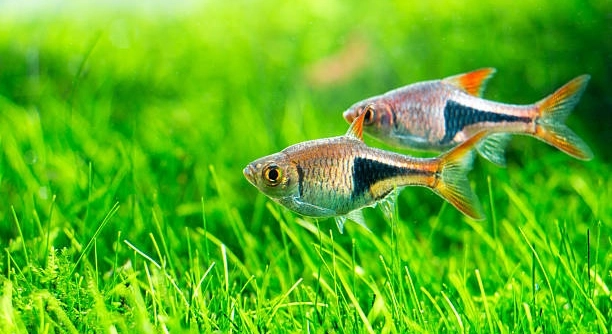
Harlequin rasboras are small, colorful fish that bring life to any aquarium. Watching them swim gracefully is relaxing, but keeping them healthy requires attention to their well-being and environment. Observing them closely can prevent common health issues.
Harlequin rasboras may show several health red flags, including changes in color, abnormal swimming patterns, loss of appetite, fin damage, bloating, visible parasites, and lethargy. Early detection of these signs is critical for prompt intervention and maintaining overall fish health.
Recognizing these warning signs early ensures your rasboras stay vibrant and active, helping you provide a safe and balanced environment for their long-term well-being.
Faded Colors
When I first noticed my harlequin rasboras losing their bright, vibrant colors, it was worrying. Color fading can happen slowly, making it easy to miss at first. This change is often a response to stress, poor water quality, or illness. Even small fluctuations in water temperature or sudden changes in lighting can affect their natural pigments. Diet also plays a role; fish not getting enough nutrients may start to look dull or washed out. I started paying closer attention to their tank environment, checking for leftover food, excess waste, or overcrowding. Keeping water parameters stable and providing high-quality food rich in carotenoids helped restore some color over time.
Faded colors can indicate stress or nutritional deficiency and should be addressed quickly to maintain the fish’s health and appearance.
By monitoring tank conditions and offering a balanced diet, color changes can often be reversed. Consistency in maintenance, regular water changes, and adding natural pigments through food help your rasboras regain their lively hue. Avoid sudden tank alterations and always check water chemistry to prevent prolonged stress or illness. Over time, these adjustments can make a noticeable difference in their vibrancy.
Abnormal Swimming
Abnormal swimming patterns are an early warning that something may be wrong with your rasboras.
Fish that dart around, float at the surface, or spin in circles are often experiencing stress or discomfort. Poor water quality, low oxygen levels, parasites, or internal infections can affect their ability to swim normally. I noticed one of my rasboras hanging near the bottom, struggling to maintain balance. Testing water parameters revealed elevated ammonia levels, which explained the unusual behavior. Correcting the water conditions immediately helped the fish regain normal movement. In some cases, abnormalities can also result from physical injuries, such as fin damage from sharp decorations. Observing how your fish swim daily helps catch problems early. Prompt action, such as adjusting water quality, adding gentle filtration, or isolating sick fish, can prevent serious health decline and improve recovery chances.
Loss of Appetite
A sudden refusal to eat is a clear warning sign that something is wrong with your rasboras.
When I noticed my fish ignoring food, I first checked water conditions and temperature. Loss of appetite often links to stress, illness, or poor water quality. Parasites, bacterial infections, and sudden environmental changes can all contribute. I began feeding smaller portions of high-quality food and observed behavior closely. Gradually, appetite returned after correcting water parameters and isolating a sick fish to prevent spread.
Changes in feeding habits are sometimes subtle, but consistent monitoring helps. Even minor dietary shifts can indicate underlying health issues. Maintaining a clean tank and a varied diet ensures your rasboras remain energetic and healthy.
Fin Damage
Torn or frayed fins are often caused by fights, rough decorations, or bacterial infections.
One of my rasboras developed ragged fins after exploring a tank with sharp ornaments. Fin damage makes fish more vulnerable to infection and slows swimming. I removed sharp objects and added antibacterial treatments to prevent worsening. Consistent water changes helped reduce stress, allowing fins to slowly regenerate. Monitoring for repeated aggression or fin-nipping behavior is important, as some tankmates may be more aggressive than others.
Preventing fin damage requires careful tank setup, including smooth decorations and sufficient space. Regular observation allows early intervention. Clean water, proper nutrition, and limiting overcrowding help your rasboras recover quickly, restoring both health and appearance.
Bloating
Bloating is noticeable when a rasbora’s body swells or appears rounder than usual.
Overfeeding, constipation, or internal infections often cause this issue. I noticed one of my fish looking puffed up after a few days of extra feeding. Adjusting portion sizes and fasting the fish for a day helped reduce the swelling.
Visible Parasites
I once saw tiny spots moving on a rasbora’s body. These were external parasites, which can irritate skin and fins, spread quickly, and weaken the fish. Immediate treatment with anti-parasitic solutions and careful tank cleaning prevented further harm. Observing fish daily helps catch parasites early.
Lethargy
Lethargic rasboras stay near the bottom or hide excessively. Poor water quality, stress, or illness usually causes this. I found that increasing water changes and providing a quiet environment helped my fish regain energy. Consistent monitoring and maintaining proper tank conditions are key to keeping them active.
How can I tell if my harlequin rasboras are stressed?
Stress in harlequin rasboras shows in subtle ways. I noticed my fish hiding more than usual and swimming erratically when stress levels were high. Common causes include poor water quality, sudden temperature changes, overcrowding, or aggressive tankmates. Their colors may also fade, and appetite can decrease. Keeping the tank stable, clean, and well-decorated provides hiding spots and reduces stress. Observing behavior daily allows early intervention before stress leads to illness.
What should I do if I see fin damage?
Fin damage needs immediate attention to prevent infections. I first removed any sharp decorations and isolated fish if aggression was involved. Maintaining excellent water quality is essential, and antibacterial treatments can help minor tears heal. Feeding high-quality food supports recovery. Avoid overcrowding and monitor tankmates for repeated fin-nipping behavior.
Why do my rasboras stop eating?
Loss of appetite usually signals stress, illness, or environmental issues. I noticed this during sudden water changes and periods of high ammonia levels. Parasites and bacterial infections also play a role. Offering small, nutritious portions, adjusting water parameters, and isolating sick fish can restore normal feeding habits. Patience and observation are key, as recovery can take several days.
How can I prevent bloating in my fish?
Bloating often results from overfeeding or constipation. I reduced feeding portions and gave occasional fasting days, which helped immensely. High-fiber foods like daphnia can relieve minor constipation. Monitoring diet and avoiding excessive dry foods prevents future bloating. Maintaining clean water and balanced nutrition is the most effective long-term strategy.
What are the signs of external parasites?
External parasites appear as tiny spots, white threads, or small moving specks on the body or fins. I noticed one fish scratching against decorations, which was an early warning. Left untreated, parasites can spread rapidly. Anti-parasitic treatments and careful tank cleaning are essential. Quarantining infected fish helps protect healthy tankmates.
Why are my rasboras lethargic?
Lethargy usually signals poor water conditions, stress, or underlying illness. My fish stayed at the bottom and hid excessively during periods of elevated nitrate levels. Increasing water changes, checking temperature and pH, and providing a calm environment helped them regain normal activity. Active monitoring prevents prolonged health issues.
Can faded colors indicate illness?
Faded colors often indicate stress, poor diet, or disease. I noticed subtle fading during periods of overcrowding and sudden water fluctuations. Ensuring high-quality food rich in carotenoids, stable water conditions, and sufficient hiding spots can restore vibrancy. Early attention prevents color loss from becoming a symptom of a serious problem.
How often should I test water parameters?
Testing water at least once a week is ideal. I found that small fluctuations in ammonia, nitrite, or pH directly affected my fish’s health. Frequent testing helps detect issues early, allowing timely corrections before problems escalate. Keeping a log of results can help identify patterns and maintain a stable environment.
What diet helps keep harlequin rasboras healthy?
A varied diet supports color, energy, and immunity. I feed my fish high-quality flakes, frozen or live foods like brine shrimp and daphnia, and occasional vegetable matter. Avoid overfeeding, and offer small portions multiple times a day. Proper nutrition prevents bloating, maintains appetite, and supports overall health.
When should I quarantine a sick fish?
Quarantine is necessary immediately upon noticing illness signs such as abnormal swimming, visible parasites, fin damage, or lethargy. I set up a separate tank with clean water and treatment options to prevent disease spread. Isolation reduces stress on healthy fish and allows targeted care for the sick individual.
How do I keep tankmates from harming harlequin rasboras?
Choosing peaceful tankmates is essential. I once had a more aggressive fish that caused fin nipping. Keeping compatible species, providing hiding spots, and maintaining proper space reduces conflicts. Observing interactions daily allows early intervention if aggression starts to impact health or behavior.
Can stress affect breeding?
Yes, stress can prevent spawning. My rasboras delayed breeding when water conditions fluctuated and they lacked sufficient hiding places. Ensuring a calm, stable environment, proper diet, and optimal water parameters encourages natural breeding behaviors and increases success rates.
Harlequin rasboras are small fish with big personalities, and keeping them healthy requires consistent care. Observing their behavior, appearance, and appetite can help you detect early signs of problems. Changes in swimming patterns, color fading, or loss of appetite are not always immediately obvious, so daily attention is important. Maintaining clean water and stable conditions in the tank reduces stress, which in turn supports overall health. Overfeeding, overcrowding, or sudden changes in temperature and pH can easily upset their balance. I have found that paying close attention to these factors makes a noticeable difference in how active and vibrant my fish remain.
Nutrition plays a crucial role in keeping harlequin rasboras healthy. A varied diet with high-quality flakes, frozen or live foods, and occasional vegetable matter ensures they get the nutrients needed to stay energetic and maintain their natural colors. Overfeeding can lead to bloating and other health issues, so controlling portion sizes and feeding frequency is essential. Providing foods rich in carotenoids helps maintain their bright orange and black coloration, while protein-rich foods support growth and immunity. By combining good nutrition with a clean, well-maintained tank, many common health problems can be prevented or addressed early, giving your fish a better chance to thrive in a safe environment.
Creating a suitable tank environment is equally important. Harlequin rasboras thrive in calm waters with plenty of swimming space and hiding spots. I make sure my tank has smooth decorations, gentle filtration, and proper lighting to mimic natural conditions. Keeping tankmates peaceful and monitoring interactions helps prevent injuries like torn fins or stress from aggression. Regular water testing and changes help prevent the buildup of harmful chemicals, reducing the risk of illness. Paying attention to these details allows your rasboras to remain active, social, and healthy. With careful observation, proper nutrition, and consistent maintenance, you can enjoy the beauty and lively behavior of these fish while ensuring they stay in good health for years.

Hello,
If you enjoy the content that we create, please consider saying a "Thank You!" by leaving a tip.
Every little bit helps us continue crafting quality advice that supports the health, happiness, and well-being of pets around the world, for pets of all shapes, sizes, and species.
We really appreciate the kindness and support that you show us!