
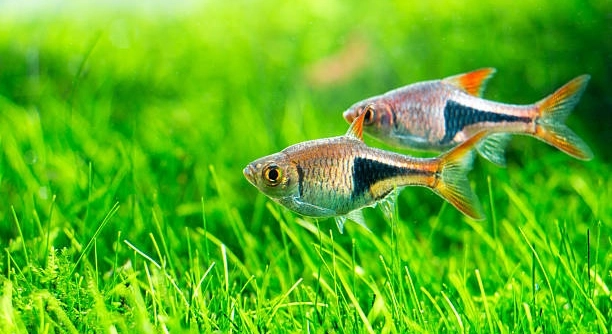
Caring for a rasbora can be a deeply rewarding experience, as these small fish bring charm and life to any aquarium. Observing their behavior and environment carefully helps ensure they thrive and remain content.
A truly happy rasbora displays active swimming patterns, engages with its environment, and maintains vibrant colors. Proper water conditions, balanced nutrition, and a stress-free habitat contribute to its overall well-being and observable signs of contentment in daily behavior.
Understanding these key indicators can help you maintain a healthier and more harmonious tank for your rasbora companions. Keeping them happy ensures both their welfare and your enjoyment.
Recognizing Signs of Happiness in Rasboras
Rasboras are small but expressive fish, and noticing their mood can be surprisingly straightforward. Active swimming is one of the clearest indicators, especially when they move confidently around the tank without hiding. A group of rasboras that swims together harmoniously usually feels secure and comfortable in its environment. Bright, consistent coloration also signals good health and contentment, while dull or faded colors may suggest stress or illness. Paying attention to eating habits is another key factor. A happy rasbora will eagerly accept food and feed without hesitation. Changes in appetite or behavior often indicate adjustments are needed in water quality, diet, or tank setup. Observing interactions with tank mates helps too, as healthy rasboras often show curiosity rather than fear. Maintaining a clean, stable environment with proper temperature and filtration supports these positive behaviors, ensuring your fish display natural, relaxed patterns consistently.
Small behaviors, like gentle fin movements or resting in open areas, also reflect comfort and security in the tank.
By monitoring these aspects closely, you can detect subtle shifts in mood before they become serious problems. Even minor changes in swimming speed, position, or coloration can reveal underlying stress. For instance, rasboras that cluster tightly in corners or remain near the bottom may need water adjustments or additional hiding spaces. Likewise, sudden changes in appetite should prompt a review of feeding schedules and food quality. Balancing tank conditions and keeping the environment enriched with plants, safe spaces, and compatible tank mates ensures your fish remain active and visibly content. Over time, recognizing these patterns becomes intuitive, allowing you to respond quickly to any issues. Consistent observation and small adjustments prevent stress, enhance natural behavior, and support long-term well-being. A healthy, happy rasbora is not only more vibrant but also exhibits stronger immunity and longer lifespan.
Creating the Ideal Environment for Rasboras
Proper tank conditions are essential for rasbora happiness. Stable temperature, clean water, and sufficient swimming space all contribute to their well-being.
Rasboras thrive in tanks with moderate vegetation and open swimming areas. Providing hiding spots with plants or decorations helps reduce stress while encouraging natural exploration. Filtration should maintain water clarity without causing strong currents, as gentle flow mirrors their natural habitat. Temperature should remain consistent within the species-specific range, and frequent partial water changes support healthy conditions. Light levels need balance—too bright can cause stress, while too dim can limit activity. Additionally, keeping the tank free from aggressive or incompatible species prevents conflict, which directly impacts their mood. Feeding should include varied, high-quality foods appropriate for small schooling fish, supporting both nutrition and natural foraging behavior. Regular observation ensures that all rasboras remain active, maintain vibrant colors, and display normal social interactions. A well-maintained environment ultimately allows them to thrive physically and emotionally, reflecting overall happiness and health consistently.
Feeding Habits and Happiness
Rasboras respond quickly to a consistent feeding routine. Regular meals and varied diets help them stay active and healthy, reflecting their overall contentment in the tank environment.
A balanced diet includes high-quality flakes, micro-pellets, and occasional live or frozen foods like daphnia or brine shrimp. Overfeeding can lead to poor water quality and sluggish behavior, while underfeeding may cause stress and fading colors. Observing how your fish react during feeding provides clear insight into their comfort level. Happy rasboras approach food confidently, feed together harmoniously, and show no signs of aggression or avoidance, indicating a stable and nourishing environment.
Feeding interactions also reveal social dynamics among tank mates. Rasboras that eat calmly in groups demonstrate strong cohesion, while isolated or hesitant fish may need closer attention. Adjusting portion sizes and feeding times ensures all individuals maintain health and display natural behaviors. Careful observation during feeding times strengthens understanding of each fish’s needs, allowing you to fine-tune diet and routine to support long-term happiness. Consistent, attentive care during these moments contributes significantly to their well-being.
Social Behavior and Interaction
Rasboras are schooling fish that thrive in groups of five or more, showing comfort through synchronized swimming and playful interactions. Maintaining proper group sizes enhances overall activity and reduces stress.
Social engagement is a key factor in their happiness. When fish swim together in coordinated patterns, explore their surroundings, and occasionally chase one another gently, it indicates security and contentment. Isolation or aggressive tank mates can disrupt this harmony, causing fear and withdrawal. Observing subtle cues, like fin displays, small nudges, or the tendency to stick close to certain companions, helps identify social satisfaction. Balanced groups encourage natural behavior, reduce anxiety, and support stronger immune responses. Ensuring compatible tank mates and sufficient space prevents overcrowding, which can lead to tension.
Proper social environments also allow rasboras to express curiosity safely. Adding plants, decorations, or mild currents encourages interaction without forcing conflict. By monitoring group dynamics, you can intervene if specific fish are consistently stressed or excluded. Social enrichment promotes mental stimulation, helping them remain active and resilient. The combination of stable companionship, environmental variety, and attentive observation ensures your rasboras experience consistent happiness, forming a lively and harmonious tank ecosystem that mirrors their natural tendencies.
Tank Cleanliness and Water Quality
Maintaining clean water is essential for rasbora happiness. Regular water changes and proper filtration prevent stress and disease, keeping your fish active and vibrant.
Monitoring water parameters like pH, ammonia, nitrite, and nitrate levels ensures stability. Unstable conditions can cause hiding, lethargy, or loss of color.
Observing Natural Behavior
Rasboras that explore, swim in schools, and interact with plants show contentment. Repeated observation of these behaviors helps detect stress early and maintain overall well-being.
Adjusting Lighting and Temperature
Consistent lighting and temperature support normal activity patterns. Sudden changes can stress rasboras, affecting appetite, color, and social interaction. Maintaining stability ensures they feel secure.
Providing Hiding Spots
Plants, rocks, or decorations give rasboras places to hide. Safe spaces reduce stress and promote natural, relaxed behavior, contributing to their overall happiness.
FAQ
How can I tell if my rasbora is happy?
A happy rasbora swims actively, interacts with other fish, and explores its environment. Its colors are bright, fins move naturally, and it feeds eagerly during mealtimes. Observing these consistent behaviors is the best way to gauge contentment and overall well-being.
What are the most important water conditions for rasboras?
Stable temperature, proper pH, and clean water are critical. Rasboras prefer moderate temperatures and minimal fluctuations. Regular water changes, efficient filtration, and monitoring ammonia, nitrite, and nitrate levels help prevent stress and disease, keeping your fish active and healthy.
How many rasboras should be kept together?
Rasboras are schooling fish and do best in groups of five or more. Larger groups encourage natural swimming patterns and social interaction. Small groups or isolation can cause stress, hiding, and lack of activity, which affects both health and happiness.
What types of food are best for rasboras?
High-quality flakes or micro-pellets should form the staple of their diet. Supplementing with live or frozen foods, like daphnia, brine shrimp, or bloodworms, adds nutrition and variety. Avoid overfeeding, as excess food can pollute the tank and harm water quality.
How often should I feed my rasboras?
Feeding once or twice daily is ideal. Offer small portions that the fish can consume within a few minutes. Overfeeding can lead to water issues, while irregular feeding may stress them and reduce appetite, affecting their mood and activity.
What signs indicate my rasbora is stressed?
Hiding constantly, sluggish movement, loss of color, or refusal to eat are key stress indicators. Rapid gill movement or clamped fins also suggest discomfort. Identifying stress early allows for quick adjustments to water quality, tank mates, or environment.
Are decorations and plants important for their happiness?
Yes, live or artificial plants, rocks, and hiding spots provide security and mimic natural habitats. Proper placement encourages exploration, reduces aggression, and allows them to feel safe, supporting natural behaviors and reducing stress.
Can rasboras live with other fish?
They can, but compatibility is essential. Calm, similarly sized fish work best. Aggressive or territorial species can cause fear, hiding, or injury. Observing interactions and maintaining proper group sizes ensures a harmonious tank environment.
How can I maintain their color and health?
Consistent water quality, proper nutrition, and a low-stress environment are key. Bright, vibrant colors indicate health, while dull colors may signal poor diet, illness, or stress. Regular observation helps catch problems early.
What temperature and lighting are ideal?
Rasboras thrive in moderate, stable temperatures, usually between 72-78°F (22-26°C). Lighting should be consistent but not too bright, replicating natural day-night cycles to support normal activity and reduce stress.
How can I tell if my rasboras are socializing properly?
Active schooling, coordinated swimming, and gentle interactions indicate healthy social behavior. Isolated fish or those avoiding the group may need closer attention. Ensuring compatible companions and sufficient space encourages positive social engagement and reduces tension.
What should I do if one fish becomes sick?
Quarantine the affected fish immediately. Adjust water parameters and observe for symptoms. Prompt treatment prevents disease spread and maintains the happiness and health of the remaining tank mates.
Can I adjust the tank environment gradually?
Yes, gradual changes in temperature, lighting, or layout minimize stress. Sudden adjustments can cause hiding, reduced activity, or loss of appetite. Small, incremental changes help rasboras adapt while maintaining normal behavior and well-being.
How often should I monitor my tank?
Daily observation of behavior, swimming patterns, and feeding response is recommended. Weekly water tests and cleaning routines keep the environment stable, ensuring your rasboras remain active, healthy, and happy consistently.
How do I encourage natural behavior?
Providing plants, hiding spots, and gentle currents encourages exploration and schooling. Varied food types and consistent routines also stimulate natural instincts, helping rasboras stay active, curious, and visibly content.
Is it normal for rasboras to rest in certain areas?
Yes, resting near plants or in corners is natural. These safe zones help reduce stress and support normal activity cycles, contributing to overall happiness and comfort in the tank.
Can stress affect their lifespan?
Chronic stress reduces immunity and can shorten lifespan. Stable water conditions, proper social groups, and safe environments help maintain health and promote longevity.
What’s the most important factor for a happy rasbora?
A balanced combination of clean water, proper diet, social companionship, and environmental enrichment ensures that your rasboras display natural behaviors, vibrant colors, and consistent activity, reflecting true contentment in their tank habitat.
How do I know if my feeding schedule is working?
Fish that eagerly approach food, feed calmly, and show normal activity afterward indicate an effective feeding routine. Adjust portions or timing if fish appear hesitant or overexcited, maintaining their happiness and health.
Can I make small adjustments to their habitat over time?
Yes, incremental changes help rasboras adapt naturally. Introducing new plants, adjusting lighting, or modifying decorations gradually encourages exploration without causing stress, allowing them to remain active and comfortable.
How can I prevent aggression in the tank?
Maintain proper group sizes, avoid aggressive species, and provide hiding spots. Balanced social interactions and sufficient space reduce conflict, allowing rasboras to swim freely and enjoy a stress-free environment consistently.
Are rasboras sensitive to noise or movement outside the tank?
Excessive vibrations, loud noises, or sudden movements can startle them. Placing the tank in a calm area and minimizing external disturbances supports stability and encourages relaxed, natural behavior.
Do they need special care during breeding?
Yes, breeding conditions require gentle handling, slightly warmer water, and specific hiding areas for eggs. Monitoring interactions carefully ensures adults remain stress-free while supporting successful reproduction.
Can a happy rasbora become stressed suddenly?
Yes, sudden changes in water, lighting, or tank mates can trigger stress. Quick observation and adjustments are essential to restore comfort, maintain natural behaviors, and prevent health issues.
How do I balance their tank environment effectively?
Combining stable water parameters, compatible companions, consistent feeding, and enrichment like plants and hiding spots ensures a healthy, happy, and harmonious environment that supports natural behavior daily.
What is the easiest way to track their happiness?
Observe activity levels, swimming patterns, social behavior, color vibrancy, and appetite. Regular monitoring helps detect changes early, allowing timely intervention to maintain well-being.
How long does it take for rasboras to show contentment in a new tank?
With proper conditions, they usually adapt within a week or two. Gradual introductions, stable water, and safe environments help them establish normal activity and social patterns efficiently.
Can lighting color affect their mood?
Yes, soft, natural lighting supports normal behavior. Too bright or fluctuating light can stress them, while consistent day-night cycles encourage activity, feeding, and interaction, reflecting overall happiness.
Do all rasboras display the same behaviors?
Individual differences exist, but healthy rasboras generally swim actively, school together, feed readily, and explore their environment. Variations may indicate stress or adjustment needs, not permanent behavior traits.
How often should I clean the tank without stressing them?
Partial water changes weekly or biweekly are ideal. Clean decorations and filter maintenance should be done gently, avoiding sudden disturbances to keep fish calm and comfortable.
Can I add new fish to an established group safely?
Yes, introducing new fish gradually with quarantine measures and careful observation prevents stress. Proper acclimation and compatible species selection ensure group harmony and happiness.
What common mistakes reduce rasbora happiness?
Overcrowding, irregular feeding, poor water quality, aggressive tank mates, and sudden environmental changes all cause stress, hiding, or illness. Maintaining consistent care, space, and enrichment prevents these issues.
How important is tank size for their well-being?
A spacious tank allows schooling, swimming, and exploration. Cramped conditions limit movement, increase aggression, and reduce overall happiness, so providing adequate space is crucial for healthy behavior.
Do they require enrichment beyond hiding spots?
Yes, plants, gentle currents, and occasional variation in decor or food encourage natural behavior, exploration, and mental stimulation, contributing to overall contentment.
How can I tell if my rasboras are bored?
Signs include lethargy, repeated swimming patterns, or lack of interaction. Introducing plants, decorations, or food variety stimulates activity and restores engagement with their environment.
Is it normal for rasboras to interact with humans?
While generally shy, rasboras may approach the tank during feeding. This behavior indicates recognition of routine and a sense of security, reflecting positive adaptation to their environment.
How do I prevent illness in a happy tank?
Maintaining clean water, monitoring behavior, providing proper diet, and ensuring compatible companions reduce stress and infection risks, allowing your rasboras to remain healthy and active consistently.
Can seasonal changes affect their behavior?
Yes, fluctuations in room temperature, light, or feeding schedules can influence activity. Gradual adjustments and consistent care help maintain comfort and normal behavior throughout the year.
What is the best way to introduce new decorations or plants?
Add items gradually and monitor fish response. Sudden changes can cause hiding or stress. Proper placement ensures exploration without disrupting natural swimming or social patterns.
How long can rasboras live happily in a well-maintained tank?
With proper care, rasboras can live up to five years or more. Stable water, a balanced diet, social groups, and enriched environments contribute to longevity and consistent happiness.
What should I do if multiple fish show stress signs?
Check water parameters, review tank setup, and observe social interactions. Correcting issues like overcrowding, incompatible companions, or poor water quality restores calm, normal behavior, and overall happiness.
Can changes in diet affect their mood?
Yes, a varied and nutritious diet promotes energy, color, and social interaction. Lack of proper nutrition can reduce activity, color vibrancy, and general contentment, signaling the need for dietary adjustments.
How can I prevent overfeeding when caring for rasboras?
Offer small portions once or twice daily and remove uneaten food promptly. Monitoring feeding behavior ensures adequate nutrition without compromising water quality, keeping fish healthy and stress-free.
Do rasboras recognize their environment?
Yes, stable, enriched tanks with familiar hiding spots and decorations promote confidence, reduce stress, and allow natural exploration, reflecting comfort and happiness in their habitat.
Can stress affect breeding behavior?
Yes, stressed rasboras may avoid spawning or exhibit aggression. Providing stable water, safe hiding spaces, and calm conditions supports successful reproduction and overall well-being.
Is it normal for rasboras to rest at the bottom occasionally?
Yes, resting near the substrate or in sheltered areas is natural. It helps conserve energy, reduces stress, and supports daily activity cycles, reflecting comfort in the tank.
How do I know if my social groups are balanced?
Observe schooling patterns, swimming cohesion, and interactions. Groups that swim together, explore evenly, and show minimal aggression indicate a balanced and healthy social structure.
Can tank placement affect their happiness?
Yes, placing the tank in a calm, stable environment away from loud noises or vibrations prevents stress. Consistent surroundings support normal behavior, feeding, and social interaction.
What is the easiest way to spot early stress?
Look for changes in swimming patterns, color, appetite, or hiding. Early detection allows for quick adjustments to water quality, tank mates, or environment, maintaining happiness and health.
How do I encourage interaction without causing stress?
Introduce gentle currents, varied food, and plants. Observe reactions to ensure comfort. Gradual environmental enrichment encourages exploration and natural behavior safely.
Can I monitor happiness visually?
Yes, active swimming, vibrant colors, social schooling, and feeding response are clear indicators. Consistent observation helps detect stress or illness early.
Do rasboras need breaks from bright lighting?
Yes, natural light cycles with periods of dimness help reduce stress, encourage resting behaviors, and support normal daily activity patterns.
How important is tank maintenance for happiness?
Regular cleaning, water changes, and filter checks prevent stress and disease, ensuring fish remain active, healthy, and content consistently.
Can behavioral changes indicate illness?
Yes, lethargy, loss of appetite, hiding, or fin clamping can signal health problems. Quick intervention protects both the affected fish and the group’s overall happiness.
Is it okay to rearrange the tank occasionally?
Yes, but do it gradually. Sudden changes may cause hiding or stress. Incremental adjustments encourage exploration without disrupting comfort or social behavior.
How do I know if my feeding method is effective?
Fish that feed calmly, remain active afterward, and maintain color indicate a successful routine. Adjustments may be needed if hesitation, aggression, or leftover food occurs.
What environmental factors most influence happiness?
Water quality, stable temperature, lighting, social groups, and enrichment directly impact behavior, mood, and health. Maintaining balance across these factors ensures rasboras remain active and vibrant.
Can happy rasboras become stressed from overcrowding?
Yes, limited space reduces swimming freedom, increases aggression, and affects feeding. Proper group sizes and tank dimensions prevent tension and maintain contentment.
How do I balance variety and stability in their environment?
Introduce plants, decorations, or food gradually while keeping water and temperature consistent. This encourages exploration and natural behavior without causing stress, supporting overall happiness.
What is the role of observation in maintaining happiness?
Regularly watching swimming patterns, interactions, and feeding habits helps detect stress or illness early, allowing timely interventions to preserve well-being and comfort.
Can changes in companions affect behavior?
Yes, introducing new fish or removing existing ones can disrupt social balance. Gradual acclimation and monitoring ensure harmonious interactions and minimize stress.
Do rasboras enjoy gentle currents?
Mild water movement mimics natural habitats, stimulating activity and exploration. Strong currents may cause stress, so moderation is key for comfort and happiness.
How long should I monitor new fish after introduction?
Observe daily for at least one to two weeks. Watch for stress, aggression, or hiding. Early detection ensures adjustments maintain group harmony and overall contentment.
Can consistent care improve lifespan?
Yes, stable water, proper diet, compatible companions, and enriched environments contribute to longer, healthier lives while supporting happiness throughout.
How do I maintain vibrant coloration?
Balanced nutrition, clean water, low stress, and adequate lighting preserve bright, healthy colors, reflecting contentment and proper health in rasboras.
Is partial isolation ever necessary?
Quarantining sick or aggressive fish protects the group’s well-being. Short-term separation ensures recovery and maintains happiness for the remaining tank members.
How do I know if a tank is too bright or dim?
Watch activity and hiding patterns. Fish that hide excessively or avoid light may need reduced intensity, while dull, sluggish behavior can indicate insufficient lighting for natural activity.
What daily care routines support happiness?
Check water clarity, observe behavior, feed appropriately, and maintain consistent light cycles. Small, consistent efforts ensure long-term health and contentment.
Can enrichment prevent boredom?
Yes, plants, hiding spots, and gentle currents stimulate exploration and activity. Variety in food and environment keeps rasboras engaged and reduces stress.
How can I track improvement after adjustments?
Monitor swimming, feeding, color, and social interactions. Positive changes indicate effective adjustments, reinforcing a healthy, happy environment.
What is the most reliable happiness indicator?
Consistent activity, schooling, vibrant color, and normal feeding behaviors collectively signal contentment, providing clear evidence of a well-maintained environment and stable care.
Can environmental stressors override social behavior?
Yes, poor water quality, sudden changes, or overcrowding may reduce interaction, cause hiding, or suppress natural behavior, highlighting the importance of overall stability.
Are some rasboras naturally more timid?
Individual temperament varies, but consistent care, proper group sizes, and secure hiding spots help even shy fish remain active and comfortable.
How do I respond to sudden stress?
Check water parameters, reduce disturbances, and ensure safe spaces. Quick intervention restores normal behavior and prevents prolonged stress.
Can monitoring behavior replace frequent water testing?
No, observation is crucial but cannot substitute for testing. Maintaining ideal water parameters is necessary to ensure long-term health and happiness.
How do I maintain social balance with new additions?
Introduce fish gradually, monitor interactions, and ensure enough space. Observing schooling patterns helps prevent aggression and maintain harmony.
Do rasboras prefer consistent tank layouts?
Yes, stability promotes confidence and exploration. Gradual changes encourage engagement without causing stress or hiding behavior.
What long-term practices support happiness?
Consistent water maintenance, balanced diet, proper social groups, environmental enrichment, and daily observation ensure sustained activity, vibrant colors, and healthy social behavior.
Can changes in food type affect behavior immediately?
Yes, introducing new foods may cause curiosity, hesitation, or excitement. Monitoring responses ensures dietary changes support happiness without causing stress.
Is it normal for rasboras to have occasional rest periods?
Yes, resting near plants or decorations conserves energy, reduces stress, and supports natural activity cycles. Regular resting indicates comfort and security.
How can I prevent aggression when expanding the tank?
Ensure sufficient space, maintain group cohesion, and introduce new areas gradually. Observation of interactions ensures harmony and prevents stress.
Can rasboras sense changes outside the tank?
Yes, sudden movements, vibrations, or loud noises can startle them. Minimizing external disturbances supports calm behavior and ongoing comfort.
What is the best way to introduce food variety?
Alternate flakes, pellets, and occasional live or frozen foods. Gradual introduction encourages natural feeding behaviors while preventing stress or overfeeding.
Do hiding spots affect schooling behavior?
Yes, providing safe spaces reduces stress while allowing active group swimming. Balanced placement ensures exploration without disrupting natural social patterns.
Can poor water quality mask signs of happiness?
Yes, even active fish may hide or lose color if water is suboptimal. Maintaining cleanliness ensures observable behaviors accurately reflect comfort.
How important is gradual acclimation for new fish?
Gradual introduction prevents shock, stress, and aggression. Proper acclimation ensures smooth integration into the social group and supports overall happiness.
What are the consequences of ignoring subtle behavior changes?
Unaddressed stress can lead to illness, aggression, or reduced lifespan. Regular observation and timely adjustments protect both health and well-being.
How can I maintain consistent feeding response?
Feed at regular times, provide suitable portions, and observe reactions. Adjusting gradually ensures ongoing interest, appetite, and positive behavior
Final Thoughts
Caring for rasboras requires attention to both their environment and behavior. Observing swimming patterns, feeding habits, and interactions with tank mates provides insight into their overall well-being. Small details, like the way they move through the tank, how they respond to food, or where they choose to rest, are all indicators of comfort and contentment. Maintaining consistent water quality and temperature, along with proper lighting, helps reduce stress and supports natural behavior. Even minor fluctuations in these factors can affect their mood and activity, so regular monitoring is essential. Providing a tank that balances open swimming areas with hiding spots allows them to explore freely while feeling secure. These small adjustments contribute to a stable environment where rasboras can display healthy and active behavior consistently. Over time, careful observation becomes intuitive, allowing you to respond quickly to subtle changes in their behavior before they develop into larger issues.
Feeding routines play a key role in keeping rasboras happy. A balanced diet of high-quality flakes or micro-pellets, supplemented occasionally with live or frozen foods, provides the nutrients needed for vibrant coloration and energy. Overfeeding can cause water quality issues and reduce their activity, while underfeeding may lead to stress and lethargy. Paying attention to how they react during feeding is important; eager, coordinated eating indicates that the fish feel secure and comfortable. Establishing a predictable feeding schedule helps reduce anxiety, encourages natural foraging behaviors, and strengthens social cohesion within the group. Observing the interactions between individuals during feeding times can also reveal underlying social dynamics, helping to identify if a fish is being excluded or stressed. By adjusting diet and portion sizes as needed, you can maintain their health and ensure that they remain active and content in the long term.
Social interaction is another essential aspect of their happiness. Rasboras are schooling fish that thrive in groups, and their well-being is closely tied to the behavior of their companions. Coordinated swimming, gentle nudges, and synchronized exploration are signs of a harmonious group. Isolation, aggressive tank mates, or overcrowding can disrupt this balance and lead to stress or hiding. Creating a proper social environment with compatible companions, adequate space, and enriched habitats encourages natural behavior and reduces tension. Plants, decorations, and gentle currents stimulate activity and exploration, providing both physical and mental enrichment. Gradual adjustments to the tank, such as adding new companions or rearranging decorations, allow the fish to adapt without stress. By observing their behavior closely and responding to their needs, you can maintain a healthy, balanced environment where rasboras remain active, colorful, and visibly content. Consistent care, attention, and thoughtful adjustments ensure their happiness over time and contribute to a thriving, harmonious aquarium.

Hello,
If you enjoy the content that we create, please consider saying a "Thank You!" by leaving a tip.
Every little bit helps us continue crafting quality advice that supports the health, happiness, and well-being of pets around the world, for pets of all shapes, sizes, and species.
We really appreciate the kindness and support that you show us!