
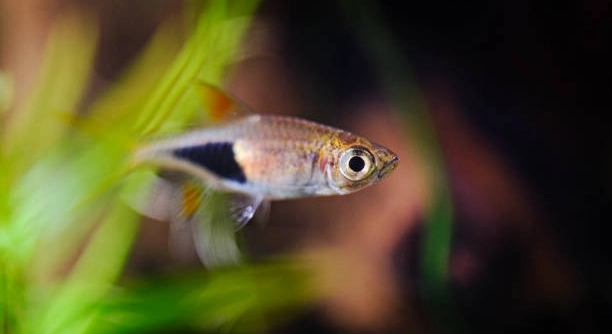
Rasboras are small, lively fish that often brighten up home aquariums. Their playful movements and flicking bodies can catch the eye, making them a favorite among beginner and experienced fish keepers alike. Watching them can be quite relaxing.
Rasboras flick their bodies primarily as a defensive and communication mechanism. This behavior helps them respond to potential threats, signal their presence to other fish, and maintain group cohesion in the aquarium or natural environment. It is a natural and instinctive action.
Observing these subtle flicks reveals more about their behavior and interactions than one might expect at first glance. Understanding these movements can enhance the care of your fish.
Why Rasboras Flick Their Bodies So Often
Rasboras flick their bodies for several reasons that go beyond simple swimming habits. In many cases, flicking is a natural reaction to sudden changes in their environment, such as new decorations, water currents, or the presence of other fish. This movement can also indicate excitement or mild stress, helping them stay alert and ready to respond to potential threats. In a group, flicking helps maintain cohesion, letting each fish communicate with others about direction or alertness. It is also linked to their feeding behavior, as small flicks can help them position themselves quickly to catch food particles. Observing their movements over time gives insight into their comfort level, social interactions, and even their health. Regular flicking is usually harmless, but a noticeable increase or erratic pattern may indicate stress or an issue with water conditions, signaling that closer attention is needed.
Flicking is also a way for rasboras to keep their bodies agile. This small, constant motion strengthens muscles and helps them react quickly.
Understanding these behaviors can make caring for rasboras easier. Recognizing normal flicking patterns ensures they are healthy and comfortable, allowing you to provide an environment that supports natural behavior while reducing unnecessary stress.
Environmental Triggers Behind Body Flicking
Water conditions play a significant role in triggering rasboras’ flicking behavior. Slight changes in temperature, pH, or clarity can make them more active or restless.
Poor water quality or sudden changes can make rasboras feel insecure. Flicking is a way to navigate uncertainty and communicate unease with their group. In natural habitats, flicking helps them avoid predators and signals others about movement or danger. In aquariums, similar instincts remain. Providing stable water parameters, hiding spots, and smooth surfaces reduces stress and excessive flicking. Lighting changes also affect their activity, with sudden bright light sometimes causing bursts of movement. Tank mates matter too; overly aggressive or much larger fish can increase flicking as a defensive response. Even small changes in feeding schedules or food types can temporarily alter flicking patterns. Paying attention to these triggers allows for adjustments that create a calm, predictable environment. This reduces unnecessary stress, helps maintain group harmony, and ensures rasboras stay healthy while displaying their natural, playful movements.
Social Behavior and Group Dynamics
Flicking helps rasboras communicate within their group. These subtle movements indicate alertness, readiness to swim together, or awareness of potential disturbances in the tank.
Rasboras are naturally schooling fish, and flicking plays a key role in maintaining group cohesion. When one fish flicks its body, others often respond, adjusting their positions or swimming patterns. This coordination reduces collisions and helps the group move fluidly through the tank. Flicking also signals stress or excitement to nearby fish, allowing the school to react collectively to changes in the environment. Over time, observing these interactions can reveal which fish are dominant, more cautious, or more social.
This behavior also helps establish boundaries within the school. Individual fish learn where to position themselves relative to others, balancing space and safety. Constant flicking keeps the group synchronized and minimizes conflict, ensuring that all fish remain active, healthy, and comfortable in their shared space.
Health and Physical Activity
Regular flicking keeps rasboras physically active and helps maintain muscle tone. It is an essential part of their daily movement.
Flicking is not just about communication; it contributes to overall fitness. Small, repeated body movements strengthen fins and core muscles, improving swimming efficiency and balance. Fish that flick regularly tend to have smoother swimming patterns and better reflexes, which are important for feeding and avoiding stressors. Lack of flicking or sudden changes in movement may indicate illness, parasites, or environmental discomfort. Observing how often and intensely rasboras flick can give insight into their health and help identify potential problems early.
In addition, flicking encourages natural behaviors like exploring the tank and interacting with plants or decorations. These movements prevent lethargy and promote better circulation. Maintaining a proper environment, including stable water conditions and adequate space, ensures that rasboras can flick naturally, stay strong, and live a healthier, more comfortable life.
Flicking as a Stress Response
Flicking often increases when rasboras feel stressed. Sudden changes, aggressive tank mates, or poor water quality can trigger these movements.
It is a natural way for them to react and release tension. Observing when flicking happens can help identify stress sources early.
Feeding and Flicking Patterns
Rasboras sometimes flick their bodies during feeding. This quick movement helps them capture food efficiently and adjust their position in the water. Frequent flicking during meals shows alertness and readiness, allowing them to compete with tank mates for available food. Understanding these patterns helps in managing feeding schedules and ensuring all fish get enough nutrition. It also reflects their comfort in the tank, as calm, well-fed fish flick less aggressively compared to hungry or anxious ones.
Tank Size and Movement
Limited space can increase flicking. Providing enough room helps rasboras move naturally and reduces stress.
FAQ
Why do rasboras flick more at certain times of the day?
Rasboras are more active during daylight hours, especially in the morning and late afternoon. Flicking increases during these periods because they are exploring, feeding, and responding to light changes. Evening flicks are usually calmer, signaling winding down before rest.
Is flicking a sign of illness?
Not always. Occasional flicking is normal, but sudden, intense, or erratic flicking can indicate stress, parasites, or poor water quality. Observing other signs like clamped fins, lethargy, or loss of appetite helps determine if medical attention is needed.
Can flicking damage their fins or body?
Normal flicking is gentle and rarely causes harm. However, constantly flicking against sharp decorations or rough surfaces may lead to fin tears or abrasions. Smooth tank décor reduces the risk of injury.
Do tank mates affect flicking behavior?
Yes, the presence of aggressive or larger fish can increase flicking as a defensive response. Rasboras in calm, compatible groups show smoother, more synchronized flicking. Observing interactions can help rearrange tank mates or provide hiding spots for comfort.
Does water quality impact flicking?
Absolutely. Poor water conditions, sudden temperature shifts, or high nitrate levels increase flicking. Stable temperature, clean water, and proper filtration reduce stress-induced flicking and help maintain natural behavior.
Is flicking the same in all rasbora species?
Most rasbora species flick, but the intensity varies. Harlequin rasboras, for example, flick lightly when schooling, while smaller species like the chili rasbora may flick more noticeably during feeding. Each species has unique patterns depending on size, temperament, and habitat needs.
How can I reduce unnecessary flicking in my tank?
Provide hiding spaces, stable water conditions, and compatible tank mates. Avoid sudden lighting changes, overfeeding, or overcrowding. A calm, predictable environment helps rasboras feel secure and reduces excessive flicking.
Does flicking help with social bonding?
Yes. Flicking communicates alertness, readiness to move, and social cues. It strengthens school cohesion, allowing all fish to move together efficiently. Observing these movements gives insight into group dynamics and comfort levels.
Can flicking indicate excitement during feeding?
Definitely. Flicking is often more pronounced during meals. It helps rasboras quickly position themselves to catch food and signals alertness to others. Healthy, well-fed fish may flick less aggressively but still show subtle movements.
Do young rasboras flick differently than adults?
Juvenile rasboras flick more frequently as they learn to swim and interact with their environment. Adults show more controlled, coordinated flicking, especially within a school. Watching young fish helps ensure they adapt well and develop proper social and physical skills.
Should I worry if one fish flicks more than others?
Occasional differences are normal. Persistent, excessive flicking by one fish could indicate stress, illness, or bullying by tank mates. Monitoring water conditions, behavior, and interactions can help address any underlying issues quickly.
Does flicking help rasboras escape predators in the wild?
Yes, in natural habitats flicking is a survival mechanism. Quick body movements make it harder for predators to catch them and signal danger to the school. This instinct remains strong even in aquarium settings.
Can tank decorations affect flicking frequency?
Yes. Sharp or overcrowded decorations can increase flicking due to fear or restricted movement. Smooth plants, open swimming areas, and proper spacing reduce unnecessary flicking and encourage natural swimming patterns.
Is flicking more common in stress-free environments?
Even in comfortable conditions, flicking occurs naturally for communication, feeding, and exercise. Stress-free environments reduce erratic or intense flicking, making movements smoother and more predictable.
Does diet influence flicking behavior?
A balanced diet supports energy levels and normal movement. Malnourished or overfed rasboras may flick less efficiently or show excessive movements when competing for food. Proper nutrition helps maintain natural behavior and overall health.
How can I tell if flicking is playful or stressful?
Playful flicking is regular, coordinated, and often occurs during feeding or exploration. Stress-induced flicking is erratic, faster, and often accompanied by hiding, clamped fins, or rapid breathing. Observing context and consistency helps distinguish between the two.
Are there times when flicking is essential for health?
Yes. Regular flicking promotes muscle strength, agility, and circulation. It also encourages social interactions and mental stimulation. Ensuring space, clean water, and compatible tank mates allows flicking to remain a beneficial, natural behavior.
Does flicking indicate mood in rasboras?
Partially. Calm, rhythmic flicking usually shows comfort and confidence, while rapid, erratic flicking often signals anxiety, irritation, or excitement. Paying attention to patterns helps understand their behavior and well-being better.
Can lighting changes trigger flicking?
Yes. Sudden bright light can startle rasboras, causing brief bursts of flicking. Gradual lighting transitions and dimmed periods reduce stress-induced flicking and support a natural daily rhythm.
Is it normal for flicking to vary day by day?
Yes. Changes in water quality, feeding times, group dynamics, or mild stress can cause slight variations. Consistent, moderate flicking shows healthy adaptation to the environment. Watching patterns over time helps maintain a balanced aquarium.
Does flicking help with feeding efficiency?
Definitely. Flicking allows rapid adjustments in positioning and timing, helping rasboras catch small food particles. It ensures that each fish can compete effectively without harming others and supports healthy growth and energy levels.
Can flicking signal reproductive behavior?
Yes, during mating periods, flicking can increase as males display activity and interact with females. Subtle flicks indicate readiness and coordination, especially in species that spawn in groups or among plants. Observing these patterns aids in identifying breeding readiness.
Should I be concerned if flicking decreases suddenly?
A sudden reduction may indicate stress, illness, or discomfort. Other signs like sluggishness, loss of appetite, or hiding should be checked. Adjusting water conditions, checking tank mates, and observing behavior helps identify and resolve issues.
Do all tank setups encourage natural flicking?
Not always. Crowded, poorly decorated, or stressful tanks can reduce natural flicking. Providing open spaces, plants, and stable water conditions allows rasboras to flick naturally, supporting health, social interaction, and physical activity.
Does flicking help them explore their environment?
Yes. Small body movements let rasboras navigate, investigate decorations, and assess new tank changes. It encourages curiosity, mental stimulation, and interaction with the aquarium space.
Can flicking be contagious among fish?
Yes. One rasbora’s flick often triggers others in the school to respond. This synchronized behavior strengthens group cohesion, ensures safety, and maintains coordinated swimming patterns.
Is flicking important for long-term health?
Absolutely. Regular flicking promotes exercise, reduces stress, and supports social interaction. Neglecting space, water quality, or compatible tank mates can limit flicking, impacting overall well-being. Maintaining natural behavior ensures healthier, happier fish.
How often should I monitor flicking behavior?
Daily observation is ideal. Noting patterns, frequency, and intensity helps track health, environmental comfort, and social interactions. Regular monitoring allows timely adjustments to maintain optimal living conditions.
Can flicking affect the tank ecosystem?
Indirectly, yes. Active swimming and flicking promote water circulation, prevent stagnation, and encourage natural behaviors that support a balanced microenvironment for plants, substrate, and other inhabitants.
Does age affect flicking patterns?
Younger fish flick more frequently as they learn swimming and social interaction skills. Adults show controlled, coordinated flicking, reflecting experience and established social positions within the school. Tracking age-related changes helps ensure each fish adapts well over time.
Are there ways to enhance healthy flicking?
Provide space, stable water conditions, compatible tank mates, hiding spots, and balanced nutrition. These factors encourage natural movement, social interaction, and consistent flicking patterns that benefit physical and mental health.
Can flicking indicate territorial behavior?
Sometimes. While rasboras are mostly peaceful, flicking near certain areas or plants can signal mild territorial awareness or space preference, especially in smaller tanks. Observing patterns helps prevent conflicts and ensures harmony.
Does temperature influence flicking?
Yes. Optimal temperatures encourage natural flicking and activity. Too cold slows movements, while too warm increases restlessness and stress flicks. Maintaining the right temperature range supports healthy behavior.
How do I know if flicking is excessive?
Excessive flicking is rapid, continuous, or erratic, often accompanied by hiding, clamped fins, or rapid breathing. Identifying excessive flicking helps address stressors, water quality issues, or tank dynamics before they affect health.
Can flicking affect feeding hierarchy?
Yes. Frequent flickers may dominate access to food, while less active fish wait. Ensuring multiple feeding points and balanced nutrition helps reduce competition and stress within the group.
Does flicking indicate curiosity?
Yes. Gentle, coordinated flicking often accompanies exploration of new plants, decorations, or tank areas. Curiosity-driven flicking encourages mental stimulation and healthy engagement with the environment.
Can flicking signal discomfort from illness or parasites?
Yes. Unusual flicking, combined with scratching against surfaces, lethargy, or clamped fins, often indicates parasites or illness. Early observation allows prompt treatment and prevents worsening conditions.
Does flicking play a role in schooling efficiency?
Absolutely. It helps synchronize movements, maintain spacing, and alert the group to changes. Smooth, coordinated flicking keeps the school together and reduces stress for all fish.
How important is flicking for tank observation?
Monitoring flicking gives insight into health, mood, social behavior, and environmental comfort. Changes in frequency or intensity serve as early indicators for interventions, ensuring long-term care and well-being.
Can flicking indicate excitement unrelated to feeding or stress?
Yes. Flicking can occur during exploration, interaction with tank mates, or environmental enrichment, reflecting curiosity and playful activity without stress or hunger.
How do I differentiate normal from problematic flicking?
Normal flicking is rhythmic, gentle, and consistent with group behavior. Problematic flicking is erratic, intense, or isolated, often accompanied by other signs of stress, illness, or environmental discomfort. Observing context and overall behavior helps make the distinction.
Can flicking indicate reproductive readiness in groups?
Yes. During breeding periods, males may flick more to attract females or signal activity. Subtle patterns, often near plants or spawning areas, indicate readiness without aggressive behavior.
Does flicking help young fish develop social skills?
Yes. Juvenile rasboras flick frequently to learn swimming coordination, school alignment, and group communication. Observing their interactions ensures proper adaptation and growth.
Can flicking be affected by overstocking?
Yes. Overcrowding increases stress and defensive flicking. Providing adequate space reduces competition, encourages natural movement, and supports healthier social dynamics.
How does tank decoration layout influence flicking?
Open swimming areas with safe hiding spots promote natural flicking. Crowded or sharp decorations can restrict movement or trigger stress-related flicks. Careful layout encourages healthy activity and reduces injury risk.
Is flicking influenced by feeding frequency?
Yes. Irregular feeding can increase frantic flicking, while consistent schedules lead to calmer, more controlled movements. Balanced nutrition and routine feeding encourage healthy behavior.
Does flicking indicate dominance in groups?
Occasionally. Slightly more active fish may influence group movement or access to food. Observing patterns helps maintain balance and prevent aggression or stress.
Can flicking behavior change with age?
Yes. Young fish flick frequently for learning, adults flick more predictably, and older fish may flick less due to slower metabolism. Tracking changes ensures proper care for all life stages.
Does flicking affect water circulation?
Minorly. Constant movement improves circulation around plants, substrate, and surfaces, benefiting oxygen distribution and overall tank health.
Is flicking a sign of happiness in rasboras?
Partly. Calm, regular flicking during exploration, feeding, or schooling shows comfort, confidence, and well-being. Observing these patterns gives insight into their mood and overall care needs.
Can flicking indicate discomfort from tank mates?
Yes. Aggressive or much larger fish can trigger defensive flicking. Observing interactions helps manage compatibility and maintain a peaceful environment.
How does flicking relate to energy levels?
Flicking reflects physical activity and vitality. Healthy rasboras show consistent, smooth movements, while low energy or excessive flicking can indicate issues with nutrition, water, or stress.
Does flicking influence schooling direction?
Yes. One fish’s flick often signals a change in direction. Coordinated responses keep the school synchronized, improving safety and fluid movement throughout the tank.
Can flicking indicate environmental exploration?
Yes. Subtle flicks help rasboras navigate new decorations, plants, or water flow. This encourages curiosity, mental stimulation, and confidence in the tank environment.
Is flicking a stress-relief mechanism?
Yes. Brief bursts of flicking allow rasboras to release tension, maintain alertness, and signal readiness. This natural behavior supports emotional balance in their environment.
Can flicking help identify tank issues early?
Definitely. Changes in frequency, intensity, or pattern often point to water quality problems, stress, or illness. Early observation allows timely intervention, protecting fish health.
How does flicking vary between individual fish?
Personality, age, and health influence flicking. Some are naturally more active, while others remain calm. Recognizing individual patterns helps ensure each fish’s needs are met.
Does flicking play a role in learning and adaptation?
Yes. Flicking helps young and new fish adapt to tank conditions, interact with others, and explore their environment safely, promoting long-term survival skills.
Can flicking indicate the need for more hiding spots?
Yes. Excessive or defensive flicking often shows fish feel exposed. Adding plants, rocks, or decorations provides security, reducing stress and encouraging natural movement.
Does flicking impact interaction with other species?
Yes. Rasboras communicate through flicking even with compatible species. Sudden flicks can signal caution, excitement, or alertness, helping maintain harmony.
Can flicking indicate environmental discomfort?
Yes. Rapid, erratic flicking often signals changes in temperature, water quality, or tank disturbances. Monitoring these cues helps maintain a stable, comfortable environment.
Is flicking linked to mental stimulation?
Yes. Exploring, schooling, and interacting through flicking keep rasboras mentally active, preventing boredom and promoting natural behavior.
Does flicking frequency change with light intensity?
Yes. Bright, sudden light increases flicking temporarily, while dim, gradual lighting encourages calm, steady movements. Maintaining a natural light cycle supports consistent behavior.
Can flicking indicate happiness during social interactions?
Yes. Coordinated, gentle flicking within a school reflects comfort, cooperation, and contentment, showing that the group is relaxed and secure in their environment.
How do I ensure flicking remains healthy?
Provide adequate space, stable water conditions, compatible tank mates, hiding spots, balanced diet, and regular observation. Supporting natural behavior promotes physical, mental, and social well-being for all rasboras.
Can flicking indicate excitement about environmental changes?
Yes. Subtle flicking occurs when new plants, decorations, or feeding methods are introduced. Observing responses ensures adaptations are positive and stress-free.
Does flicking influence oxygen distribution in the tank?
Minorly. Active movements help circulate water, benefiting oxygen levels and overall tank health, especially in densely populated tanks.
Can flicking be used to monitor long-term health?
Yes. Consistent observation of flicking patterns helps detect changes in behavior, energy, and social interactions, providing early signs of potential health or environmental issues.
Is flicking more noticeable in small tanks?
Yes. Limited space can amplify movements. Providing adequate room ensures natural flicking without stress, collisions, or injury risk.
Does flicking behavior indicate tank satisfaction?
Yes. Calm, rhythmic flicking shows contentment, secure social interactions, and comfort in the environment, reflecting proper care and a well-maintained aquarium.
How do I balance flicking and tank safety?
Provide smooth décor, ample space, compatible tank mates, stable water, and natural lighting. This encourages safe, natural flicking while minimizing risk of injury or stress.
Can flicking help identify feeding hierarchy issues?
Yes. Observing who flicks most aggressively during meals can show dominant fish. Adjusting feeding methods ensures all fish get enough nutrition without conflict.
Does flicking change with water flow?
Yes. Strong currents may increase flicking as fish adjust to flow, while gentle currents encourage smooth, natural movement. Balancing water flow supports healthy behavior and exercise.
Can flicking indicate curiosity toward new tank mates?
Yes. Initial flicking is a way to assess and communicate with new fish. Observing early interactions helps ensure safe integration into the school.
Is flicking a reliable indicator of overall tank health?
Yes. Patterns, frequency, and intensity provide insight into water quality, social dynamics, and individual fish well-being, making it a useful behavior to monitor regularly.
Does flicking change with feeding type?
Yes. Live or moving food often triggers more active flicking, while slow-sinking flakes or pellets produce gentler, coordinated movements. Feeding type affects activity levels and engagement.
Can flicking indicate adaptation to temperature changes?
Yes. Small flicks help fish respond to gradual temperature shifts, adjusting position and swimming behavior. Sudden, erratic flicking signals stress or discomfort.
Does flicking help young rasboras build confidence?
Yes. Regular flicking during schooling and exploration teaches spatial awareness, swimming skills, and social interactions, supporting overall growth and adaptation.
Can flicking indicate environmental enrichment needs?
Yes. Excessive, restless flicking often shows boredom or lack of stimulation. Adding plants, decorations, or safe obstacles encourages natural activity and mental engagement.
Does flicking affect aggression in the tank?
Indirectly. Coordinated flicking promotes social harmony and reduces conflicts. Erratic flicking may signal stress or frustration, increasing chances of mild aggression if not addressed.
How do I distinguish normal flicking from stress flicking?
Normal flicking is rhythmic, gentle, and consistent with schooling or feeding. Stress flicking is rapid, erratic, isolated, or accompanied by hiding, clamped fins, or loss of appetite. Observation over time clarifies patterns.
Can flicking indicate readiness for breeding?
Yes. During reproductive periods, males increase flicking to signal activity and attract females. Observing flicking near plants
Rasboras are small, active fish that bring a lot of life to an aquarium. Their body flicking is a normal part of how they move, communicate, and interact with their surroundings. This flicking helps them stay alert, coordinate with other fish, and respond to small changes in their environment. While it can sometimes look unusual or sudden, it is usually a natural behavior that is important for their health and social interactions. Paying attention to how often and how they flick can give insight into their comfort and well-being, helping ensure the aquarium is a safe and healthy place for them to live.
Observing rasboras over time reveals that flicking is influenced by many factors, including water quality, tank mates, and available space. Sudden or excessive flicking may indicate stress, changes in the environment, or even minor health concerns, while gentle, coordinated flicking often shows contentment and proper social interaction. Providing hiding spots, a balanced diet, and consistent water conditions helps minimize stress and allows them to exhibit natural movements safely. Watching how they move together in a school also shows the role flicking plays in group dynamics, helping the fish stay synchronized and reducing conflict. Maintaining these conditions ensures that rasboras can live comfortably and display their natural behaviors without unnecessary worry.
Flicking also supports physical and mental health. The small, repeated movements strengthen muscles, improve agility, and encourage exploration. It is part of how rasboras engage with their environment and with one another, helping them stay active and mentally stimulated. Regular observation of flicking behavior allows fish owners to notice any changes that might suggest discomfort or illness early on. Understanding this behavior and providing the proper conditions allows rasboras to thrive in a home aquarium. When the fish are comfortable, well-fed, and in a stable environment, their flicking remains a healthy, natural behavior that adds beauty and energy to the tank. This makes caring for rasboras both rewarding and informative, as their movements reveal much about their health, mood, and overall happiness.

Hello,
If you enjoy the content that we create, please consider saying a "Thank You!" by leaving a tip.
Every little bit helps us continue crafting quality advice that supports the health, happiness, and well-being of pets around the world, for pets of all shapes, sizes, and species.
We really appreciate the kindness and support that you show us!