
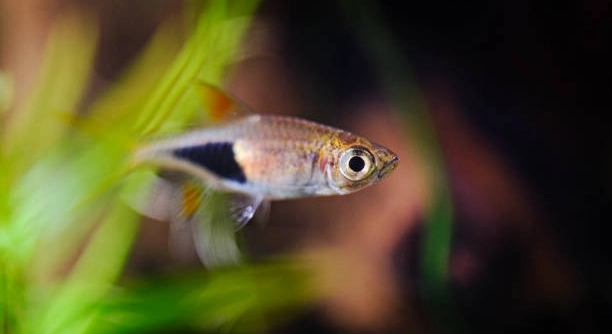
Keeping a Rasbora tank can be rewarding, but frequent cleaning and maintenance often become tiring. Many aquarists seek ways to simplify the process while ensuring their fish remain healthy and the tank environment stays stable and clean.
Reducing Rasbora tank maintenance involves implementing strategic practices such as controlling feeding amounts, using effective filtration, performing partial water changes, and introducing live plants. These steps collectively minimize waste accumulation, limit algae growth, and maintain a balanced aquatic ecosystem.
Small adjustments in daily care can make a significant difference, improving both the tank’s cleanliness and the well-being of the Rasboras living within it.
Control Feeding Amounts
Overfeeding is one of the main reasons Rasbora tanks require frequent maintenance. Excess food sinks to the bottom, decomposes, and increases ammonia levels, which can harm your fish. Feeding smaller amounts two to three times a day helps prevent leftover food. Observing how quickly your Rasboras consume the food will guide you in adjusting portions. Using a consistent feeding schedule also stabilizes the tank’s environment and reduces the buildup of waste. It is important to remove any uneaten food promptly to maintain water quality. Choosing high-quality flakes or pellets that are appropriate for Rasboras ensures they get the nutrients they need without leaving excess debris. Combining careful feeding with other maintenance strategies significantly reduces the workload involved in keeping the tank clean. Consistency is key; minor adjustments in feeding habits lead to major improvements in water clarity and fish health over time, making tank upkeep much easier.
Smaller, measured feedings prevent waste accumulation and help maintain stable water conditions, reducing the need for frequent cleaning and water changes.
Careful feeding not only improves water quality but also supports healthier fish. When food is properly portioned, Rasboras are more active, show better coloration, and experience less stress. Overfeeding can lead to bloating, uneven swimming patterns, and aggression among tank mates. Monitoring fish behavior during feeding times provides insight into their needs and prevents overfeeding. Additionally, feeding in moderation helps reduce algae growth, as leftover nutrients often fuel unwanted plant growth. Maintaining a simple, predictable feeding routine also benefits the filtration system, allowing it to function efficiently without being overwhelmed by excessive organic matter. By pairing controlled feeding with partial water changes, substrate cleaning, and plant management, you create a low-maintenance environment. Over time, these practices build a self-sustaining ecosystem where Rasboras thrive and the tank stays cleaner longer, giving you more enjoyment and less frequent maintenance tasks.
Use Effective Filtration
A strong filtration system is essential to maintain clear and healthy water. Filters remove debris, toxins, and excess nutrients, reducing the frequency of water changes and cleaning sessions.
High-quality filters, combined with periodic maintenance, ensure efficient water circulation. Filters that match the tank size prevent overloading and maintain water stability.
Choosing the right filter type is crucial. Sponge filters are gentle and safe for small Rasboras while providing biological filtration. Canister or hang-on-back filters handle larger tanks and higher waste levels effectively. Regularly rinsing filter media in tank water prevents clogging and maintains flow without killing beneficial bacteria. Mechanical, chemical, and biological filtration should work together for optimal results. Mechanical filtration captures large debris, chemical filtration removes impurities, and biological filtration supports healthy bacterial colonies that break down harmful compounds. Positioning the filter to create gentle water movement ensures Rasboras are not stressed while maximizing debris collection. Combining proper filtration with controlled feeding, live plants, and scheduled water changes reduces overall maintenance, keeping your tank cleaner and more stable over time. Proper filter selection and upkeep are key to a low-maintenance Rasbora tank.
Introduce Live Plants
Live plants help absorb excess nutrients, reducing algae growth and improving water quality. They provide hiding spots for Rasboras, making them feel secure and less stressed while contributing to a more balanced tank environment.
Plants such as Java Moss, Anubias, and Hornwort are low-maintenance options that thrive in Rasbora tanks. They compete with algae for nutrients, slowing unwanted growth. Additionally, submerged plants increase oxygen levels and support beneficial bacteria that help break down waste. Planting a variety of species ensures coverage throughout the tank, offering both aesthetic appeal and functional benefits. Regular trimming prevents overgrowth, keeping the tank tidy and minimizing maintenance tasks. Live plants integrate naturally into the tank ecosystem, supporting a stable environment and reducing the need for chemical interventions or frequent cleaning routines.
Adding live plants also enhances the tank’s natural appearance. Proper placement and moderate lighting keep them healthy without encouraging excessive algae growth. Combining live plants with controlled feeding and filtration creates a more self-sustaining setup. Over time, these plants stabilize the tank, provide shelter, and maintain water clarity. Regular observation and trimming ensure they continue to thrive, reducing the effort required for maintenance. The combination of plant selection, positioning, and minimal intervention allows for a cleaner, healthier Rasbora tank with less frequent water changes and cleaning.
Perform Partial Water Changes
Regular partial water changes prevent toxins from accumulating and keep water parameters stable, supporting healthy Rasboras. Changing 20-30% of the water weekly is sufficient for most tanks.
Partial changes remove nitrates, dissolved organics, and other waste products without disturbing beneficial bacteria. Using a siphon to clean the substrate during changes removes trapped debris. Consistency is key, as sporadic or large water changes can stress fish and disrupt the tank’s balance. Combining water changes with controlled feeding and live plants further reduces maintenance needs. Monitoring water parameters ensures each change contributes effectively to a stable environment.
Performing water changes also allows for inspection of tank equipment and fish health. Checking filters, decorations, and substrate during these changes ensures nothing is malfunctioning or deteriorating. Using dechlorinated water at matching temperature prevents shock to Rasboras. Water changes maintain clarity and reduce odor, making the tank more enjoyable. By integrating partial water changes into a weekly routine, the tank remains cleaner, and the Rasboras stay healthy, decreasing the overall effort needed for maintenance while supporting a thriving aquatic ecosystem.
Keep Substrate Clean
Removing debris from the substrate prevents waste buildup that can harm water quality. Using a gravel vacuum during water changes ensures leftover food, fish waste, and plant debris are removed efficiently.
A clean substrate also discourages harmful bacteria growth and minimizes odor. Consistent vacuuming keeps the tank healthier and reduces overall maintenance time, creating a more stable environment for Rasboras.
Avoid Overcrowding
Keeping the tank at the right population prevents excessive waste and stress. Overcrowded tanks require more frequent cleaning and filtration adjustments.
Maintaining a balanced number of Rasboras ensures proper water circulation and reduces competition for food and space. A comfortable stocking level improves fish health and longevity while simplifying tank upkeep.
Choose Hardy Tank Mates
Selecting compatible and resilient species helps maintain stable water conditions. Aggressive or sensitive fish can increase stress and complicate maintenance routines.
Hardy tank mates like small tetras or peaceful bottom dwellers integrate well with Rasboras. Their resilience reduces the risk of disease outbreaks and lowers cleaning demands, allowing the tank to remain calmer, cleaner, and easier to manage.
FAQ
How often should I feed my Rasboras?
Rasboras thrive on small, frequent feedings. Offering food two to three times a day in portions they can finish within a few minutes prevents leftover waste from accumulating in the tank. Overfeeding not only pollutes the water but also increases maintenance needs and risks fish health issues.
What type of food is best for Rasboras?
High-quality flake or pellet foods formulated for small tropical fish are ideal. Occasional live or frozen foods like daphnia or brine shrimp add variety and nutrients. Balanced nutrition supports active swimming, bright coloration, and overall well-being while minimizing uneaten food that can foul the water.
How much water should I change weekly?
A partial water change of about 20-30% weekly is sufficient for most Rasbora tanks. This removes nitrates and dissolved organics while maintaining beneficial bacteria in the filter. Using a siphon during changes helps clean the substrate without disturbing the fish or plants.
Which plants are easiest for Rasbora tanks?
Low-maintenance plants like Java Moss, Anubias, Hornwort, and Java Fern are excellent choices. They tolerate moderate lighting, grow slowly, and absorb excess nutrients. These plants reduce algae growth, provide hiding spots, and contribute to a more stable, self-sustaining environment for Rasboras.
How do I prevent algae growth?
Controlling feeding, maintaining proper lighting, and adding live plants are the most effective ways. Overfeeding and excess light often fuel algae blooms. Regular partial water changes, gentle water movement, and plant trimming also help keep algae under control without using chemicals.
What filtration system works best?
Sponge filters are safe for small tanks and gentle on Rasboras, providing both biological and mechanical filtration. Hang-on-back or canister filters suit larger setups, handling more waste efficiently. Regular cleaning of filter media ensures consistent performance without harming beneficial bacteria.
Can I mix Rasboras with other fish?
Yes, but choose peaceful, hardy species like small tetras, Corydoras, or Otocinclus catfish. Aggressive or delicate fish can stress Rasboras, increase disease risk, and complicate maintenance. Properly selected tank mates maintain harmony, reduce stress, and help keep the tank environment stable.
How do I know if my Rasboras are healthy?
Healthy Rasboras swim actively, school together, and display vibrant colors. They eat regularly without bloating, and their fins remain intact. Dull coloration, lethargy, or irregular swimming may indicate stress, poor water quality, or disease, requiring prompt attention.
What is the best tank size for Rasboras?
A minimum of 10 gallons works for a small group, but larger tanks are preferable. More space reduces stress, allows better water stability, and supports additional plants and tank mates. Avoid overcrowding to maintain clean water and healthy fish.
How can I make maintenance easier?
Implement controlled feeding, strong filtration, live plants, and regular partial water changes. Keeping a clean substrate, avoiding overcrowding, and choosing hardy tank mates all reduce cleaning frequency. Consistency in these practices ensures a low-maintenance, healthy, and visually appealing Rasbora tank.
What water parameters are best?
Rasboras prefer slightly acidic to neutral water with pH 6.0-7.5 and temperatures between 72-79°F. Stable conditions support active schooling behavior, proper digestion, and overall health. Testing water regularly ensures parameters remain within safe ranges.
How do I trim and care for live plants?
Trim dead or overgrown leaves regularly to prevent decay. Plant stems evenly to allow light penetration and water flow. Gentle pruning encourages healthy growth and reduces excess debris that can increase maintenance requirements.
Can I use artificial plants instead?
Artificial plants reduce trimming but do not absorb nutrients or provide oxygen. They also do not compete with algae or support beneficial bacteria. Combining artificial and live plants is possible but does not offer the same maintenance reduction as fully planted tanks.
How can I reduce tank odor?
Regular partial water changes, substrate cleaning, and controlled feeding prevent organic buildup that causes odor. Maintaining proper filtration and avoiding overstocking also ensures the tank remains fresh and clean without requiring harsh chemicals.
How do I monitor water quality effectively?
Use test kits to check ammonia, nitrite, nitrate, and pH regularly. Observing fish behavior and water clarity provides additional insight. Consistent monitoring allows timely interventions, preventing major maintenance issues and supporting long-term Rasbora health.
Are there any seasonal care tips?
In warmer months, monitor temperature closely to prevent overheating. In cooler months, maintain stable temperatures with a reliable heater. Seasonal changes may affect algae growth, plant health, and feeding needs, requiring minor adjustments to keep maintenance low and conditions stable.
Keeping a Rasbora tank clean and healthy does not have to be complicated. By focusing on a few key practices, maintenance becomes more manageable and less time-consuming. Simple habits, like feeding the right amount and performing regular partial water changes, make a big difference in water quality. Overfeeding leads to excess waste that pollutes the tank, so observing how quickly the fish consume their food ensures that the environment remains stable. Consistency in feeding and water changes prevents sudden spikes in ammonia or nitrates, which are harmful to Rasboras. Even small adjustments in daily care contribute to a cleaner tank over time, making routine maintenance easier and less stressful.
Adding live plants to a Rasbora tank provides multiple benefits while reducing maintenance needs. Plants absorb excess nutrients, limiting algae growth and improving water clarity. They also provide hiding spots, making Rasboras feel more secure and encouraging natural behavior. Choosing low-maintenance species like Java Moss, Anubias, or Hornwort allows the tank to remain tidy without constant attention. Regular trimming of plants prevents overgrowth and keeps the tank visually appealing. Healthy plants contribute to oxygen levels and support beneficial bacteria, which help break down waste naturally. Combined with effective filtration, live plants create a more self-sustaining ecosystem that reduces the frequency of deep cleaning, allowing you to enjoy a stable, balanced tank with less effort.
Selecting the right tank size, maintaining appropriate water parameters, and choosing compatible, hardy tank mates are also important for minimizing maintenance. A properly sized tank reduces overcrowding and stress, supporting healthier fish that are less prone to disease. Regularly testing water for pH, ammonia, nitrites, and nitrates ensures conditions remain safe for Rasboras, preventing problems that would require intensive cleaning. Effective filtration captures debris and supports biological processes, while substrate cleaning removes waste without disturbing the ecosystem. By combining controlled feeding, live plants, suitable tank mates, and routine monitoring, Rasbora tanks can remain clean, balanced, and visually appealing with minimal effort. Over time, these strategies build a low-maintenance environment that prioritizes fish health and stability, making tank upkeep simpler and more enjoyable.

Hello,
If you enjoy the content that we create, please consider saying a "Thank You!" by leaving a tip.
Every little bit helps us continue crafting quality advice that supports the health, happiness, and well-being of pets around the world, for pets of all shapes, sizes, and species.
We really appreciate the kindness and support that you show us!