
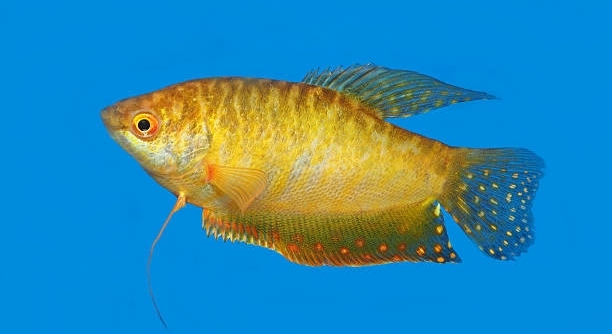
Do you ever notice your gouramis swimming differently when lights move across their tank? Observing their behavior can be fascinating, especially when subtle changes in lighting seem to affect their movement and interaction.
Gouramis can become confused or stressed by moving lights. Rapid or inconsistent light patterns may disrupt their natural swimming habits and feeding behavior. Maintaining stable lighting conditions helps preserve their normal activity and reduces unnecessary stress.
Learning how light influences their behavior can improve the well-being of your fish. Observing these small cues provides insight into keeping your gouramis comfortable and healthy.
How Moving Lights Affect Gourami Behavior
Gouramis are sensitive to changes in their environment, and moving lights can make them uneasy. Bright or shifting lights can trigger stress responses, causing them to swim erratically or hide more often. In some cases, they may even stop eating temporarily. Their natural instincts respond to sudden changes in illumination as potential threats, which can affect their overall activity and mood. Small, consistent lighting helps gouramis feel secure. Watching them under different lighting conditions reveals how they adjust, showing that even subtle movement in the tank can influence their comfort levels. By keeping lights stable, you allow your gouramis to maintain their usual swimming patterns and social interactions.
Maintaining steady lighting helps reduce stress and keeps your gouramis active and comfortable in their tank environment.
Observing your gouramis carefully under moving lights highlights their sensitivity. Some may dart around quickly, while others stay near plants or decorations. Over time, repeated exposure to changing lights may lead to long-term stress, affecting growth and immunity. A simple adjustment, like using a fixed light source or gradual transitions between day and night, can improve their behavior significantly. Their reactions are subtle, but paying attention to them can make a noticeable difference.
Tips to Minimize Stress from Lights
Keeping light movement minimal reduces stress for gouramis and helps them stay healthy.
Use soft lighting with gentle transitions and avoid sudden bright flashes. Placing the tank away from direct sunlight or reflective surfaces prevents unexpected light movement. You can also use floating plants to diffuse light naturally. Adjusting the light schedule gradually, mimicking natural day and night cycles, supports their internal rhythms. Watching their reactions over time allows you to fine-tune the environment for their comfort. Even small changes can have a big impact on behavior, feeding, and overall well-being. Consistent light conditions create a calm tank atmosphere that encourages normal activity and reduces hiding or aggressive swimming. Regular monitoring ensures you catch any signs of stress early, letting you make adjustments before it affects health. By understanding their sensitivity, you can create a supportive habitat that lets your gouramis thrive and enjoy a stable, comfortable environment every day.
Signs Your Gouramis Are Stressed by Lights
Gouramis may show stress through erratic swimming, hiding, or refusing food. Some might flare their fins or stay at the bottom of the tank. Observing these behaviors helps identify if lighting changes are affecting them.
Stress from moving lights can make gouramis restless and anxious. They may swim quickly from one side of the tank to the other or hide behind plants and decorations more often. Over time, these reactions can affect feeding habits and social interactions with other fish. Maintaining stable lighting reduces these behaviors and helps them feel secure. Watching how they respond to gradual light changes can reveal their comfort levels.
Repeated exposure to sudden light changes can weaken their immune system and affect overall health. Gouramis are naturally sensitive to environmental shifts, and moving lights can trigger fear responses. Providing a calm and steady lighting environment allows them to resume normal swimming patterns and maintain regular feeding habits. Observing subtle cues like fin movements or position in the tank helps gauge stress levels.
Adjusting Lighting to Keep Gouramis Comfortable
Using dim or diffused lights can make gouramis feel calmer in the tank. Gradual light transitions are ideal for reducing stress.
Implementing consistent lighting routines helps gouramis adapt naturally. Avoid bright flashes or quick changes in illumination, as these can disturb their behavior. Floating plants and decorations can soften light and create shaded areas, giving them a sense of security. Adjusting lights slowly over time allows gouramis to acclimate without sudden stress. Tracking their activity levels and eating habits after changes ensures the environment remains suitable. Small adjustments often lead to noticeable improvements in behavior and overall well-being, supporting healthy growth and normal social interactions in the tank.
Common Mistakes in Tank Lighting
Too-bright lights or rapidly changing illumination can make gouramis anxious. Overhead lighting or reflections from nearby surfaces often worsen their stress.
Placing lights too close to the tank or using inconsistent schedules can trigger hiding and erratic swimming. Proper placement and stable timing are essential to keep gouramis comfortable.
Benefits of Consistent Lighting
Consistent lighting supports gouramis’ natural rhythms, including feeding and resting cycles. Gradual transitions between day and night reduce stress and encourage normal swimming behavior. A stable environment allows them to interact more naturally with tank mates and explore the tank confidently. Over time, proper lighting improves overall health, growth, and immunity. Regular observation helps fine-tune light intensity and duration, ensuring gouramis remain comfortable and active. Using soft lights and shaded areas creates calm spaces, reducing the likelihood of hiding or erratic movements caused by sudden light changes. Adjustments in lighting are a simple yet effective way to enhance well-being.
Observing Your Gouramis Daily
Daily observation helps spot subtle stress behaviors and ensures your lighting setup is effective.
How can I tell if my gouramis are stressed by lights?
Stress in gouramis often shows through changes in swimming patterns. They may dart quickly across the tank, hide behind decorations, or stay near the bottom. Fin flaring or unusual aggression toward tank mates can also signal discomfort. Reduced feeding or ignoring food is another sign. Watching them for consistent changes after adjusting light conditions is the best way to identify stress.
What types of lighting are best for gouramis?
Soft, diffused lighting is ideal. Avoid harsh overhead lights or direct sunlight that can reflect inside the tank. LED lights with adjustable brightness are useful, as they allow for gradual changes. Floating plants or decorations can help diffuse light naturally, creating shaded areas where gouramis feel secure. Gradual transitions between day and night mimic natural cycles, which reduces stress and supports normal behavior. Consistency in light duration and intensity is more important than the type of bulb.
Can moving lights permanently affect my gouramis?
Repeated exposure to rapidly moving or flashing lights can cause long-term stress. Chronic stress weakens the immune system, reduces growth, and affects normal social behavior. Gouramis may become more prone to disease or show persistent hiding. Long-term exposure can also disturb their natural swimming patterns and feeding routines. Gradual corrections in lighting and observation over time usually help them return to normal behavior.
How long should lights stay on in a gourami tank?
Gouramis do best with a consistent light schedule, typically around 10-12 hours per day. Lights should turn on and off gradually, mimicking sunrise and sunset rather than sudden changes. A timer is helpful for maintaining regular schedules. Avoid leaving lights on at night, as this can disturb rest and increase stress levels. Balanced light duration supports natural behavior, feeding, and growth cycles.
Is it okay to use decorative or colored lights?
Decorative or colored lights can be used, but they should not flash or move quickly. Slow, soft illumination in different colors is generally fine if intensity is low. Rapid changes or very bright decorative lighting may startle gouramis. Monitoring their reactions is essential. If fish show signs of hiding, fin flaring, or reduced feeding, it’s best to adjust or remove the lights. Consistent, gentle lighting is safer than sudden or bright displays.
Do gouramis adapt to moving lights over time?
Some gouramis may adapt slightly, but many remain sensitive. Slow, gradual exposure can help them become more comfortable, but abrupt or constant moving lights are likely to continue causing stress. Individual behavior varies; some gouramis will acclimate, while others will hide or become less active. Observation is key to determining tolerance and adjusting lighting accordingly.
How can I reduce reflections and moving light patterns in my tank?
Position the tank away from direct sunlight or reflective surfaces. Using blinds or curtains can help control external light sources. Placing decorations, floating plants, or background materials in the tank can diffuse light naturally. Ensuring lighting inside the tank is stable and consistent reduces reflections and moving shadows that may stress gouramis. Regularly checking for unintended reflections improves comfort.
Can light intensity affect feeding habits?
Yes, too-bright or flickering lights can make gouramis reluctant to eat. They may hide during feeding times or nibble less frequently. Stable, soft lighting encourages natural feeding patterns. Watching their behavior during feeding under different lighting conditions can help identify the optimal light intensity for healthy appetite and growth.
Are certain gourami species more sensitive to light than others?
Some gouramis, like dwarf gouramis, tend to be more sensitive due to their smaller size and natural habitats in shaded waters. Larger species may tolerate slightly more light, but all gouramis benefit from gentle, consistent illumination. Understanding your species’ natural environment helps in creating a tank setup that minimizes stress and supports natural behavior.
What is the simplest way to improve lighting for stressed gouramis?
The simplest method is to maintain a steady, soft light source and avoid sudden changes. Use a timer to regulate on/off cycles, add floating plants or decorations for shaded areas, and observe their behavior closely. Small, consistent adjustments often result in calmer, healthier fish over time.
This FAQ provides practical, direct guidance to help gouramis stay comfortable under artificial lighting, highlighting both behavioral signs and simple solutions for a healthier tank environment.
Gouramis are sensitive fish, and even small changes in their environment can affect how they behave. Moving lights in a tank can confuse or stress them, causing unusual swimming patterns, hiding, or reduced appetite. These reactions are not signs of illness but natural responses to sudden changes in their surroundings. Over time, repeated exposure to inconsistent lighting may affect their overall health, growth, and immunity. Paying attention to these small cues is important for anyone keeping gouramis, as it allows for adjustments before stress becomes a serious problem. Providing a stable and calm environment helps them maintain normal behavior and encourages them to explore the tank confidently.
Keeping lighting consistent is one of the simplest ways to support your gouramis’ well-being. Soft, diffused lights with gradual transitions between day and night are ideal. Timers can help maintain a predictable schedule, which reduces stress and supports natural rhythms. Using floating plants or decorations can also soften light and create shaded areas where gouramis feel secure. Watching how they respond to these changes is key. Some gouramis may adapt more easily, while others may remain sensitive, and subtle differences in behavior can reveal how comfortable they are. By making small adjustments, you can create an environment where your fish feel safe and confident, which is essential for their long-term health.
Observing your gouramis daily helps ensure that the lighting and overall tank conditions are working well. Stress signs like hiding, erratic swimming, or fin flaring should be addressed quickly by adjusting light intensity or placement. Consistent monitoring allows you to identify any problems before they affect feeding or social interactions. When gouramis feel comfortable, they are more active, eat regularly, and interact normally with tank mates. Simple measures like controlling light exposure, adding shaded areas, and keeping a predictable light schedule make a noticeable difference. Understanding how light affects your gouramis creates a calmer, healthier tank environment, allowing them to thrive and display natural behaviors over time.

Hello,
If you enjoy the content that we create, please consider saying a "Thank You!" by leaving a tip.
Every little bit helps us continue crafting quality advice that supports the health, happiness, and well-being of pets around the world, for pets of all shapes, sizes, and species.
We really appreciate the kindness and support that you show us!