
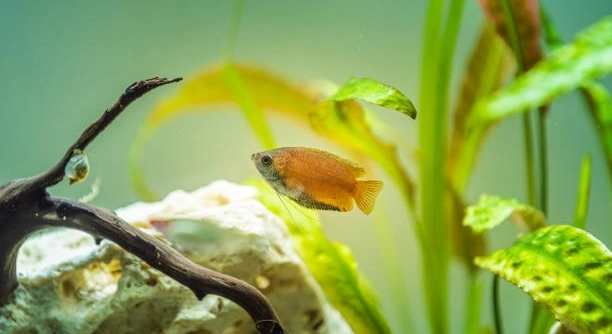
Have you ever spent time with your gourami and noticed it responding when you approach or call out softly? Many fish owners wonder about the ways their aquatic pets interact and recognize familiar cues in daily life.
Gouramis can respond to sounds and routines, but there is no definitive evidence that they recognize their own names. Research suggests they can associate consistent auditory signals with feeding or attention, showing conditioned responses rather than true name recognition.
Observing these behaviors can reveal surprising levels of learning and memory in your gourami, offering insights into their unique personalities and interaction patterns.
Understanding Gourami Behavior
Gouramis are naturally curious fish that pay attention to their surroundings. They can learn to recognize patterns, such as the time of day when feeding occurs or movements near their tank. Repetition plays a key role in how they respond. When a person consistently taps the tank or calls a certain sound before feeding, the gourami begins to associate that signal with food. This does not mean the fish understands names in the way humans do. Instead, it is responding to repeated cues. Their memory and recognition skills are limited compared to mammals, but they are capable of distinguishing familiar routines. Observing your gourami’s reactions over time can help you notice which signals it responds to most consistently. This behavior shows that while name recognition is unlikely, your gourami is far from unresponsive and can form basic associations.
Conditioned responses allow gouramis to adapt to their environment quickly.
Regular interaction strengthens their learning, making your tank more engaging and lively for them, showing that consistency matters more than calling a name.
Training Gouramis to Respond
Using consistent sounds or gestures helps your gourami learn expectations.
By repeating a specific signal before feeding, such as tapping the tank or making a gentle sound, the fish begins to respond. This is a form of conditioning rather than understanding a name. Over time, the fish may swim closer or show excitement when it recognizes the routine. Patience is key, as sudden changes can confuse them. Positive reinforcement, like feeding immediately after the cue, increases the likelihood of repeated responses. Training sessions should be short and consistent, ideally once or twice daily, to avoid stress. Not all gouramis respond the same way; some may show more interest and memory retention than others. Observing subtle behaviors, like moving fins or changing swimming patterns, can indicate recognition of the signal. This process highlights their capacity for learning simple associations and forming predictable reactions, even without true name comprehension. Consistency and gentle reinforcement make the interaction rewarding for both owner and fish.
Signs Your Gourami Recognizes Cues
Gouramis show recognition through movement and attention. They may swim toward a specific area, follow your hand, or become more active when they notice a familiar routine. These reactions indicate they remember repeated signals and associate them with outcomes like feeding.
Some gouramis learn quickly to connect specific actions or sounds with feeding time. If you tap the tank lightly or make a short sound before offering food, the fish often responds by swimming closer or becoming visibly alert. These behaviors are signs of conditioned learning. Over time, the fish may anticipate the routine and react even before the cue is completed. Watching these small behaviors can reveal how much your gourami remembers and how it interprets signals consistently.
Behavior patterns can vary between individual gouramis. Some may show immediate reactions, while others respond gradually. Factors such as age, environment, and previous experiences influence how well they learn and retain cues. Noticing these differences helps adjust your interactions to suit your fish’s pace and comfort level.
How to Encourage Recognition
Consistency is essential for teaching your gourami to respond to signals. Regular repetition strengthens memory and recognition.
Using the same cue, such as a gentle tap or a short sound, before feeding helps the fish form a clear association. Repeating this signal daily encourages faster responses. Immediate reinforcement with food or attention ensures the fish connects the cue with a positive outcome. Observing subtle movements, like approaching the tank corner or following your hand, shows they are learning. Over time, this consistent method can improve responsiveness and make interactions more predictable. Adjusting cues gradually allows the gourami to adapt without stress, fostering a stable routine.
Patience and observation are crucial. Some gouramis may respond quickly, while others require longer periods to recognize and react. Environmental factors, including tank setup, lighting, and noise, influence their attention and learning. Providing a calm, consistent space and minimizing distractions enhances their ability to focus on the cues. Short, frequent sessions prevent stress and support gradual learning. Recording behaviors can help track progress and adapt techniques effectively. Understanding individual differences ensures your methods match your gourami’s unique learning style, making the experience positive for both you and the fish.
Common Misconceptions About Name Recognition
Gouramis responding to cues is often mistaken for knowing their name. They react to sounds or routines rather than understanding a word’s meaning. Observing this behavior helps clarify the difference between learned responses and true recognition.
Their reactions are based on repetition and expectation. If a sound consistently predicts feeding, the fish will respond, but this is not an understanding of a name.
Tips for Effective Cue Training
Short, consistent sessions work best. Using the same sound or action before feeding helps the fish form clear associations. Patience is important, as reactions vary among individual gouramis. Immediate reinforcement ensures they link the cue with a positive outcome, strengthening conditioned responses over time.
Observing Individual Differences
Each gourami has its own pace of learning. Some pick up cues quickly, while others require more repetition and patience to show consistent responses.
FAQ
Can a gourami really recognize its name?
No, gouramis do not truly recognize their names like humans understand words. What they do is respond to consistent sounds or signals associated with food, attention, or movement in their tank. These responses are learned behaviors rather than comprehension of a name. Over time, a gourami may appear to respond when called, but it is reacting to the familiar cue, not the name itself. Observing these behaviors can still be enjoyable, as they reflect the fish’s ability to remember routines and associate actions with outcomes.
How can I train my gourami to respond to cues?
Training is based on repetition and consistency. Pick a specific sound or gentle tap as a cue before feeding. Repeat this cue daily, ideally at the same time, so the fish starts associating it with food. Immediate reinforcement by offering food right after the cue is important. Short sessions, once or twice a day, prevent stress. Watching the fish’s subtle movements, like swimming closer or following your hand, shows that it is learning. Gradually, these conditioned responses can become more predictable, making your interactions smoother.
How long does it take for a gourami to respond consistently?
The time varies by individual. Some gouramis may start showing responses within a few days of consistent cues, while others may take several weeks. Factors like age, environment, stress levels, and prior experiences influence how quickly they learn. Patience is essential, and keeping a calm, distraction-free environment can speed up the process. Short, consistent interactions are far more effective than long, infrequent sessions. Observing and noting behavior changes helps determine progress and adapt training methods accordingly.
What behaviors indicate my gourami is learning?
Signs of learning include swimming toward the cue, becoming more active when they hear the sound, or showing anticipation of food. Fin movements, changes in swimming patterns, and positioning near the feeding area are subtle but meaningful. Some gouramis may circle or hover near the source of the cue. These behaviors demonstrate recognition of patterns and routine, even if the fish does not understand words. Paying close attention to these responses helps you adjust cues, timing, and reinforcement to improve consistency and interaction quality.
Are some gouramis better at learning than others?
Yes, individual differences exist. Factors such as species, age, temperament, and prior exposure to humans affect learning ability. Younger fish or those in calm, enriched environments may respond faster, while older or stressed fish may need more time. Understanding your gourami’s personality helps tailor your approach, ensuring training sessions remain effective and stress-free. Adjusting cues gradually and observing reactions allows you to match the pace of your fish’s learning style.
Can environmental factors affect response to cues?
Absolutely. Noise, lighting, tank layout, and other tank inhabitants can impact attention and learning. A quiet, consistent environment allows the fish to focus on the signal without distraction. Sudden changes or frequent disturbances can slow learning or confuse the fish. Maintaining a stable routine and minimizing stressors supports better responsiveness and reinforces conditioned behaviors more reliably.
Is it safe to use cues and training for gouramis?
Yes, short, gentle training sessions are safe and can provide mental stimulation. Avoid overtraining or stressing the fish with repeated long sessions. Positive reinforcement, like feeding immediately after the cue, strengthens learning without causing harm. Observing the fish for signs of fatigue or stress ensures interactions remain healthy and enjoyable.
Will responding to cues improve my bond with my gourami?
While a gourami may not understand names, consistent interaction through cues can make it more comfortable and attentive around you. Recognizing patterns and responding to gentle signals can enhance observation and interaction, giving the tank a livelier, more engaging dynamic without causing stress.
How often should I practice cue training?
Short, consistent sessions once or twice daily are most effective. Each session can last just a few minutes, enough for the fish to notice the signal and respond. Avoid long or irregular sessions, as inconsistency can confuse the fish and slow learning. Regular, brief interactions are sufficient for conditioning and maintaining responsiveness over time.
Can gouramis forget learned cues?
Yes, if cues are not repeated regularly, a gourami may stop responding. Consistent reinforcement is key to maintaining conditioned behaviors. Occasional practice sessions help retain responses and prevent the fish from forgetting previously learned patterns. Environmental changes or stress can also temporarily reduce responsiveness.
Do all gouramis respond to cues the same way?
Responses vary by species and individual. Some may react immediately, while others may show subtle signs of learning. Understanding the specific behavior patterns of your gourami allows you to adjust training, ensuring the cues remain effective and interactions stay positive.
Gouramis are fascinating fish that can show surprising levels of learning and memory. While they do not truly recognize their own names, they can respond to repeated cues and signals. Observing these behaviors can be enjoyable and provides insight into their habits and personality. Each fish reacts differently, and paying attention to these differences helps you understand what your gourami finds familiar or interesting. By using consistent signals, such as a gentle tap on the tank or a soft sound before feeding, you can encourage your fish to respond in predictable ways. This does not mean the fish understands language, but it does show that it can associate certain actions with outcomes, like receiving food or attention. Watching these small reactions can make interactions with your gourami feel more engaging, as it learns to anticipate routines and respond to signals.
Training your gourami requires patience and consistency. Short, daily sessions are most effective for teaching your fish to react to cues. Immediate reinforcement, such as offering food right after the cue, strengthens the connection between the signal and the expected outcome. Some gouramis may pick up cues quickly, while others take longer to show consistent responses. Factors such as age, tank environment, stress, and individual temperament influence how fast the fish learns. Keeping the environment calm and minimizing distractions can help your gourami focus on the signal. Observing subtle behaviors, like swimming closer to the source of a sound or following your hand near the tank, shows that the fish is learning and responding. Adjusting the timing and consistency of cues according to the fish’s reactions ensures that training remains effective and stress-free.
Even though gouramis do not understand names, consistent interaction and observation can create a rewarding experience for both the fish and the owner. Understanding how your fish responds to cues helps build a routine that encourages mental stimulation and natural behaviors. Each response, no matter how small, indicates the fish’s ability to recognize patterns and adapt to its environment. Taking the time to notice these behaviors strengthens your understanding of the fish’s learning capabilities. Over time, repeated, gentle interactions help your gourami anticipate routines and engage with its environment more actively. While the fish may not know its name, the recognition of cues and the development of predictable responses show that they are more intelligent and attentive than they might first appear. Patience, consistency, and careful observation are the keys to fostering these behaviors, making your interactions with a gourami both enjoyable and meaningful.

Hello,
If you enjoy the content that we create, please consider saying a "Thank You!" by leaving a tip.
Every little bit helps us continue crafting quality advice that supports the health, happiness, and well-being of pets around the world, for pets of all shapes, sizes, and species.
We really appreciate the kindness and support that you show us!