
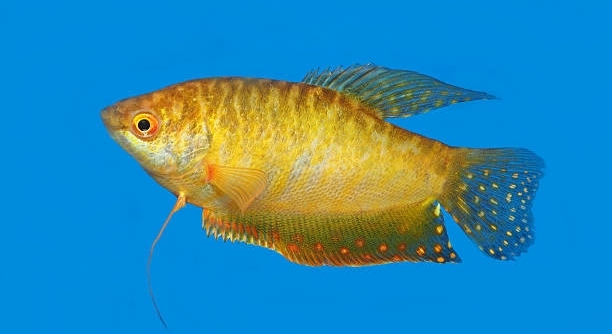
Have you ever noticed your gourami lingering near the tank glass, eyes fixed on the room beyond? This behavior can feel unusual, yet it is a consistent habit for many gourami owners observing their aquatic companions.
Your gourami often watches the door due to a combination of curiosity, territorial instincts, and social awareness. These fish are sensitive to movement and light changes, making them attentive to activity outside their tank, which they may interpret as potential threats or companions.
Understanding why your gourami exhibits this behavior can help you create a calmer, more engaging environment that supports its natural tendencies and overall well-being.
Why Gouramis Focus on Movement
Gouramis are naturally alert fish that notice even subtle changes in their surroundings. When someone walks past a door or opens it, the light and movement catch their attention immediately. This is part of their survival instinct. In nature, staying aware of movement helps them avoid predators and find food. Even in a home aquarium, this instinct remains strong. They are also curious by nature, often observing anything unusual in their environment. Gouramis can form a habit of watching doors because it gives them a sense of control and understanding of what happens outside their tank. Over time, this behavior can become more noticeable as they recognize patterns, like when someone usually enters or leaves the room. Keeping the tank in a stable spot with minimal disturbances can help reduce stress while still allowing your gourami to satisfy its curiosity safely.
Watching the door helps your gourami feel secure. It’s a normal, instinctive behavior, not a sign of distress.
Regular interaction and a well-decorated tank help your gourami feel engaged. Plants, hiding spots, and gentle movement in the tank can redirect their focus. They may watch the door less frequently if their environment offers enrichment. Understanding these instincts makes it easier to create a healthy and stimulating habitat. Observing your gourami’s reactions to light, movement, and people can help you adjust tank placement or decorations. Providing varied stimuli, such as floating plants or small objects, keeps them occupied while still respecting their natural habits. Some gouramis even learn routines in the household, recognizing mealtime or familiar people. A calm environment with predictable patterns reduces anxiety while allowing your fish to express normal behaviors. Maintaining water quality and a consistent schedule further supports their overall well-being, making them more relaxed and less fixated on outside movements. These steps help your gourami thrive in a home aquarium.
Social Instincts and Territorial Awareness
Gouramis are sensitive to their surroundings and often watch for others approaching the tank. They recognize changes in light and motion.
Gouramis maintain a sense of territory even in a tank. Watching the door can be a way to monitor what’s happening outside their immediate space. In the wild, they need to be aware of other fish or predators entering their area. This instinct translates to the home aquarium, where any movement near the tank can trigger observation. Social awareness also plays a role. Gouramis can recognize familiar people and react differently to them, sometimes following movements across the room. This behavior shows their alertness and memory skills. Providing a tank setup with clear boundaries, hiding spots, and visual barriers can reduce over-monitoring of external activity while supporting natural behaviors. Observing this interaction allows owners to understand their fish’s personality and adjust the environment accordingly.
Would you like me to continue with the next sections following the same outline?
Environmental Triggers
Changes outside the tank can grab your gourami’s attention. Sudden light shifts, shadows, or moving objects near the door often make them focus intensely.
Gouramis are highly perceptive to light and motion. Even small changes in the room, like someone entering or leaving, can trigger their attention. They often stay near the glass or hover at the top of the tank, watching for activity. This behavior is instinctual, rooted in survival and curiosity. Observing their reactions can help you notice patterns, such as specific times when they are more alert. Adjusting tank placement away from direct doorways or busy areas can reduce constant monitoring. Decorations like plants or structures can provide focal points inside the tank, keeping them engaged. By managing environmental triggers, your gourami can feel secure while still satisfying its natural curiosity.
A consistent environment with minimal sudden changes helps gouramis feel safe. They respond strongly to visual disturbances, making predictable surroundings important.
Feeding and Routine Awareness
Gouramis often associate doors and movement with feeding time. They can anticipate routines and focus on areas where food appears.
These fish have a strong memory and can remember feeding schedules. If food usually comes from near the door, they will watch it closely, sometimes following movement across the room. This is not unusual and shows how attentive they are to patterns. Providing consistent feeding routines reduces stress and helps them feel more secure. Additionally, varying feeding locations slightly inside the tank can redirect attention, keeping them engaged without creating frustration. Observing these habits also gives insight into their behavior and preferences, allowing adjustments to enrich their environment and satisfy their natural instincts.
Maintaining a routine reassures your gourami while allowing flexibility in feeding methods. Small changes can keep them mentally stimulated and less fixated on outside activity.
Stress and Comfort Levels
Gouramis watch doors when they feel uneasy or alert. Sudden movements or loud noises can make them more vigilant.
A calm environment reduces this behavior. Keeping the tank away from high-traffic areas and minimizing sudden disturbances helps them feel secure and less anxious.
Curiosity and Exploration
Gouramis are naturally curious and enjoy observing changes. Watching the door satisfies their need to explore visually, even if they cannot move freely. They often track movements and light shifts to understand their surroundings, which is a normal part of their behavior and keeps them mentally active.
Tank Setup Impact
Proper tank design can influence how much your gourami watches the door. Plants, rocks, and hiding spots provide security and redirect attention inside the tank, reducing external fixation.
FAQ
Why does my gourami always watch the door?
Gouramis watch doors because they are naturally alert and curious. Movement, light changes, and routine activity outside the tank catch their attention. This behavior is instinctive, rooted in survival and awareness, and also tied to social observation and anticipation of feeding times.
Is it normal for my gourami to follow people around the room?
Yes, this is common. Gouramis recognize movement and can track familiar people, especially if they associate them with feeding or other interactions. Following movement is part of their social and territorial awareness.
Can watching the door be a sign of stress?
It can be. If your gourami shows frantic swimming, hiding, or rapid breathing alongside door-watching, it may feel stressed. Stress often comes from loud noises, sudden movements, or a tank in a busy area. A calmer environment helps reduce stress-related vigilance.
How can I reduce door-watching behavior?
Providing hiding spots, plants, or decorations inside the tank helps redirect attention. Placing the tank away from direct traffic areas or strong light changes also reduces constant monitoring. Regular routines and stable surroundings make your gourami feel more secure.
Does feeding affect door-watching behavior?
Yes. Gouramis often link doors and movement with feeding time. Consistent feeding routines help manage this behavior. Slightly varying feeding locations inside the tank can keep them engaged while reducing external fixation.
Are certain gourami species more prone to this behavior?
All gouramis show alert and curious tendencies, but larger species like the Pearl Gourami may be more noticeable in their tracking behavior. Individual personality and tank setup also influence how frequently they watch the door.
Can environmental enrichment help?
Yes, enrichment is key. Floating plants, rocks, or tunnels provide focus points, keeping them mentally active and less fixated on activity outside the tank. A well-decorated tank satisfies their curiosity and makes them feel secure.
Does door-watching indicate intelligence?
In a way, yes. Observing movements and remembering routines show their memory and awareness skills. This behavior demonstrates they can recognize patterns, anticipate events, and respond to changes in their environment.
Will my gourami stop watching the door eventually?
Not completely. Watching movement is natural, but its intensity can decrease with proper tank setup, enrichment, and consistent routines. A calm and engaging environment helps them focus on their tank rather than external activity.
Should I be concerned if my gourami is fixated on the door?
Usually, it’s normal behavior. Concern is only necessary if other stress signs appear, such as erratic swimming, loss of appetite, or frequent hiding. Observing patterns and adjusting the environment can help ensure they remain healthy and comfortable.
Can multiple gouramis reduce door-watching?
Sometimes. Having tank mates can provide social interaction and distract from external movements. However, compatibility is crucial. Aggressive or territorial species may increase stress, so careful selection is needed to maintain a harmonious environment.
Does tank placement impact this behavior?
Yes, tanks near doors, windows, or busy areas encourage more door-watching. Placing the tank in a quieter spot with stable lighting helps reduce fixation on external activity and promotes a relaxed atmosphere for your gourami.
How do light changes affect gouramis?
Gouramis are sensitive to light shifts. Sudden brightness or shadows near the tank, especially from doors opening or closing, draw attention. Using consistent lighting and avoiding direct sunlight helps maintain calm behavior.
Is this behavior the same for male and female gouramis?
Both males and females can show this behavior. Males may be slightly more territorial and attentive, especially during breeding periods, but females also monitor surroundings, responding to light and movement similarly.
Can I train my gourami to ignore external movement?
Indirectly, yes. Providing enrichment, predictable feeding routines, and a secure environment helps them focus on internal tank activities. While you cannot completely stop natural instincts, you can reduce obsessive monitoring by creating a stimulating and stable habitat.
This FAQ covers the main reasons and strategies for managing door-watching behavior, helping your gourami feel secure and mentally engaged.
Gouramis are naturally curious and alert fish, and their tendency to watch the door is a common behavior that many owners notice. This habit is rooted in instincts that help them stay aware of their surroundings and respond to movement or light changes. In the wild, these behaviors are essential for survival, allowing them to detect predators or opportunities for food. In a home aquarium, the same instincts remain, even though there are no real threats outside the tank. Observing the door or following movements around the room is simply a way for gouramis to understand their environment and feel secure. Over time, owners often notice patterns in this behavior, such as specific times when the fish is more attentive or reacts strongly to certain movements. Understanding that this is normal helps reduce concerns and allows owners to focus on creating a supportive environment for their fish.
Providing the right environment can make a big difference in how much your gourami fixates on external activity. Decorations like plants, rocks, or hiding spots give them a sense of security and alternative areas to explore, keeping their minds engaged. Tank placement is also important. Keeping the aquarium away from high-traffic areas or doors that experience frequent movement can reduce constant monitoring and help the fish feel calmer. Light changes can also trigger attention, so maintaining consistent lighting and avoiding sudden shadows helps create a more stable environment. Feeding routines play a role as well. Gouramis often associate people and door movements with food, so keeping a consistent feeding schedule and occasionally varying feeding locations within the tank can redirect their focus. Each of these adjustments contributes to a balanced environment where the fish can express natural behaviors without becoming overly fixated on the door.
Finally, understanding your gourami’s behavior is about observing patterns and making small, thoughtful adjustments. Watching the door is not a sign of illness or distress in most cases, but it reflects their curiosity, alertness, and territorial instincts. Providing environmental enrichment, maintaining stable routines, and reducing external disturbances allows your gourami to thrive. Even small changes, such as adding a floating plant or a small tunnel, can keep them mentally stimulated while giving them a sense of security. Over time, these adjustments help reduce the intensity of their door-watching behavior without suppressing their natural instincts. Paying attention to how they respond to their surroundings strengthens the connection between owner and fish and ensures a healthier, more comfortable life for your gourami in its home aquarium. By creating a safe and engaging habitat, you help your fish feel secure while still expressing the natural behaviors that make them unique and interesting to watch.

Hello,
If you enjoy the content that we create, please consider saying a "Thank You!" by leaving a tip.
Every little bit helps us continue crafting quality advice that supports the health, happiness, and well-being of pets around the world, for pets of all shapes, sizes, and species.
We really appreciate the kindness and support that you show us!