
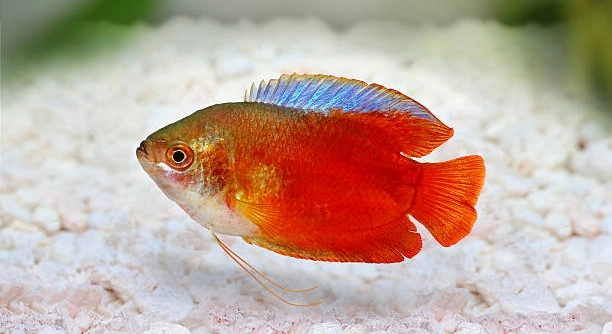
Keeping gourami fish calm and content matters for their health, color, and behavior. Small changes in care routines can strongly influence mood, helping these peaceful aquarium fish remain active, social, and visually vibrant each day.
The most effective way to improve gourami mood is by maintaining stable water conditions, appropriate tank mates, and enriched surroundings. Consistent temperature, clean filtration, balanced nutrition, gentle lighting, and adequate plant cover reduce stress, support natural behavior, and promote well-being.
These simple adjustments can transform daily aquarium care into a calmer environment, benefiting gourami behavior, appearance, and long term vitality.
Maintain Stable Water Conditions
I learned early that gouramis react quickly to water changes, even subtle ones. Stable temperature, clean water, and gentle filtration help them feel secure. Sudden swings can cause hiding, dull color, or slow movement. Keeping ammonia and nitrite at zero is essential. Nitrates should remain low through regular water changes. A reliable heater prevents daily temperature shifts. Soft to moderately hard water suits most gourami species. Consistency matters more than chasing perfect numbers. When water stays predictable, gouramis spend more time swimming calmly and interacting with their surroundings. This stability supports appetite, digestion, and immune strength. Over time, steady conditions reduce stress signals and improve overall behavior. I have noticed that calm water routines lead to healthier fins, brighter patterns, and fewer signs of tension. Stable water creates a foundation where every other care choice becomes more effective and easier to maintain long term for both fish and keeper alike.
Testing water weekly prevents problems before behavior changes appear. Simple test kits offer clear guidance. Recording results builds awareness. Small, regular water changes protect stability better than large adjustments. This routine becomes calming for both fish and caretaker over time. It also supports consistent maintenance habits and confidence long term.
Stable water allows gouramis to express natural behaviors like slow exploration and surface breathing. When stress is low, social interactions become gentle rather than defensive. Feeding responses improve, and food is accepted without hesitation. Long term stability reduces illness risk and recovery time. I find that aquariums with steady parameters require less intervention overall. Fish become predictable in the best way. Their routines settle, and observation becomes more enjoyable. This balance helps aquarists notice subtle changes early. Water stability is not exciting, but it quietly shapes every aspect of gourami comfort and daily life within a well managed aquarium setting.
Create a Calm Tank Environment
Tank setup strongly influences gourami mood. Open swimming areas combined with planted zones reduce tension. Visual barriers limit constant interaction. Soft lighting prevents overstimulation. A thoughtfully arranged aquarium supports natural movement patterns and resting spaces, which helps gouramis remain relaxed and confident daily throughout different activity periods during the day.
Decor and layout shape how safe gouramis feel. Dense plants offer shelter and reduce line of sight, which lowers stress during active hours. Floating plants soften light and encourage surface behavior without pressure. Smooth driftwood and rounded decorations prevent injury while adding structure. Avoid overcrowding decorations, as cramped layouts restrict movement. Gouramis prefer calm zones where they can pause and observe. Background color also matters. Darker back panels reduce reflections and sudden visual disturbances. Tank placement in the room plays a role. Avoid high traffic areas and loud vibrations. Consistent lighting schedules help establish rhythm. Sudden brightness changes can startle sensitive fish. I prefer gentle transitions using timers. When the environment feels predictable, gouramis become more visible and curious. They patrol plants, rest near cover, and display richer coloration. A calm setup supports emotional balance as much as physical health. Over time, this environment reduces aggression, improves feeding behavior, and encourages peaceful cohabitation. Thoughtful design choices create an aquarium that feels steady, safe, and supportive for gouramis every single day. It also simplifies maintenance, lowers stress during cleaning, and helps aquarists enjoy observation without constant adjustments or unexpected behavioral shifts caused by unstable surroundings or poor planning over long periods.
Offer a Balanced Diet
Feeding gouramis a balanced diet directly affects mood, color, and energy. I stick to varied foods including flakes, pellets, frozen options, and occasional live treats. This variety supports digestion, prevents boredom, and keeps feeding time calm rather than frantic or competitive for healthier daily routines overall within the aquarium setting.
Protein and plant balance matters for gouramis. Too much protein can cause bloating, while poor nutrition lowers immunity and increases irritability. I rotate foods to match natural feeding habits. Small portions prevent waste and water issues. Feeding once or twice daily works best. Watching how each fish eats helps adjust portions. Calm feeding reduces competition and stress. When meals are predictable, gouramis remain relaxed. Consistent nutrition supports stable behavior, better color, and smoother interactions with tank mates over time. This steady approach has improved appetite and reduced tension in my tanks consistently during daily care routines for long term balance.
Skipping meals or overfeeding both affect mood. Gouramis thrive on routine. I avoid sudden food changes and introduce new items slowly. Observing waste levels prevents excess buildup. Healthy digestion leads to steady swimming and calm behavior. Feeding quality foods also supports fin condition. Over time, proper nutrition reduces illness and recovery stress. A thoughtful feeding plan becomes an easy way to support emotional stability and long term health in gouramis. This consistency has made my daily maintenance smoother and fish responses more predictable overall without creating pressure during feeding times or disrupting tank balance long term for everyone involved there.
Choose Compatible Tank Mates
Tank mates influence gourami mood more than decorations. Peaceful species reduce guarding and chasing. I avoid fin nippers and aggressive swimmers. Space matters as much as temperament. Crowded tanks increase tension. Providing enough room allows gouramis to establish comfort zones. When companions are compatible, gouramis display calmer swimming patterns, improved feeding behavior, and fewer signs of stress throughout the day. This balance has noticeably improved harmony in my shared aquariums over time with consistent planning.
Choosing tank mates requires observation, not assumptions. Even peaceful fish vary by individual behavior. I monitor interactions closely during the first weeks. Rearranging decor can break territorial patterns if needed. Schooling fish should be kept in proper numbers to prevent stress. Bottom dwellers help distribute activity levels. Avoid species that compete heavily for surface space. Gouramis need breathing access without pressure. When social balance is right, aggression fades quickly. Fish spend more time exploring and resting. This creates a stable environment where gouramis remain confident, visible, and less reactive to daily changes within the aquarium. This careful pairing has made my tanks easier to manage and far more peaceful overall for long term stability and consistent behavior across different tank setups I maintain regularly now.
Adjust Lighting Thoughtfully
Lighting plays a quiet role in gourami mood and behavior. Harsh brightness causes hiding and tension. I use soft, diffused lighting to mimic shaded waters. Timers keep cycles consistent. Gentle light encourages calm swimming, steady feeding, and natural color without overstimulation or stress during daily aquarium routines for balanced comfort.
Sudden lighting changes startle gouramis and disrupt resting patterns. I avoid bright room lights at night near the tank. Floating plants help soften glare. Consistent light periods support stable rhythms. When lighting feels predictable, gouramis remain visible, relaxed, and less reactive to movement outside the aquarium during daily household activity.
Follow a Consistent Routine
Routine reduces stress for gouramis more than constant adjustments. I follow consistent feeding times, water changes, and light schedules. This predictability builds trust and reduces startle responses. Sudden changes in maintenance often cause hiding or erratic swimming. Gentle, repeated habits allow gouramis to anticipate activity. Over time, they become calmer during cleaning and feeding. Routine also helps me notice subtle changes quickly. When patterns stay steady, behavior shifts are easier to detect. This approach supports emotional balance and long term health without forcing unnecessary changes that disrupt comfort or stability within the aquarium environment over extended care periods consistently maintained.
Reduce External Disturbances
Reducing noise and vibration around the tank improves gourami comfort. I keep aquariums away from speakers and heavy foot traffic. Sudden vibrations cause alarm. A quiet placement allows relaxed swimming and resting. Calm surroundings support stable behavior and help gouramis remain confident throughout daily activity in shared living spaces long.
FAQ
How often should I change the water in my gourami tank?
I change 20 to 25 percent of the water weekly to maintain stability. Small, regular changes prevent sudden shifts in water chemistry, keeping gouramis calm and healthy. Larger changes can stress them, even if parameters are correct. Consistency is more important than volume.
What is the best diet for gouramis?
A varied diet works best. I rotate between high-quality flakes, pellets, frozen foods, and occasional live treats. This mix supports digestion, color, and energy. Avoid overfeeding. Small portions twice a day maintain water quality and prevent bloating, which can affect mood and behavior.
Can gouramis live with other fish?
Yes, but compatibility matters. I choose peaceful, non-aggressive species to avoid fin nipping or territorial disputes. Open swimming areas with hiding spaces help reduce tension. Overcrowding leads to stress, so I keep tank populations moderate. Observing interactions helps me adjust as needed.
Why does my gourami hide constantly?
Hiding often signals stress, illness, or environmental discomfort. I first check water quality, temperature, and tank layout. Providing plants or decor for secure spaces can help. Stress from aggressive tank mates or sudden changes also causes hiding. A calm, predictable environment reduces this behavior.
How much light do gouramis need?
Moderate, consistent lighting works best. I use timers to keep day-night cycles regular. Bright or fluctuating light can startle them and make them hide. Floating plants soften glare and provide natural shade. Proper lighting encourages normal swimming, feeding, and resting patterns.
Can temperature affect gourami mood?
Yes. I maintain 75-82°F (24-28°C) depending on species. Sudden temperature changes can cause stress and hideaway behavior. A reliable heater and thermometer prevent fluctuations. Gradual adjustments are important when seasonal changes occur.
Do gouramis need plants in their tank?
Plants are essential for comfort. I include floating and rooted plants. They provide cover, reduce stress, and create natural barriers. Gouramis feel safer with visual shields, and plants encourage natural behaviors like surface breathing and exploring. This makes them calmer and more interactive.
Why is my gourami aggressive sometimes?
Aggression can result from territorial behavior, overcrowding, or incompatible tank mates. I rearrange decor or provide more hiding spots to reduce tension. Dominance issues decrease if gouramis have enough space and secure areas. Stressful conditions, like fluctuating water or bright lighting, can also trigger short bursts of aggression.
How can I tell if my gourami is healthy?
Healthy gouramis are active, swim steadily, and maintain bright coloration. Appetite is consistent, and fins are intact. I observe behavior daily. Lethargy, faded color, or erratic swimming indicate issues. Early attention to water, diet, or companions prevents long-term stress or illness.
What should I do during tank maintenance?
I keep routines calm and predictable. Cleaning involves gentle movements, partial water changes, and careful decoration placement. I avoid sudden disturbances and monitor fish responses. Calm maintenance reduces stress and helps gouramis stay comfortable, making care simpler over time.
Can stress affect gourami color?
Yes. Stress often dulls color and may cause hiding. I ensure stable water, compatible tank mates, and proper lighting. Relaxed gouramis show brighter patterns and calmer behavior. Observing subtle color changes helps me adjust care before more serious issues develop.
How do I introduce new fish without stressing gouramis?
I quarantine new fish and add them slowly. I rearrange tank decor to break territories and reduce confrontation. Observation during the first week ensures compatibility. Gradual introductions prevent stress and aggression, helping gouramis maintain calm behavior throughout daily interactions.
Are gouramis social fish?
Some species are social while others are semi-solitary. I consider species-specific needs. Even social gouramis need space and structure. Proper tank setup with secure zones encourages peaceful interaction without constant stress or chasing behavior.
How do I reduce noise and vibrations?
I place the tank in a low-traffic area and away from speakers or appliances. Sudden vibrations startle gouramis, causing hiding or erratic swimming. Calm surroundings help maintain steady behavior and emotional stability throughout daily activity.
What signs indicate boredom in gouramis?
Restlessness, repetitive swimming, or lack of interest in food can indicate boredom. I provide plants, hiding spaces, and varied feeding methods to encourage exploration. A stimulating environment keeps gouramis active, confident, and visibly comfortable.
Can overcrowding affect mood?
Yes. Too many fish increase competition for space and food, leading to stress. I maintain moderate populations and enough room for each fish to establish comfort zones. Crowding reduces activity, dulls color, and increases aggression, affecting overall health and well-being.
How do I help a stressed gourami?
I check water quality, tank mates, and environment first. Providing cover, consistent feeding, and gentle lighting reduces stress quickly. Removing aggressive fish or rearranging decorations can restore calm. Observing behavior daily allows early intervention and keeps gouramis more relaxed over time.
Is it normal for gouramis to stay near the surface?
Yes, especially for labyrinth species. They breathe air and feel secure near the top. I ensure easy surface access and calm lighting to prevent stress. Floating plants offer shade while supporting natural behaviors without restricting movement.
How can I encourage natural behavior?
I provide plants, hiding spots, and gentle currents. Structured layouts reduce tension and encourage exploration. Varied foods and calm routines support activity, social interaction, and surface breathing. Consistent conditions make natural behavior predictable and observable daily, which improves overall mood.
What should I avoid to keep gouramis happy?
Sudden water changes, aggressive tank mates, overcrowding, harsh lighting, and inconsistent feeding disturb mood. I focus on stability, calm environment, and structured care. This approach keeps gouramis relaxed, vibrant, and healthy consistently, without unnecessary stressors affecting their daily behavior.
Final Thoughts
Gouramis are sensitive fish that respond strongly to their environment, diet, and social conditions. Small adjustments in daily care can make a noticeable difference in their mood, behavior, and overall health. Maintaining stable water conditions is the foundation of a calm aquarium. Regular testing and partial water changes prevent sudden shifts in temperature or chemistry, which can otherwise lead to stress, hiding, or aggressive behavior. Consistency in these routines reassures gouramis and allows them to develop predictable patterns, which reduces tension and supports steady energy levels. Over time, I have seen that even minor improvements in water quality create a more relaxed and confident fish, making observation and maintenance easier and more enjoyable.
Diet also plays a central role in their well-being. A varied and balanced feeding schedule ensures that gouramis receive the nutrients they need without overfeeding or causing water quality issues. Rotating flakes, pellets, frozen foods, and occasional live treats prevents monotony and supports digestion. Careful portioning reduces waste and avoids bloating, which can affect mood and activity. I have noticed that when feeding is predictable, gouramis are calmer, display brighter coloration, and interact more naturally with tank mates. Food is not just nourishment; it is part of a routine that reassures the fish and strengthens overall health, reinforcing positive behaviors and reducing stress throughout the day.
Tank setup and environmental considerations are equally important for maintaining a positive mood. Plants, decorations, and proper lighting create secure spaces where gouramis feel safe and can exhibit natural behaviors. Floating and rooted plants provide shelter and shade, reducing stress caused by sudden movements or external disturbances. Light that is consistent and soft prevents overstimulation, while thoughtful tank placement away from noise and vibrations supports calmer swimming and resting. Compatible tank mates, adequate space, and gentle routines enhance social balance and reduce conflicts. Over time, these measures lead to fish that are more confident, relaxed, and visibly healthier. By focusing on stability, nutrition, and a supportive environment, you create conditions that promote long-term well-being for your gouramis, making your aquarium a more harmonious and enjoyable space for both the fish and the caretaker.

Hello,
If you enjoy the content that we create, please consider saying a "Thank You!" by leaving a tip.
Every little bit helps us continue crafting quality advice that supports the health, happiness, and well-being of pets around the world, for pets of all shapes, sizes, and species.
We really appreciate the kindness and support that you show us!