
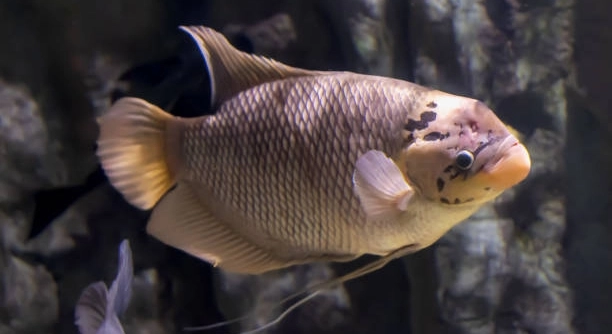
Have you ever noticed your gourami swimming less or hiding more than usual? Sometimes, these changes in behavior may indicate that your fish is experiencing stress or a form of sadness in its environment.
Signs of depression in gouramis can include loss of appetite, reduced activity, isolation from tank mates, fading color, and frequent hiding. Monitoring these behaviors closely allows owners to identify stressors and implement environmental or dietary improvements to support mental health.
Recognizing subtle shifts in your gourami’s behavior can make a significant difference in maintaining its overall well-being and happiness.
Changes in Appetite
A sudden drop in appetite is often one of the first signs that a gourami may be depressed. Fish normally eat consistently, and skipping meals for several days can indicate stress or unhappiness. Observing feeding patterns is important, as it allows you to notice subtle changes early. Stressful tank conditions, such as overcrowding, poor water quality, or sudden temperature shifts, can all affect a fish’s desire to eat. Even if your gourami appears active, lack of interest in food may point to underlying issues that need addressing. Providing a calm, stable environment with proper nutrition encourages your fish to regain regular eating habits. Sometimes, offering a variety of foods, such as flakes, frozen, or live options, can stimulate appetite. Keep track of portions and feeding frequency to ensure the gourami receives enough nutrition. Monitoring these behaviors regularly helps maintain both physical health and mental well-being, reducing the chances of prolonged stress.
A lack of appetite can quickly affect your gourami’s overall health if left unaddressed. Observing feeding habits closely is essential.
Fish that stop eating may also show reduced energy levels, spending more time resting near the bottom or hiding among decorations. Changes in appetite often coincide with other signs of stress, such as duller colors or slower swimming. Adjusting tank conditions, maintaining consistent feeding, and reducing disturbances can help encourage normal eating behavior.
Unusual Swimming Patterns
Erratic or slow swimming is a clear indicator of discomfort or depression in gouramis.
Gouramis that swim in circles, float near the surface, or remain motionless at the bottom of the tank are signaling stress. Changes in movement often relate to water quality, tank temperature, or social tension among fish. Even minor adjustments, like adding plants or rearranging tank décor, can influence behavior. Observing swimming patterns over several days gives a better understanding of your fish’s mental state. Gradually improving tank conditions can restore normal activity levels. Additionally, some gouramis may retreat to hiding spots when feeling insecure, which is normal behavior, but extended isolation is a concern. Feeding responses often mirror these swimming changes, reinforcing the need to monitor both movement and appetite. Environmental stability, gentle handling, and proper tank mates can help reduce stress. Recognizing these signals early allows you to create a supportive setting that promotes both physical health and mental stability. Over time, consistent care often leads to noticeable improvements in swimming behavior and overall vibrancy.
Isolation from Tank Mates
Gouramis that spend most of their time alone, away from other fish, may be experiencing depression or stress. Social withdrawal can indicate discomfort or unhappiness in their environment.
Isolation often occurs when tank conditions are not ideal. Gouramis are naturally social fish, and prolonged separation from tank mates can affect their mental health. Overcrowding, aggressive neighbors, or lack of hiding spots may push them to retreat. Ensuring proper tank size, compatible species, and plenty of shelter encourages interaction and reduces stress. Monitoring behavior closely helps identify patterns and address issues early. Changes in social behavior often coincide with reduced appetite or erratic swimming. Adjustments to the environment, such as adding plants or rearranging decorations, can make a significant difference in comfort levels. Gradual reintroduction to other fish or careful observation of interactions ensures a safe and balanced environment.
Withdrawal from other fish is often paired with decreased activity or dull coloration, signaling the need for environmental improvements.
Many gouramis feel insecure when their tank lacks structure. Providing plants, caves, and visual barriers allows them to explore safely while staying close to others. These changes foster social interaction while reducing stress. Consistent observation ensures that no fish is dominating or intimidating, creating a balanced and calm environment for all inhabitants.
Changes in Coloration
Fading or dull colors in gouramis are a visible sign of stress or depression. Color changes often occur gradually and can indicate both mental and physical issues.
When gouramis lose their vibrant colors, it may be linked to poor water quality, lack of stimulation, or illness. Stress reduces natural pigments, making the fish appear washed out or pale. Color loss can also accompany inactivity, hiding, or appetite changes, providing a clearer picture of overall well-being. Improving water conditions, maintaining proper temperature, and providing a varied environment with plants and decorations can help restore natural coloration. Nutrition plays a key role as well; feeding high-quality foods with color-enhancing ingredients supports healthy pigmentation. Observing color changes alongside behavior ensures early detection of underlying problems. Consistent care and monitoring often reverse mild fading, bringing back the fish’s natural vibrancy.
Gradual changes in color often serve as an early warning, prompting timely adjustments to care and environment.
Excessive Hiding
Gouramis that spend most of their time hiding may be feeling stressed or depressed. Persistent hiding is often a sign that something in the tank is causing discomfort.
Providing adequate shelters like plants, caves, or ornaments is important, but constant hiding can indicate an ongoing problem that needs attention.
Lethargy
Lethargic gouramis show little interest in swimming or interacting with their environment. They may float in one spot, move slowly, or rest at the bottom for extended periods. Lethargy is often connected to stress, poor water quality, or illness. Monitoring activity levels closely can help detect early signs of depression. Adjusting water parameters, maintaining proper temperature, and offering a varied diet can help restore energy. Observing social interactions also provides insight, as depressed fish may avoid other tank mates. Creating a stable and enriched environment encourages normal activity while reducing stress. Over time, consistent care often improves energy and overall well-being.
Reduced Breathing Activity
Gouramis that show slower or shallow gill movement may be under stress, which can indicate depression or environmental issues.
How can I tell if my gourami is stressed or depressed?
Stress and depression in gouramis often appear through changes in behavior and physical appearance. Signs include reduced appetite, hiding, lethargy, isolation from tank mates, and dull or fading colors. Observing your fish over time helps you notice these subtle changes early. Consistent monitoring of swimming patterns, feeding habits, and interactions with other fish can provide a clear picture of their mental state. Environmental factors such as poor water quality, overcrowding, or sudden changes in temperature are common contributors to stress. Keeping a stable environment with proper tank conditions and diet is key to preventing long-term depression.
Can water quality affect my gourami’s mood?
Yes, poor water quality can directly impact a gourami’s mental and physical health. High levels of ammonia, nitrites, or nitrates can stress fish, making them withdrawn or lethargic. Regular testing and maintenance, such as partial water changes and proper filtration, are crucial. Even small fluctuations in temperature or pH can cause discomfort. Clean, stable water conditions help gouramis maintain their natural behavior and bright coloration. Adding live plants can also improve water quality while providing shelter and stimulation. By maintaining a balanced environment, you reduce stress and help your gourami stay active and healthy.
How does tank size influence depression in gouramis?
Tank size is important because gouramis need enough space to swim and explore. A small or overcrowded tank can lead to aggression, stress, and social withdrawal. Providing at least 20 gallons for a single gourami, with additional space for each extra fish, allows room for normal activity. Sufficient space reduces competition and minimizes hiding due to fear. Larger tanks also help maintain stable water conditions, reducing sudden changes that can trigger stress. Adding decorations, plants, and hiding spots further enriches the environment. Proper tank size is a simple but effective way to prevent behavioral issues and support mental well-being.
Are tank mates important for my gourami’s happiness?
Yes, tank mates can affect a gourami’s behavior significantly. Aggressive or overly dominant fish can stress gouramis, causing them to hide or isolate themselves. Peaceful, compatible species encourage social interaction without triggering fear. Observing how your gourami interacts with other fish helps determine compatibility. Providing adequate space and hiding spots for all inhabitants reduces tension. Some gouramis prefer small groups, while others do better alone, depending on species and personality. Careful selection and monitoring of tank mates ensures a calm environment and prevents depression-related behaviors. Social balance is essential for a healthy and active gourami.
What role does diet play in my gourami’s mood?
Nutrition has a direct impact on a gourami’s health and behavior. A varied diet including flakes, frozen, and live foods ensures they receive essential nutrients. Poor diet or inconsistent feeding can lead to reduced energy, faded colors, and stress-related behaviors. Supplementing with high-quality foods that contain vitamins and color-enhancing ingredients supports both physical and mental health. Observing appetite changes alongside behavior helps identify if dietary adjustments are needed. Consistent feeding schedules combined with a balanced diet encourage normal activity, reduce stress, and help gouramis regain their natural vibrancy.
How can I encourage my gourami to be more active?
Providing enrichment in the tank encourages movement and exploration. Live plants, decorations, and hiding spots allow the fish to swim safely and interact with the environment. Regular observation helps identify areas that may cause discomfort or fear. Gentle rearrangement of decor can stimulate curiosity while reducing boredom. Offering a mix of live, frozen, and flake foods encourages natural foraging behavior. Maintaining stable water parameters and proper tank conditions supports energy levels. Creating a calm, enriched environment promotes activity, reduces stress, and helps your gourami regain confidence in its surroundings.
When should I seek professional help for my gourami?
If behavioral changes persist despite proper care, consulting an aquatic veterinarian is recommended. Persistent hiding, lethargy, loss of appetite, or abnormal swimming may indicate illness or severe stress. A professional can test for infections, parasites, or nutritional deficiencies. Early intervention often prevents long-term health problems. Combining professional advice with proper tank management ensures both the mental and physical well-being of your gourami. Prompt action can restore normal behavior and prevent complications.
Can environmental changes improve a depressed gourami’s mood?
Yes, environmental adjustments can significantly improve a gourami’s mental state. Stabilizing water conditions, adjusting tank mates, providing hiding spots, and adding decorations all reduce stress. Small changes like temperature consistency and gentle lighting also help. Observing how your fish responds allows you to fine-tune the environment. Gradual, consistent improvements promote activity, social interaction, and color restoration. Over time, creating a safe, enriched habitat supports long-term mental health, helping your gourami recover from depression-related behaviors while maintaining overall well-being.
How long does it take for a gourami to recover from depression?
Recovery time depends on the severity of stress and environmental adjustments. Minor behavioral changes may improve within days, while prolonged withdrawal or illness can take weeks. Consistent care, proper diet, enriched environment, and stress reduction are key. Monitoring progress allows adjustments to ensure recovery continues. Patience is essential, as gradual improvements in swimming, feeding, social interaction, and coloration indicate positive change. Regular observation and proper care ensure your gourami regains its natural energy and confidence in the tank.
Taking care of a gourami involves more than just feeding and cleaning the tank. Observing your fish’s behavior closely is essential to ensure its health and happiness. Changes in appetite, swimming patterns, color, and social behavior are key indicators of how your fish is feeling. A depressed or stressed gourami may hide, eat less, swim slowly, or isolate itself from other fish. Recognizing these behaviors early allows you to make the necessary adjustments to the tank environment, diet, or social setup to help your fish feel secure. Small changes, like adding plants, rearranging decorations, or improving water quality, can have a significant effect on your gourami’s well-being. Paying attention to these details ensures your fish has a stable and comfortable home.
Providing a proper environment for your gourami requires consistency and careful monitoring. Water quality, tank size, and temperature are crucial factors that directly affect a fish’s mental and physical health. Overcrowded tanks or aggressive tank mates can increase stress and lead to isolation or hiding. Even subtle fluctuations in water conditions or sudden changes in lighting can cause discomfort. Maintaining a clean and stable tank, along with a balanced diet, helps reduce stress and prevent depression. It is also important to give your fish enough space to explore and swim freely. Adding hiding spots or decorations allows your gourami to feel safe while encouraging natural behavior. Ensuring proper nutrition with high-quality food supports both energy levels and color, which are indicators of overall health. Gradual and consistent care goes a long way in keeping your gourami active and engaged.
Understanding your gourami’s behavior and taking proactive measures can improve its quality of life significantly. Not every sign of stress is an emergency, but repeated or prolonged changes in behavior should not be ignored. Monitoring social interactions with other fish, maintaining proper feeding habits, and adjusting the environment are all part of responsible fish care. Over time, consistent attention to these factors often restores normal activity, vibrant colors, and healthier social behavior. Patience and observation are key, as recovery from stress or depression may take days or even weeks. By providing a safe, enriched, and stable environment, you help your gourami thrive and enjoy a healthier, more active life in its tank. Regular care and attentiveness ensure that your fish is not only surviving but also flourishing in its home.

Hello,
If you enjoy the content that we create, please consider saying a "Thank You!" by leaving a tip.
Every little bit helps us continue crafting quality advice that supports the health, happiness, and well-being of pets around the world, for pets of all shapes, sizes, and species.
We really appreciate the kindness and support that you show us!