
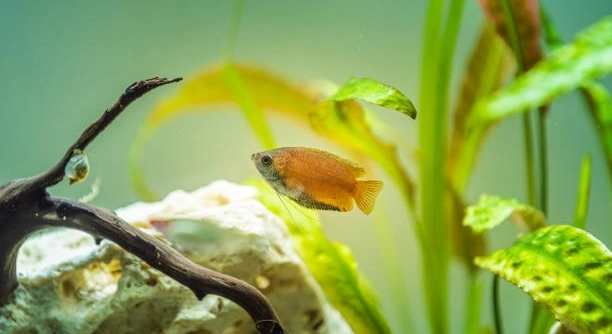
Are your gouramis constantly swimming along the glass of your aquarium, refusing to explore other areas? This behavior is common among these peaceful fish and often leaves owners puzzled about what might be causing it.
Gouramis swim along the glass primarily due to stress, insufficient space, or lack of environmental enrichment. Confined tanks, limited hiding spots, and inadequate stimulation can trigger repetitive swimming patterns, which indicate discomfort or an attempt to explore boundaries in their habitat.
Observing these behaviors carefully can reveal underlying issues and help you create a healthier, more engaging environment for your fish.
Understanding Your Gourami’s Behavior
Gouramis are naturally curious but sensitive fish. When they repeatedly swim along the glass, it often signals that their environment isn’t fully meeting their needs. Overcrowded tanks or strong water currents can make them feel uneasy. Limited hiding spaces or lack of plants also contribute to this behavior. Providing decorations, floating plants, and gentle water flow helps them feel safer. Sometimes, frequent interaction with tankmates or sudden changes in lighting can also stress them. Observing their swimming patterns closely allows you to detect when something is off. Gouramis may also follow the glass out of boredom or habit, especially in smaller tanks. Offering varied food, rearranging decor, and ensuring proper water quality can reduce this repetitive swimming. Paying attention to these details not only improves their comfort but can also strengthen your understanding of their preferences. A calm, well-structured environment often encourages more natural and relaxed behavior.
Stress and boredom are the main reasons gouramis swim along glass. Enrichment and proper tank setup are essential.
Adjusting the tank layout and decorations can significantly influence their activity. Adding live plants, caves, and floating barriers encourages exploration. Gouramis enjoy vertical spaces and areas where they can hide or rest. Regularly changing elements keeps their environment engaging. Proper lighting and gentle water flow prevent agitation. Feeding them a balanced diet at consistent times also supports healthy behavior. Observing subtle cues, like fin position and swimming speed, helps track comfort levels. Sometimes, simply enlarging the tank or reducing companions alleviates repetitive swimming. These measures combine to create a calmer, more natural habitat that encourages varied swimming patterns, reducing stress. Understanding their needs through observation allows you to adjust the environment effectively. Over time, these changes lead to healthier, more active, and content gouramis. Consistency in care and attention ensures they adapt well and display natural behaviors.
Water Quality and Its Impact
Clean water is crucial for gourami health. Poor water conditions increase stress, prompting them to swim along glass.
Maintaining water parameters within ideal ranges ensures fish stay healthy. Temperature, pH, and ammonia levels must be monitored regularly. Frequent partial water changes reduce toxins and improve oxygen levels. Filtration systems help maintain clarity and stability. Gouramis are sensitive to sudden changes, so gradual adjustments are better. Overfeeding or leftover food can pollute water, causing discomfort. Observing water behavior, like cloudy appearance or surface activity, indicates quality issues. Proper maintenance reduces repetitive swimming and supports overall vitality. Consistent care fosters a comfortable, stable environment for your gouramis.
Tank Size and Space
Small tanks limit movement, causing gouramis to swim along the glass. They need enough space to explore freely and reduce stress.
A tank that is too small prevents natural swimming behavior. Gouramis feel confined and may repeatedly follow the glass edge. Increasing tank size allows them to move in all directions, interact with plants, and establish territories. Vertical space is especially important, as gouramis enjoy exploring different levels. Providing at least 20 gallons for a single gourami and additional space for each companion improves their activity. Proper spacing reduces boredom and helps prevent repetitive swimming patterns that indicate discomfort. A spacious environment encourages healthier, more natural behaviors and supports overall well-being.
Rearranging decorations can also create a sense of variety. Floating plants, caves, and hiding spots break up open areas. Gouramis respond positively to visual barriers and enrichment. Regularly adjusting layout maintains interest and encourages exploration. Combining tank size with thoughtful arrangement fosters a comfortable environment, helping gouramis feel secure. Observing their reactions ensures that each change improves their comfort and reduces glass-following behavior. Over time, these adjustments lead to calmer, more confident fish that swim naturally throughout the tank.
Tankmates and Social Dynamics
Aggressive or incompatible tankmates increase stress, prompting glass swimming. Gouramis thrive with peaceful companions in compatible groups.
Introducing new fish without proper consideration can disrupt social balance. Gouramis prefer calm, slow-moving species and may feel threatened by larger or more aggressive fish. Close observation of interactions is essential to identify stress triggers. Territorial disputes or overcrowding often lead to repetitive swimming along the glass. Separating aggressive individuals and providing hiding spots allows gouramis to feel secure. Ensuring compatible tankmates creates a stable social environment, reducing anxiety and promoting natural swimming patterns. A well-planned community tank fosters confidence, activity, and overall well-being in gouramis, minimizing stress-induced behaviors.
Lighting and Day-Night Cycle
Excessive or inconsistent lighting can stress gouramis, causing glass-following behavior. A steady light schedule helps maintain comfort and natural activity.
Too much direct light or sudden changes in brightness can make gouramis feel exposed. Using timers and providing shaded areas reduces stress, encouraging calmer swimming patterns.
Diet and Feeding Patterns
A balanced diet is essential for healthy behavior. Overfeeding or irregular meals can lead to lethargy or agitation, prompting repetitive swimming along glass. Proper portioning and varied food types support energy levels, digestion, and overall well-being. Feeding small amounts multiple times a day can keep gouramis active and satisfied.
Water Temperature
Stable water temperature is crucial. Sudden fluctuations can trigger stress responses, making gouramis swim along the glass.
Maintaining a consistent, species-appropriate temperature reduces anxiety and supports normal activity levels, ensuring gouramis remain comfortable and healthy.
FAQ
Why does my gourami swim along the glass constantly?
This behavior is often linked to stress, boredom, or environmental issues. Small tanks, lack of hiding spots, or incompatible tankmates can make gouramis feel confined. Observing their swimming patterns and adjusting the tank layout, size, and social setup usually reduces this repetitive behavior.
Can changing the tank decorations help?
Yes. Adding plants, caves, or floating barriers breaks up open space and provides visual stimulation. Rearranging decorations regularly encourages exploration and reduces boredom. Gouramis respond well to these changes, which mimic a more natural environment and make them feel secure.
Is tank size really important for this behavior?
Absolutely. A tank that is too small limits movement, causing glass-following. Providing enough space allows gouramis to swim freely, interact with plants, and establish territories. A single gourami generally requires at least 20 gallons, with additional space for each companion fish.
Do tankmates influence this behavior?
Yes. Aggressive or overly active tankmates increase stress, leading to repetitive swimming. Peaceful, compatible species reduce tension. Observing interactions and providing hiding spots ensures gouramis feel secure, promoting natural swimming patterns and reducing anxiety.
How does water quality affect glass swimming?
Poor water conditions can increase stress and trigger glass-following. Regular testing and maintenance of pH, ammonia, nitrite, and nitrate levels are essential. Partial water changes and proper filtration maintain stability. Clean, stable water encourages relaxed behavior and better overall health.
Can lighting impact this behavior?
Inconsistent or strong lighting can make gouramis feel exposed. Using timers and providing shaded areas helps maintain a natural day-night cycle. Proper lighting reduces stress and encourages calm swimming, helping them avoid repetitive patterns along the glass.
Does diet influence repetitive swimming?
Yes. Overfeeding or irregular meals can cause agitation or lethargy. A balanced diet with varied food types supports digestion, energy levels, and normal activity. Feeding smaller portions multiple times a day keeps gouramis active and engaged, reducing glass-following behavior.
What role does water temperature play?
Gouramis are sensitive to sudden temperature changes. Fluctuations can stress them, leading to repetitive swimming along the glass. Maintaining a stable, species-appropriate temperature ensures comfort and supports normal swimming behavior, promoting long-term health.
Can stress from handling or sudden changes affect behavior?
Handling, sudden water changes, or loud noises can trigger stress responses. Minimizing disruptions and maintaining a consistent routine helps gouramis feel safe. Calm handling during tank maintenance and gradual adjustments prevent anxiety, reducing repetitive glass swimming.
How long does it take to correct this behavior?
The time varies depending on the cause. Addressing tank size, water quality, diet, and social dynamics gradually improves behavior. Most gouramis show noticeable improvement within weeks once environmental needs are met consistently. Patience and observation are key to long-term results.
Are some gouramis more prone to this behavior than others?
Yes. Individual temperament, age, and health influence swimming patterns. Younger or more timid gouramis may display this behavior more frequently. Providing appropriate enrichment, space, and stable conditions helps reduce repetitive swimming in all fish.
Should I be concerned if my gourami occasionally swims along the glass?
Occasional glass-following is normal. Persistent or constant swimming indicates stress or discomfort. Observing other behaviors like appetite, coloration, and interaction with tankmates helps determine if intervention is needed. Proper tank management usually resolves consistent glass-following.
Can environmental enrichment completely stop this behavior?
While it may not eliminate glass swimming entirely, enrichment significantly reduces frequency. Plants, hiding spots, varied swimming areas, and proper tankmates create a stimulating environment, encouraging more natural, relaxed behavior. Continuous observation and adjustment maximize positive results for your gouramis.
Do gouramis ever swim along glass out of curiosity rather than stress?
Yes, sometimes this behavior is exploratory. Gouramis are naturally inquisitive and may follow glass to inspect surroundings. Differentiating curiosity from stress involves observing overall behavior, activity levels, and signs of discomfort such as rapid gill movement or erratic swimming.
How can I monitor if changes are effective?
Track swimming patterns, feeding behavior, and interaction with tankmates. Note any reduction in glass-following and increased natural exploration. Regular observation helps identify which adjustments work best, ensuring a comfortable, engaging environment for your gouramis.
Can multiple small adjustments be more effective than one big change?
Yes. Gradual improvements in tank layout, water quality, lighting, and social dynamics allow gouramis to adapt without additional stress. Sudden major changes may worsen behavior. Incremental adjustments provide a stable environment and encourage long-term natural swimming patterns.
Final Thoughts
Observing a gourami swim along the glass can be concerning, but it is often a sign that its environment needs attention. This behavior usually indicates stress, boredom, or discomfort rather than illness. By paying attention to tank size, decorations, and the placement of plants, you can create a more comfortable and engaging habitat. Providing hiding spots and areas to explore helps gouramis feel secure and encourages natural swimming patterns. Even small changes, like adding a floating plant or a decorative cave, can make a noticeable difference in their behavior. Over time, these adjustments reduce repetitive glass-following and allow your fish to display more relaxed, confident movements.
Maintaining stable water conditions is also essential for gouramis’ well-being. Proper filtration, regular water changes, and monitoring temperature, pH, and ammonia levels are important steps. Sudden fluctuations or poor water quality can increase stress and trigger constant glass swimming. Lighting plays a role as well. Consistent day-night cycles and areas of shade create a sense of security. Feeding habits contribute too; a balanced diet with varied food types and properly spaced meals keeps them active and reduces agitation. Observing the fish closely allows you to see how they respond to these environmental improvements and adjust care routines accordingly. Attention to these details supports not only physical health but also mental comfort, encouraging calmer and more natural behavior over time.
Social factors should not be overlooked. Tankmates can influence gouramis’ stress levels and overall activity. Aggressive or incompatible fish increase tension, while peaceful companions help maintain a stable social environment. Ensuring enough space for multiple fish and providing visual barriers prevents territorial disputes and promotes confidence. Each gourami has its own personality, and some may need more enrichment or space than others. Gradual changes in the tank, careful observation, and thoughtful management of social interactions lead to more consistent improvements. By addressing all aspects of their environment—space, water quality, diet, lighting, and companions—you can reduce repetitive swimming, enhance their comfort, and support a healthier, more balanced life for your gouramis. With patience and consistent care, these adjustments result in calmer, more engaged fish that display natural behaviors throughout the aquarium.

Hello,
If you enjoy the content that we create, please consider saying a "Thank You!" by leaving a tip.
Every little bit helps us continue crafting quality advice that supports the health, happiness, and well-being of pets around the world, for pets of all shapes, sizes, and species.
We really appreciate the kindness and support that you show us!