
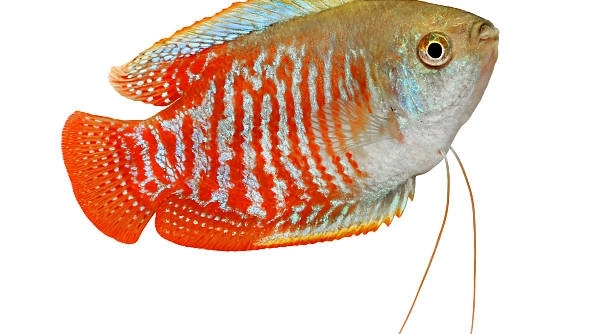
Are your gouramis spending more time at the bottom of the tank than swimming around? Observing this unusual behavior can be worrying for any fish owner. Gouramis are typically active swimmers, and a sudden change can indicate underlying issues.
A gourami may refuse to swim due to poor water quality, stress, illness, or inadequate tank conditions. Imbalances in temperature, pH, or oxygen levels can affect their energy and behavior, while disease or injury can further limit movement and activity.
Understanding these factors can help you create a healthier environment and restore your gourami’s natural activity. Proper care and observation are key to maintaining their well-being.
Common Causes of Gouramis Refusing to Swim
One of the most frequent reasons gouramis stop swimming is poor water quality. Ammonia, nitrite, or nitrate levels that are too high can make them lethargic and hide at the bottom of the tank. Temperature fluctuations or water that is too cold or warm also affect their activity. Stress from overcrowding, aggressive tank mates, or sudden changes in their environment can further contribute to this behavior. Additionally, illness or internal parasites can weaken their body, reducing their desire or ability to swim. Injuries caused by sharp decorations or rough handling may also restrict movement. Observing your gourami’s posture, color, and breathing patterns can help identify if stress, illness, or tank conditions are influencing their behavior. By monitoring water parameters and ensuring a stable, calm environment, you can often restore their normal swimming habits and overall vitality. Consistent care is key to preventing recurring issues and keeping your fish active.
Water quality and stress levels are often the most immediate factors affecting your gourami’s willingness to swim.
Addressing these issues requires careful attention to their tank environment. Regular water changes, testing for pH, ammonia, nitrites, and nitrates, and maintaining stable temperatures can make a significant difference. Reducing overcrowding and choosing compatible tank mates helps minimize stress. If illness is suspected, isolating the affected fish and consulting treatment guides or a veterinarian can prevent further decline. Observing behavior daily allows early detection of problems before they become serious. Simple adjustments like removing sharp decorations, providing gentle filtration, and ensuring hiding spaces can improve comfort and activity. Feeding high-quality food in appropriate amounts supports their health, as underfeeding or overfeeding may weaken them. By combining these practices, you create conditions that encourage your gourami to swim and explore naturally. Maintaining consistent care not only improves activity levels but also strengthens their immune system, helping them resist infections and recover from minor injuries.
Recognizing Signs of Illness
Lethargy, faded colors, rapid breathing, or clamped fins are clear indicators that a gourami may be unwell. Observing these signs helps prevent worsening conditions and ensures timely intervention.
Common illnesses affecting gouramis include bacterial infections, fungal growths, and parasitic infestations. Fin rot and dropsy are frequent problems caused by poor water conditions or stress. Internal parasites can also lead to lethargy, loss of appetite, and abnormal swimming patterns. Early detection is essential, as prompt treatment often improves recovery chances. Quarantining sick fish reduces the risk of spreading disease to others in the tank. Medications should be used according to instructions, and maintaining clean water during treatment supports effectiveness. Nutritional support, through high-quality, balanced diets, strengthens their immune system and aids healing. Understanding the symptoms and acting quickly ensures your gourami recovers faster while minimizing long-term effects. Careful observation, consistent tank maintenance, and proactive treatment together provide the best chance for restoring your fish to healthy, active swimming behavior.
Tank Conditions and Their Impact
Water temperature, pH levels, and oxygen content directly affect gourami activity. Poor filtration or stagnant water can stress them, causing lethargy. Adequate space and hiding spots are essential for comfort. Maintaining stable tank conditions encourages natural swimming behavior and reduces stress-related inactivity.
Ensuring proper tank conditions begins with monitoring water temperature closely. Gouramis thrive in temperatures between 75 and 82°F, with minimal fluctuations. pH should be kept around 6.5 to 7.5 to maintain stability. Adequate oxygen levels can be achieved through gentle aeration and a well-maintained filter system. Overcrowding should be avoided, as limited space increases stress and aggression. Decorations like plants and caves provide hiding spots, allowing your gourami to feel secure. Regular cleaning and partial water changes remove waste buildup, keeping the environment healthy. Small adjustments to tank setup can significantly improve swimming behavior and overall well-being, ensuring your fish remain active and vibrant.
Overfeeding or inconsistent feeding schedules can also impact swimming activity. Uneaten food decomposes, affecting water quality and stressing your gourami. Balanced nutrition and portion control are crucial for health. Feeding should be consistent, using high-quality flakes, pellets, or live foods that meet their dietary needs. Avoid overfeeding, as this can lead to obesity and digestive issues, which reduce energy levels and swimming frequency. Observing how your gourami responds to feeding helps adjust portions and timing. Combining proper diet with clean, stable water conditions ensures your gourami stays energetic. A healthy, well-maintained environment directly supports active swimming and reduces the likelihood of behavioral problems related to stress or illness.
Behavioral Observations
Noticing changes in swimming patterns, fin movement, and interaction with tank mates can indicate problems. Sudden hiding, floating, or erratic swimming often signals stress or illness. Tracking behavior daily allows early intervention.
Recording behavior helps identify subtle changes that may precede health issues. Inactive or sluggish swimming can result from temperature shifts, low oxygen, or disease. Gouramis that cling to surfaces or drift near the bottom may be responding to environmental stressors. Observing how they interact with other fish reveals potential bullying or overcrowding problems. Behavioral patterns also indicate whether feeding and water conditions meet their needs. By monitoring and documenting these actions, you can detect problems early and adjust care routines. Prompt responses, such as water adjustments, isolation of affected fish, or treatment for illness, improve recovery chances. Understanding normal behavior helps distinguish temporary lethargy from serious issues.
Stress and Aggression
Aggressive tank mates or overcrowding can make gouramis hide or stop swimming. Providing sufficient space and compatible companions reduces stress. Avoid sudden changes in lighting or decorations, as these can trigger fear responses and limit activity.
Stress may also result from frequent tapping on the tank or loud noises nearby. Gouramis are sensitive to environmental disturbances. Maintaining a calm, stable tank encourages confidence and natural movement. Observing interactions between fish helps identify if aggression is affecting behavior. Separating aggressive individuals or increasing hiding spots allows your gourami to swim freely without fear. Consistent, gentle care minimizes stress and supports healthy activity levels.
Diet and Nutrition
A poor diet can weaken gouramis and decrease their swimming activity. Providing varied, high-quality foods supports energy and overall health. Balanced nutrition prevents lethargy and helps maintain vibrant coloration and strong immune function. Feeding small portions two to three times daily reduces digestive stress and maintains water quality.
Monitoring Water Quality
Regular testing of ammonia, nitrite, nitrate, and pH levels is crucial. Water imbalances directly impact your gourami’s behavior.
Health Treatments
Promptly addressing illness with appropriate medications and isolation helps prevent further complications. Early action improves recovery and restores normal swimming behavior.
FAQ
Why is my gourami staying at the bottom of the tank?
Gouramis often stay at the bottom when stressed, sick, or when water conditions are poor. Low oxygen levels, temperature fluctuations, or high ammonia and nitrite levels can make swimming uncomfortable. Providing stable water conditions and monitoring for illness helps them regain normal activity.
What water temperature is best for gouramis?
Gouramis thrive in water temperatures between 75 and 82°F. Sudden changes in temperature can stress them and reduce swimming activity. Using a reliable heater and thermometer ensures stable conditions, supporting energy levels and overall health.
Can overfeeding cause my gourami to stop swimming?
Yes. Overfeeding can lead to digestive issues and water quality problems. Uneaten food decomposes, increasing ammonia and nitrate levels, which stresses the fish. Feeding small, balanced portions two to three times a day helps maintain energy and a healthy tank.
How do I know if my gourami is sick?
Signs of illness include faded colors, clamped fins, rapid breathing, loss of appetite, or abnormal swimming patterns. Swelling, white spots, or visible injuries may indicate disease or parasitic infection. Early detection and treatment improve recovery chances.
Should I isolate a sick gourami?
Isolating a sick fish prevents the spread of disease to other tank inhabitants. Use a separate quarantine tank with clean, stable water and monitor closely while administering medication if needed. This also reduces stress for both the sick fish and healthy tank mates.
What are common illnesses in gouramis?
Gouramis are prone to bacterial infections, fin rot, dropsy, fungal infections, and parasites. Poor water quality and stress increase vulnerability. Observing behavior and maintaining clean, balanced conditions help prevent many of these problems.
How important is tank size for gouramis?
Tank size matters. Overcrowding increases stress, reduces swimming space, and can lead to aggression or injury. A minimum of 20 gallons for a single gourami is recommended, with more space required for multiple fish or tank mates. Proper layout and hiding spots also support well-being.
Can tank mates affect my gourami’s swimming?
Yes. Aggressive or territorial fish can intimidate gouramis, causing them to hide or reduce movement. Choosing compatible species and providing ample hiding spaces minimizes stress and allows natural swimming behavior to return. Observing interactions is key to adjusting tank dynamics.
How often should I test my tank water?
Regular testing is crucial. Weekly checks for ammonia, nitrites, nitrates, and pH levels help maintain stable water conditions. More frequent testing may be needed after water changes, adding new fish, or noticing unusual behavior. Consistency prevents issues that reduce swimming activity.
Can stress cause long-term swimming problems?
Chronic stress can weaken the immune system, leading to illness and reduced energy. Minimizing sudden changes, providing hiding spots, maintaining water quality, and avoiding aggressive tank mates supports consistent swimming and overall health.
What should I feed my gourami for optimal health?
A varied diet of high-quality flakes, pellets, and occasional live or frozen foods ensures balanced nutrition. This supports energy, vibrant coloration, and strong immunity. Avoid overfeeding and remove uneaten food to keep the water clean and safe for swimming.
How do I improve my gourami’s swimming behavior?
Stable water conditions, proper diet, appropriate tank mates, and stress reduction are essential. Adding plants, decorations, and gentle filtration provides comfort and encourages natural movement. Regular observation helps catch problems early, keeping your gourami active and healthy.
Can sudden environmental changes affect my gourami?
Yes. Rapid changes in temperature, lighting, or tank setup can stress gouramis and reduce swimming. Gradual adjustments and maintaining a calm, stable environment help prevent inactivity and promote confidence in exploring the tank.
How do I treat fin rot or other visible injuries?
Fin rot and minor injuries require clean water, isolation if needed, and proper medication. Observing recovery, maintaining consistent water parameters, and supporting nutrition ensures healing while preventing recurrence and restoring normal swimming behavior.
Is it normal for gouramis to rest at the bottom sometimes?
Occasional resting at the bottom is normal, especially at night or after feeding. Persistent or unusual inactivity, however, may indicate stress, illness, or environmental issues that need attention. Monitoring behavior helps distinguish normal rest from concerning patterns.
How long does it take for a gourami to recover from stress or illness?
Recovery depends on the issue’s severity, water quality, diet, and treatment. Minor stress may resolve in days, while illness or injury may take weeks. Maintaining optimal conditions and prompt intervention improves recovery speed and restores swimming activity.
Can decorations or tank layout impact swimming?
Yes. Sharp or rough decorations can injure gouramis, while overcrowded layouts limit movement. Providing smooth surfaces, open swimming space, and hiding spots allows safe exploration and reduces stress-related inactivity.
What is the role of oxygen in gourami activity?
Adequate oxygen is vital for energy and swimming. Poor aeration or high stocking levels reduce oxygen, causing lethargy. Gentle filtration, air stones, and plants help maintain sufficient oxygen, supporting active behavior and overall health.
How do I prevent future swimming problems?
Maintaining stable water quality, providing proper nutrition, monitoring behavior, reducing stress, and choosing compatible tank mates prevents swimming issues. Consistent care, observation, and early intervention create an environment where gouramis remain healthy and active.
Can seasonal changes affect my gourami?
Yes. Temperature fluctuations due to seasonal changes can stress gouramis. Adjusting heaters, monitoring water temperature, and protecting the tank from drafts ensures stable conditions, preventing reduced swimming activity and maintaining overall well-being.
Final Thoughts
Keeping a gourami active and healthy requires attention to several key factors. Water quality is the foundation of their well-being. Regular testing for ammonia, nitrites, nitrates, and pH levels ensures the tank remains stable. Sudden changes in water parameters can stress fish, reducing their energy and desire to swim. Consistent partial water changes remove waste and toxins, creating a clean environment. Temperature stability is also essential, as gouramis are sensitive to fluctuations. Maintaining water between 75 and 82°F helps them feel comfortable and supports natural swimming behavior. Gentle filtration and proper aeration ensure oxygen levels remain sufficient, preventing lethargy caused by low oxygen or stagnant water. Attention to these basic but critical details often resolves most inactivity issues before they escalate. A clean, stable, and well-maintained tank provides the foundation for a healthy, energetic gourami that moves freely and displays natural behaviors.
Nutrition and diet are equally important in supporting activity levels. A balanced diet of high-quality flakes, pellets, and occasional live or frozen foods provides essential nutrients for energy, immunity, and growth. Overfeeding should be avoided, as uneaten food can degrade water quality and lead to digestive issues that reduce swimming. Feeding small portions two to three times daily helps maintain consistent energy and prevents the tank from becoming a source of stress or illness. Observing how your gourami responds to feeding can guide adjustments in portions or food types. A proper diet also enhances coloration, strengthens the immune system, and supports recovery from minor illness or stress. Combining a balanced diet with clean water conditions and a safe environment ensures that your gourami not only swims actively but also remains healthy and resilient. Simple, consistent care routines go a long way in preventing problems and promoting natural activity.
Behavioral observation and stress management play a significant role in overall health. Gouramis are sensitive to environmental changes, aggressive tank mates, and sudden disturbances. Providing sufficient space, compatible companions, and hiding spots reduces stress and encourages confidence. Regularly monitoring swimming patterns, interactions, and overall demeanor helps detect issues early, whether they relate to diet, water quality, or illness. Quick intervention when problems arise, such as isolating a sick fish, adjusting the tank layout, or correcting water parameters, can prevent long-term inactivity or health decline. Maintaining a calm and stable environment allows your gourami to explore and swim naturally without fear. By combining consistent care, proper nutrition, stable water conditions, and stress reduction, you create a supportive environment that promotes active, healthy behavior. Thoughtful attention to these factors ensures your gourami thrives, swimming gracefully and remaining an engaging presence in your tank.

Hello,
If you enjoy the content that we create, please consider saying a "Thank You!" by leaving a tip.
Every little bit helps us continue crafting quality advice that supports the health, happiness, and well-being of pets around the world, for pets of all shapes, sizes, and species.
We really appreciate the kindness and support that you show us!