
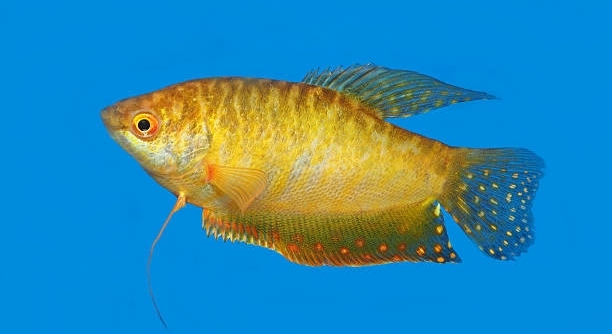
Gouramis are peaceful fish that bring calm beauty to any aquarium. Observing their daily routines can be rewarding, especially when they show signs of comfort and contentment in their environment. Watching them thrive is satisfying.
Thriving gouramis exhibit consistent swimming patterns, vibrant coloration, active feeding behavior, regular interaction with their surroundings, and minimal stress indicators. These behaviors reflect proper nutrition, suitable water conditions, and an environment that meets their physical and psychological needs.
Recognizing these habits allows owners to support their fish’s health effectively. Each behavior provides insight into the well-being of your gourami and its overall quality of life.
Active Swimming
Watching your gourami move confidently around the tank is one of the clearest signs it is thriving. Active swimming shows it has the energy to explore and maintain its territory. In a healthy aquarium, gouramis will glide through open spaces, weave through plants, and occasionally hover near the surface. This behavior indicates strong muscles, good oxygen levels, and a stress-free environment. Conversely, lethargy or hiding for long periods often signals that something is off with water quality, diet, or social dynamics. Gouramis are naturally curious, so their movement often reflects engagement with their surroundings. Proper tank setup, including gentle filtration, safe plants, and enough space, allows these fish to swim freely. Regular observation helps you notice changes quickly. A consistent routine of active swimming confirms that your gourami is comfortable, well-fed, and in an environment that supports both physical and mental health.
Active swimming is a reliable indicator of a gourami’s health and comfort in the tank environment.
Ensuring your gourami can swim freely requires adequate space and low-stress conditions. Tanks that are too small or overcrowded prevent full movement and can lead to stress. Providing hiding spots, gentle water flow, and varied levels in the tank encourages natural exploration. Active swimming also supports muscle development and overall fitness, making the fish more resilient to disease. Observing patterns over time lets you detect minor issues before they escalate, such as changes in energy or unusual floating near the surface. Alongside proper feeding, swimming activity is a key measure of a thriving gourami.
Healthy Appetite
A healthy gourami will eat consistently and show interest in a variety of foods. Feeding behavior is a direct reflection of its health and comfort in the tank.
Regular appetite is an important sign that your gourami is thriving.
Gouramis with a strong appetite often respond quickly when food is offered, swimming toward it without hesitation. Offering a mix of flakes, pellets, and occasional live or frozen foods helps ensure proper nutrition and mental stimulation. Loss of appetite can indicate stress, poor water conditions, or illness, so monitoring feeding behavior is crucial. Feeding in small amounts multiple times a day prevents overfeeding and maintains water quality. Observing eating patterns also helps you recognize individual preferences and avoid nutritional gaps. When gouramis are actively feeding, their energy levels remain high, their coloration stays vibrant, and their immune systems are supported. Consistent feeding routines contribute to overall well-being, allowing your fish to flourish in a stable and safe environment while reducing the risk of health complications.
Vibrant Coloration
Vibrant colors in a gourami signal good health and proper nutrition. Dull or faded colors often indicate stress, illness, or poor water quality. Observing consistent brightness is a reliable way to assess overall well-being.
Healthy gouramis display rich and even coloration across their bodies and fins. Proper lighting, a balanced diet, and clean water all contribute to maintaining these colors. Stress from overcrowding, sudden water changes, or incompatible tank mates can cause temporary dullness. Color intensity also reflects energy levels; active and well-fed gouramis usually show the brightest hues. Seasonal changes or minor diet adjustments may slightly alter shade, but persistent vibrancy indicates stable health and comfort in their environment.
In addition to physical health, vibrant coloration reflects emotional and environmental comfort. Gouramis that feel secure in their surroundings exhibit more vivid patterns. Providing plants, hiding spaces, and gentle water flow reduces stress and enhances their natural colors. A consistently colorful gourami is a strong sign that it thrives, responds well to care, and enjoys a balanced habitat that supports both growth and longevity.
Regular Interaction
Gouramis that engage with their surroundings and other tank mates show confidence and well-being. Interaction reflects curiosity and comfort in their environment.
Regular interaction is a sign that your gourami feels secure and mentally stimulated. They will explore plants, investigate decorations, and respond to gentle movements outside the tank. Social gouramis may swim alongside compatible tank mates, showing no signs of aggression or fear. Lack of interaction can indicate stress, illness, or discomfort. Maintaining a clean, adequately sized tank with balanced lighting and water conditions encourages natural behaviors and healthy socialization. Observing how gouramis respond to their environment provides insight into both physical and emotional health.
Encouraging regular interaction requires attention to both the physical and social environment. Gouramis thrive when they have enough space, visual stimulation, and peaceful companions. Avoid sudden changes in tank setup or temperature, as these can disrupt confidence and reduce engagement. Interactive behavior includes exploring new areas, investigating food, and responding to gentle movements outside the tank. A gourami that regularly interacts demonstrates not only comfort and curiosity but also resilience and adaptability, indicating it receives appropriate care and lives in an environment that meets its natural behavioral needs.
Bubble Nest Building
Bubble nest building is a clear sign that a male gourami is healthy and comfortable. This behavior shows that the fish feels safe in its environment and is ready for potential breeding activity.
A consistent bubble nest indicates stable water conditions, proper nutrition, and minimal stress. Gouramis typically blow bubbles at the surface, clustering them into a small mound or raft. Even if there is no female present, a well-built nest reflects confidence and well-being. Poor water quality or overcrowding can prevent this behavior, so regular observation helps ensure the tank meets their needs.
Smooth Breathing
Smooth, even gill movement demonstrates good oxygenation and low stress levels. Irregular or rapid breathing may indicate water issues or illness.
Exploring the Tank
Active exploration of all tank areas shows curiosity and comfort. Gouramis that explore plants, hiding spots, and surface areas are mentally and physically healthy. They maintain energy, avoid boredom, and respond positively to environmental changes.
Minimal Hiding
Gouramis that spend little time hiding are relaxed and feel secure in their habitat. Excessive hiding often signals fear or poor conditions.
How often should I feed my gourami?
Feeding frequency depends on the type of food and the age of your gourami. Adult gouramis generally do well with small meals twice a day. Juveniles may need three or four smaller portions to support growth. Overfeeding can pollute the water, so it’s important to give only what your fish can consume in a few minutes. Observing how quickly your gourami finishes its food helps you adjust portion size. A varied diet of flakes, pellets, and occasional frozen or live foods keeps them healthy, supports coloration, and encourages active behavior.
What are the best water conditions for gouramis?
Gouramis thrive in slightly acidic to neutral water, with a pH between 6.5 and 7.5. Temperature should range from 75 to 82°F (24–28°C). Clean, well-filtered water with low currents allows them to swim comfortably. Regular partial water changes prevent buildup of toxins like ammonia and nitrite. Avoid overcrowding, as stress can affect health and behavior. Using a thermometer and test kits helps maintain stable conditions. Plants, hiding spots, and gentle lighting contribute to a comfortable environment. Monitoring behavior, appetite, and color gives additional insight into whether water conditions are suitable.
Why does my gourami build bubble nests?
Bubble nest building is a natural breeding behavior, usually exhibited by males. Even without a female, constructing nests signals that the fish feels safe, healthy, and comfortable. The size and quality of the nest reflect water quality, nutrition, and stress levels. Providing calm water and surface plants encourages this behavior. A lack of nests may indicate poor water conditions, illness, or stress from other tank mates. Observing these nests is an easy way to track your gourami’s comfort and overall well-being.
What are signs of stress in gouramis?
Stress in gouramis can appear as hiding, rapid breathing, faded colors, or reduced appetite. Swimming erratically or rubbing against objects may also indicate discomfort. Causes include poor water quality, aggressive tank mates, overcrowding, or sudden changes in environment. Stress can lead to illness if not addressed promptly. Monitoring behavior and maintaining stable tank conditions are key to reducing stress. Adjusting water temperature, improving filtration, and ensuring proper nutrition helps gouramis recover quickly. A calm, consistent environment encourages natural behaviors and vibrant coloration.
How can I encourage interaction and activity?
Providing a varied environment with plants, decorations, and open swimming spaces encourages your gourami to explore. Gentle movements near the tank often prompt curiosity, while compatible tank mates offer social stimulation. Rotating decorations or adding new hiding spots occasionally prevents boredom. Maintaining proper feeding routines supports energy levels, keeping your gourami active throughout the day. Active interaction is a sign of comfort, mental stimulation, and overall health. Regular observation ensures you notice changes in behavior that may indicate stress or illness.
Why is my gourami’s color fading?
Faded colors often indicate stress, poor diet, or suboptimal water conditions. Ensure your gourami receives a balanced diet rich in nutrients and pigments. Stable water parameters and a low-stress environment help maintain natural coloration. Illness or parasites can also affect vibrancy, so watch for other signs such as lethargy or clamped fins. Bright, consistent colors are a strong indicator of a healthy and comfortable fish.
Is it normal for gouramis to hide sometimes?
Yes, occasional hiding is normal, especially when resting or adjusting to a new environment. However, excessive hiding often points to stress, illness, or poor water conditions. Providing plants, caves, and gentle lighting allows them to feel secure while still encouraging exploration. Minimal hiding indicates confidence and comfort, while constant hiding warrants a review of tank setup and water quality.
How do I tell if my gourami is healthy?
Signs of a healthy gourami include active swimming, vibrant colors, smooth breathing, consistent appetite, and social behavior. Observing regular bubble nest building in males and interaction with the tank environment also indicates well-being. Sudden changes in these behaviors may signal stress, disease, or environmental issues. Maintaining clean water, proper diet, and a suitable tank setup ensures long-term health and thriving behavior.
Can gouramis live with other fish?
Gouramis generally coexist peacefully with other peaceful species. Avoid aggressive or very small fish that may provoke stress or be targeted. Compatibility depends on tank size, personality, and territory needs. Observing interactions and providing plenty of hiding spaces reduces conflicts. Social interaction with compatible species supports mental stimulation and reduces boredom.
How often should I check water parameters?
Regular monitoring of pH, ammonia, nitrite, and nitrate levels is essential. Weekly testing helps maintain stable conditions and prevents stress-related illnesses. Adjust water changes, filtration, and tank maintenance based on results. Keeping detailed records allows you to notice trends and take early action. Consistency ensures a safe and healthy environment, which directly influences your gourami’s behavior, color, and appetite.
Observing your gourami’s daily behavior is one of the most reliable ways to gauge its health and comfort. Small details like active swimming, consistent feeding, and smooth breathing can tell you a lot about its well-being. Even subtle signs, such as exploring the tank or interacting with plants and decorations, show that the fish feels secure in its environment. A thriving gourami will usually display vibrant colors, maintain energy throughout the day, and spend minimal time hiding. Paying attention to these patterns allows you to respond quickly if something seems off, whether it’s a water quality issue, stress from tank mates, or dietary needs. Regular observation becomes a simple but effective tool for ensuring your fish stays healthy and happy over the long term.
Maintaining proper tank conditions is essential to supporting these positive behaviors. Temperature, pH, and water cleanliness all directly influence a gourami’s activity and overall health. Regular water changes and monitoring help prevent the buildup of harmful substances like ammonia or nitrites, which can cause stress or illness. Providing enough space, gentle water flow, and appropriate hiding spots allows your gourami to move freely and feel secure. Diet also plays a key role, with a mix of flakes, pellets, and occasional live or frozen foods ensuring balanced nutrition. A consistent feeding routine combined with proper tank maintenance encourages healthy growth, strong coloration, and natural behaviors like bubble nest building in males. Paying attention to these factors creates a stable and safe environment where your fish can flourish.
Behavioral cues provide ongoing insight into your gourami’s quality of life. When you notice changes in activity, appetite, or coloration, it is usually a signal to assess the tank conditions or health status. Encouraging natural behaviors such as exploring, interacting with other peaceful tank mates, and occasional bubble nest building strengthens mental stimulation and overall resilience. Minimal hiding, confident swimming, and regular interaction indicate that your fish feels comfortable and well cared for. By focusing on these key aspects—behavior, environment, and diet—you can help your gourami thrive for years. Observing and supporting these behaviors not only ensures physical health but also contributes to a sense of well-being, making your aquarium a calm and enjoyable space for both the fish and yourself.

Hello,
If you enjoy the content that we create, please consider saying a "Thank You!" by leaving a tip.
Every little bit helps us continue crafting quality advice that supports the health, happiness, and well-being of pets around the world, for pets of all shapes, sizes, and species.
We really appreciate the kindness and support that you show us!