
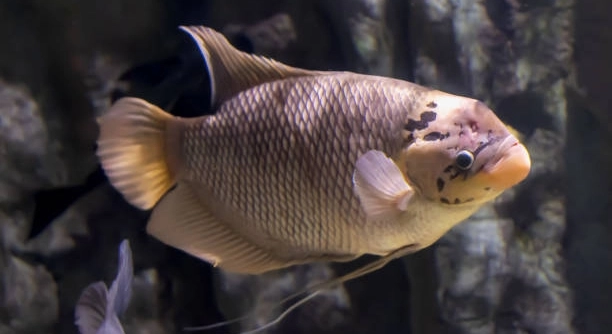
Gouramis are active and curious fish that often explore their environment. Watching them move around the tank can be entertaining, especially when they interact with plants, decorations, or the gravel at the bottom.
Gouramis dig gravel primarily to search for food, create a comfortable environment, or establish territory. This behavior is natural and instinctive, reflecting their need to explore, forage, and interact with their surroundings in a healthy aquarium setting.
Observing this behavior closely can reveal insights into your fish’s health and habitat needs, helping you maintain a balanced and engaging environment for them.
Common Reasons Gouramis Dig Gravel
Gouramis often dig in gravel for several natural reasons. One common cause is foraging. Even when regularly fed, they may still search the substrate for tiny leftover food particles. This instinct helps them stay active and mentally engaged. Another reason is creating a comfortable space. Gouramis sometimes move gravel to make small depressions or areas to rest in, mimicking hiding spots they would use in the wild. Stress or changes in the tank environment can also trigger digging. New decorations, water changes, or the presence of other fish may lead them to explore or rearrange the gravel. Finally, territorial behavior can play a role. Male gouramis, in particular, may dig to mark areas of the tank or to create space for bubble nests. Observing when and how often your gourami digs can help you understand their needs and adjust the environment to support natural behavior.
Gouramis digging in gravel is mostly a normal behavior that reflects instincts like foraging, nesting, or marking territory in their tank environment.
By paying attention to the frequency and patterns of digging, you can make small adjustments to the tank. Adding more hiding spaces or soft plants can reduce stress. Ensuring food is evenly distributed on the gravel also helps. Monitoring water quality and maintaining a stable environment is essential, as sudden changes can make your fish restless. Male gouramis may need additional space if they are building bubble nests. The choice of substrate matters too; smoother gravel or sand can prevent injury and reduce digging intensity. Understanding these behaviors allows you to balance natural instincts with tank maintenance, keeping your gourami healthy, active, and comfortable. Small changes in tank setup often lead to noticeable improvements in behavior and reduce unnecessary digging. Observing their interactions with the environment will guide you in creating a suitable and stable habitat.
How to Reduce Excessive Gravel Digging
Excessive digging can sometimes indicate stress or environmental issues, but simple adjustments can make a difference.
Providing proper hiding places, adjusting feeding habits, and checking water conditions are effective strategies. Ensuring enough space for your fish and using appropriate substrate can also reduce restless behavior. Regular monitoring keeps your gourami comfortable and active.
Feeding and Nutrition
Proper feeding can reduce gravel digging. Gouramis may dig when searching for leftover food, so spreading meals evenly or using sinking pellets helps. Feeding smaller portions more frequently prevents overfeeding and keeps them satisfied. A balanced diet supports natural behavior and overall health in the tank.
Feeding habits directly influence how often gouramis dig. If food sinks too quickly or is scattered, they instinctively search the gravel for missed pieces. Incorporating high-quality flakes, pellets, and occasional live or frozen foods ensures they get nutrients without constantly digging. Overfeeding can also lead to water quality issues, which may increase stress and restless behavior. Monitoring feeding routines and adjusting portions helps maintain a stable environment while reducing unnecessary substrate activity. Consistent feeding schedules make your gourami less likely to dig out of hunger or curiosity.
Nutritional variety is key. Offering different textures and types of food stimulates natural foraging without encouraging excessive gravel digging. Vegetables, brine shrimp, or daphnia can complement daily meals. Avoiding leftover food accumulation prevents bacteria growth and keeps the tank cleaner. Observation is important: note which foods your gourami prefers and how they interact with the substrate. Small adjustments in diet often have a noticeable impact on behavior. By combining balanced feeding with careful monitoring, you can support both health and comfort while minimizing digging tendencies.
Tank Environment
Tank setup plays a major role in digging behavior. Proper hiding spots, plants, and decorations give gouramis secure areas. Gravel type matters; smoother substrates reduce intense digging. Providing ample space prevents territorial stress and encourages calm behavior in your fish.
Water conditions, space, and tank décor directly affect activity levels. Gouramis are sensitive to sudden changes in temperature, pH, and water hardness. Proper filtration, regular cleaning, and stable water parameters maintain comfort. Crowded tanks or insufficient hiding places increase stress, leading to more frequent digging. Observing interactions with plants and decorations helps identify areas that need adjustment. Strategic placement of objects can create a more secure environment. Combining these measures ensures your gourami can explore naturally without over-digging or causing damage to the substrate. A well-planned tank supports mental stimulation, reduces stress, and encourages healthy, natural behaviors consistently.
Stress and Behavior
Stress can increase gravel digging. Gouramis may become restless when the tank is overcrowded, water conditions fluctuate, or sudden changes occur. Providing a stable environment helps them feel secure and reduces unnecessary digging.
Aggressive tankmates or lack of hiding spots can also trigger stress. Observing their behavior allows adjustments, such as rearranging decorations or adding plants, to calm your gourami and promote natural, relaxed activity.
Breeding and Nesting
Male gouramis often dig as part of nest-building behavior. They create depressions in the substrate to prepare for bubble nests, signaling readiness to breed. This digging is normal and temporary, typically decreasing after the nest is complete. Monitoring water temperature and ensuring calm surroundings supports this natural process.
Substrate Choice
Choosing the right substrate can reduce excessive digging. Smooth gravel or sand prevents injury and limits restless activity, while coarse or sharp gravel may encourage more frequent movement. Substrate selection impacts both safety and comfort for your gourami.
Observation and Adjustment
Watching your gourami closely helps identify triggers for digging. Adjusting tank layout, feeding routines, and environmental factors ensures healthier behavior and a more balanced aquarium.
FAQ
Why does my gourami dig more at certain times of the day?
Gouramis are naturally active at specific times, usually when they expect food or during low-light periods that mimic dawn and dusk. Increased digging during these hours often reflects their natural rhythm rather than a problem. Feeding schedules and lighting adjustments can help balance activity.
Is gravel digging harmful to my gourami?
Most of the time, digging is harmless. It is a natural instinct for foraging, territory marking, or nest building. Problems arise only if the substrate is sharp or if the fish injures itself on decorations. Using smooth gravel or sand helps prevent accidental harm.
Can digging indicate illness?
Occasional digging is normal, but persistent, frantic digging combined with lethargy, loss of appetite, or color changes may indicate stress or illness. Monitoring water parameters and health signs is important, and consulting a veterinarian may be necessary if abnormal behavior continues.
Does the tank size affect digging?
Yes. Smaller or overcrowded tanks can cause stress and increase digging behavior. Providing sufficient space, at least 20 gallons for a single gourami, with proper hiding spots, allows them to explore naturally without becoming restless.
Will changing the substrate stop digging?
Substrate change can help reduce digging if it is coarse or uncomfortable. Smooth gravel or fine sand is less likely to trigger constant digging while still allowing natural foraging behaviors. Observation is important to see how the fish responds.
Do all gouramis dig equally?
Behavior varies by species and personality. Some gouramis are more active and curious, leading to more frequent digging, while others remain calmer. Males tend to dig more, especially during breeding periods when they are preparing nests.
Can feeding adjustments reduce digging?
Yes. Unevenly distributed food or overfeeding encourages searching behavior. Offering smaller, balanced meals throughout the day and including high-quality pellets or occasional live food satisfies nutritional needs and reduces gravel searching.
How do I provide hiding spaces effectively?
Plants, caves, and decorations create secure areas, reducing stress-driven digging. Arranging items to form shaded spots or gentle hiding corners allows gouramis to explore safely and feel protected, which lowers restless substrate activity.
Does water quality influence digging?
Absolutely. Fluctuating temperature, pH, or ammonia levels can stress gouramis, triggering more digging. Regular water testing, partial changes, and proper filtration maintain stability and promote calmer, healthier behavior.
Should I separate aggressive tankmates?
Yes. Aggressive or territorial fish can increase stress, leading to more digging. Separating gouramis from troublesome species or providing sufficient hiding areas minimizes tension and allows natural exploration without constant disruption.
How long does nest-building digging last?
Male gouramis usually dig intensely while preparing bubble nests, which may last a few days to a week. Once the nest is complete, digging typically decreases, although occasional adjustments may occur as they maintain their nest.
Can I use decorations to redirect digging?
Yes. Placing plants or ornaments in areas where digging is frequent can redirect the behavior. Gouramis often interact with these items, satisfying their instincts while protecting the main substrate and preventing mess.
Is digging a sign of boredom?
Sometimes. Limited stimulation or a sparse tank encourages gouramis to explore the substrate excessively. Adding plants, smooth rocks, or floating objects provides enrichment and keeps them engaged naturally.
Can multiple gouramis share a tank without excessive digging?
They can, if space is adequate and each has its own territory. Overcrowding increases competition and digging. Using plants and decorations to create separate zones reduces conflict and supports healthier, less disruptive behavior.
What should I do if digging damages plants?
Switching to sturdier plants or placing them in pots with weight can protect roots. Floating plants or those with strong anchoring reduce the chance of uprooting while still allowing your gourami to explore naturally.
Does substrate depth matter?
Yes. Too deep a substrate may encourage excessive digging, while very shallow gravel limits natural behavior. A moderate depth, around 1–2 inches, allows for foraging and nest-building without creating maintenance problems.
How can I tell normal digging from stress-induced digging?
Normal digging is calm and purposeful, often linked to feeding or nesting. Stress-induced digging appears frantic, repetitive, or combined with hiding, clamped fins, or rapid swimming. Observing patterns over time helps distinguish between the two.
Are there alternatives to gravel that reduce digging?
Fine sand, bare-bottom tanks with minimal substrate, or smooth artificial surfaces reduce digging intensity while maintaining a safe environment. Choosing substrates that match your gourami’s size and behavior promotes health and minimizes restless activity.
Does lighting affect digging?
Lighting can influence activity levels. Bright or sudden changes may stress gouramis, causing more digging. Using consistent, gentle lighting and avoiding abrupt changes encourages calmer behavior and supports a natural routine.
Can digging indicate readiness for breeding?
Yes. Males often increase digging to prepare nesting areas. Observing bubble nest formation, male-female interactions, and calmer substrate adjustments afterward can confirm breeding behavior rather than stress or boredom.
How do I balance natural behavior with tank maintenance?
Providing enrichment, stable water conditions, smooth substrate, and proper feeding allows natural digging without excessive mess. Monitoring your gourami’s activity and making small adjustments ensures a healthy, comfortable environment that supports instincts safely.
Does temperature influence digging?
Temperature affects metabolism and activity. Slightly cooler or warmer than optimal ranges can make gouramis more restless, increasing substrate exploration. Maintaining species-specific temperature promotes normal activity and reduces unnecessary digging.
Can digging cause water cloudiness?
Yes. Frequent movement of substrate can stir up particles, making water cloudy temporarily. Using finer gravel or sand and gentle filtration minimizes disturbance while still allowing natural behaviors.
How often should I monitor digging behavior?
Daily observation helps identify changes in frequency, intensity, or patterns. Keeping notes on behavior alongside feeding and water conditions allows early detection of stress, illness, or environmental issues, helping you maintain a balanced tank.
Are there signs that digging has become problematic?
Excessive, frantic, or damaging digging, especially when paired with stress indicators like clamped fins, lethargy, or aggression, suggests environmental adjustments are needed. Ensuring proper substrate, hiding spaces, and water quality helps mitigate these issues.
Can digging be redirected into positive behavior?
Yes. Providing enrichment, safe substrates, and structured tank zones encourages natural exploration without stress. Interactive feeding methods and plant placement allow your gourami to satisfy instincts while protecting tank stability.
Does age affect digging behavior?
Younger gouramis are more active and curious, often digging more. Older fish may dig less but still forage or maintain nests if male. Observing each fish individually helps adapt tank setup and feeding routines appropriately.
How long will my gourami keep digging?
Digging usually continues as a natural part of activity, feeding, and nesting instincts. While intensity may fluctuate with age, breeding season, and environment, providing proper conditions ensures behavior remains healthy and manageable.
Can I stop digging entirely?
Complete elimination is not advisable. Digging is a natural instinct for gouramis. The goal is to manage and reduce excessive or harmful behavior through tank design, substrate choice, and environmental stability.
Is digging louder in certain tank setups?
Yes. Tanks with coarse gravel or loose decorations may amplify noise. Using smoother substrates and securing décor can reduce disturbances while keeping your gourami safe and comfortable.
How does social interaction influence digging?
Presence of other gouramis or fish affects digging. Territorial disputes or competition for food can increase activity. Providing sufficient space and visual barriers reduces conflict and promotes calm, natural digging patterns.
What is the safest substrate depth for breeding gouramis?
A moderate depth of 1–2 inches allows males to build bubble nests without causing excessive disruption or risking injury. Combining depth with secure plants or décor helps balance nesting behavior and tank cleanliness.
Can digging affect plant health?
Yes. Frequent uprooting or digging around plant roots can damage them. Using heavy pots, anchoring plants, or choosing hardy species minimizes damage while allowing your gourami to exhibit natural behavior safely.
How do I know if digging is due to curiosity or stress?
Curious digging is measured and purposeful, often near food or decorations. Stress-induced digging appears frantic, continuous, or repetitive, often paired with hiding or aggressive behavior. Observation over time helps determine the cause and necessary adjustments.
Does diet variety reduce digging?
Providing varied food types satisfies foraging instincts and reduces gravel searching. Combining flakes, pellets, and occasional live or frozen foods keeps gouramis engaged and less likely to dig excessively out of boredom.
Can excessive digging indicate boredom?
Yes. Sparse tanks with limited enrichment encourage restless substrate activity. Adding plants, hiding spots, and interactive feeding opportunities keeps gouramis mentally stimulated and reduces unnecessary digging.
Are male gouramis more prone to digging than females?
Generally, yes. Males dig to create bubble nests and establish territories. Females may dig occasionally while foraging but typically show less intense substrate activity than males, especially during breeding periods.
Does tank cleanliness affect digging?
Dirty or poorly maintained tanks increase stress and may trigger more digging. Regular water changes, substrate cleaning, and proper filtration maintain a stable environment, promoting calm and controlled behavior.
How can I tell if digging is excessive?
Excessive digging disrupts substrate, uproots plants, or occurs frequently without clear purpose. Comparing normal activity levels to observed behavior, while monitoring other stress indicators, helps determine if adjustments are needed.
Can tank decorations reduce excessive digging?
Yes. Strategically placed decorations or plants redirect natural digging behavior. Gouramis often interact with these items instead of disturbing the main substrate, maintaining activity while protecting the tank setup.
Does water movement influence digging?
Strong currents can make gouramis uneasy, increasing substrate activity as they seek calmer areas. Reducing flow or providing sheltered spots encourages calmer, natural digging behavior without stress.
Is digging more common in new tanks?
Yes. New environments prompt exploration. Gouramis may dig more frequently when adjusting to unfamiliar surroundings. Providing hiding places, consistent water parameters, and stable feeding routines helps them settle more quickly.
Does gravel type impact digging frequency?
Coarser, uneven gravel encourages more digging, while smooth, rounded gravel or sand reduces substrate disturbance. Selecting an appropriate type balances safety, comfort, and natural behavior.
Can digging damage aquarium equipment?
Occasionally, if substrate or decorations are disturbed near filters, heaters, or pumps, minor issues can occur. Securing equipment and using suitable substrate prevents interference while allowing natural digging.
How long should I monitor behavior after changes?
At least a few days to a week. Observing response to new substrate, plants, or feeding routines ensures adjustments are effective and your gourami remains comfortable.
Does breeding season increase digging frequency?
Yes. Males build and maintain nests, increasing substrate activity. Providing calm areas and suitable conditions supports breeding behavior without stressing the fish or tank setup.
Can digging indicate environmental discomfort?
Yes. Fluctuating water conditions, temperature, or overcrowding can trigger restlessness. Monitoring water parameters, tank size, and décor placement helps reduce digging caused by discomfort.
Does substrate color affect digging?
Color can influence perception and activity. Lighter or natural tones may encourage calmer behavior, while very bright or contrasting colors could stimulate more active exploration and digging.
How can I safely manage digging during breeding?
Provide smooth substrate, calm water conditions, and ample hiding spots. Avoid frequent disturbances. Observing males carefully allows nest-building while minimizing stress and tank disruption.
Can digging affect water clarity long-term?
Frequent substrate movement can make water cloudy, especially with fine particles. Proper filtration and moderate digging reduce long-term impact and maintain a clean, stable environment.
Does tank size limit natural digging behavior?
Smaller tanks restrict movement, causing stress-driven digging. Providing enough space for exploration and territory establishment allows natural behavior without excessive disturbance or stress.
How does temperature consistency affect digging?
Stable temperature promotes calm, natural behavior. Sudden fluctuations increase activity and stress, often resulting in more frequent substrate digging. Monitoring and maintaining consistent conditions keeps gouramis comfortable.
Can digging indicate aggression?
Yes. Aggressive interactions with tankmates may manifest as territorial digging. Providing hiding spaces, visual barriers, and adequate tank size reduces aggression-related substrate activity.
Is excessive digging always a problem?
Not always. Some digging is normal and healthy. Issues arise only when it threatens safety, damages plants, or indicates stress or poor tank conditions. Proper observation and adjustments manage the behavior effectively.
Can rearranging decorations help control digging?
Yes. Strategically moving plants, rocks, and hiding spots redirects natural activity. Gouramis engage with these items, reducing unnecessary substrate disturbance while satisfying instinctual behaviors.
Does age affect nest-building digging?
Younger males build more actively as part of breeding readiness. Older males may still maintain nests but often dig less intensely. Observing each fish helps adjust tank setup and substrate management.
Can digging increase during feeding competition?
Yes. Multiple gouramis competing for food may dig more to find hidden bits. Ensuring even food distribution and adequate space reduces competition-driven substrate activity.
Does substrate texture affect egg-laying behavior?
Yes. Males prefer smooth, fine surfaces for bubble nests. Coarse or rough substrates may discourage nesting or cause more aggressive digging, so choosing the right texture supports breeding behavior safely.
How can I balance natural behavior with plant protection?
Using sturdy or potted plants, anchored décor, and designated digging zones allows natural exploration while minimizing damage to vegetation. Observation helps fine-tune the balance for a healthy, functional tank.
Does social hierarchy influence digging?
Yes. Dominant fish may claim territory and dig more, while submissive fish dig less. Creating multiple hiding spots and visual barriers reduces conflict and distributes activity more evenly.
Can digging behavior decrease with age?
Generally, yes. Young, active gouramis dig more, while older fish may settle into calmer routines. Proper care and enrichment maintain balanced activity without unnecessary substrate disturbance.
Is digging more intense in single-species tanks?
Not necessarily. Single gouramis may dig for foraging, nesting, or territory. Behavior depends on individual temperament, tank setup, and environmental enrichment rather than species composition alone.
How does substrate depth affect foraging?
Moderate depth allows exploration without overexertion. Too deep can encourage excessive digging, while very shallow limits natural searching behavior. Balancing depth supports instinctual activity safely.
Can lighting cycles influence breeding-related digging?
Yes. Consistent, gentle lighting mimics natural conditions and encourages bubble nest building without unnecessary stress, helping males manage substrate activity effectively.
How can I reduce gravel displacement during regular digging?
Adding flat stones, heavier decorations, or anchored plants stabilizes substrate. This allows natural digging and foraging without constant rearrangement, keeping the tank organized and safe.
Does water chemistry affect digging frequency?
Fluctuations in pH, hardness, or ammonia levels increase stress, leading to more digging. Maintaining stable water chemistry encourages calmer, natural substrate activity.
Can digging be part of enrichment?
Yes. Providing safe substrates, hiding spots, and interactive feeding allows constructive exploration. Proper enrichment reduces boredom and destructive digging while supporting mental and physical health.
How can I tell if digging is linked to aggression or breeding?
Breeding-related digging is usually purposeful and localized near nest areas. Aggression-driven digging appears more frantic, often near territorial disputes or other fish. Observing context and patterns helps identify the cause.
What is the safest way to encourage natural digging?
Use smooth, moderate-depth substrate, stable water conditions, and enriched tank décor. Structured zones allow foraging and nest-building while minimizing risk to fish, plants, and tank equipment.
How long should breeding-related digging last?
Typically, a few days to a week. Intense activity tapers off once bubble nests are complete. Continuous monitoring ensures males remain healthy and the tank remains balanced.
Does substrate type affect water filtration efficiency?
Coarser gravel may trap debris but can allow cloudiness when disturbed. Smooth gravel or sand supports cleaner water and consistent filtration while still enabling natural digging behavior.
Can digging disturb other fish?
Yes. Frequent substrate movement may stress timid species or interfere with tankmates’ territories. Providing hiding spaces and visual separation minimizes disturbance and promotes peaceful coexistence.
How do I maintain balance between natural behavior and tank cleanliness?
Regular substrate cleaning, proper filtration, enrichment, and observing activity patterns allow natural digging while keeping the tank healthy. Adjustments in décor, feeding, and water maintenance help manage behavior effectively.
Does temperature stress increase digging?
Yes. Temperatures outside the ideal range cause restlessness and more substrate movement. Consistent species-specific temperature ensures calmer, healthier behavior.
Can digging be redirected through interactive feeding?
Yes. Placing food in designated areas, using floating or sinking options, and varying textures engages foraging instincts, reducing random gravel digging and supporting natural behaviors.
How do I manage digging in planted tanks?
Use sturdy plants, potted vegetation, and anchored décor. Designate digging zones to protect delicate plants while allowing natural exploration and foraging behavior safely.
Does tank age influence digging patterns?
New tanks trigger exploration, leading to increased digging. As gouramis acclimate, activity often stabilizes. Providing consistent water parameters, decorations, and enrichment supports gradual adaptation.
Can multiple males in one tank increase digging?
Yes. Competition for territory or nest sites may increase substrate activity. Adequate space, visual barriers, and multiple hiding spots help reduce conflict-driven digging.
Does seasonal change affect digging behavior?
Slight changes in temperature or lighting, mimicking seasonal shifts, can influence activity levels. Gouramis may dig more during periods resembling breeding or foraging seasons.
How do I distinguish playful digging from stressful digging?
Playful digging is deliberate, calm, and often near food or decorations. Stress-related digging appears frantic, repetitive, or combined with hiding, clamped fins, or aggression. Observation over time clarifies the behavior.
Can substrate depth impact nesting behavior?
Yes. Moderate depth allows males to build nests without excessive digging or disruption. Too shallow or too deep may hinder nest formation or increase frantic activity.
Are there signs that gravel is unsafe for digging?
Sharp edges, large pieces, or uneven surfaces increase risk of injury. Smooth, rounded gravel or sand reduces harm while allowing natural foraging and nest-building behaviors.
Does tank lighting affect feeding-related digging?
Yes. Bright or inconsistent lighting may stress gouramis, increasing substrate searching. Gentle, stable lighting supports calm feeding and reduces excessive digging.
How do I maintain a balance between natural instincts and tank stability?
Provide smooth substrate, enrichment, hiding spots, stable water conditions, and structured feeding routines. Regular observation and adjustments allow natural digging while keeping the tank safe and organized.
Can digging affect water parameters long-term?
Frequent substrate disturbance can temporarily cloud water but usually doesn’t affect long-term parameters if
Gouramis are naturally active and curious fish, and digging in gravel is a part of their instinctive behavior. This activity is usually harmless and reflects their need to explore, forage, and interact with their environment. Many gouramis dig to search for leftover food, rearrange their surroundings, or prepare a safe area for resting or nesting. Observing how, when, and where your fish digs can provide insight into their habits and overall well-being. Understanding these patterns allows you to respond appropriately, making sure their tank meets their physical and mental needs without interfering with natural behaviors. While frequent digging may sometimes seem disruptive, it is often a sign of a healthy and engaged fish.
Creating a suitable environment is one of the most important ways to manage digging. Proper tank setup, including the right substrate, hiding spots, and decorations, gives your gourami places to explore safely and reduces stress-induced digging. Smooth gravel or fine sand prevents injuries while still allowing natural foraging and nest-building behavior. Including plants, caves, or anchored décor creates secure areas where your fish can feel protected. Maintaining stable water conditions and providing adequate space helps prevent restless behavior caused by overcrowding or sudden changes in the environment. Small adjustments to the tank, such as rearranging decorations or offering more enrichment, can significantly reduce excessive gravel movement and support calm, natural activity.
Feeding and nutrition also play a key role in controlling digging behavior. Gouramis often dig when searching for food, especially if meals are unevenly distributed or if there are leftovers in the substrate. Offering balanced portions of high-quality pellets, flakes, and occasional live or frozen foods ensures they get enough nutrients without encouraging constant digging. Interactive feeding, such as scattering food in designated areas or using sinking pellets, can satisfy their foraging instincts while limiting excessive substrate disturbance. Observing your fish’s behavior, providing a balanced diet, and creating an enriched, stable tank environment are effective ways to manage digging while supporting your gourami’s health and happiness. By understanding their instincts and making thoughtful adjustments, you can maintain a safe, comfortable aquarium that meets both the physical and natural behavioral needs of your fish.

Hello,
If you enjoy the content that we create, please consider saying a "Thank You!" by leaving a tip.
Every little bit helps us continue crafting quality advice that supports the health, happiness, and well-being of pets around the world, for pets of all shapes, sizes, and species.
We really appreciate the kindness and support that you show us!