
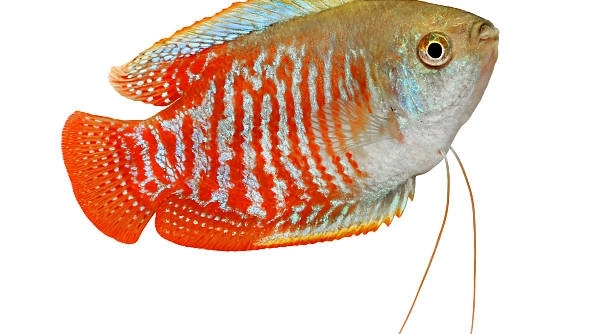
Caring for gouramis can be especially challenging during colder months when their environment changes. Adjusting their habitat, diet, and overall care is important to keep them healthy and comfortable throughout the winter season.
Gouramis require stable water temperatures, proper nutrition, clean tanks, adequate hiding spaces, gentle lighting, oxygen-rich water, and minimal stress during cold months. Ensuring these factors helps maintain their immune system, behavior, and overall well-being.
Even small adjustments in your aquarium routine can make a big difference for your gourami’s winter health and happiness.
Maintaining Stable Water Temperature
Cold months can quickly lower the temperature in your aquarium, which affects gouramis more than you might expect. These fish thrive in water between 75 and 82°F. Even small fluctuations can stress them, weaken their immune systems, and make them more prone to disease. Using a reliable heater and a thermometer is essential. Place the heater in an area with good water circulation to ensure even heating. Avoid placing the tank near drafty windows, doors, or vents, as sudden temperature drops can be harmful. Covering the tank loosely at night can also help maintain warmth. Gradual adjustments are better than sudden changes, as gouramis respond poorly to shocks. Even if the room seems warm, the water temperature can differ. Monitoring daily, especially during the night when the room cools, ensures a safe environment. Consistency is key to keeping your gourami active and healthy throughout winter months.
Maintaining proper water temperature prevents stress and disease, keeping gouramis healthy and active.
Regular checks and a consistent routine ensure that your gourami stays comfortable. Simple steps like proper heater placement and covering the tank at night make a noticeable difference. Even small fluctuations can have long-term effects, so vigilance is essential for their well-being.
Proper Nutrition During Cold Months
Gouramis tend to eat less when the water is cooler, but nutrition remains critical for their health. A varied diet of high-quality flakes, pellets, and occasional live or frozen foods helps maintain energy and immune function. Avoid overfeeding, as leftover food can pollute the water, causing stress and illness. Feed smaller portions multiple times a day rather than a single large meal. Including foods rich in vitamins, like spirulina or brine shrimp, supports their health during colder months. Monitoring their appetite daily is important; a decrease can signal stress or temperature-related issues. Adjust the diet according to water temperature and fish activity, offering more nutrient-dense foods when they are less active. Avoid sudden changes in diet, as gouramis may reject unfamiliar foods. By paying attention to feeding habits and ensuring a balanced diet, you help your gouramis maintain strength, coloration, and vitality, even in winter conditions.
Feeding smaller, balanced meals keeps gouramis healthy and prevents water contamination during cold months.
A consistent diet with nutrient-rich foods supports immune function, energy levels, and vibrant coloration. Monitoring their appetite and adjusting portions prevents overfeeding and keeps the tank clean, which directly contributes to long-term health and overall comfort.
Clean and Well-Maintained Tank
Regular cleaning is essential to keep gouramis healthy, especially during colder months when waste can accumulate faster. Removing uneaten food and debris prevents harmful bacteria from building up.
A clean tank reduces stress and disease risks. Change 20-25% of the water weekly and vacuum the substrate to remove detritus. Check filters regularly and rinse them in tank water instead of tap water to preserve beneficial bacteria. Algae buildup should also be controlled, but avoid over-scrubbing decorations, which can remove useful biofilm. Maintaining stable water parameters through regular testing ensures a safe environment for gouramis.
Keeping the tank clean supports overall health and encourages normal behavior. A routine that combines water changes, substrate cleaning, and filter maintenance reduces stress, prevents infections, and keeps your gourami active. Consistency in these tasks is more effective than occasional deep cleaning.
Adequate Hiding Spaces
Gouramis feel safer with places to hide, which reduces stress during cold months. Plants, caves, and decorations provide shelter.
Hiding spots allow gouramis to retreat and feel secure, reducing aggressive interactions and stress. Use live plants or ornaments to create natural barriers, ensuring that each fish has access to at least one retreat. Space should allow easy swimming while offering cover. Dense plant areas near the surface mimic their natural environment, giving them comfort. Avoid overcrowding; too many decorations can limit movement and increase tension. Even simple structures, like a small clay pot or a PVC tube, can serve as effective shelters. Providing multiple hiding options also encourages exploration and natural behaviors, which keeps your gourami active. Regularly inspect these areas to ensure they remain clean and free from sharp edges or debris that could harm the fish. A well-structured environment supports physical health and mental well-being throughout colder months.
Gentle Lighting
Gouramis are sensitive to strong lighting, which can stress them in colder months. Soft, diffused light mimics their natural environment and keeps them calm.
Using a timer helps maintain a consistent day-night cycle. Around 8–10 hours of light per day is sufficient, preventing overexposure while supporting plant growth.
Oxygen-Rich Water
Cold water holds more oxygen, but stagnant areas can reduce availability. Proper aeration through gentle filters or air stones ensures your gouramis can breathe comfortably. Maintaining water movement also helps prevent debris buildup and supports overall tank health.
Minimal Stress
Limit sudden changes in the tank environment, like moving decorations or adding new fish, during winter months. Stability helps gouramis maintain immunity and reduces aggressive behavior.
Regular Observation
Watching your gouramis daily allows you to notice subtle changes in behavior or appearance. Early detection of issues helps prevent serious health problems.
FAQ
How do I know if my gourami is stressed during cold months?
Stress in gouramis can show in several ways. They may hide more than usual, swim sluggishly, lose appetite, or display faded colors. Rapid gill movement or erratic swimming can also indicate stress. Observing their normal behavior during warmer months can help you identify any unusual changes. Maintaining consistent water temperature, adequate hiding spots, and gentle lighting reduces stress.
Can gouramis survive in temperatures below 75°F?
Gouramis can tolerate slightly cooler water, but prolonged exposure below 75°F weakens their immune system. Their metabolism slows down, which can reduce appetite and make them more prone to disease. Using a reliable heater and monitoring daily ensures they remain in a safe temperature range. Small fluctuations are less harmful than sudden drops.
How often should I feed my gourami in winter?
During colder months, gouramis eat less. Offering smaller portions two to three times a day is ideal. Avoid overfeeding because leftover food can pollute the water. Focus on nutrient-rich flakes, pellets, or occasional frozen foods to maintain their energy and health.
Is it necessary to use a heater in winter?
Yes, a heater is essential for maintaining stable water temperatures. Even if room temperatures are moderate, water can drop significantly at night. Gradual, consistent heating helps prevent stress and supports proper digestion and immune function. Ensure the heater is placed in an area with good circulation.
How do I maintain water quality during cold months?
Regular water changes of 20–25% per week help maintain water quality. Vacuum the substrate to remove uneaten food and debris. Rinse filters in tank water instead of tap water to preserve beneficial bacteria. Testing pH, ammonia, nitrite, and nitrate levels ensures a healthy environment.
Can gouramis live with other fish in winter?
Yes, but only with compatible species. Avoid aggressive fish or those that thrive in higher temperatures. Providing adequate hiding spaces and monitoring interactions helps prevent stress. Stability and careful selection of tank mates are essential for peaceful cohabitation during colder months.
How do I prevent diseases in winter?
Preventing disease starts with maintaining clean water, proper temperature, and good nutrition. Avoid sudden changes in diet or environment. Quarantine new fish before introducing them to the tank. Early detection of symptoms, such as spots, fin damage, or unusual swimming, allows for timely treatment.
Are live plants beneficial in winter?
Yes, live plants provide hiding spaces, improve water quality, and create a more natural environment. They also help reduce stress and encourage normal behavior. Choose hardy species that can tolerate lower light and stable water temperatures. Regular trimming and maintenance keep them healthy.
What should I do if my gourami stops eating?
A temporary loss of appetite can occur if water is too cold or stress is present. Ensure the temperature is stable and feeding portions are small. Offer nutrient-rich foods or live/frozen options to entice them. Persistent refusal may indicate illness, requiring water testing and careful observation.
How important is tank size in winter care?
Adequate tank size ensures stable water parameters and reduces stress. Overcrowded tanks lead to poor water quality and aggressive behavior. Each gourami should have enough space to swim freely while having access to hiding spots. Proper tank management supports health and comfort during cold months.
Can I use decorations to help my gourami feel secure?
Yes, decorations like caves, rocks, and plants provide safe spaces. They reduce stress and encourage natural behavior. Ensure they do not overcrowd the tank or obstruct swimming areas. Regularly inspect decorations to prevent sharp edges or buildup of debris that could harm your fish.
How often should I check water parameters in winter?
Daily monitoring is recommended, especially for temperature. Weekly testing for pH, ammonia, nitrite, and nitrate ensures stable water conditions. Consistent checks prevent problems before they become serious, helping your gouramis remain healthy and active throughout colder months.
Is gentle lighting really necessary in winter?
Yes, strong light can stress gouramis. Soft, diffused light mimics natural conditions, reducing anxiety and supporting regular behavior. Using a timer for 8–10 hours a day keeps a consistent day-night cycle. Proper lighting also benefits live plants in the aquarium.
Can I reduce maintenance tasks in winter?
Maintenance should remain consistent. Water changes, substrate cleaning, and filter checks prevent buildup of waste and harmful bacteria. Skipping tasks can lead to stress, disease, and poor water quality. A steady routine supports a healthy environment for gouramis during colder months.
How do I handle sudden cold spells?
Avoid sudden drops in water temperature by using a reliable heater and insulating the tank if needed. Covering the tank at night helps maintain warmth. Gradual adjustments are safer than sudden changes, protecting gouramis from stress and potential illness.
Are frozen or live foods better in winter?
Both are beneficial. Frozen or live foods provide nutrients and variety, encouraging appetite when metabolism slows. Feed in small portions to avoid water pollution. High-quality flakes or pellets remain the base of their diet, complemented by occasional protein-rich treats.
What signs indicate a serious health problem?
Persistent loss of appetite, rapid gill movement, clamped fins, unusual swimming, spots, or bloating are warning signs. Early detection allows for timely treatment, preventing disease spread and ensuring your gouramis remain healthy throughout winter.
How long should I keep the heater on?
The heater should remain on 24/7 during cold months. Consistent temperature prevents stress and supports digestion and immunity. Using a reliable thermometer ensures accurate monitoring, avoiding harmful fluctuations that could affect your gouramis’ well-being.
Can water movement affect my gourami in winter?
Gentle water movement ensures oxygen distribution and prevents debris accumulation. Strong currents can stress gouramis, so use a filter or air stone that provides moderate flow. Proper circulation supports health without creating unnecessary pressure or fatigue.
Is it necessary to quarantine new fish in winter?
Yes, quarantine prevents introducing diseases or parasites into a stable tank environment. Observe new fish for at least two weeks, ensuring they are healthy before introducing them. This step is critical to maintaining a safe and stress-free environment for existing gouramis.
How do I balance temperature, diet, and stress simultaneously?
Maintaining stable water temperature, feeding small nutrient-rich meals, and providing hiding spaces together reduces stress. Daily observation and gradual adjustments help identify issues early. Consistency in care ensures gouramis remain healthy, active, and comfortable during colder months.
Caring for gouramis during cold months requires attention to several important factors. Their health and behavior are strongly influenced by water temperature, nutrition, and tank environment. Stable water temperature is essential because sudden drops or fluctuations can stress gouramis and weaken their immune systems. Using a reliable heater and monitoring the temperature regularly helps keep them comfortable. Proper diet also plays a key role. Feeding smaller, nutrient-rich portions ensures that gouramis maintain energy levels even when their metabolism slows in cooler water. Avoid overfeeding, as leftover food can pollute the tank and cause additional stress. Maintaining a clean tank with regular water changes, filter maintenance, and substrate cleaning prevents the buildup of harmful bacteria and keeps water parameters stable, which further supports their health.
Creating a comfortable environment inside the tank is equally important. Gouramis need hiding spaces, like plants, caves, or decorations, to feel secure. These areas reduce stress, prevent aggressive interactions, and allow them to retreat when needed. Lighting should also be soft and consistent, simulating a natural day-night cycle. Gentle water movement ensures oxygen is evenly distributed without causing unnecessary strain. Observing your gouramis daily allows you to notice changes in behavior, appetite, or appearance that may indicate stress or illness. Early detection is vital because it allows you to make adjustments to their environment, diet, or care routine before problems worsen. Even small details, such as maintaining plant health or checking decorations for sharp edges, contribute to a safe and supportive habitat.
Consistent and careful care is the key to helping gouramis thrive during winter months. Reducing stress, maintaining proper temperature, offering a balanced diet, and providing clean, safe water all work together to support their overall well-being. Following these practices not only keeps your gouramis physically healthy but also encourages natural behavior and activity. Paying attention to their needs and making small, gradual adjustments helps prevent illness and keeps your aquarium stable. By prioritizing their comfort and health, you create an environment where your gouramis can stay strong, active, and visually vibrant throughout the colder season. These consistent efforts ensure that even in winter, your gouramis enjoy a safe, balanced, and well-maintained habitat.

Hello,
If you enjoy the content that we create, please consider saying a "Thank You!" by leaving a tip.
Every little bit helps us continue crafting quality advice that supports the health, happiness, and well-being of pets around the world, for pets of all shapes, sizes, and species.
We really appreciate the kindness and support that you show us!