
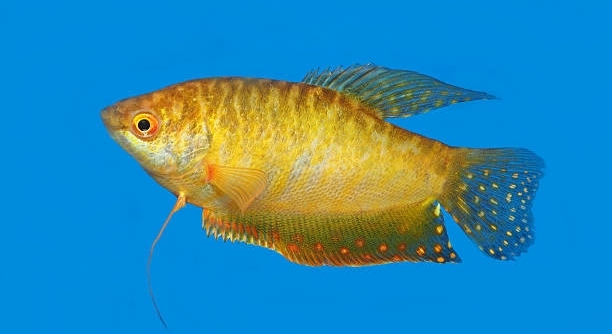
Have you ever noticed how your gourami reacts when you approach its tank or speak softly nearby? Observing their behavior can be surprisingly engaging, revealing patterns that hint at more than just instinctive responses. Their movements may reflect awareness of the surrounding environment.
Research suggests that gouramis can exhibit changes in behavior in response to human presence and emotional cues. While not fully understood, these fish may react to tone, movement, and body language, indicating a form of sensitivity to humans.
Understanding these subtle interactions can improve how we care for our fish, creating a more harmonious environment in home aquariums. Recognizing these signs enhances both fish welfare and owner experience.
How Gouramis Sense Their Environment
Gouramis are known for their keen awareness of their surroundings. They rely heavily on vision and lateral line systems, which help detect movement and vibrations in the water. This means they can notice when someone approaches the tank or moves near it. Their behavior changes depending on external stimuli. For instance, sudden movements or loud noises may cause them to hide or swim quickly. Conversely, calm, steady actions can make them appear more comfortable and exploratory. Some gouramis may even follow a hand along the glass or respond when their owners speak softly. These responses suggest that gouramis are not just reacting randomly but are processing signals from their environment. Regular interaction, gentle movements, and observing their routine can help you understand their patterns better. Over time, you may notice specific behaviors linked to certain actions, indicating they recognize repeated patterns and perhaps even associate them with safety or attention.
Observing these small reactions daily can help predict how gouramis will behave in different situations.
Being aware of these responses allows for better tank management. Adjusting lighting, noise, and activity around the aquarium improves their comfort and reduces stress. Gouramis respond positively to consistent, gentle interaction, which can help establish trust over time. Understanding their cues ensures a calmer and healthier environment.
Emotional Sensitivity in Gouramis
Gouramis can display subtle behavioral changes in response to human emotions.
Studies suggest that these fish may sense variations in tone, pace, and body language, which influence their activity. For example, a calm, slow approach may encourage them to explore, while sudden movements or loud voices can trigger hiding. They may mirror stress or relaxation, showing altered swimming patterns, fin movements, or changes in feeding behavior. This sensitivity may not be fully conscious, but it indicates an ability to react to environmental cues linked to emotional states. Regularly observing these patterns provides insight into their comfort level and can guide handling methods. Even minor changes in the tank routine, like rearranging decorations or introducing new companions, can provoke noticeable responses, reflecting their attentiveness. Over time, understanding these reactions allows for improved care practices, creating a more stable, engaging environment that aligns with their natural instincts. Recognizing these subtle cues is key to fostering well-being and minimizing stress in home aquariums.
Recognizing Stress in Gouramis
Stress in gouramis often shows through changes in behavior and appearance. Rapid swimming, hiding, or loss of appetite are common indicators. Color fading and clamped fins may also occur. Monitoring these signs helps address environmental or emotional triggers promptly.
Stress can stem from many factors, including water quality, tank size, or sudden changes in lighting and temperature. Gouramis are sensitive to overcrowding and aggressive tank mates, which can heighten anxiety. Consistent feeding schedules and a calm environment reduce stress levels. Observing interactions between fish and their surroundings helps identify potential stressors, ensuring timely adjustments to maintain their health and comfort.
Behavioral cues such as lethargy or sudden bursts of activity can provide insight into a gourami’s emotional state. By noting these patterns, you can make subtle changes that improve their overall well-being. Creating hiding spots and minimizing disturbances supports a stable, low-stress environment, allowing gouramis to thrive.
Positive Human Interaction
Gentle interaction with gouramis can enhance their comfort and responsiveness. Talking softly or approaching slowly encourages exploration and engagement.
Regular observation and consistent routines strengthen familiarity, making gouramis more confident in their environment. Even small gestures, like moving near the tank without sudden movements, can result in noticeable responses. Over time, these fish may anticipate feeding or respond to presence, indicating recognition. A calm, predictable environment reduces anxiety, fostering natural behaviors. Attention to their reactions allows for adjustments that improve overall care, including water maintenance, lighting, and tank arrangement. Establishing these routines benefits both the fish’s health and the ease of management for the keeper.
Observing Feeding Behavior
Gouramis often show excitement or increased activity when it is feeding time. They may swim toward the surface or follow movement near the tank. Recognizing these patterns helps gauge their mood and overall health.
Consistent feeding schedules also create a sense of security. Gouramis adapt quickly to routine and may even anticipate meals. Changes in appetite or disinterest can signal stress, illness, or environmental issues. Paying attention to these subtle behaviors allows timely adjustments, supporting both emotional and physical well-being. Understanding feeding reactions enhances the connection between caretaker and fish while promoting healthier habits.
Responses to Human Presence
Gouramis respond differently depending on how humans interact with their tank. Sudden movements can startle them, while calm gestures often encourage exploration. Observing these reactions helps refine care routines and improves their comfort level in home aquariums.
They may swim closer when approached slowly or linger near a familiar person. Over time, gouramis can associate gentle presence with feeding or safety. This behavior suggests a level of recognition and adaptability to human interaction. Respecting their pace and maintaining predictable actions fosters a more relaxed environment, reducing stress and encouraging natural behaviors. These responses reveal their attentiveness and subtle emotional awareness.
Tank Environment and Comfort
A well-structured tank with plants, hiding spots, and gentle water flow promotes comfort. Gouramis thrive in stable, enriched surroundings that reduce stress.
How can I tell if my gourami is stressed?
Signs of stress in gouramis include rapid or erratic swimming, hiding frequently, or a decrease in appetite. Faded colors, clamped fins, or unusual aggression can also indicate discomfort. Monitoring these behaviors daily helps identify potential issues in the tank environment or interactions with other fish.
What are common causes of stress in gouramis?
Stress can result from poor water quality, sudden temperature changes, overcrowding, or incompatible tank mates. Loud noises or frequent disturbances near the tank may also trigger anxiety. Providing a stable, calm environment and addressing water parameters promptly can prevent stress from escalating.
Do gouramis react to my presence?
Yes, gouramis often respond to human presence. Slow, calm movements can encourage exploration, while sudden gestures may startle them. Over time, they may learn to recognize familiar caretakers and associate them with feeding or safety, showing a form of behavioral recognition.
Can gouramis sense my emotions?
Gouramis may respond to the tone, pace, and energy of human interaction. While they may not understand emotions like humans, they can react to stress or calmness, altering swimming patterns, fin movements, or feeding behavior accordingly. Observing these responses helps tailor care practices.
How should I interact with my gourami for the best results?
Approach the tank slowly and maintain a consistent routine. Speak softly if desired and avoid sudden movements. Providing a predictable environment, along with gentle gestures, helps gouramis feel secure and encourages natural behaviors, reducing stress.
What role does tank setup play in their behavior?
A well-structured tank with plants, hiding spots, and gentle water flow creates a comfortable environment. Gouramis use these features to regulate stress and establish territories. Proper setup supports emotional and physical health, helping them respond positively to human interaction.
How do feeding habits reflect their mood?
Gouramis often show excitement during feeding, swimming toward the surface or following movement around the tank. A strong appetite typically indicates comfort, while disinterest or refusal to eat may signal stress, illness, or environmental issues, offering insight into their emotional state.
Is it normal for gouramis to hide frequently?
Hiding is normal if it occurs occasionally, especially during rest or when adjusting to a new environment. Persistent hiding may indicate stress, illness, or discomfort. Observing patterns and ensuring proper tank conditions helps distinguish normal behavior from concerning signs.
Can I improve their response to me over time?
Yes, consistent, gentle interaction helps gouramis become more comfortable and responsive. Maintaining predictable routines, minimizing sudden disturbances, and respecting their pace fosters trust and encourages positive behavior, enhancing their overall well-being and engagement in the tank.
Do gouramis show preferences for certain people?
Some gouramis may react more positively to specific individuals based on consistency of care, approach, and presence. While this is not a conscious preference like with mammals, they can recognize patterns and associate them with safety, feeding, or comfort. Observing their reactions allows caretakers to adjust interactions accordingly.
How can I reduce stress during tank maintenance?
Perform maintenance slowly and calmly, avoiding sudden movements or loud noises. Remove decorations or clean areas in stages to minimize disruption. Maintaining regular schedules and stable water conditions ensures the tank remains predictable, helping gouramis remain relaxed and comfortable.
What are long-term benefits of observing their behavior closely?
Monitoring behavioral cues over time improves care, helps identify health or environmental issues early, and strengthens the connection between caretaker and fish. Recognizing patterns allows for proactive adjustments, fostering a stable, low-stress environment where gouramis can thrive physically and emotionally.
Gouramis are more sensitive than many people realize. Their behavior reflects both their environment and interactions with humans. Paying attention to subtle cues, such as swimming patterns, fin movements, or changes in appetite, provides insight into their emotional and physical state. Even small actions, like approaching the tank calmly or maintaining a consistent routine, can influence how comfortable they feel. Observing their reactions over time allows for adjustments that improve their well-being. It also helps in understanding their unique personality traits, as some gouramis may be naturally more curious or cautious than others. Creating an environment that supports their instincts, with plants, hiding spots, and gentle water flow, contributes to a stable and low-stress habitat.
Stress in gouramis often comes from factors that may seem minor to humans but are significant to the fish. Overcrowding, aggressive tank mates, or sudden changes in lighting and temperature can all trigger anxiety. Even inconsistent feeding schedules or loud activity around the aquarium can have an impact. Recognizing signs of stress, such as hiding, rapid swimming, or faded coloration, is essential for maintaining a healthy tank. Adjusting the environment by ensuring clean water, proper temperature, and calm surroundings can reduce anxiety and encourage natural behavior. Regular observation helps identify patterns and potential stressors, making it easier to respond quickly and appropriately. Over time, these adjustments create a more harmonious environment, where gouramis can thrive without unnecessary stress.
Gouramis also show that human interaction can influence their behavior. Calm, gentle movements and consistent routines often encourage exploration and engagement, while sudden gestures may cause fear or avoidance. These responses indicate a level of awareness and adaptability to their environment. Over time, they may even recognize familiar caretakers and associate their presence with feeding or safety. Understanding this connection allows for better care and more rewarding interactions. Observing how gouramis respond to different stimuli, whether it’s a hand near the tank or changes in the surroundings, provides valuable insight into their needs. By paying attention to these subtle behaviors, caretakers can ensure their gouramis are comfortable, healthy, and responsive, creating a positive environment that supports both physical and emotional well-being.

Hello,
If you enjoy the content that we create, please consider saying a "Thank You!" by leaving a tip.
Every little bit helps us continue crafting quality advice that supports the health, happiness, and well-being of pets around the world, for pets of all shapes, sizes, and species.
We really appreciate the kindness and support that you show us!