
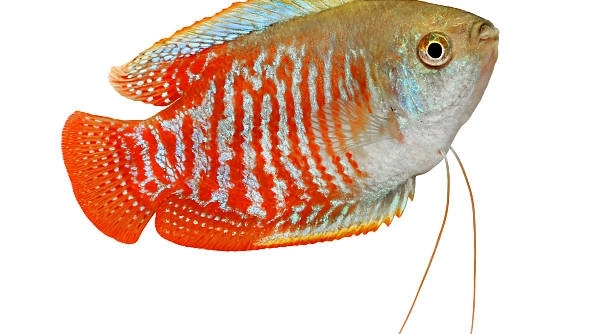
Giant gouramis are fascinating freshwater fish that often display surprising behaviors in home aquariums. Their calm presence and gentle movements make them a popular choice among hobbyists who enjoy observing subtle interactions. They are known for their adaptability.
Giant gouramis can indeed recognize and respond to daily routines. Research indicates that these fish learn patterns related to feeding times, light cycles, and environmental changes, demonstrating cognitive abilities that allow them to anticipate and adjust to predictable events in their habitat.
Observing these patterns can reveal a lot about your fish’s intelligence and comfort. Understanding their routine responses helps ensure a healthier and more engaging aquarium environment.
How Giant Gouramis Recognize Daily Patterns
Giant gouramis are more observant than many assume. Over time, they can learn when feeding occurs and even anticipate changes in their environment, such as light schedules or water adjustments. Their behavior often reflects familiarity with these routines. For instance, they may swim closer to the tank’s front before feeding, demonstrating memory and expectation. Observing these fish during predictable events can be rewarding. They respond not just to feeding but also to subtle cues in their surroundings. This ability to recognize patterns suggests a level of intelligence that many overlook. Repetition strengthens their learning, and consistent care makes these behaviors more reliable. Understanding how giant gouramis perceive time and routine improves interactions and helps maintain their well-being. Regular routines reduce stress and create a more stable habitat, allowing these fish to thrive. By paying attention to small signals, you can gauge their comfort and overall health more effectively.
Recognizing their routine behaviors allows you to adjust care and environment to meet their needs more efficiently.
Routine recognition in giant gouramis reflects a combination of memory, environmental awareness, and learned habits. These fish can identify repeated events, respond to feeding schedules, and even anticipate human interaction. Over time, they adjust swimming patterns and behavior according to consistency in their surroundings. Proper observation enhances tank management. Regular light, feeding, and cleaning schedules make these fish more predictable and less stressed. This behavior demonstrates their cognitive abilities, highlighting their capacity to learn from experience. Paying attention to these patterns strengthens the connection between caretaker and fish while promoting a stable, enriching environment. Understanding these responses ensures that daily care supports both health and mental stimulation, creating a harmonious tank setup.
Benefits of Establishing a Routine
Consistent routines reduce stress in giant gouramis and support their overall well-being. They thrive in predictable conditions and show calmer behavior when care is regular.
Daily routines improve their feeding response, mental engagement, and adaptability. Fish exposed to consistent schedules become more confident in exploring their environment, which reduces aggression and erratic movements. When light, feeding, and water maintenance occur predictably, giant gouramis learn to anticipate changes, leading to less anxiety and more natural behavior. Establishing a routine also allows caretakers to notice subtle health issues early, as deviations from normal patterns can signal illness. For example, a fish that stops responding at usual feeding times may be experiencing stress or health problems. Routine creates a stable environment that benefits both physical health and mental stimulation. Additionally, predictable patterns encourage interactive behaviors and make tank observation more enjoyable. Maintaining consistent schedules for meals, cleaning, and lighting ensures that these intelligent fish remain healthy, alert, and active, allowing their natural personality and intelligence to flourish within the aquarium.
Recognizing Feeding Signals
Giant gouramis quickly learn cues associated with feeding, such as the sound of food hitting water or your presence near the tank. They often swim toward the feeding area, showing clear anticipation of meal times. These responses strengthen over time with consistent care.
Feeding signals are a reliable indicator of their memory and routine recognition. These fish respond not only to the timing of meals but also to environmental cues that repeat daily. Over weeks, giant gouramis can distinguish between human activity patterns and other movements in the room. They often become alert before food appears, demonstrating learned anticipation. This behavior shows cognitive engagement and reflects their ability to connect actions with outcomes. Observing their reactions provides insight into their mental processes and overall comfort in the tank.
Consistency in feeding routines allows giant gouramis to establish trust and stability. Over time, they respond more predictably, reducing stress and promoting healthier behavior. Their anticipation of meals encourages natural activity, including swimming and social interaction within the tank. These patterns also make monitoring their health easier, as deviations in expected behavior may signal issues. Understanding their response to feeding cues enhances the caretaker’s ability to create an environment that supports both physical and mental well-being. Routine feeding is not just about nutrition but also about fostering a structured, engaging habitat.
Environmental Changes and Routine
Giant gouramis react noticeably to consistent environmental changes, such as light shifts or tank rearrangements. Predictable alterations help them adjust and reduce stress effectively. Maintaining steady conditions strengthens their sense of security and comfort within the aquarium.
Gradual and consistent changes in the environment allow giant gouramis to adapt without anxiety. Sudden adjustments, such as rapid temperature shifts or unexpected decoration moves, can disrupt their routine and increase stress. By introducing changes predictably, they learn to anticipate outcomes and adjust behavior accordingly. Their responses include altered swimming patterns, increased exploration, or approaching familiar areas more confidently. Over time, these fish demonstrate clear signs of habituation, showing that they can learn to cope with new stimuli when exposure is controlled. Careful observation of these reactions provides insight into their adaptability and resilience.
Establishing predictable environmental cues strengthens the fish’s routine and enhances their cognitive engagement. They learn to associate specific conditions with safety and food availability, reducing anxiety and promoting regular activity. Controlled exposure to minor changes, such as rearranging plants or adjusting lighting gradually, helps them become more flexible in responding to their surroundings. This approach not only maintains stability but also encourages natural behaviors like swimming patterns, interaction with tank elements, and social engagement with other fish. Recognizing and respecting their ability to adapt reinforces a healthy and stimulating habitat. Consistency in environmental care improves their long-term well-being.
Social Interaction and Routine
Giant gouramis respond to the presence of other fish in predictable ways. They establish territories and social hierarchies, adjusting behavior according to the routines of tank mates.
Interactions with other fish follow daily patterns. Aggression, play, and exploration often occur at similar times, showing their awareness of social cues.
Sleep and Rest Patterns
Giant gouramis exhibit consistent sleep cycles, often resting at night and becoming active during daylight. These patterns are influenced by light schedules, tank environment, and feeding times. Maintaining a stable day-night cycle supports their health, ensuring proper rest and predictable behavior throughout the day.
Observing Stress Indicators
Stress in giant gouramis becomes apparent when routines are disrupted. Changes in appetite, swimming behavior, or interaction with the environment often signal discomfort or illness. Monitoring these indicators helps maintain a stable, healthy habitat for these intelligent fish.
FAQ
How do giant gouramis show they understand a routine?
Giant gouramis demonstrate understanding of routines mainly through predictable behavior. They approach the front of the tank at feeding times, swim in specific areas when lights turn on or off, and adjust movement patterns based on environmental changes. Observing these responses shows their ability to learn and anticipate events.
Can giant gouramis learn new routines?
Yes, they can adapt to new schedules or changes in their environment. Gradual adjustments, like shifting feeding times or introducing new decorations slowly, allow them to recognize the updated pattern without causing stress. Sudden changes may confuse them, so consistency is essential for successful adaptation.
Do they react differently to human presence during feeding?
Giant gouramis often associate humans with food over time. They may swim toward you when you approach the tank or become more active in anticipation. This learned behavior reflects their memory and ability to link specific cues with predictable outcomes.
How important is a stable light cycle?
Maintaining a consistent light and dark schedule supports their daily routine and natural sleep cycles. Predictable lighting helps regulate activity, reduces stress, and promotes healthier behavior. Irregular light changes can disrupt sleep, increase anxiety, and interfere with feeding patterns.
Will routine affect their social behavior?
Yes, routines influence interactions with other fish. Consistent feeding and environmental schedules help reduce aggression and establish predictable social hierarchies. When routines are stable, giant gouramis engage in calmer and more organized social behavior, leading to a balanced tank dynamic.
How can I tell if my fish is stressed due to disrupted routines?
Signs include reduced appetite, erratic swimming, hiding, or decreased interaction with other fish. Monitoring behavior closely allows you to identify issues early and restore a stable routine. Stress often diminishes once consistency in feeding, light, and environmental cues is reestablished.
Is it necessary to feed at the exact same time every day?
Feeding at roughly the same times helps reinforce their routine, though exact timing is less critical. Regularity supports anticipation and comfort, but minor variations do not harm them as long as consistency is maintained overall.
Do routines affect their long-term health?
Consistent routines positively impact physical and mental well-being. Predictable feeding, light cycles, and environmental stability reduce stress, improve digestion, encourage natural activity, and help prevent behavioral or health problems over time. Routine contributes significantly to a stable, thriving aquarium environment.
Can giant gouramis remember multiple routines simultaneously?
Yes, they can recognize different patterns, such as feeding, light changes, and environmental cues, simultaneously. Their cognitive ability allows them to anticipate multiple aspects of daily life, demonstrating flexibility and learning capacity. This makes them more responsive and engaged in a structured tank.
How quickly do they learn a new routine?
The learning pace varies by individual, but most giant gouramis show noticeable adaptation within a few weeks. Gradual repetition strengthens memory, while abrupt changes may slow adjustment. Patience and consistency are key to establishing a reliable routine without causing stress.
Do routines influence their feeding efficiency?
Yes, fish that follow consistent schedules often feed more efficiently. They anticipate food, reduce competition stress, and engage in calmer, more organized feeding behavior. Routine encourages natural foraging habits, which supports digestion and overall health.
Are there routines beyond feeding that benefit giant gouramis?
Yes, light schedules, water maintenance, and environmental stability all contribute to their routine. Predictable tank cleaning, plant care, or decor changes help fish feel secure, supporting natural activity and reducing stress while reinforcing learned behaviors and memory.
How do routines help detect health problems?
Regular observation of behavior within established routines makes it easier to notice abnormalities. Deviations from normal swimming, appetite, or social patterns can signal illness early, allowing timely intervention and better overall care.
Do giant gouramis respond to auditory cues?
They can associate sounds, like tapping or movements near the tank, with feeding or activity. These learned responses reflect their ability to detect and anticipate events, showing memory and cognitive awareness.
Can inconsistent routines cause long-term stress?
Repeated disruption of feeding, light cycles, or environmental conditions can elevate stress levels, leading to behavioral issues and reduced immunity. Maintaining predictable patterns is crucial for sustaining their physical and mental health over time.
Are some routines more important than others?
Feeding and light cycles are most critical, followed by environmental stability and social consistency. While minor variations in decor or minor schedule adjustments are manageable, core routines strongly influence comfort and well-being.
How can I introduce a new routine without stressing my fish?
Gradually implement changes in small steps. For feeding, shift times slowly over several days. For environment, move decorations incrementally. Consistency and patience allow giant gouramis to learn and adjust without undue stress, maintaining calm behavior.
Does routine affect their activity level during the day?
Yes, predictable routines regulate daily activity. Fish become more active during expected feeding and exploration times and rest during consistent dark periods. Structured schedules encourage natural swimming patterns and energy balance throughout the day.
Can they anticipate water maintenance routines?
Over time, giant gouramis may associate cleaning or water changes with specific outcomes, such as temporary disturbance or feeding afterward. Recognizing these patterns reduces stress and allows them to adapt calmly to necessary maintenance activities.
Do routines influence reproductive behavior?
For breeding, predictable environmental and feeding schedules enhance comfort and readiness. Stability supports natural courtship behavior, reduces stress, and increases the likelihood of successful spawning in a home aquarium.
How do I track routine effectiveness?
Observing consistency in behavior, appetite, and activity levels indicates whether routines are effective. Calm, predictable responses show they understand and benefit from established patterns, while irregular or stressed behavior signals adjustments may be needed.
Do routines need adjustment as fish grow?
Yes, as giant gouramis grow, feeding amounts, tank space, and social interactions may require changes. Gradual adjustments maintain consistency while accommodating developmental needs, ensuring continued comfort and health throughout their life stages.
Are routines more important for single fish or groups?
Both benefit from structure, but groups may experience reduced aggression and better social balance when routines are consistent. Individual fish also thrive with predictable feeding and environmental cues, so routine supports all tank setups.
Do giant gouramis recognize weekend or irregular schedules?
They may notice deviations from typical patterns but adjust gradually if changes are minor. Over time, predictable routines, even with occasional variation, help them maintain stability and reduce stress.
Can routines enhance interaction with caretakers?
Yes, fish that recognize feeding or care schedules respond more actively to human presence. They show anticipation, increased movement, and engagement, making observation and interaction more rewarding while reinforcing learned routines.
How long should a daily routine be?
There’s no strict duration; what matters is consistency. Feeding, lighting, and environmental care should follow predictable patterns throughout the day, creating a stable habitat that aligns with their natural behavior and needs.
Do routines affect their mood or temperament?
Yes, structured routines reduce anxiety and promote calm behavior. Fish display more natural activity, explore confidently, and interact predictably with tank mates, demonstrating the positive impact of a well-maintained routine on temperament.
How can I reinforce a positive routine?
Consistency, patience, and observation are key. Stick to feeding schedules, maintain stable environmental conditions, and monitor behavior. Positive reinforcement comes naturally as fish learn to anticipate events and thrive in a structured, predictable habitat.
Is it possible to over-structure their routine?
Excessive rigid schedules can limit natural exploration or social interaction. Balance is essential—establish key routines for feeding, lighting, and environment while allowing some flexibility for natural behavior and enrichment activities.
How do routines influence learning capacity?
Regular routines strengthen memory and anticipation, supporting the fish’s ability to learn new behaviors. Predictable patterns reinforce cognitive skills, improving response to environmental cues and enhancing overall intelligence and engagement.
Can routines improve overall tank management?
Yes, routines make feeding, cleaning, and observation more efficient. Predictable fish behavior allows for easier monitoring of health, activity, and social interactions, resulting in a stable and well-maintained aquarium ecosystem.
Final Thoughts
Giant gouramis are more intelligent and perceptive than many people realize. Their ability to recognize routines shows a level of awareness that is often underestimated in fish. Observing them over time reveals clear patterns in behavior, especially around feeding, light cycles, and environmental changes. These fish respond to predictability, which helps them feel secure and reduces stress in their tank environment. Even simple daily routines, such as feeding at roughly the same time each day, can make a significant difference in their comfort and overall well-being. Consistent care encourages natural behaviors and allows the fish to demonstrate their cognitive abilities.
Maintaining stable routines is not only beneficial for the fish but also helps caretakers provide better care. By establishing predictable schedules for feeding, cleaning, and lighting, you create a sense of stability that giant gouramis respond to positively. Observing their reactions to these routines allows you to notice subtle changes in behavior that could indicate stress or illness. Fish that follow regular routines tend to display calmer, more confident behavior and are easier to manage in a home aquarium. Their ability to anticipate events, such as the arrival of food or the start of a cleaning session, demonstrates that their memory and learning skills are stronger than often assumed. These routines also improve social interactions with other fish in the tank, helping to establish predictable hierarchies and reduce conflict.
Understanding and respecting their need for routine ultimately leads to a healthier and more engaging aquarium environment. Predictable schedules encourage activity, exploration, and proper rest while providing caretakers with a clearer sense of the fish’s habits and needs. Gradual adjustments to routines, when necessary, help giant gouramis adapt without stress, further highlighting their capacity for learning and memory. Observing these behaviors creates a more connected and satisfying experience with your aquarium, allowing you to appreciate the intelligence and adaptability of your fish. By prioritizing consistency and structure in care, you support their mental and physical health, creating a thriving habitat where giant gouramis can live comfortably and exhibit natural behavior throughout their lives.

Hello,
If you enjoy the content that we create, please consider saying a "Thank You!" by leaving a tip.
Every little bit helps us continue crafting quality advice that supports the health, happiness, and well-being of pets around the world, for pets of all shapes, sizes, and species.
We really appreciate the kindness and support that you show us!