
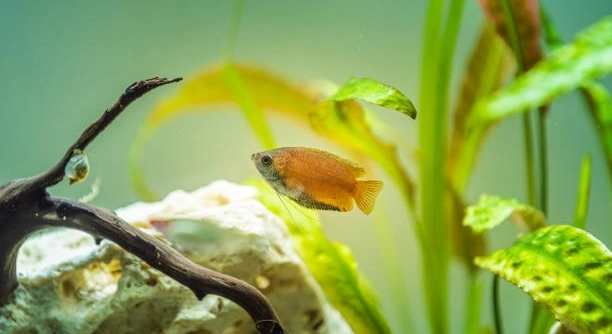
Giant gouramis are gentle and fascinating fish, but they can experience stress more easily than many other aquarium species. Their health and behavior often reflect their environment, feeding habits, and the care they receive from their owners.
Stress in giant gouramis is typically triggered by factors such as poor water quality, overcrowding, sudden changes in temperature, insufficient hiding spaces, improper diet, aggressive tank mates, and excessive handling. Addressing these elements is essential to maintain their overall well-being.
Recognizing these stressors early can help you create a calmer, healthier environment for your giant gouramis and support their long-term happiness.
Poor Water Quality
Maintaining clean water is essential for giant gouramis. Dirty or unbalanced water can stress them quickly, affecting both their health and behavior. High levels of ammonia, nitrites, or nitrates can irritate their gills and skin, leading to lethargy or loss of appetite. Regular water testing and partial water changes keep their tank stable. Filtration systems help remove debris and harmful chemicals, ensuring a consistent environment. Sudden shifts in pH or hardness can also shock them, so gradual adjustments are necessary. Avoid overfeeding, as leftover food can decay and pollute the water, creating additional stress. Observing your fish daily allows you to notice early signs of discomfort, such as unusual swimming patterns or hiding more than usual. Clean decorations, plants, and substrate also contribute to healthier water conditions. A well-maintained tank reduces stress and supports natural behaviors, promoting growth and longevity. Proper aeration and temperature control further enhance their comfort in the aquarium.
Poor water conditions can lead to disease and weaker immunity, making your giant gouramis more vulnerable to stress.
Consistent care and monitoring are key. Performing weekly water tests, changing 25-30% of water regularly, and cleaning filters prevent harmful buildup. Introducing plants or hiding spots can buffer minor water fluctuations and provide comfort. Avoid overcrowding, as too many fish can increase waste and stress levels. By observing behavior and maintaining stable conditions, your giant gouramis can thrive in a healthier, calmer environment.
Overcrowding
Too many fish in a tank can make giant gouramis anxious and aggressive. Space is crucial for their comfort and growth.
Overcrowding increases competition for food, oxygen, and hiding places. It can cause aggression among fish, leading to injuries or prolonged stress. High density also accelerates waste accumulation, degrading water quality faster. Each giant gourami needs enough room to swim freely and establish its territory. Adequate space reduces territorial disputes and allows them to exhibit natural behaviors. Choosing the right tank size and limiting the number of fish helps maintain a balanced ecosystem. In addition, carefully selecting compatible tank mates can prevent conflicts and create a calmer environment. Overcrowding not only stresses your fish but can compromise their immune system, making them more prone to infections. Ensuring sufficient space, hiding spots, and swimming areas promotes a healthier and happier aquatic environment. Regular observation will help you notice if the tank has reached its capacity before problems arise.
Managing tank population is critical for their long-term health and behavior stability.
A well-planned aquarium considers both the number and size of fish. Large tanks with proper filtration are ideal for giant gouramis, especially as they grow quickly. Providing visual barriers and decorations helps reduce aggression in crowded areas. Consistent feeding and monitoring water parameters further minimize stress caused by high fish density. Planning ahead and adjusting the tank setup as fish grow keeps your gouramis comfortable and reduces potential conflicts.
Sudden Temperature Changes
Giant gouramis are sensitive to rapid shifts in water temperature. Sudden changes can shock their system, causing stress and weakened immunity.
Maintaining a stable temperature is essential for their health. Abrupt drops or spikes in water temperature can lead to lethargy, loss of appetite, or unusual swimming patterns. Using a reliable heater and thermometer ensures consistency. Avoid placing the tank near drafts, windows, or heating vents. Gradual adjustments are safer when changes are necessary. Monitoring water daily allows you to notice small fluctuations before they become harmful.
Temperature stress can also make giant gouramis more prone to infections. Consistent care, proper heating, and careful placement of the tank prevent unnecessary discomfort. Ensuring water stays within a suitable range keeps your fish active and comfortable.
Aggressive Tank Mates
Some fish can intimidate or attack giant gouramis, causing continuous stress.
Aggressive tank mates increase tension and trigger defensive behaviors. Territorial disputes and bullying affect both feeding and overall health. Choosing compatible species helps maintain a peaceful environment. Observing interactions regularly prevents injuries.
Stress from aggressive neighbors can reduce growth and immunity. Providing hiding spots and adequate space allows your gouramis to retreat safely. Selecting calm, non-territorial fish minimizes conflict. Adjusting tank composition or separating aggressive individuals ensures harmony. Keeping a balanced community reduces stress and supports natural behavior, allowing your giant gouramis to thrive without constant threats or fear in their environment.
Improper Diet
Feeding giant gouramis the wrong food can stress them and affect their health. A balanced diet is crucial for growth and vitality.
Avoid overfeeding or offering only one type of food. Providing a mix of pellets, vegetables, and occasional live food keeps them healthy and reduces stress.
Lack of Hiding Spaces
Giant gouramis need places to retreat and feel secure. Open tanks without shelter make them anxious.
Adding plants, rocks, or decorations gives them areas to hide and rest. Hiding spaces reduce stress and help them feel safe, supporting normal behavior and comfort in the tank.
Excessive Handling
Handling giant gouramis too often can be stressful and harmful.
Frequent touching or netting can damage their protective slime coat and increase anxiety. Minimizing direct contact preserves their health and prevents unnecessary stress, allowing them to remain calm and thrive in their environment.
FAQ
What are the main signs that a giant gourami is stressed?
Stressed giant gouramis often show changes in behavior. They may hide more, swim erratically, or stay at the surface. Loss of appetite, rapid gill movement, or faded colors are also common indicators. Observing your fish regularly helps identify stress before it becomes serious.
How often should I test my tank water?
Testing water at least once a week is ideal. Monitoring pH, ammonia, nitrite, and nitrate levels ensures the environment stays safe. Frequent testing helps catch small issues before they cause stress or illness. Water changes and filtration adjustments can be made as needed.
Can tank decorations reduce stress?
Yes, providing plants, rocks, or caves gives giant gouramis places to hide and rest. These spaces help them feel secure and reduce anxiety. Hiding spots also allow for natural behaviors, improving overall comfort and lowering stress levels.
Is tank size important for reducing stress?
Absolutely. Giant gouramis need enough space to swim and establish territory. Overcrowding increases tension, aggression, and waste accumulation. A larger tank with proper filtration creates a stable environment and promotes calmer behavior.
What foods are best for keeping giant gouramis healthy?
A balanced diet including high-quality pellets, fresh vegetables, and occasional live food supports growth and immunity. Avoid overfeeding or feeding only one type of food. Rotating diet options reduces stress and keeps them active and vibrant.
How should I introduce new tank mates?
Introducing new fish slowly helps reduce stress. Quarantine newcomers for at least two weeks to prevent disease. Gradually acclimating them to water conditions and observing interactions prevents aggression and tension in the tank.
Does water temperature affect stress levels?
Yes, sudden changes in temperature can shock giant gouramis. Maintaining a stable temperature within their preferred range prevents lethargy, appetite loss, and health issues. Using a reliable heater and thermometer helps keep the water consistent.
How often should I clean the tank?
Regular cleaning prevents harmful buildup that stresses fish. Partial water changes weekly or biweekly and cleaning the substrate, filters, and decorations reduce toxins. Avoid removing all water at once, as sudden changes can harm your gouramis.
Can handling stress be reduced?
Minimize direct handling to protect their slime coat and prevent anxiety. Only use nets when necessary, such as during tank maintenance or medical treatment. Gentle handling and limiting contact reduce stress and promote long-term well-being.
What should I do if my giant gourami shows signs of stress?
First, check water quality, temperature, and tank conditions. Ensure they have enough space, hiding spots, and a balanced diet. Remove aggressive tank mates if necessary. Observing changes closely and making gradual adjustments helps restore comfort and reduces stress effectively.
How does overcrowding impact health?
Overcrowding increases aggression and competition for food and oxygen. Waste accumulates faster, leading to poor water quality. Each giant gourami needs sufficient space to swim and feel secure. Proper tank size and limited fish numbers prevent stress-related health problems.
Can stress lead to disease in giant gouramis?
Yes, prolonged stress weakens their immune system, making them more vulnerable to infections. Maintaining a stable environment, balanced diet, and peaceful tank mates lowers the risk of stress-related illness. Preventive care is crucial for long-term health.
How can I prevent stress when cleaning the tank?
Clean gradually and avoid removing all water at once. Use gentle handling and ensure the fish have hiding places during maintenance. Keeping water parameters stable throughout cleaning reduces unnecessary anxiety and maintains comfort.
Is it normal for giant gouramis to hide a lot?
Occasional hiding is normal, but excessive retreating can indicate stress. Lack of hiding spots, aggressive tank mates, or poor water quality often causes this behavior. Providing adequate shelter and monitoring interactions improves comfort and reduces hiding tendencies.
What role does lighting play in stress levels?
Bright or inconsistent lighting can make giant gouramis anxious. Using a regular day-night cycle and avoiding direct sunlight prevents overstimulation. Dim areas or shaded sections in the tank help them feel secure and reduce stress.
How can I tell if tank mates are causing stress?
Look for signs like aggression, chasing, or constant hiding. Conflicts over territory or food indicate stress. Separating aggressive fish or adding more space and hiding spots helps restore calm and ensures peaceful coexistence.
Do giant gouramis get stressed by sudden movements outside the tank?
Yes, rapid movement or tapping on the glass can frighten them. Keeping the environment calm and avoiding sudden disturbances reduces stress and prevents erratic behavior or injury. Consistent, gentle interaction is safer for their well-being.
How long does it take for stress to affect a giant gourami?
Effects vary depending on the stressor. Some, like sudden temperature changes or aggressive tank mates, can cause immediate signs. Long-term issues like poor water quality or improper diet may take days or weeks to show. Early detection is essential for prevention.
Can enrichment reduce stress?
Yes, providing stimulation like plants, floating objects, or varying diet options encourages natural behaviors. Enrichment reduces boredom and anxiety, supporting overall health and happiness. Regular observation ensures these additions are safe and beneficial.
Is stress reversible in giant gouramis?
Most stress effects are reversible with prompt action. Improving water quality, tank conditions, diet, and reducing aggression allows them to recover. Ongoing care and monitoring help maintain a calm, healthy environment. Recovery depends on early detection and consistent management of stressors.
Caring for giant gouramis requires attention to their environment, diet, and overall well-being. These fish are sensitive to changes in water quality, temperature, and tank dynamics, so maintaining a stable and clean habitat is essential. Regular water testing and partial water changes prevent harmful chemical buildup and ensure their tank remains a safe and comfortable space. Proper filtration, aeration, and attention to substrate and decorations further support a healthy environment. Observing your gouramis daily helps identify early signs of stress, such as hiding, unusual swimming patterns, or loss of appetite. By staying consistent with care, you can prevent many common issues before they escalate and ensure your fish remain active and comfortable.
Stress in giant gouramis is often linked to multiple factors rather than a single cause. Overcrowding, aggressive tank mates, and lack of hiding spaces can all contribute to tension in the aquarium. Providing adequate space, secure areas for retreat, and careful selection of tank companions reduces stress and promotes calm behavior. Diet also plays an important role, as improper nutrition can affect immunity and energy levels. Including a balanced mix of pellets, vegetables, and occasional live food supports overall health and minimizes anxiety. Temperature fluctuations or sudden handling may also trigger stress, so gradual adjustments and limited contact are key. Understanding these factors allows you to create a stable and predictable environment where your gouramis can thrive.
Long-term care for giant gouramis involves careful planning, observation, and adjustments as needed. Ensuring consistent water quality, proper tank size, and compatible tank mates helps maintain a peaceful environment. Providing hiding spots and enrichment encourages natural behavior and reduces anxiety. Monitoring behavior and physical condition regularly allows you to address problems early. Even small changes, like adjusting diet or improving water flow, can make a significant difference in reducing stress. Ultimately, the goal is to create an environment where giant gouramis feel secure, healthy, and active. With steady attention and thoughtful care, these fish can live long, comfortable lives, showing their natural curiosity and graceful presence in the tank.

Hello,
If you enjoy the content that we create, please consider saying a "Thank You!" by leaving a tip.
Every little bit helps us continue crafting quality advice that supports the health, happiness, and well-being of pets around the world, for pets of all shapes, sizes, and species.
We really appreciate the kindness and support that you show us!