
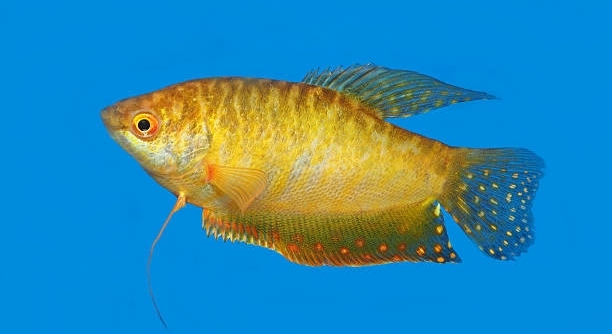
Are your gouramis staying smaller than expected despite your care? Many fish owners face this issue and wonder why their aquatic pets are not reaching their full size in the tank environment.
The growth of a gourami is influenced by several factors, including water quality, tank size, diet, stress, genetics, and overall health. Inadequate conditions can slow development, making proper monitoring and care essential for optimal growth.
Understanding these reasons can help you improve your fish’s environment and ensure they thrive. Implementing small changes may have a big impact on their growth.
Poor Water Quality
Poor water quality directly impacts your gourami’s growth and overall health. High levels of ammonia, nitrites, or nitrates create a stressful environment, which slows metabolism and reduces appetite. Regular water changes and proper filtration are essential. Temperature fluctuations can also shock your fish, making it harder for them to digest food and grow. Checking pH levels, hardness, and clarity ensures a stable environment. Overcrowding worsens water conditions, increasing waste and competition for oxygen. Even if you feed your gourami properly, poor water quality will prevent it from reaching its full size. Small tanks often exacerbate these issues, as contaminants build up faster. Introducing live plants or aeration can improve water quality and provide natural hiding spaces, helping reduce stress. Maintaining consistent water parameters fosters a healthier tank, giving your gourami the best chance to grow at a normal pace. Monitoring daily is far better than waiting for visible signs of poor conditions.
Routine water tests and consistent cleaning support growth and prevent health problems.
Ensuring water is clean and stable requires attention to both chemical levels and physical cleanliness. Filters should be cleaned without removing too much beneficial bacteria. Partial water changes prevent sudden shifts in pH or temperature. Tank decorations, substrate, and plants should be rinsed periodically. Aeration helps oxygenate the water, while avoiding overstocking keeps waste manageable. By combining these practices, your gourami will experience less stress, eat better, and grow steadily, reducing the risk of disease.
Inadequate Diet
An unbalanced diet can significantly limit a gourami’s growth. Feeding only flakes or infrequent meals prevents them from receiving necessary nutrients.
Providing a varied diet with high-quality pellets, live foods like brine shrimp, and occasional vegetables promotes growth and overall health. Consistency in feeding times helps regulate metabolism.
Gouramis require a mix of proteins, fats, and vitamins for proper development. Overfeeding can be just as harmful as underfeeding, causing water pollution and digestive problems. Observing their behavior and adjusting portion sizes ensures they are eating enough without overeating. Offering different textures and food types encourages natural feeding behavior and provides mental stimulation. Vitamins and supplements can help if the tank lacks natural sources. Feeding small amounts multiple times a day mimics natural feeding patterns and supports steady growth. With proper nutrition, your gourami can reach its expected size while maintaining a vibrant color and strong immune system. Regular monitoring of both diet and growth helps you make necessary adjustments early.
Small Tank Size
A small tank limits your gourami’s growth by restricting movement and increasing stress. Crowded conditions raise waste levels and reduce oxygen, both of which directly affect metabolism and overall health.
Tank size should match the species’ adult size. A minimum of 20 gallons is recommended for dwarf gouramis, while larger varieties need at least 30 gallons. Limited space prevents natural swimming patterns, which can slow muscle development and weaken the immune system. Overcrowding also encourages aggressive behavior and competition for food, adding stress that inhibits growth. Providing ample swimming room, hiding spots, and proper filtration allows the fish to thrive physically and mentally. Gradually upgrading tank size as the gourami grows ensures consistent growth and reduces stress-related setbacks, creating a healthier environment for longer-term development.
Ensuring your gourami has space to swim freely and live comfortably directly impacts its growth rate. Proper tank dimensions are crucial.
Regular observation of their behavior helps you decide when it’s time to upgrade. Fish that dart nervously or fight often indicate stress from limited space. Combining tank size with water quality maintenance and a balanced diet maximizes growth potential. Hiding spots, such as plants or decorations, reduce stress while allowing exploration, which is essential for muscle development. A spacious, well-maintained tank encourages healthier eating habits and more consistent activity levels, both of which contribute to proper growth. Gradually adding space prevents sudden environmental changes, helping the gourami adapt smoothly.
Stress and Aggression
Stress from aggressive tank mates or frequent disturbances can stunt growth. Nervous or hiding gouramis eat less and expend more energy avoiding conflict.
Aggression in a community tank leads to repeated chasing, fin nipping, and social tension. Stress hormones released over time suppress appetite, reduce immune response, and slow metabolism. Even subtle stress, like bright lighting or constant movement near the tank, can impact growth. Ensuring peaceful companions, hiding places, and a calm environment helps gouramis feel secure. Monitoring tank interactions and separating aggressive individuals prevents prolonged stress. A stable routine with minimal sudden changes in lighting, temperature, or feeding schedule also supports healthy growth. Peaceful conditions allow gouramis to feed properly, digest efficiently, and develop naturally without unnecessary energy loss to stress or fear.
A calm environment with compatible tank mates encourages regular feeding and consistent growth. Hiding spots and gentle handling reduce tension and support overall health.
Genetics
Some gouramis naturally grow slower due to their genetic makeup. Even with ideal care, growth rates vary between individuals and strains.
Breeding lines influence size potential. Dwarf gouramis will never reach the size of giant gouramis. Recognizing genetic limits helps set realistic expectations for growth and tank planning.
Illness or Parasites
Illnesses and parasites can hinder growth by affecting appetite and nutrient absorption. Sick gouramis often appear lethargic or display unusual spots and behavior. Treating infections promptly and maintaining clean water is essential for recovery and continued growth.
Inconsistent Feeding
Irregular feeding schedules disrupt metabolism and growth. Skipping meals or overfeeding can weaken the fish’s system and slow development. Maintaining a consistent routine with appropriate portions ensures steady energy intake, supporting healthy growth patterns and stronger immunity.
Why is my gourami not growing despite proper feeding?
Even with proper feeding, growth can be limited by water quality, tank size, stress, or genetics. Nutrient absorption may be affected if the water has high ammonia or nitrite levels. Small or overcrowded tanks reduce swimming space, which slows physical development. Stress from aggressive tank mates or sudden changes in the environment also suppresses appetite and metabolism. Some gouramis naturally grow slower due to genetic factors. Observing behavior, checking water parameters, and maintaining a consistent feeding routine are crucial steps to encourage steady growth.
How often should I feed my gourami to promote growth?
Gouramis do best with small, frequent meals rather than one large feeding. Feeding two to three times a day in controlled portions helps maintain metabolism and encourages proper digestion. Overfeeding can pollute the tank, leading to poor water quality and stress, which slows growth. Include a variety of foods, such as high-quality pellets, occasional live or frozen foods, and plant matter. Tracking how much they consume in a few minutes ensures they are eating enough without leaving excess food that decomposes. Consistency in feeding times also reduces stress and supports natural growth rhythms.
What tank size is ideal for gourami growth?
Tank size directly impacts growth and stress levels. Dwarf gouramis should have at least 20 gallons, while larger species need a minimum of 30 gallons. Limited space restricts swimming, which slows muscle development and overall size. Overcrowded tanks increase competition for food and oxygen, raising stress and reducing growth rates. A properly sized tank with hiding spots, plants, and decorations allows gouramis to explore safely and reduces aggressive encounters. Gradually upgrading tank size as the fish grows ensures continued development without causing sudden environmental stress. Adequate swimming space supports healthy activity levels essential for proper growth.
Can stress really affect my gourami’s growth?
Yes, stress has a major impact. Constant aggression from tank mates, sudden changes in water conditions, or frequent disturbances can release stress hormones that suppress appetite and slow metabolism. Nervous or hiding fish expend extra energy avoiding conflict rather than growing. Providing hiding spots, peaceful companions, and a calm environment helps gouramis feel secure and maintain normal feeding patterns. Minimizing sudden changes in lighting, water temperature, and handling reduces stress, allowing the fish to grow steadily. Stress management is as critical as feeding or water quality in promoting healthy development.
How do I know if illness is stunting my gourami’s growth?
Signs of illness include lethargy, reduced appetite, unusual spots, frayed fins, or erratic swimming. Parasites and infections can prevent nutrient absorption, slowing growth despite proper feeding. Prompt diagnosis and treatment are essential. Quarantining affected fish and maintaining clean water reduces the risk of spreading disease. Regular observation allows you to detect issues early before growth is severely impacted. Using appropriate medications and maintaining a balanced diet helps recovery and ensures the fish resumes normal growth.
Is genetics a factor in slow growth?
Yes, genetics can limit maximum size. Some gouramis, especially dwarf varieties, will never reach the size of larger species. Even in ideal conditions, individual growth rates vary. Recognizing genetic limits helps set realistic expectations and informs tank planning, diet, and social group decisions.
Can water quality alone stunt growth?
Poor water quality slows growth by creating stress and affecting metabolism. High ammonia, nitrites, nitrates, or fluctuating pH make it difficult for gouramis to digest food efficiently. Maintaining clean, stable water conditions with proper filtration and regular partial water changes is essential. Monitoring water parameters daily ensures a safe environment for healthy development.
Will adding live plants help growth?
Yes, live plants improve water quality by absorbing excess nutrients and providing natural hiding spots. They reduce stress and encourage exploration, which promotes muscle development and overall health. Plants also support oxygen levels, contributing to a stable and growth-friendly environment.
How long does it take for a gourami to show growth improvements?
Growth improvements depend on age, species, and conditions. Younger gouramis respond faster once stressors are reduced and diet is optimized, typically within a few weeks. Adult fish may show slower progress, but consistent care gradually improves size, coloration, and activity levels.
Can overfeeding harm growth?
Overfeeding can be just as damaging as underfeeding. Excess food decomposes, worsening water quality, increasing stress, and causing digestive issues. Controlled, frequent meals are safer and support healthy growth. Monitoring portions and removing uneaten food prevents complications and encourages steady development.
Does tank mate selection impact growth?
Yes, aggressive or larger tank mates can stress gouramis, reduce their access to food, and slow growth. Choosing peaceful, compatible species ensures the gourami can feed, swim, and rest without constant threat. Hiding spaces and visual barriers further reduce aggression and support healthy development.
Are there supplements that can help gourami growth?
Vitamins and mineral supplements can help if the diet is lacking, especially for captive-bred fish. They support immune function, coloration, and metabolism, promoting consistent growth. Use supplements carefully, following dosage instructions, and continue to provide a balanced, varied diet.
Does temperature affect growth rates?
Yes, stable temperature is crucial. Sudden drops or spikes can shock the fish, slowing digestion and reducing appetite. Maintaining species-appropriate temperatures ensures metabolism functions efficiently, supporting consistent growth and overall health.
How important is regular observation for growth?
Daily observation allows early detection of stress, illness, or environmental issues. Monitoring appetite, behavior, and swimming patterns helps prevent growth setbacks and ensures timely adjustments to water, diet, or tank conditions. Consistent attention is key for healthy, steady development.
Ensuring your gourami grows properly requires attention to several factors. Water quality is the foundation of a healthy tank environment. Regular testing and maintenance prevent harmful levels of ammonia, nitrites, and nitrates. Filtration and partial water changes keep the environment stable. A clean, well-oxygenated tank reduces stress and supports normal metabolism. Even small changes, such as adjusting the pH or adding plants, can have a positive impact on the fish’s health. Overcrowding should be avoided, as too many fish in a small space increases waste, lowers oxygen, and can trigger aggressive behavior. A stable environment allows your gourami to focus energy on growth rather than coping with stress. Watching water temperature and keeping it consistent also contributes to steady development.
Diet is equally important for healthy growth. A varied diet that includes high-quality pellets, occasional live or frozen foods, and plant matter ensures your gourami receives the necessary nutrients. Feeding in small, consistent portions throughout the day is better than a single large feeding, as it supports proper digestion and prevents water pollution. Overfeeding can lead to digestive issues and deteriorate water quality, which indirectly affects growth. Providing foods with vitamins and minerals can boost immunity, coloration, and overall health. Observing your fish while it eats helps you gauge whether it is consuming enough and allows you to adjust feeding portions as needed. Consistency in feeding schedules also reduces stress and encourages normal activity levels. Paying attention to both quantity and variety of food ensures your gourami has what it needs to thrive.
Stress management and overall tank care also play a major role in growth. Aggressive tank mates, frequent disturbances, or sudden environmental changes can slow development. Hiding spots, decorations, and plants allow the fish to feel secure and reduce tension. Regular observation of behavior helps identify potential issues early, whether it is aggression, illness, or poor water conditions. Some factors, such as genetics, cannot be changed, but most issues that slow growth can be addressed with proper care and attention. By maintaining clean water, providing a balanced diet, minimizing stress, and offering sufficient space, your gourami is more likely to reach its expected size. These steps ensure that your fish not only grows steadily but remains healthy, active, and vibrant throughout its life. Consistent care creates an environment where growth and well-being go hand in hand, making your time with the fish more rewarding and enjoyable.

Hello,
If you enjoy the content that we create, please consider saying a "Thank You!" by leaving a tip.
Every little bit helps us continue crafting quality advice that supports the health, happiness, and well-being of pets around the world, for pets of all shapes, sizes, and species.
We really appreciate the kindness and support that you show us!