
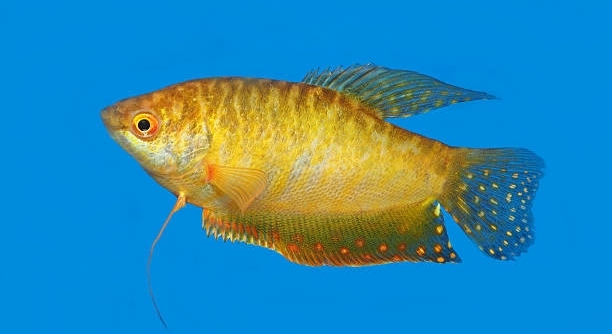
Gouramis are beautiful and peaceful fish, but they can show aggression under certain circumstances in a community tank. Observing their behavior closely helps prevent conflicts and keeps your aquarium environment calm and safe for all species.
Gourami aggression is often triggered by specific behaviors from other fish, including territorial disputes, excessive chasing, fin nipping, sudden movements, or competition for food. Recognizing these triggers allows aquarists to manage tank dynamics and reduce stress effectively.
Knowing what causes aggression in gouramis can make a significant difference in maintaining harmony in your aquarium. The following insights will help you manage these behaviors carefully.
Chasing Tank Mates
When gouramis feel their space is being invaded, they may chase other fish around the tank. This behavior is more common in male gouramis, especially during breeding or when establishing territory. Chasing can start subtly with short bursts of speed, then escalate to constant pursuit. Fish being chased may hide behind decorations, plants, or substrate to escape. Over time, repeated chasing can stress other fish, leading to illness or reduced appetite. Tank size and arrangement can influence how often this happens. Providing enough hiding spots and open swimming areas helps reduce tension. Observing the interactions in the tank can guide adjustments, such as rearranging decorations or separating aggressive individuals.
Chasing behavior is primarily a sign of territorial defense and stress, not random aggression.
Monitoring your gouramis closely and providing ample space and visual barriers can help minimize chasing. Adjusting tank mates and environment can ensure calmer interactions and healthier fish. Proper feeding schedules and avoiding overcrowding also play a key role in maintaining harmony.
Fin Nipping
Fin nipping occurs when gouramis bite or nip at the fins of other fish. This is often seen in active or long-finned species. It can damage fins and lead to infections if untreated. Observing which fish are targeted helps identify patterns and prevent further harm.
Fin nipping can escalate if other fish display similar behaviors.
Preventing fin nipping involves separating aggressive individuals or adding plants and hiding spaces. Long-finned fish may need more protection. Feeding your gouramis consistently and reducing stressors, such as sudden tank movements or overcrowding, can lower the chances of nipping. Some gouramis may calm over time, but persistent nipping should be addressed promptly to avoid injury. Careful monitoring and tank management are essential for keeping all fish healthy. Understanding the triggers and adjusting the environment helps maintain a balanced and peaceful aquarium, where all fish can coexist without constant stress or harm.
Territorial Displays
Gouramis display territorial behavior by flaring fins, changing color, or patrolling specific areas of the tank. They may chase intruders or guard plants and hiding spots, especially during breeding periods. Recognizing these signs early can prevent conflicts before they escalate.
Territorial displays often start subtly, with the fish expanding fins and swimming closer to perceived threats. Over time, these displays can intensify into chasing or aggressive lunges, particularly if the tank is crowded or lacks sufficient hiding spots. Male gouramis are more prone to this behavior, and competition for mates or space can heighten aggression. Rearranging decorations and ensuring enough room for each fish can reduce stress and minimize confrontations. Observing interactions carefully allows adjustments before injuries occur, keeping all tank inhabitants calmer.
Providing visual barriers, plants, and designated spaces for each fish helps manage territorial disputes. Regularly monitoring gouramis’ behavior and separating aggressive individuals when needed supports a balanced and harmonious tank environment. Avoiding sudden changes in the tank and maintaining a consistent routine also reduces tension among fish.
Food Competition
Gouramis may become aggressive when competing for food, especially if they feel threatened or if resources are limited. Feeding all fish at the same time and spreading food around can reduce fighting.
Food competition can trigger chasing, nipping, or blocking other fish from accessing meals. Some gouramis may dominate the feeding area, preventing timid species from eating adequately. Ensuring multiple feeding spots and distributing food evenly helps maintain peace. Overfeeding slightly can reduce urgency, while careful observation ensures all fish receive enough nutrition.
Adjusting the tank layout to allow access to all fish during feeding is essential. Some gouramis may still display dominant behaviors, but providing extra hiding spots near food or feeding at different times can lessen aggression. Consistent feeding routines and monitoring interactions during meals helps maintain a healthier and less stressful environment. Over time, fish adapt to these measures, creating a calmer and more balanced tank dynamic.
Overcrowding
Overcrowding in the tank can easily trigger gourami aggression. Limited space increases stress and competition, causing frequent chasing and fin nipping. Maintaining a proper fish-to-gallon ratio is essential to reduce conflicts.
Too many fish in a small tank can lead to constant territorial disputes. Gouramis need space to swim freely and establish personal zones. Overcrowding also limits hiding spots, making smaller or timid fish more vulnerable. Ensuring adequate space and adding plants or decorations to break up sight lines helps reduce stress. Careful planning of stocking levels supports a calmer, healthier tank environment for all fish.
Sudden Movements
Sudden movements in the tank can provoke aggressive reactions from gouramis. Rapid splashes, tapping, or abrupt changes in water flow may startle them.
Gouramis are sensitive to changes in their surroundings. Quick movements can trigger defensive or territorial responses, including lunging or chasing. Maintaining a calm, consistent environment with gentle handling minimizes unnecessary stress and aggression, allowing the fish to feel secure.
Mirror Reflections
Gouramis may attack mirror reflections, mistaking them for rival fish. This behavior can result in stress and fin damage if left unchecked.
FAQ
What causes gouramis to become aggressive?
Gouramis become aggressive for several reasons, most commonly due to territorial behavior, competition for food, or stress from overcrowding. Male gouramis are particularly prone to asserting dominance, especially during breeding periods. Environmental changes, such as sudden movements, mirror reflections, or a lack of hiding spots, can also trigger aggression. Identifying the source of stress helps manage conflicts and maintain a balanced aquarium.
How can I tell if my gourami is stressed?
Signs of stress include frequent chasing, fin nipping, rapid color changes, and hiding excessively. Stressed gouramis may eat less or show signs of fatigue. Observing interactions with other fish and monitoring swimming patterns helps detect early signs of tension. Stress can also make gouramis more susceptible to disease.
Can tank size affect aggression?
Yes, overcrowded tanks increase tension among gouramis and other fish. Limited space forces fish into closer contact, raising the likelihood of territorial disputes and chasing. Maintaining an appropriate fish-to-gallon ratio and providing open swimming areas with visual breaks can reduce aggressive incidents significantly.
Do gouramis attack certain types of fish more often?
Gouramis tend to target fish with long fins or timid species that cannot defend themselves easily. They may also become aggressive toward fast-moving or territorial tank mates. Careful selection of compatible species and observing interactions during feeding and swimming can prevent injuries.
How can I prevent chasing and fin nipping?
Providing adequate space, multiple hiding spots, and a consistent feeding schedule reduces aggression. Separating highly aggressive individuals or rearranging tank decorations can also help. Distributing food evenly and avoiding sudden movements in the tank minimizes stress that can trigger chasing or nipping.
Is aggression worse during breeding season?
Yes, male gouramis are highly territorial when breeding. They may guard nests or chase other fish aggressively. Providing separate breeding tanks or creating secure areas in the main tank can protect less dominant fish and reduce conflicts during this period.
Can water conditions influence aggression?
Poor water quality increases stress and can heighten aggressive behavior. Maintaining stable temperature, proper pH levels, and clean water supports calmer behavior. Regular water changes and monitoring parameters are essential for reducing stress-related aggression.
Should I separate aggressive gouramis?
Separating overly aggressive gouramis is sometimes necessary, especially if fin damage or injuries occur. Quarantine tanks or dividers can provide temporary solutions while allowing the rest of the tank to remain peaceful. Careful observation helps determine if separation is needed long-term.
Does feeding routine affect aggression?
Yes, inconsistent feeding or limited food can cause competition and increase aggressive encounters. Feeding small portions at multiple locations ensures all fish receive enough nutrition, minimizing conflicts. Overfeeding slightly can also reduce urgency and allow calmer interactions.
Can environmental enrichment help reduce aggression?
Yes, adding plants, rocks, or decorations that create visual barriers and hideouts reduces stress and limits direct confrontations. Changing the layout occasionally helps prevent territorial fixation. A thoughtfully arranged tank keeps gouramis engaged and calmer, reducing the likelihood of aggression over time.
How long does it take for gouramis to calm down after aggression?
The time varies depending on individual temperament, tank setup, and stress levels. Some gouramis may settle within days, while others may take weeks. Adjusting tank environment, maintaining proper feeding, and monitoring interactions ensures a faster return to calmer behavior.
Are certain gourami species more aggressive than others?
Yes, some species, such as the dwarf gourami or pearl gourami, tend to be more territorial, especially males. Understanding species-specific behavior helps in planning compatible tank mates and preventing unnecessary aggression.
Can adding more fish reduce aggression?
Adding more fish can sometimes spread attention and reduce targeting of a single individual, but overcrowding can increase stress. Balancing tank population with adequate space and hiding spots is more effective than simply adding more fish.
What should I do if aggression persists despite adjustments?
Persistent aggression may require long-term separation or creating divided sections in the tank. Observing patterns of conflict, identifying triggers, and adjusting tank mates can help manage behavior. Consulting aquarium experts or experienced hobbyists may also provide practical solutions tailored to your setup.
Can enrichment alone stop aggression completely?
Enrichment helps, but it rarely eliminates aggression entirely. Territorial instincts and competition for resources remain natural behaviors. Combining enrichment with proper tank management, feeding routines, and compatible fish selection provides the most effective approach.
How do I handle injured fish from aggression?
Isolate injured fish in a separate tank to prevent further damage and allow healing. Treat wounds with appropriate water-safe medications and maintain clean, stable water conditions. Monitoring recovery and preventing repeated incidents is crucial for the health of all fish.
Does gender affect aggression?
Male gouramis are generally more aggressive, especially toward other males. Females may show mild aggression, often related to competition for food or territory. Understanding gender dynamics helps in arranging compatible groups and minimizing conflicts.
Can I use tank dividers to manage aggressive gouramis?
Yes, dividers are effective for temporarily separating aggressive fish or creating safe zones. Transparent or opaque dividers can reduce stress by limiting visual contact while maintaining access to the same water conditions. Dividers also allow observation of interactions without risking injury.
Is it normal for gouramis to show sudden bursts of aggression?
Yes, sudden aggression can occur when a perceived threat enters their territory or during feeding. While occasional bursts are normal, frequent or severe aggression indicates stress, overcrowding, or other environmental issues that need attention.
How can I maintain a peaceful community tank with gouramis?
Balanced tank size, compatible species, proper feeding, hiding spots, and stable water conditions are key. Observing behavior, addressing conflicts promptly, and adjusting the environment as needed help ensure a calmer, more harmonious aquarium for gouramis and their tank mates.
This FAQ provides detailed guidance on understanding and managing gourami aggression, ensuring a safer and healthier environment for all aquarium fish.
Gouramis are generally peaceful fish, but aggression can occur under certain conditions. Observing their behavior carefully helps prevent conflicts and protects other fish in the tank. Aggression usually stems from territorial instincts, competition for food, or stress caused by overcrowding. Male gouramis are more prone to these behaviors, particularly during breeding periods. Recognizing the signs of tension early is important, as repeated chasing, fin nipping, or defensive displays can harm both the gourami and its tank mates. Simple adjustments, like providing enough space, hiding spots, and visual barriers, can significantly reduce the risk of aggressive encounters. Consistent monitoring and understanding individual fish personalities also play a crucial role in maintaining harmony.
Proper tank management is essential for reducing gourami aggression. Overcrowding increases stress and the likelihood of conflicts, so keeping an appropriate number of fish for the tank size is important. Feeding routines also influence behavior, as competition for food can trigger chasing and fin nipping. Distributing food evenly and providing multiple feeding areas ensures that all fish have access to nutrition while minimizing stress. Environmental enrichment, such as plants, rocks, or decorations, can break up sight lines and create separate zones for each fish. These measures allow gouramis to feel secure and maintain natural behaviors without harming others. Adjusting tank conditions and layout gradually helps fish adapt without sudden stress. Regular water changes, proper filtration, and stable parameters also support a calmer tank environment, reducing aggression caused by discomfort or poor water quality.
Managing gourami aggression requires patience and observation. Some behaviors, like bursts of chasing or defensive displays, are natural and may occur occasionally even in well-maintained tanks. The key is to identify triggers and make adjustments before conflicts escalate. Separating highly aggressive individuals or using dividers can provide temporary relief and protect other fish from harm. Choosing compatible tank mates and understanding species-specific tendencies further helps maintain balance. By paying attention to tank dynamics, providing adequate space, and maintaining consistent care, aggression can be minimized while allowing gouramis to thrive. With careful planning and observation, a peaceful and healthy community tank is achievable, where gouramis coexist with other fish safely and without constant stress.

Hello,
If you enjoy the content that we create, please consider saying a "Thank You!" by leaving a tip.
Every little bit helps us continue crafting quality advice that supports the health, happiness, and well-being of pets around the world, for pets of all shapes, sizes, and species.
We really appreciate the kindness and support that you show us!